
Creating a lush and productive oasis in a limited outdoor space is entirely possible when you utilize the smart structure of raised beds. Small backyards often face challenges like poor soil quality or limited square footage, but elevated planting areas solve these issues while adding significant visual appeal. These garden structures allow you to control the growing environment perfectly, ensuring your vegetables and flowers thrive regardless of the ground conditions. Whether you prefer the rustic charm of weathered wood or the sleek lines of modern metal, there is a configuration that fits your specific lifestyle. By elevating your plants, you also make maintenance much easier on your back and knees during long afternoons.
1. Cedar raised bed garden
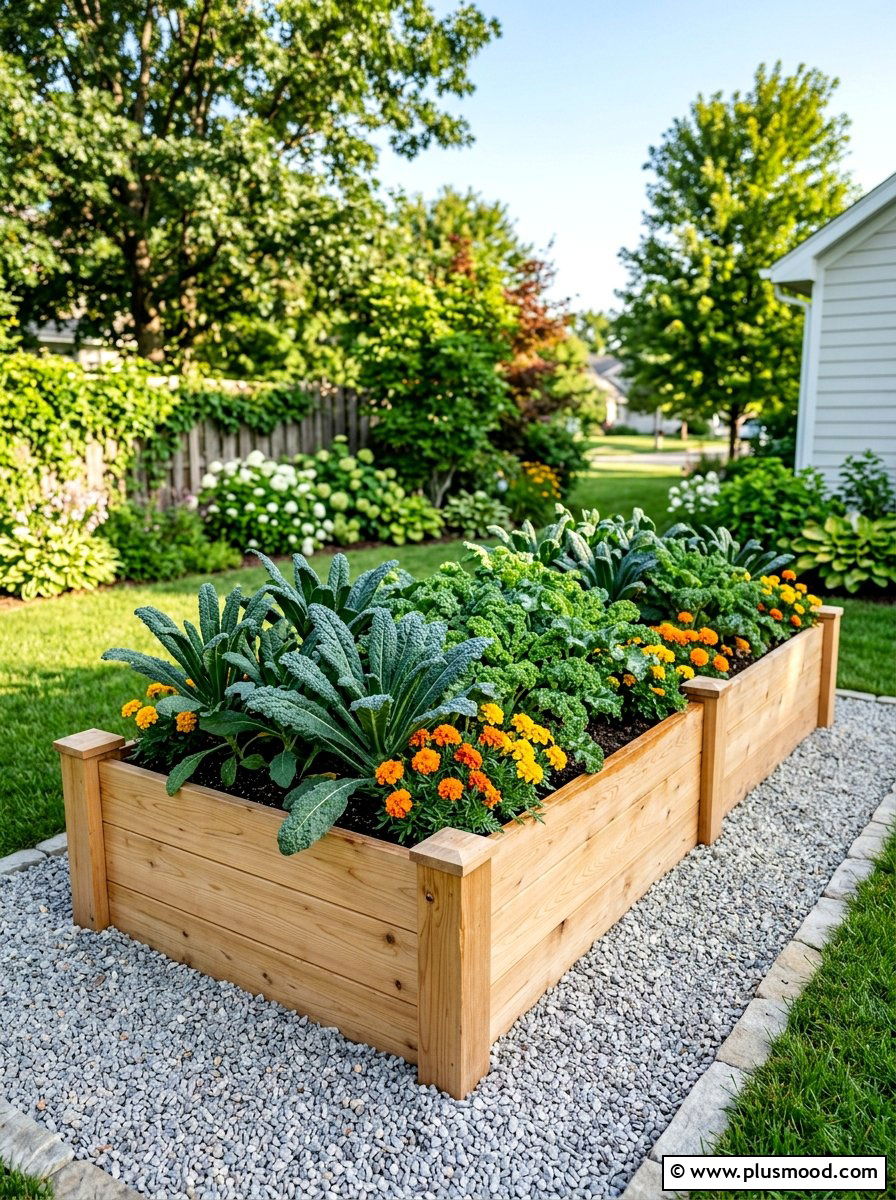
Cedar is a premier choice for outdoor projects because it naturally resists rot and insects without the need for harsh chemical treatments. In a small backyard, a simple rectangular cedar bed provides a clean and organic look that complements almost any architectural style. You can arrange these beds in a formal grid or place a single unit as a focal point among your existing patio furniture. The warm tones of the wood eventually weather to a beautiful silvery gray, blending seamlessly into the natural environment. These structures provide excellent drainage and help the soil warm up faster in the spring, giving your seedlings a significant head start for the season.
2. Tiered wooden planter
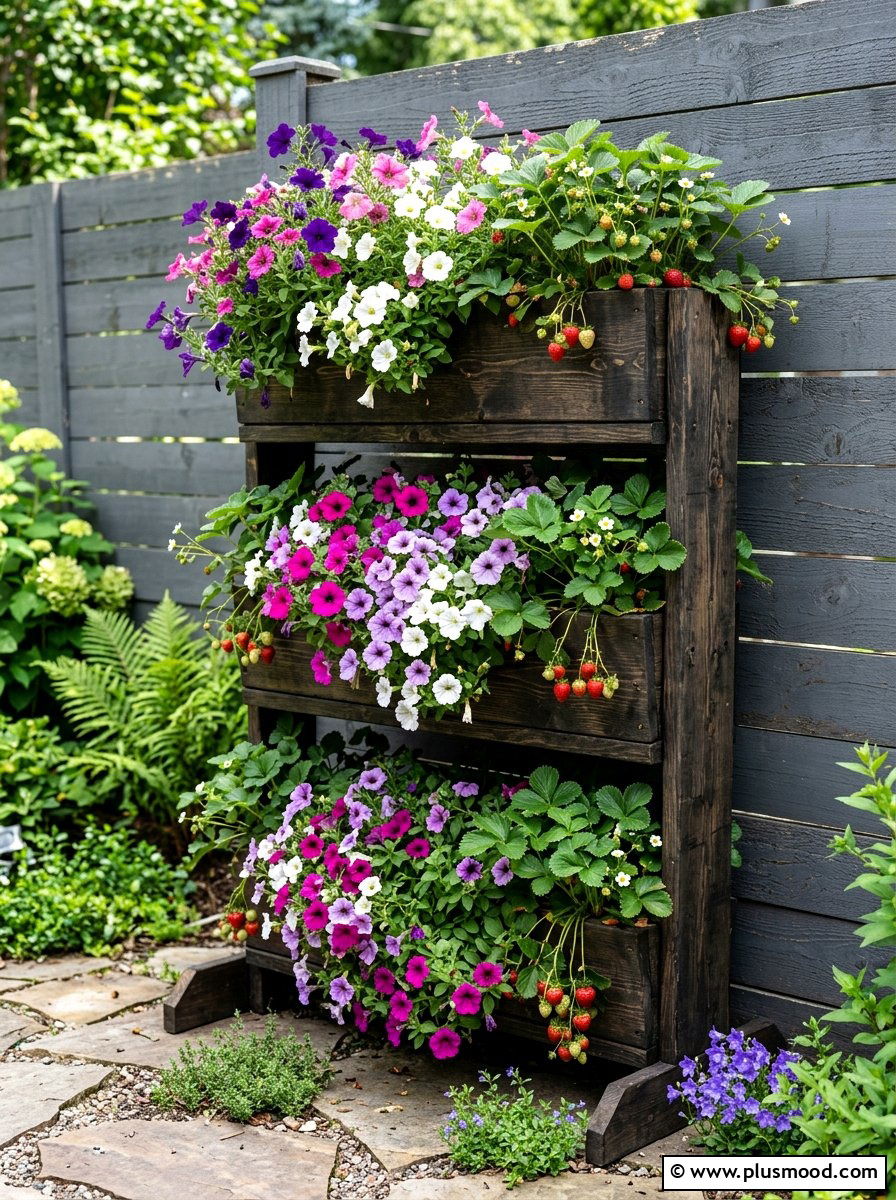
When ground space is at a premium, building upward is the most effective way to increase your planting surface area. A tiered wooden planter creates multiple levels of greenery, allowing you to grow sun-loving plants on the top and shade-tolerant varieties on the lower sections. This vertical approach makes the entire garden feel much larger than it actually is by drawing the eye upward. You can use this setup for a colorful waterfall of trailing flowers or a productive cascading strawberry patch. The staggered heights also make it much easier to reach every plant for harvesting or pruning without having to stretch or lean over other delicate growth.
3. Metal trough garden
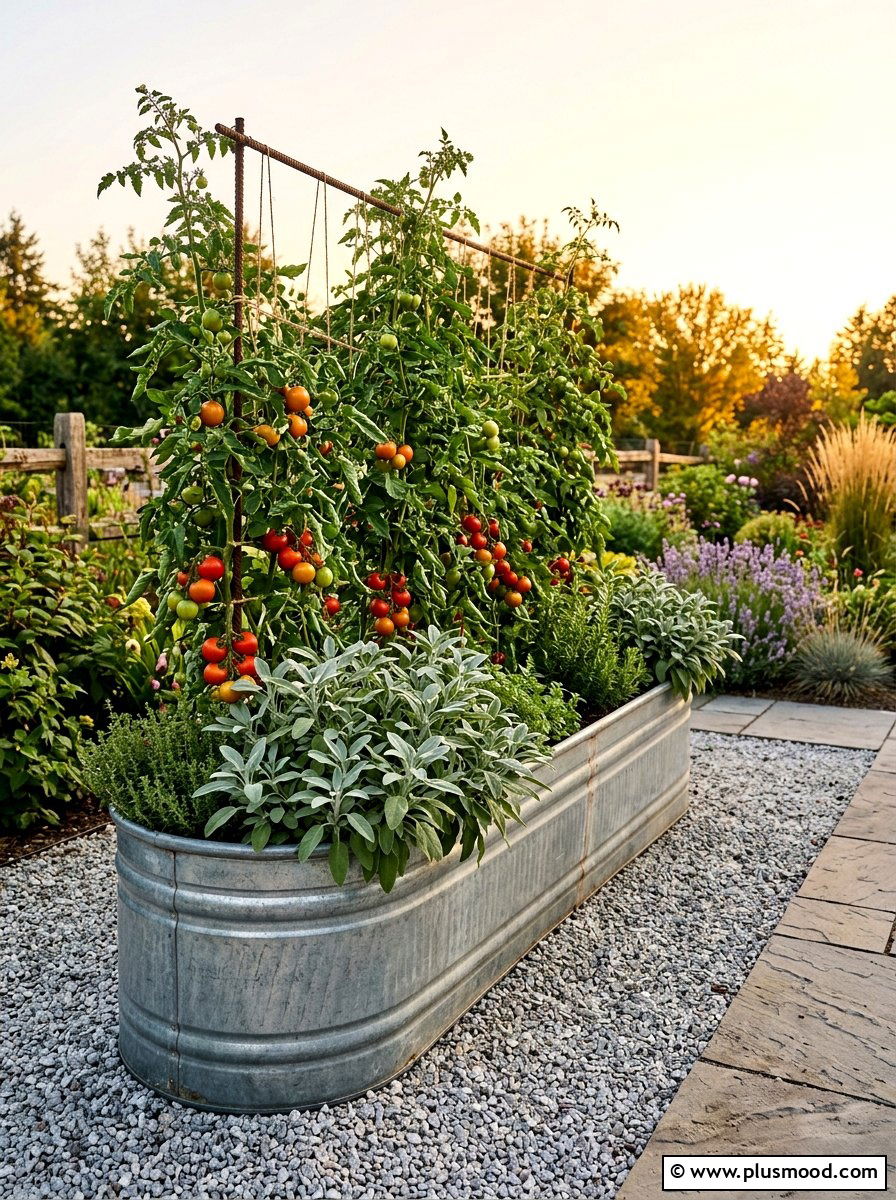
Galvanized metal troughs offer a durable and industrial aesthetic that looks fantastic in modern or farmhouse-style backyards. These containers are incredibly easy to set up since they require no assembly and can be placed directly on gravel or pavers. Because they are deep, they are perfect for growing root vegetables like carrots and potatoes that need plenty of vertical room for development. To ensure your plants stay healthy, you must drill drainage holes in the bottom and add a layer of coarse gravel before filling them with high-quality potting soil. The reflective surface of the metal adds a unique texture that contrasts beautifully against soft, leafy greens.
4. Corner garden bed
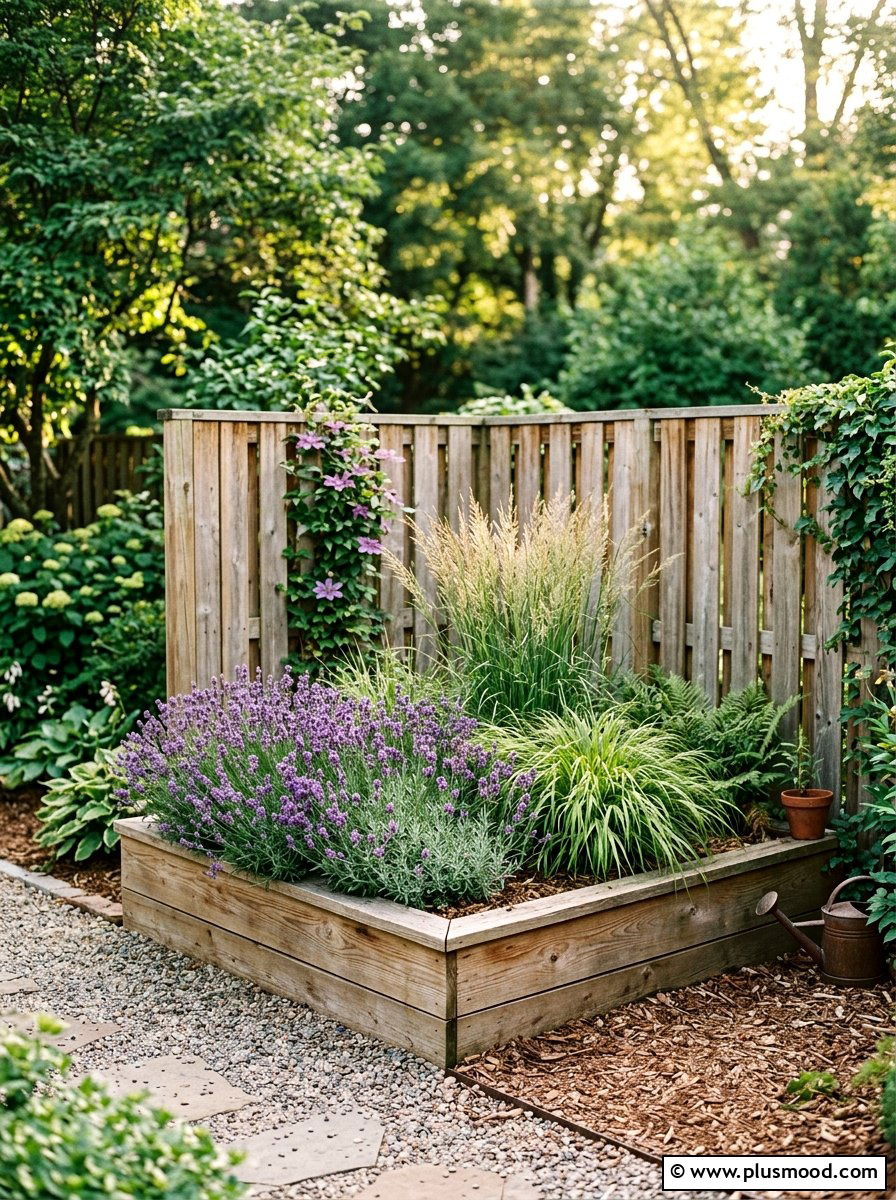
Utilizing the often-overlooked corners of your backyard can maximize your usable space and create a cozy, tucked-away feel. An L-shaped raised bed fits perfectly into these right-angled areas, turning a dead zone into a thriving center for biodiversity. This layout is particularly useful for small urban lots where every square inch matters for both aesthetics and food production. You can fill the corner with taller perennials or a small trellis to add vertical interest and privacy from neighboring properties. By wrapping the garden around the corner, you create a sense of enclosure that makes the entire outdoor area feel more like a private, intentional outdoor room.
5. Vertical wall planter
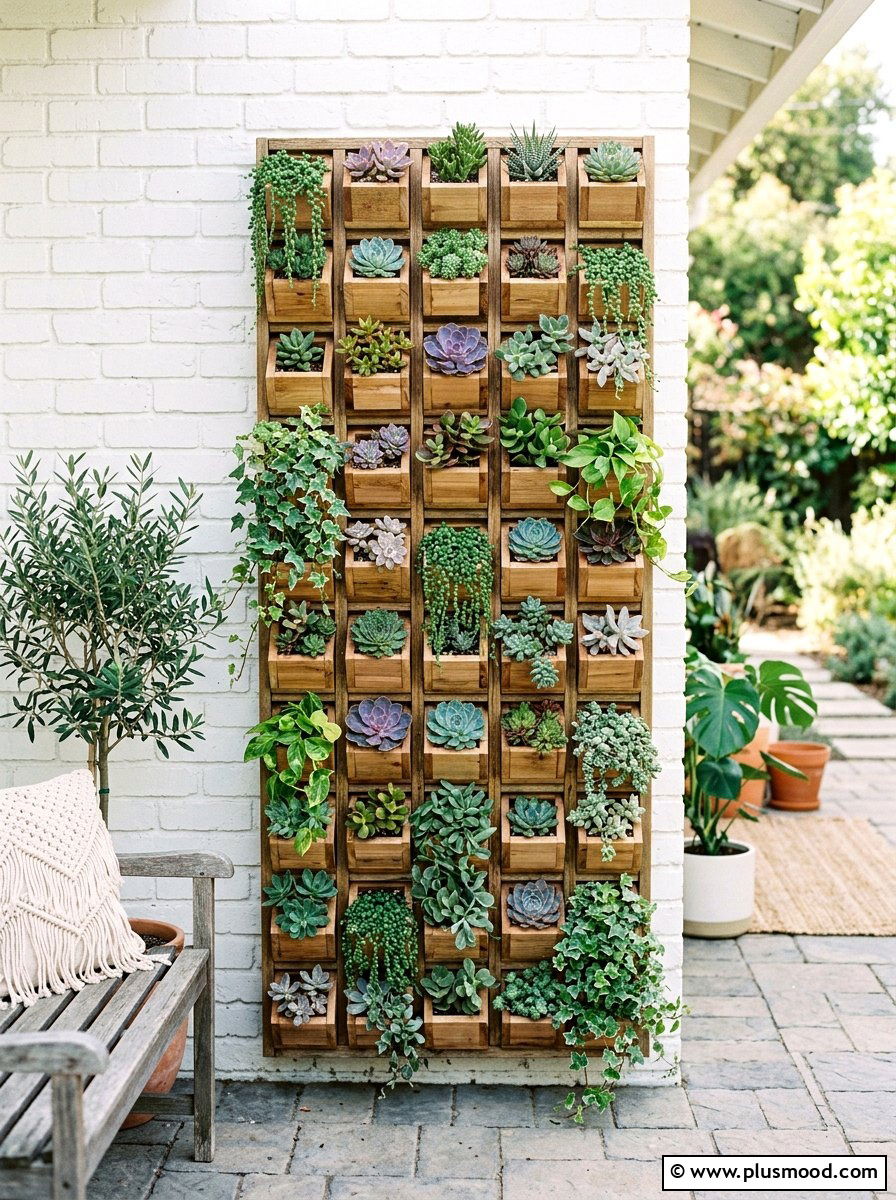
A vertical wall planter is the ultimate solution for extremely narrow backyards or balconies where floor space is virtually non-existent. By attaching wooden or metal boxes directly to a fence or exterior wall, you transform a flat surface into a living tapestry of color. This method is exceptionally well-suited for growing salad greens, succulents, or culinary herbs that have shallow root systems. It also serves as a stunning backdrop for an outdoor dining area, providing fresh scents and a lush view at eye level. Automated drip irrigation systems can be easily integrated into these wall units to ensure that every level receives consistent moisture throughout the summer.
6. Vegetable patch layout
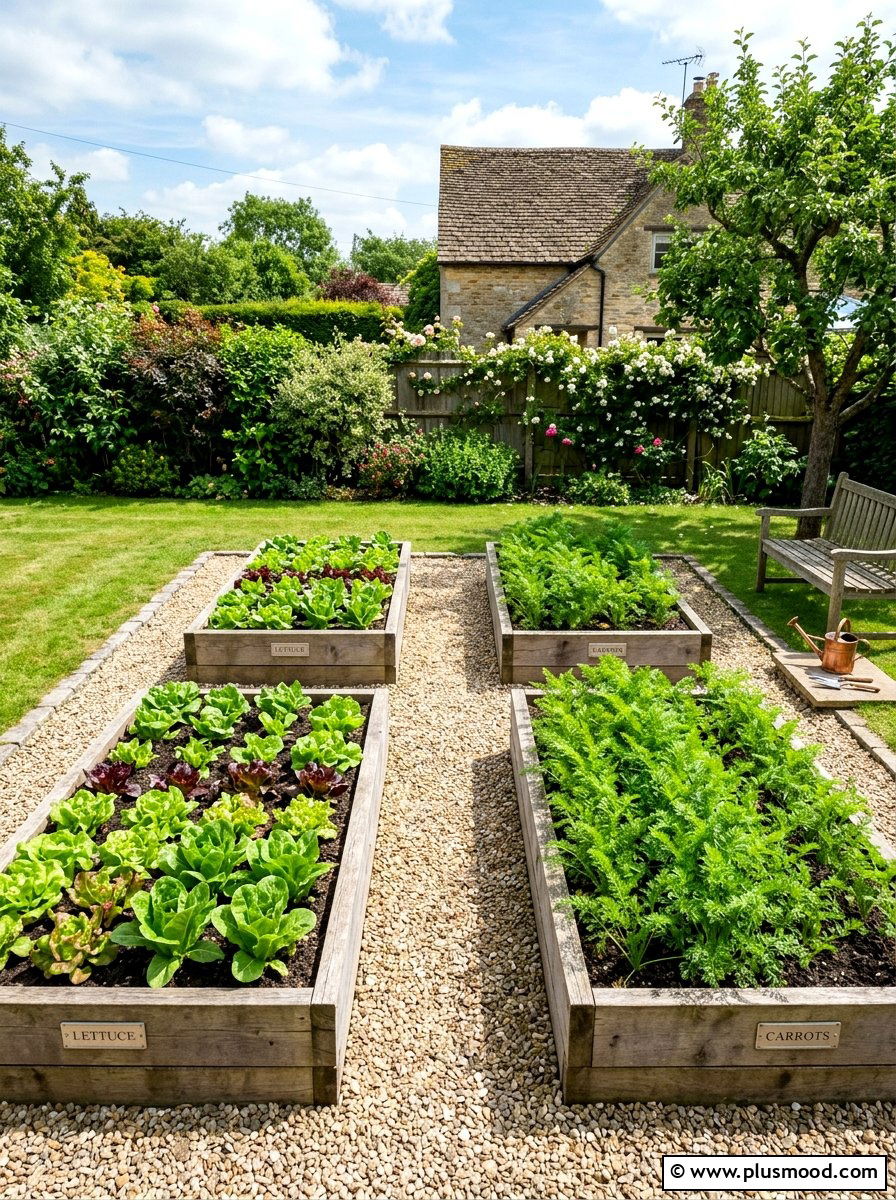
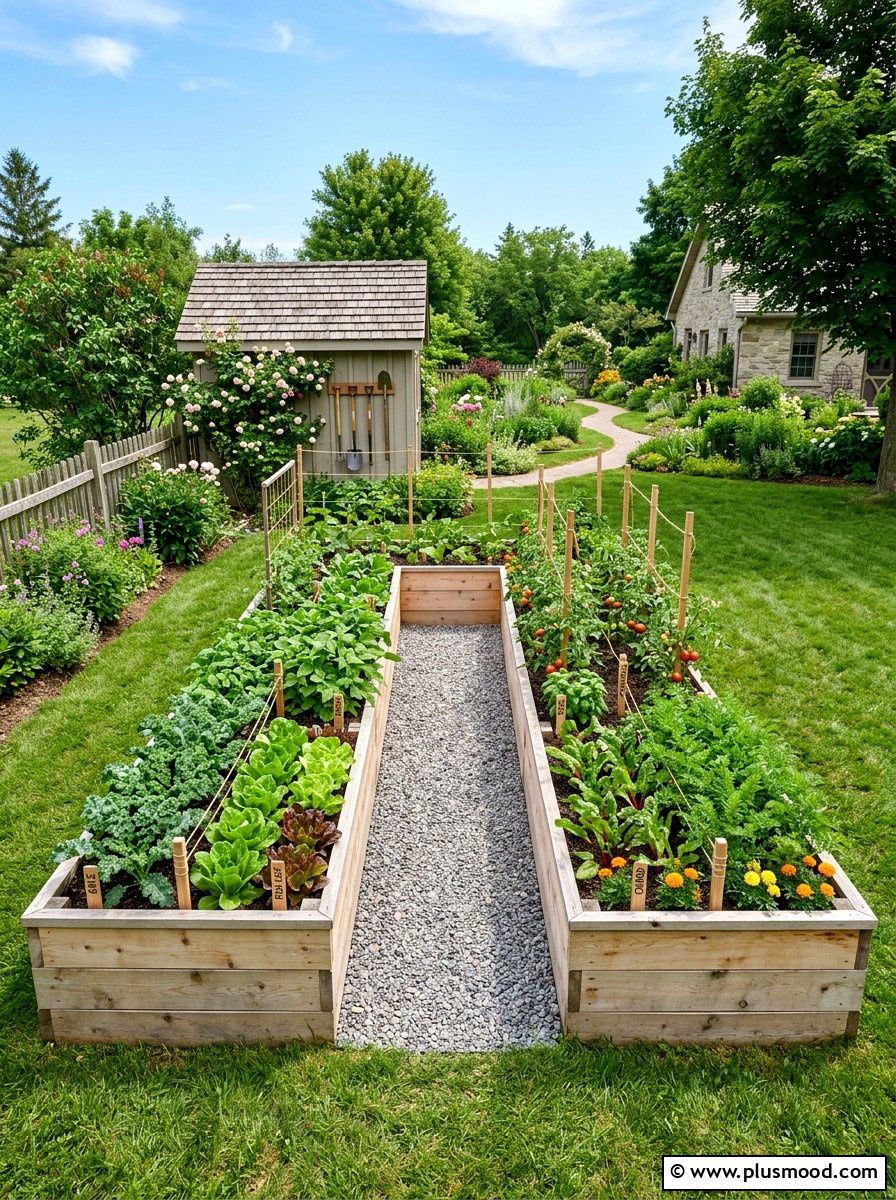
Organizing your raised beds into a dedicated vegetable patch layout helps streamline your gardening chores and maximizes your annual yield. By grouping several rectangular beds together with narrow woodchip or gravel paths between them, you create a professional and orderly appearance. This setup allows you to practice crop rotation easily, which prevents soil depletion and reduces the buildup of pests and diseases over time. You can dedicate specific beds to heavy feeders like tomatoes and squash while using others for lighter crops like beans or leafy greens. The clear boundaries of the raised beds also help keep aggressive weeds from encroaching on your precious food crops.
7. Herb garden planter
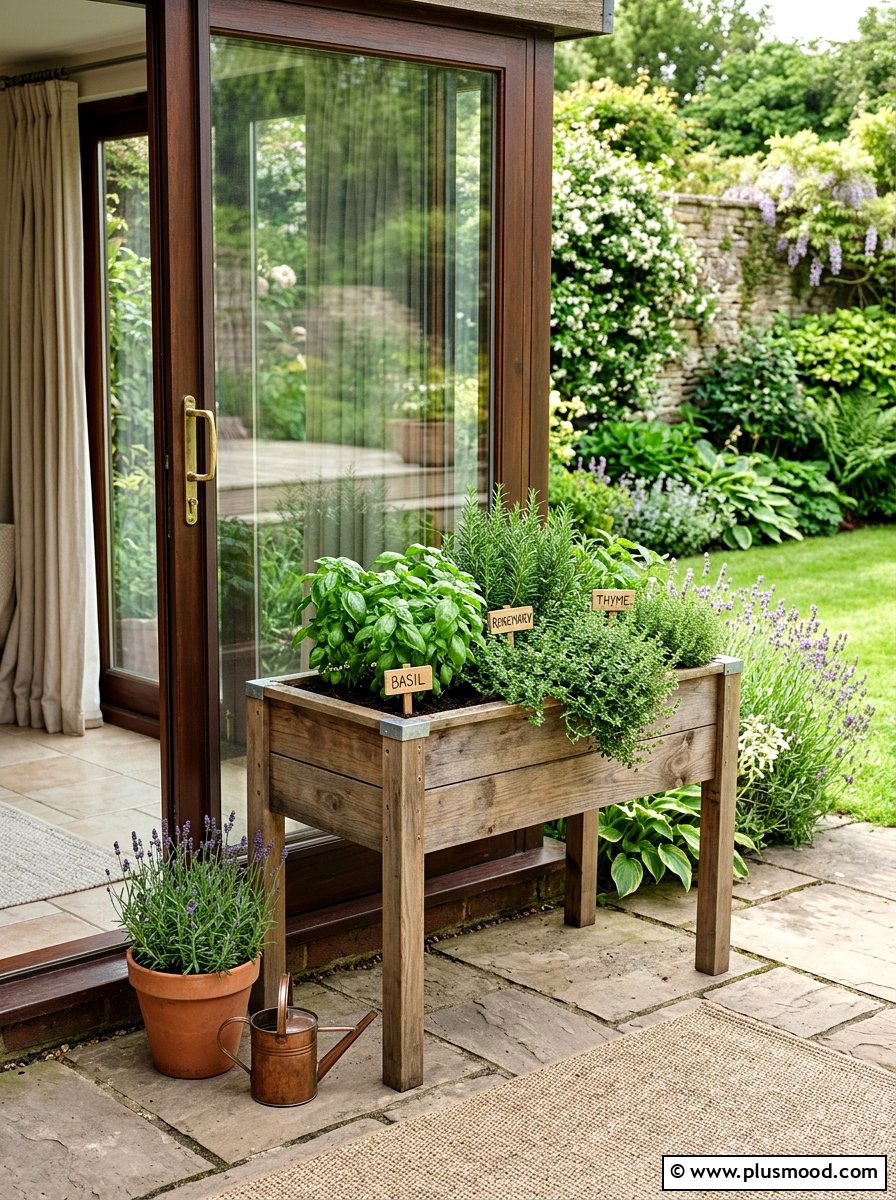
A compact herb garden planter placed near the back door makes it incredibly convenient to harvest fresh ingredients while you are cooking. These smaller raised units are perfect for keeping invasive plants like mint contained so they do not take over the rest of your landscaping. You can mix various textures and scents, such as woody rosemary, soft basil, and feathery dill, to create a sensory experience every time you step outside. Because herbs generally prefer well-draining soil, the elevated nature of these planters provides the perfect environment for them to flourish. The fragrance alone can make your small patio feel like a luxurious Mediterranean retreat.
8. Stone raised bed
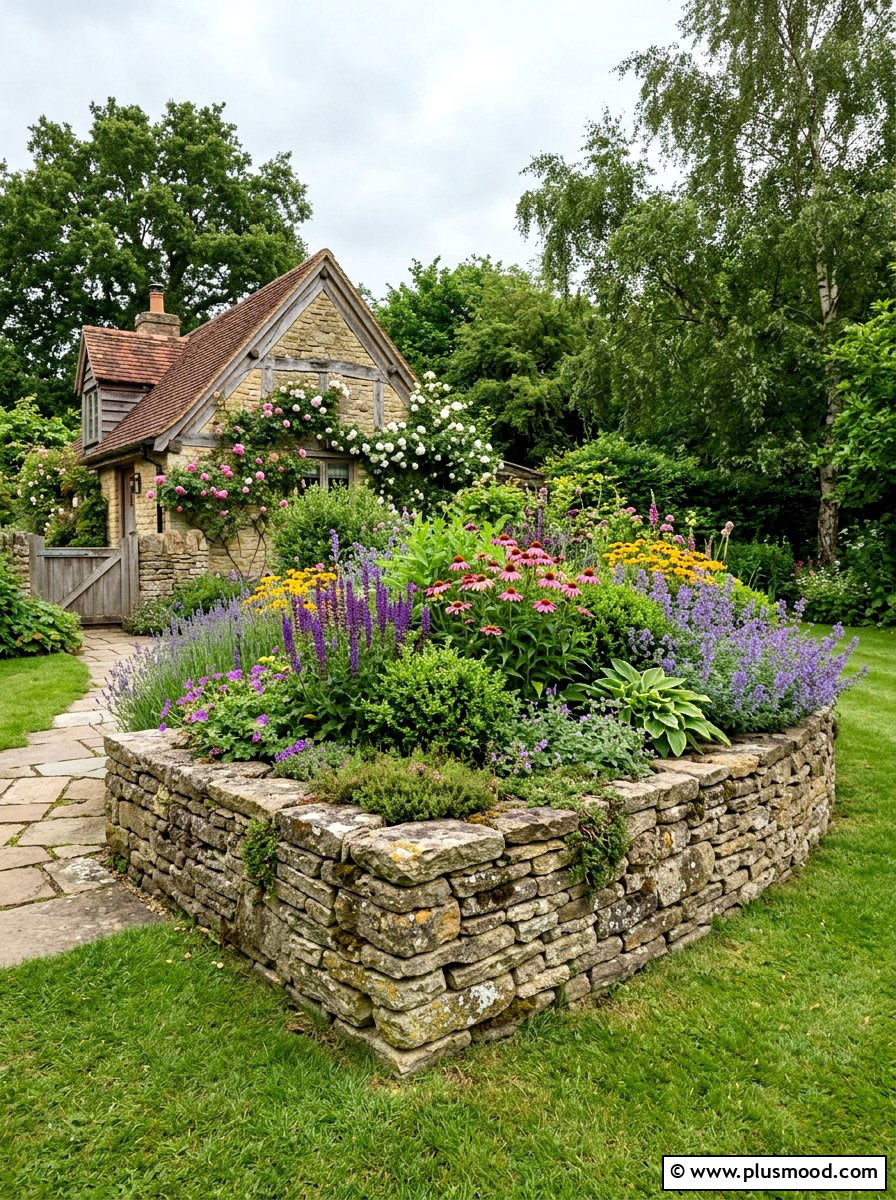
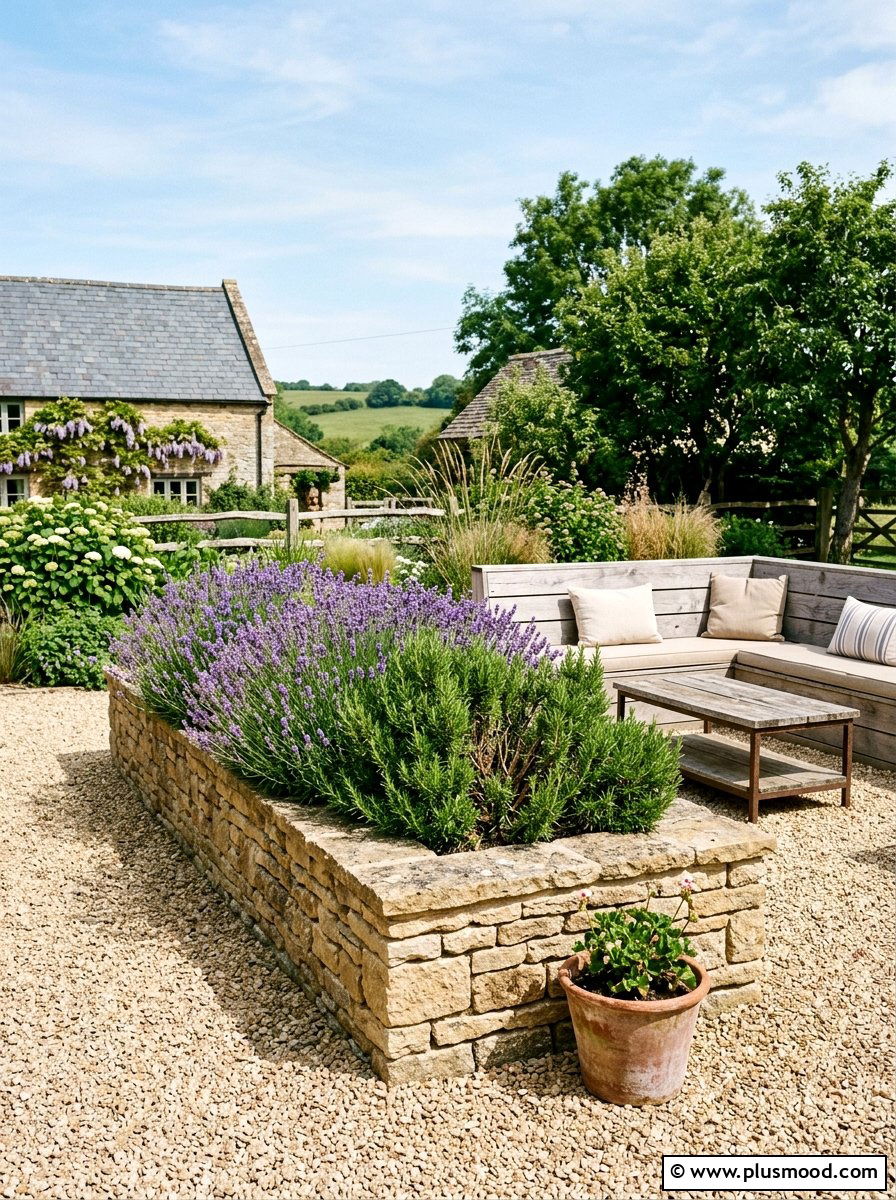
Stone raised beds provide a sense of permanence and timeless beauty that wood simply cannot match. Using natural fieldstone or stacked flagstone creates a rugged, earthy look that integrates perfectly with a traditional or cottage-style landscape. These structures are incredibly heavy and durable, meaning they will not shift or rot even after decades of exposure to the elements. The thick stone walls also act as a thermal mass, absorbing heat during the day and slowly releasing it at night to keep plant roots warm. This stability makes them an excellent choice for long-lived perennial plants or even small ornamental shrubs that define the garden structure.
9. Modern concrete planter
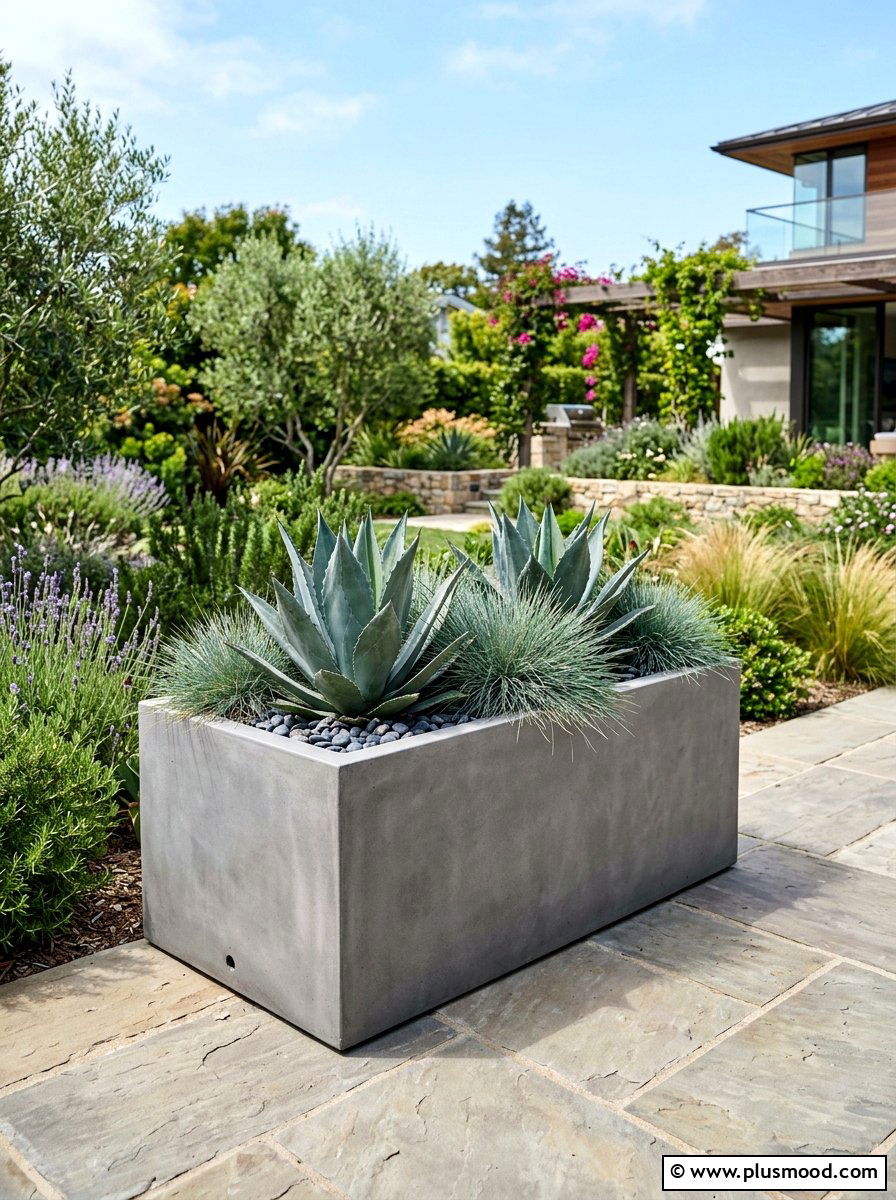
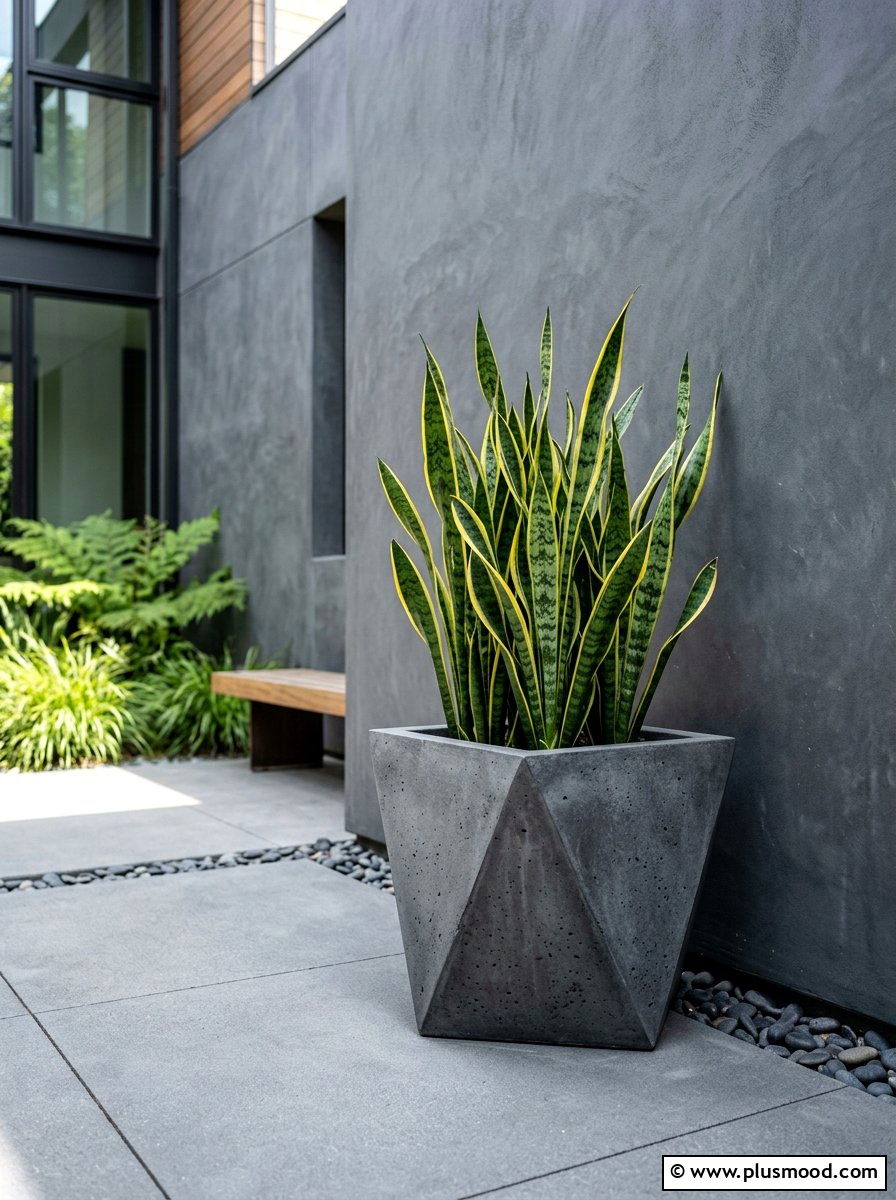
For those who prefer a minimalist or contemporary aesthetic, modern concrete planters offer clean lines and a sophisticated neutral palette. You can pour custom concrete forms to create built-in beds that perfectly match the dimensions of your patio or walkway. The smooth, cool surface of the concrete provides a striking contrast to the organic shapes of ornamental grasses or architectural succulents. These beds are virtually indestructible and can withstand extreme weather conditions without showing signs of wear. Because concrete is porous, it is important to seal the interior or use a liner to prevent the material from leaching too much moisture from the soil during dry spells.
10. Compact kitchen garden
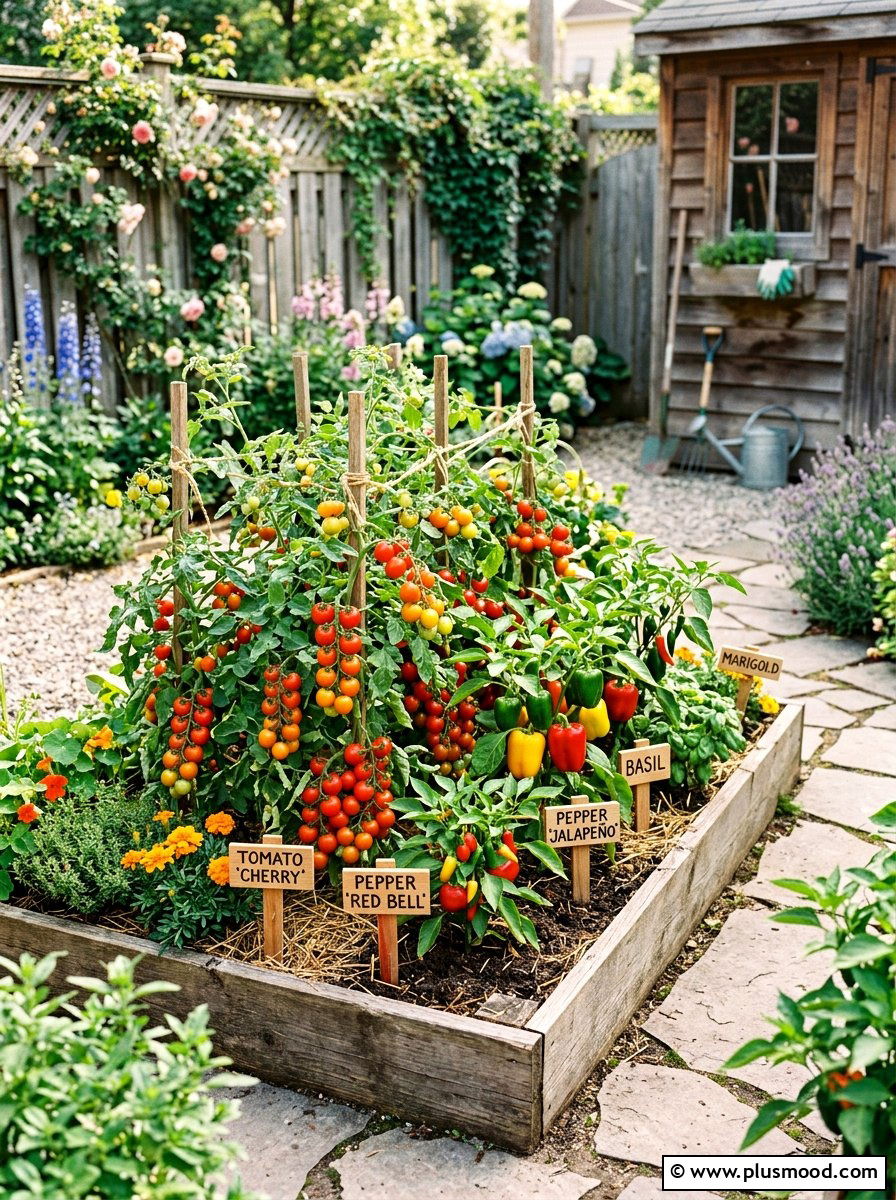
A compact kitchen garden is designed specifically for high-efficiency food production in a very small footprint. By using intensive planting techniques like Square Foot Gardening, you can grow a surprising amount of produce in just one or two raised beds. This approach focuses on high-yield crops that can be harvested continuously, such as kale, Swiss chard, and cherry tomatoes. Adding small decorative elements like hand-painted plant markers or a tiny birdbath makes the space feel personal and charming. It is a wonderful way to teach children about where their food comes from while providing your family with the freshest organic ingredients throughout the entire growing season.
11. Raised bed with seating
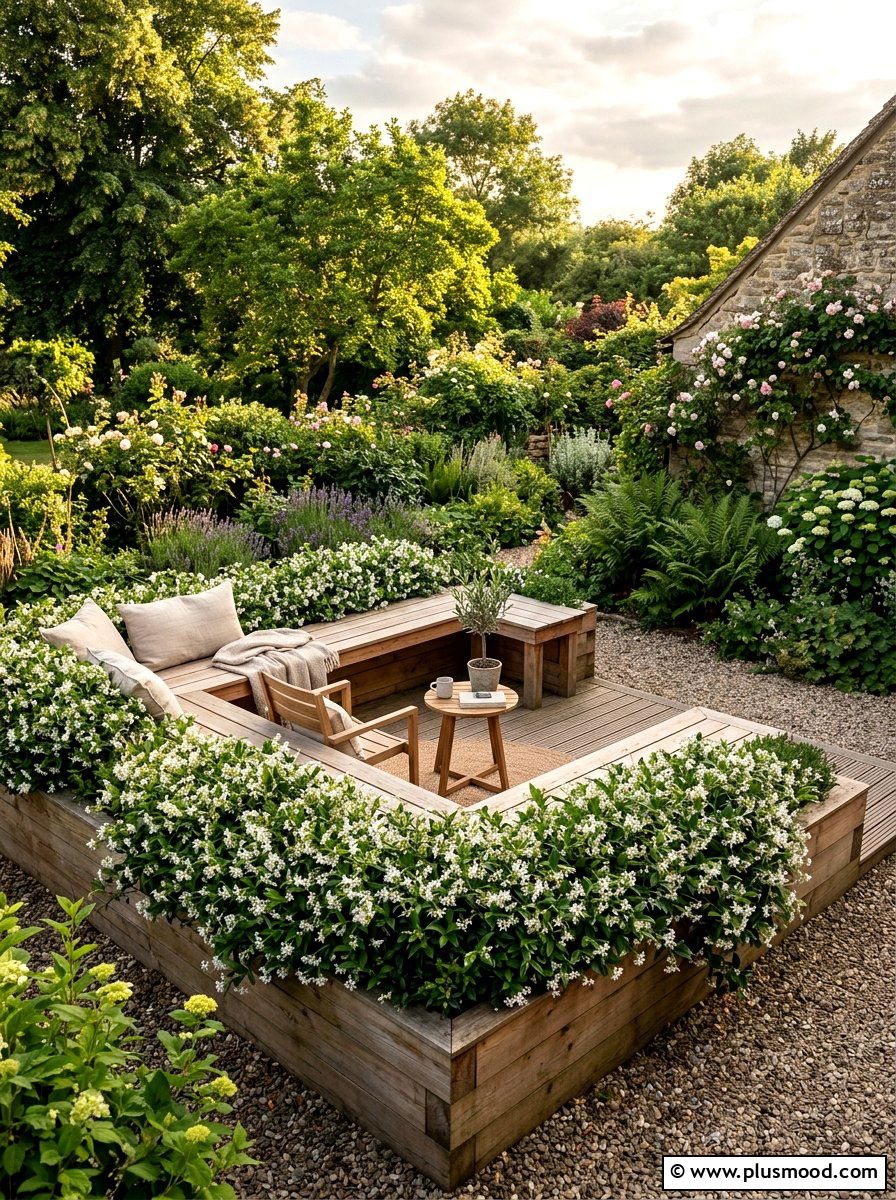
Incorporating a wide wooden cap on top of your raised bed turns the garden wall into a functional bench for guests. This dual-purpose design is a brilliant space-saver for small backyards because it eliminates the need for extra bulky furniture. You can sit directly next to your plants, enjoying the fragrance of the flowers or easily reaching down to pull a stray weed. This setup is particularly effective around a central fire pit or a small patio table, creating a cozy and integrated social area. The sturdy construction of the raised bed provides a solid foundation for the seating, making it a comfortable and permanent part of your landscape.
12. Trellis garden bed
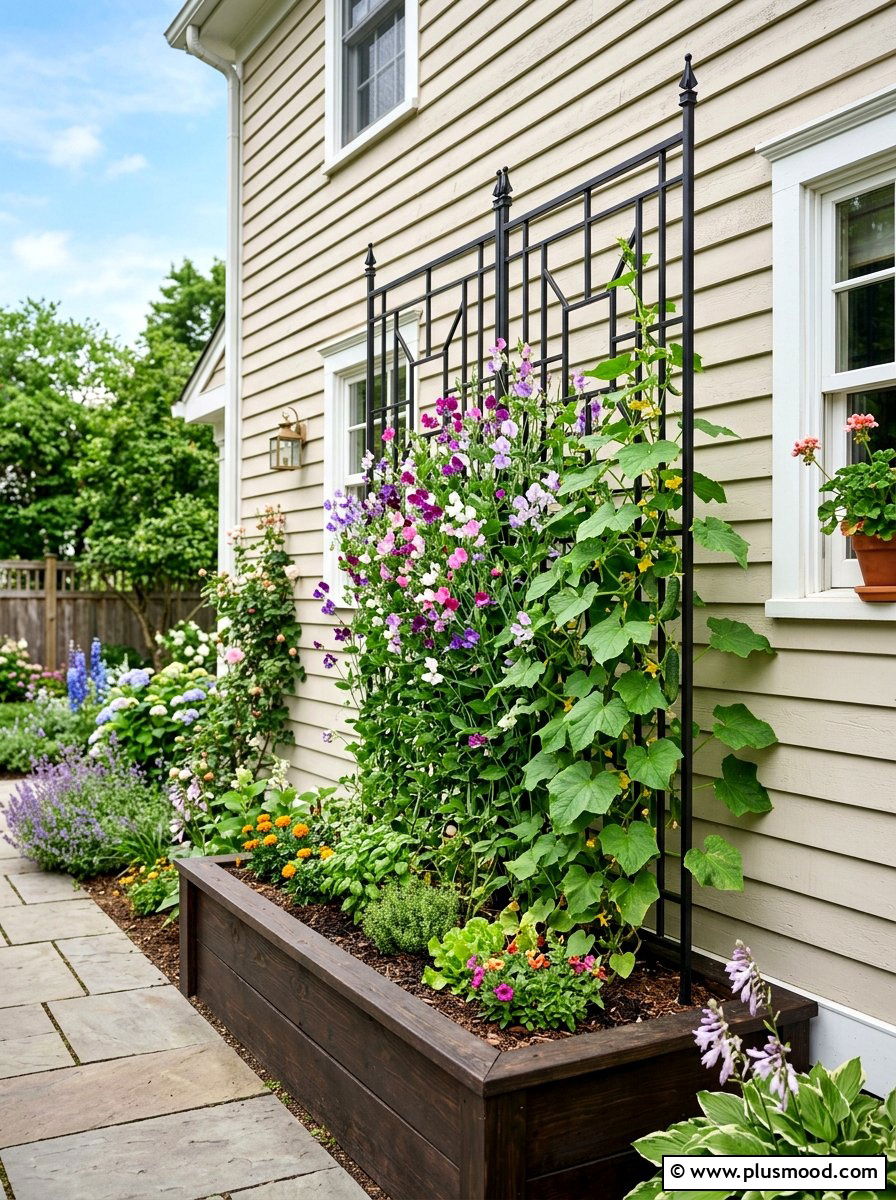
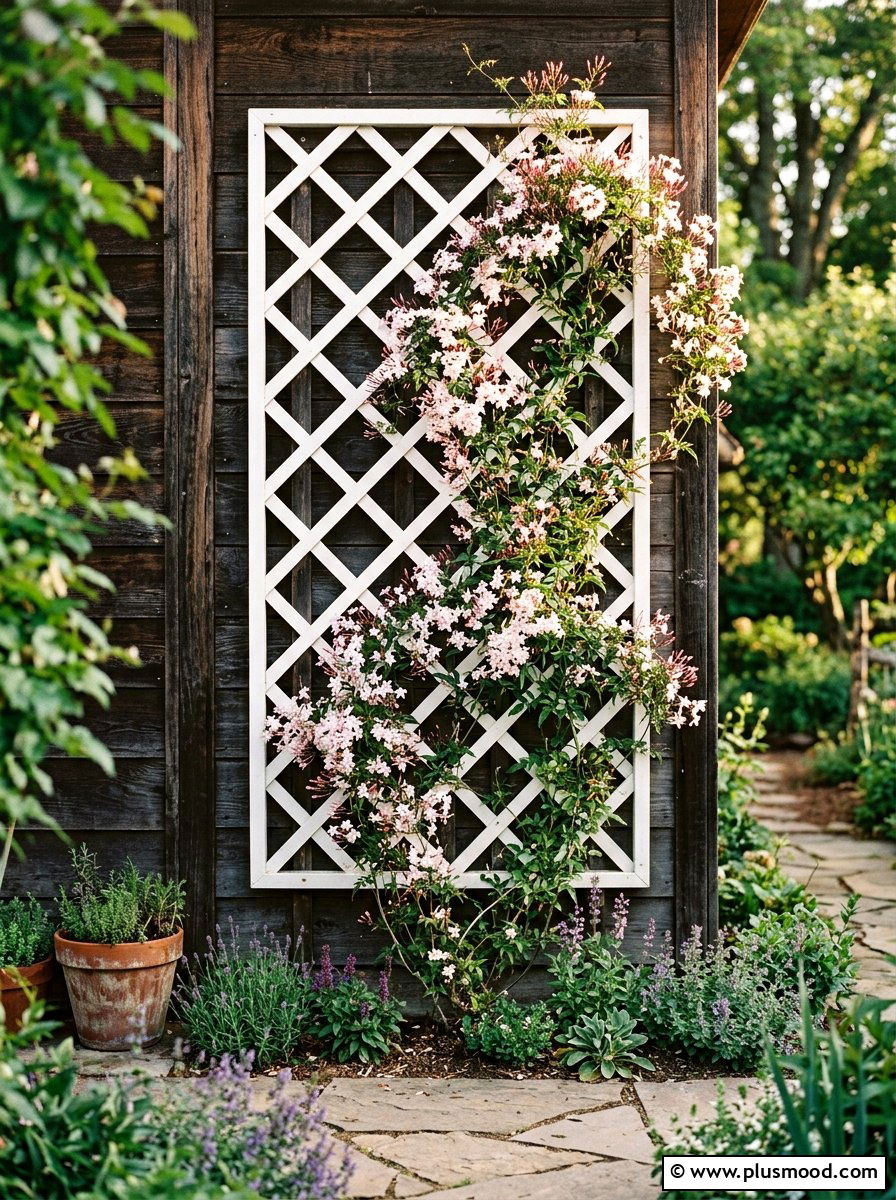
Adding a vertical trellis to the back of a raised bed allows you to grow climbing plants like cucumbers, pole beans, or flowering vines. This technique significantly increases your growing space without requiring any additional ground area, which is vital for small backyards. The trellis also acts as a living privacy screen, blocking the view of nearby houses while adding a lush green wall to your sanctuary. You can choose from simple wooden lattices, modern metal grids, or even rustic cattle panels depending on your style. Watching your plants climb upward adds a dynamic sense of movement and height to the garden, making the entire space feel more immersive.
13. Multi level garden
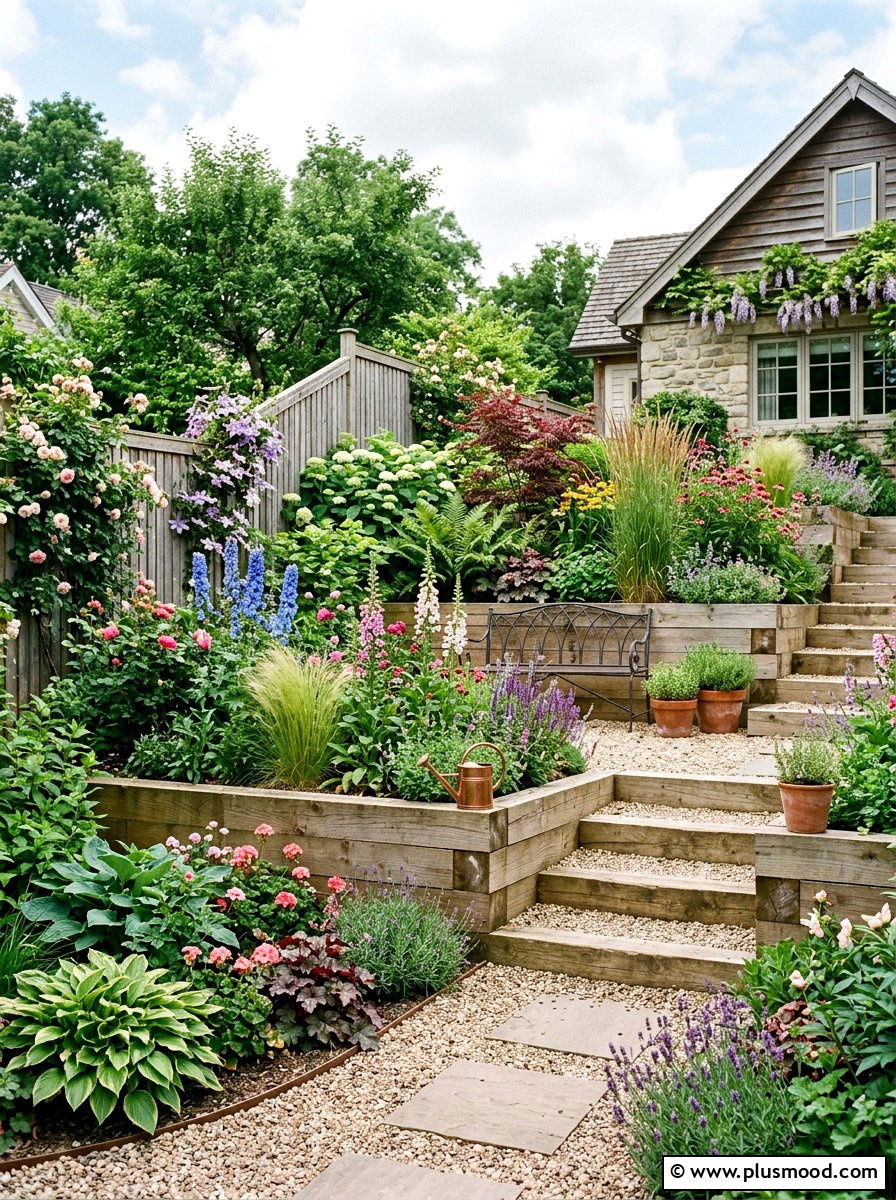
A multi level garden uses beds of varying heights to create visual depth and a sense of architectural complexity in a small lot. By placing taller beds in the back and shorter ones in the front, you ensure that every plant receives maximum sunlight and visibility. This arrangement mimics the natural layers of a forest, providing diverse habitats for beneficial insects and pollinators. The different elevations also make it easy to separate various types of plants, such as keeping moisture-loving ferns in a lower, cooler bed and sun-drenched succulents in a higher one. This layered look transforms a flat backyard into a more interesting and textured environment.
14. Narrow side yard garden
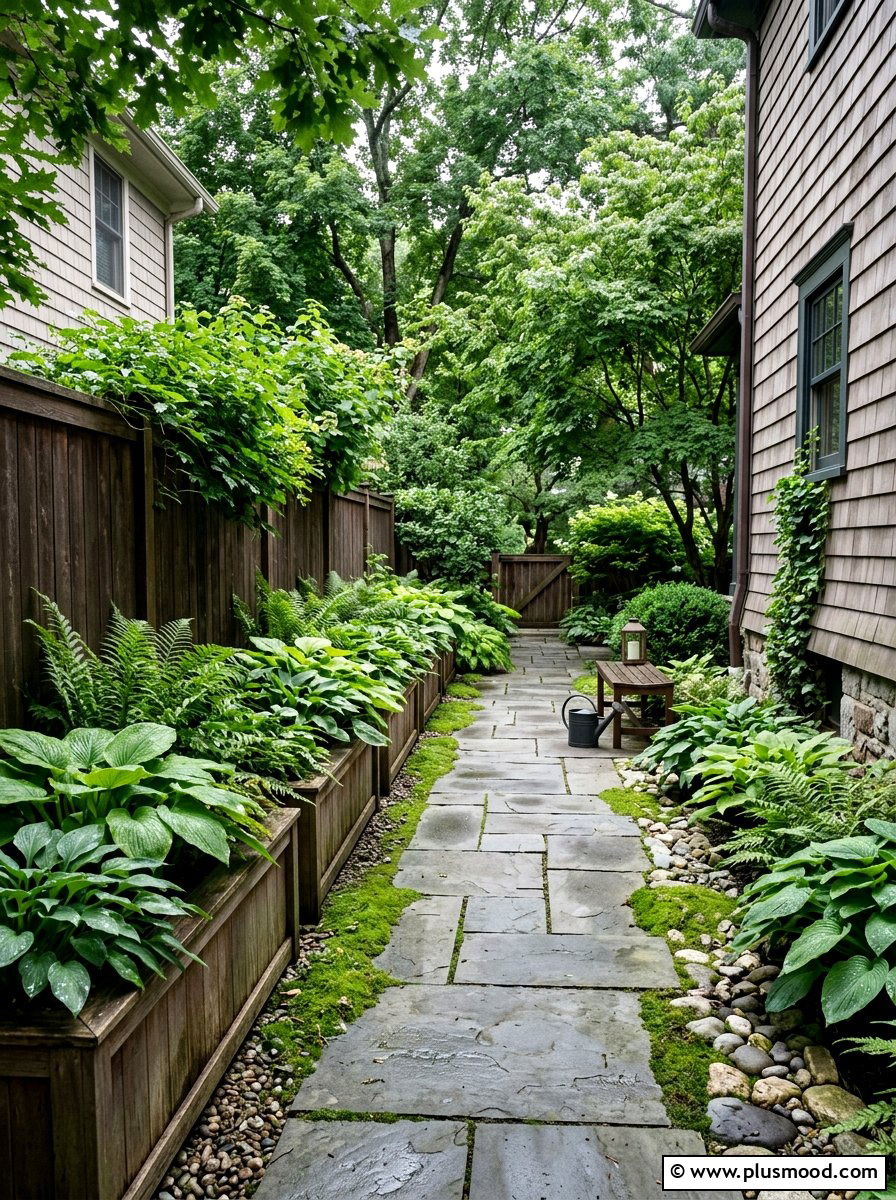
Side yards are frequently treated as wasted space, but they are actually the perfect location for long, narrow raised beds. By installing a series of slim planters along the fence line, you can turn a boring walkway into a productive and beautiful garden path. This setup works best with plants that do not grow too wide, such as upright herbs, tall flowers, or even espaliered fruit trees. Using light-colored materials for the beds can help brighten up these often-shaded areas, making the passage feel wider and more inviting. It is an excellent way to use every inch of your property for greenery while maintaining a clear walking path.
15. Enclosed vegetable garden
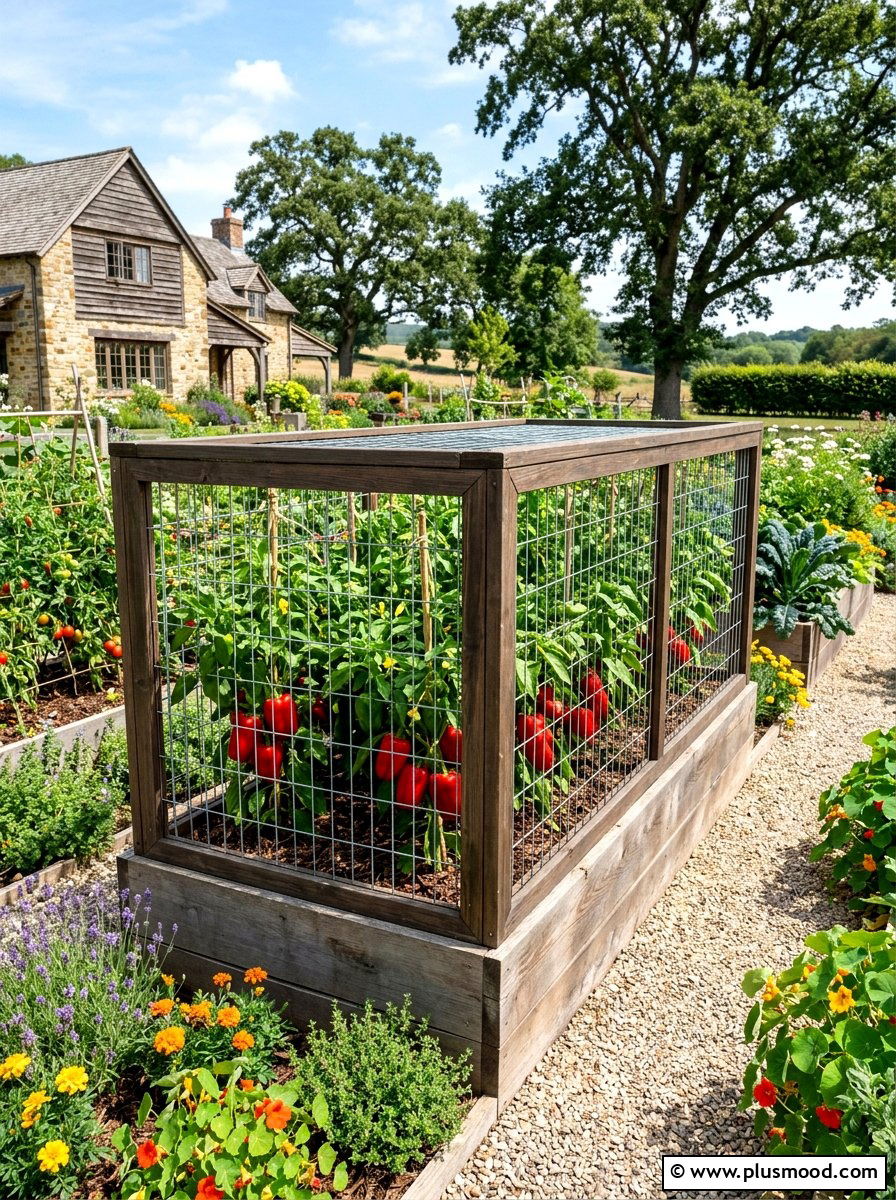
If you live in an area with curious wildlife or roaming pets, an enclosed vegetable garden provides much-needed protection for your crops. You can build a simple wooden frame around your raised beds and cover it with fine mesh or bird netting to keep intruders out. This structure can be designed to look quite elegant, resembling a small greenhouse or a traditional English fruit cage. The enclosure also helps to break the wind, creating a slightly warmer microclimate that can benefit delicate plants like peppers or eggplants. Having a dedicated, protected space allows you to garden with peace of mind, knowing your harvest is safe from local critters.
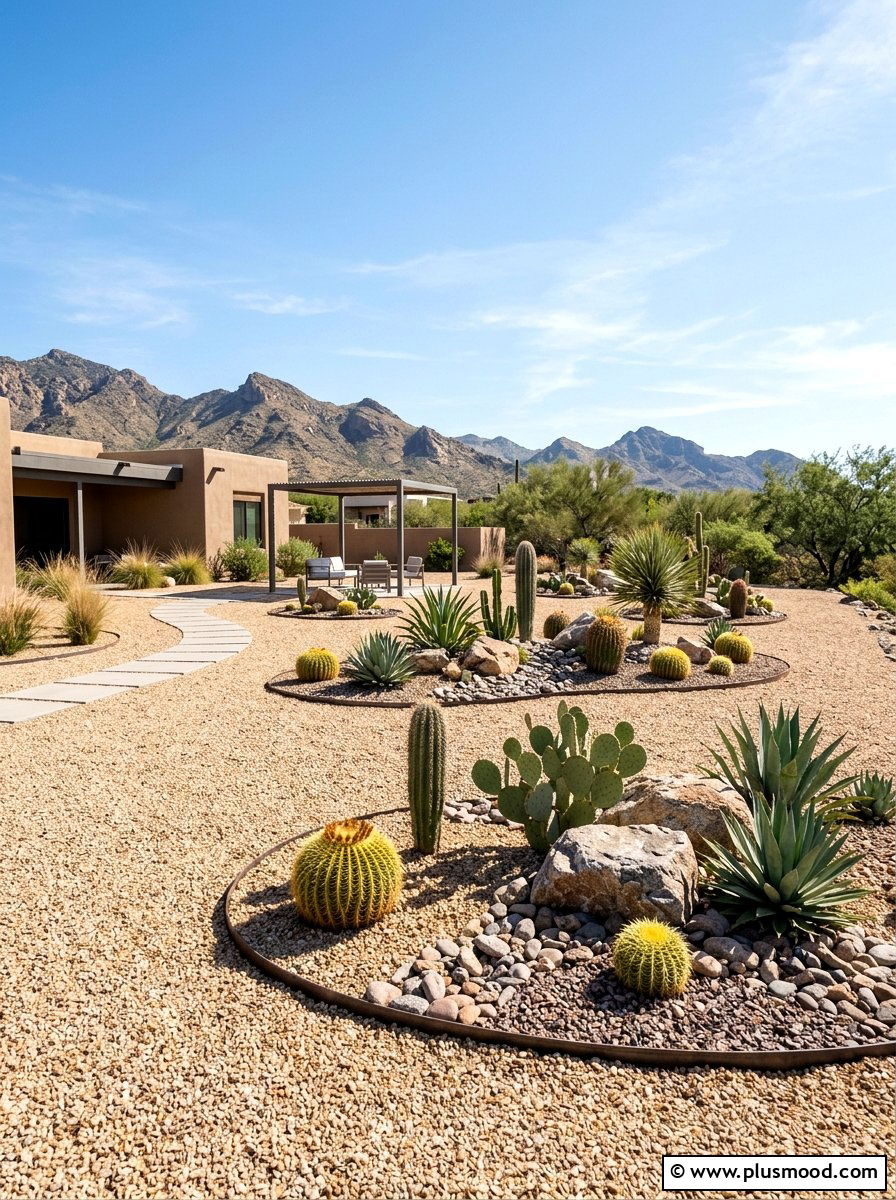
16. Flower bed border
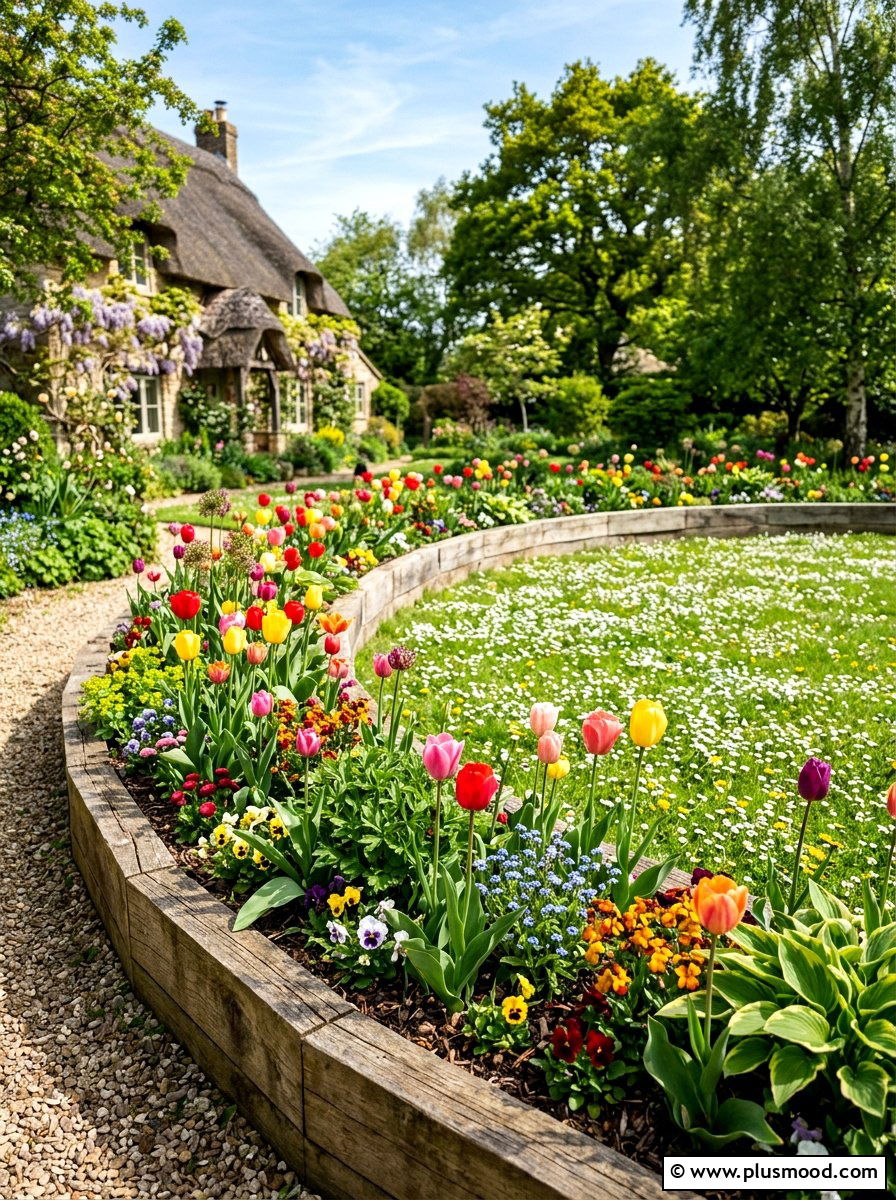
Using raised beds to create a defined border around the perimeter of your backyard adds structure and a polished look to the landscape. These borders can be filled with a mix of perennial flowers, ornamental grasses, and small shrubs to provide year-round interest and color. Raising the flower beds slightly above the lawn level prevents grass from creeping into your garden and makes edging much simpler. This design choice helps to frame the central area of your yard, making it feel more like a deliberate outdoor room rather than just a patch of grass. It also provides a clear transition between the functional lawn and the decorative planting zones.
17. Greenhouse raised bed
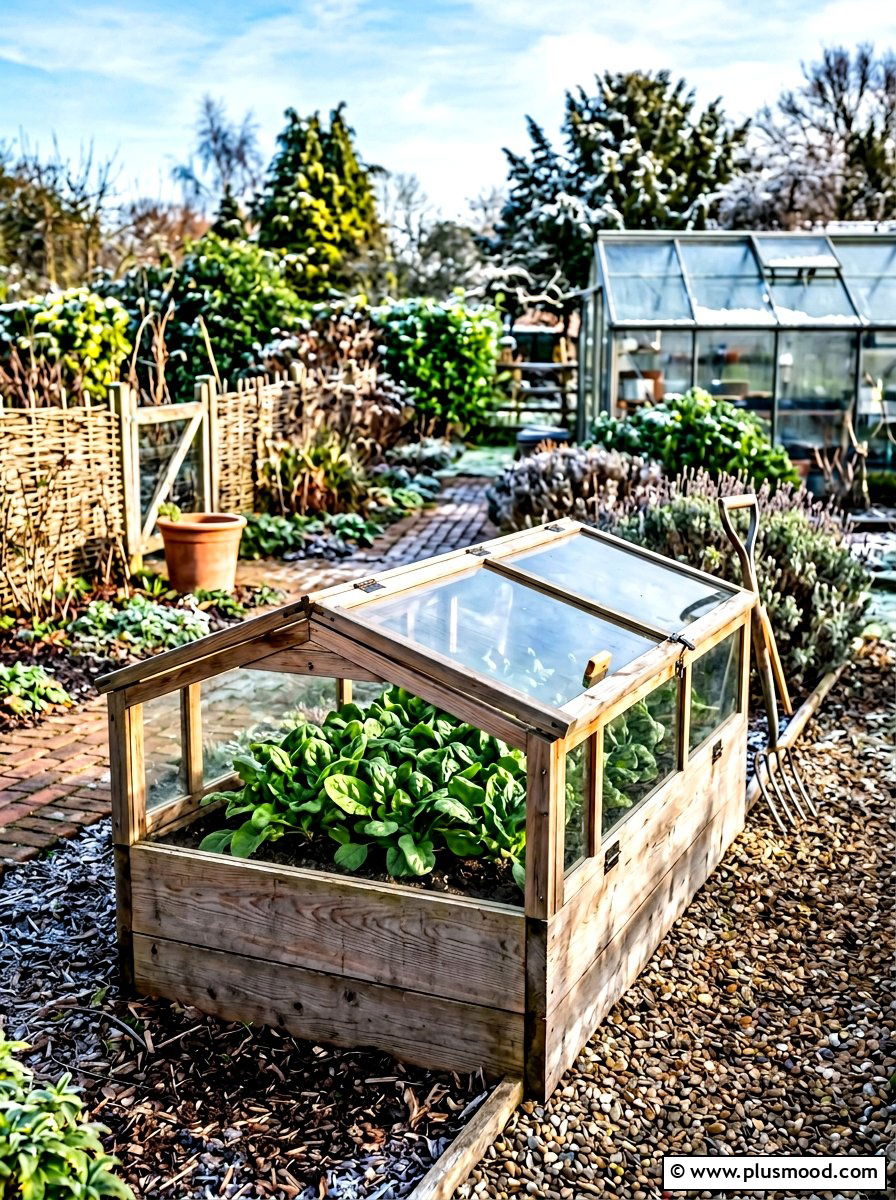
Integrating a cold frame or a small greenhouse cover directly onto your raised bed allows you to extend your growing season into the winter months. These covers trap solar heat and protect tender plants from frost, enabling you to harvest fresh greens even when there is snow on the ground. During the heat of summer, the frame can be covered with shade cloth to prevent your lettuce from bolting or your tomatoes from scorching. This versatility makes the greenhouse bed one of the most productive tools for a small-scale gardener. The transparent covers also add a charming, glass-house aesthetic that looks very professional and high-end in a small backyard.
18. Brick garden wall
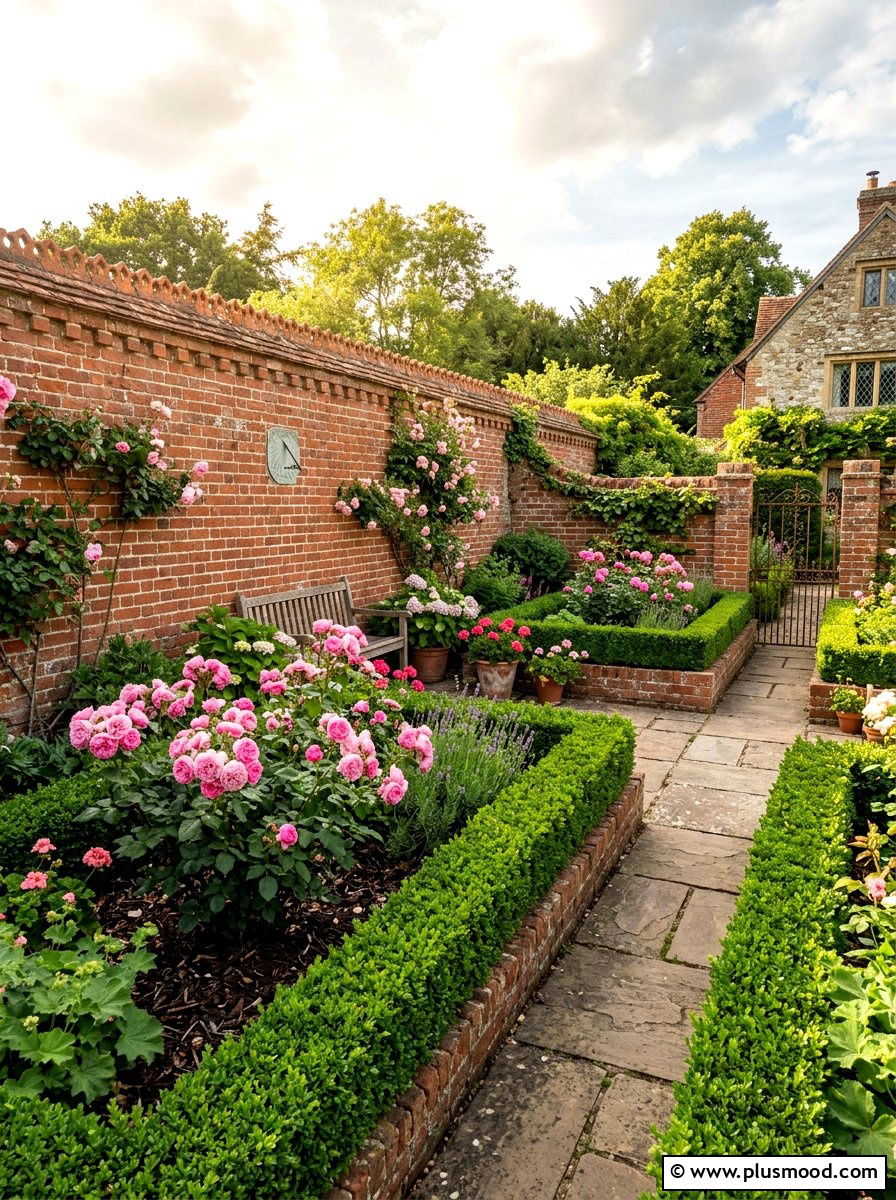
Brick is a classic landscaping material that offers a traditional and sturdy feel to any raised garden project. You can use reclaimed bricks to add a sense of history and character, or new bricks for a more uniform and clean appearance. The red or tan tones of the brick provide a beautiful backdrop for deep green foliage and vibrant floral blooms. Because brick is a modular material, you can easily create curved or circular beds that soften the harsh lines of a rectangular backyard. Mortared brick walls are incredibly long-lasting and provide a solid structure that can even support heavy soil and large ornamental trees if designed correctly.
19. Self watering planter
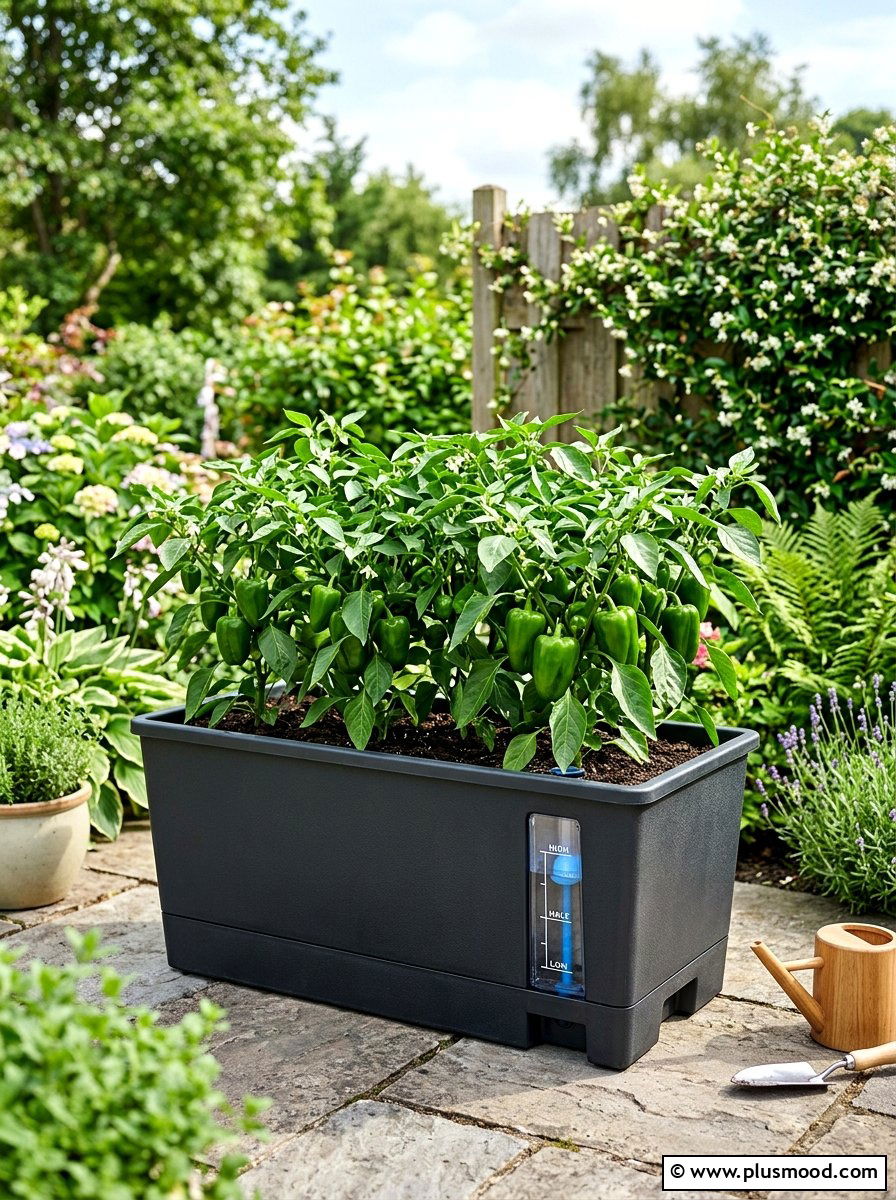
A self watering planter is a game-changer for busy homeowners who want a thriving garden but may not have time for daily watering. These raised beds feature a built-in reservoir at the bottom that provides consistent moisture to the plant roots through capillary action. This system prevents the common problem of over-watering or under-watering, leading to healthier and more productive plants. It is especially useful for small backyards that get very hot in the summer, as the reservoir keeps the soil cool and hydrated even during heatwaves. Many of these units are portable or modular, allowing you to rearrange your garden layout whenever you feel like changing your outdoor look.
20. Decorative rock garden
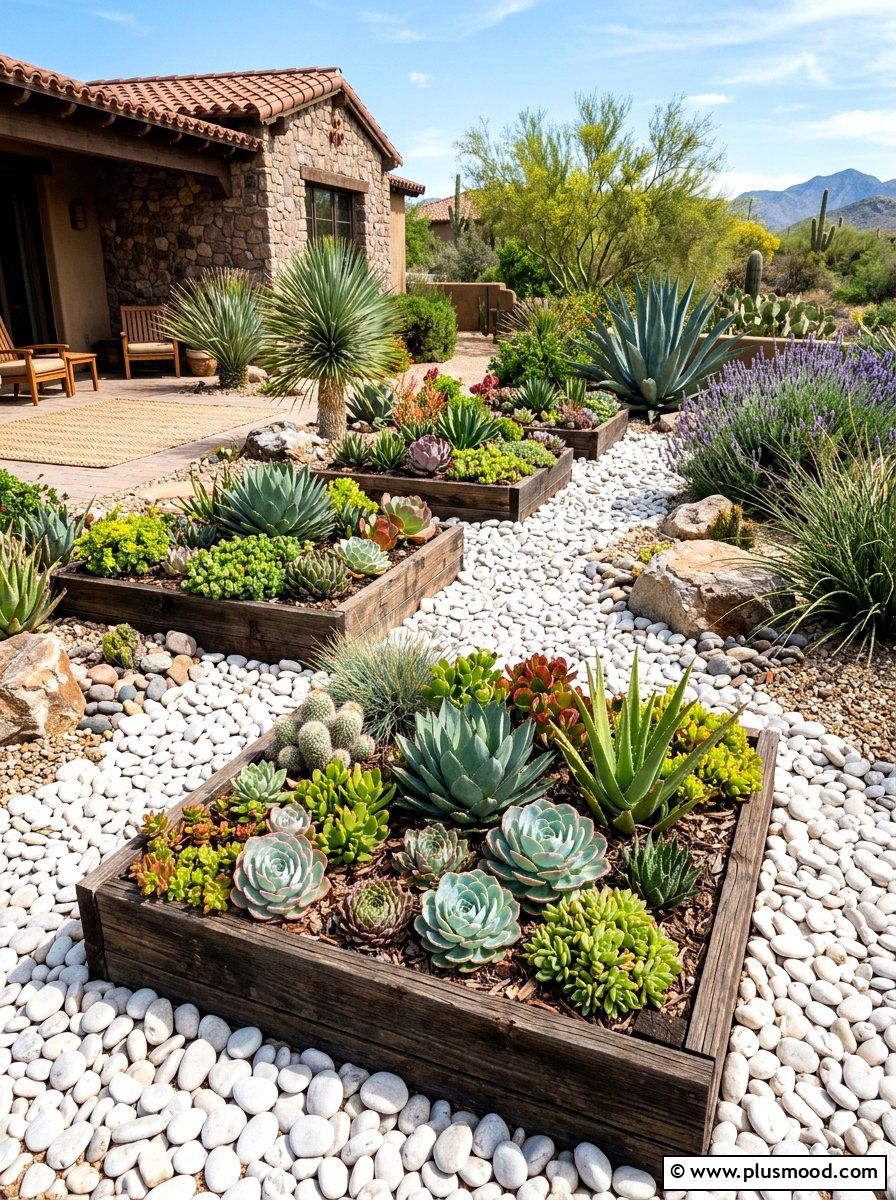
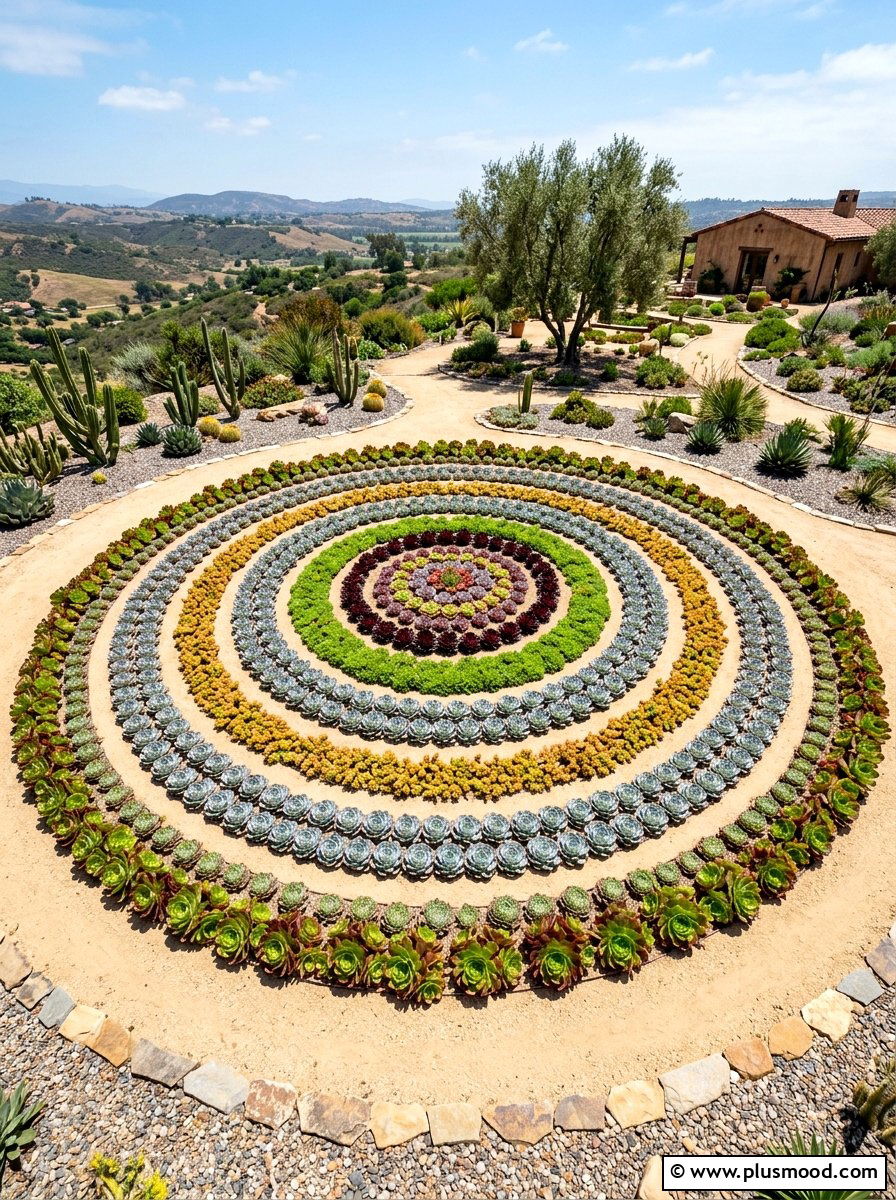
Combining raised beds with a decorative rock garden creates a low-maintenance landscape that is both beautiful and drought-tolerant. You can fill the raised sections with succulents, alpine plants, or Mediterranean herbs that thrive in rocky, well-draining environments. Surrounding the beds with pea gravel, river rocks, or large boulders adds a rugged and naturalistic texture to the space. This style is perfect for small backyards where you want a high-impact look without the constant need for mowing or heavy irrigation. The contrast between the structured beds and the loose stones creates a sophisticated, zen-like atmosphere that encourages relaxation and mindfulness in your private outdoor sanctuary.
21. Paver patio garden
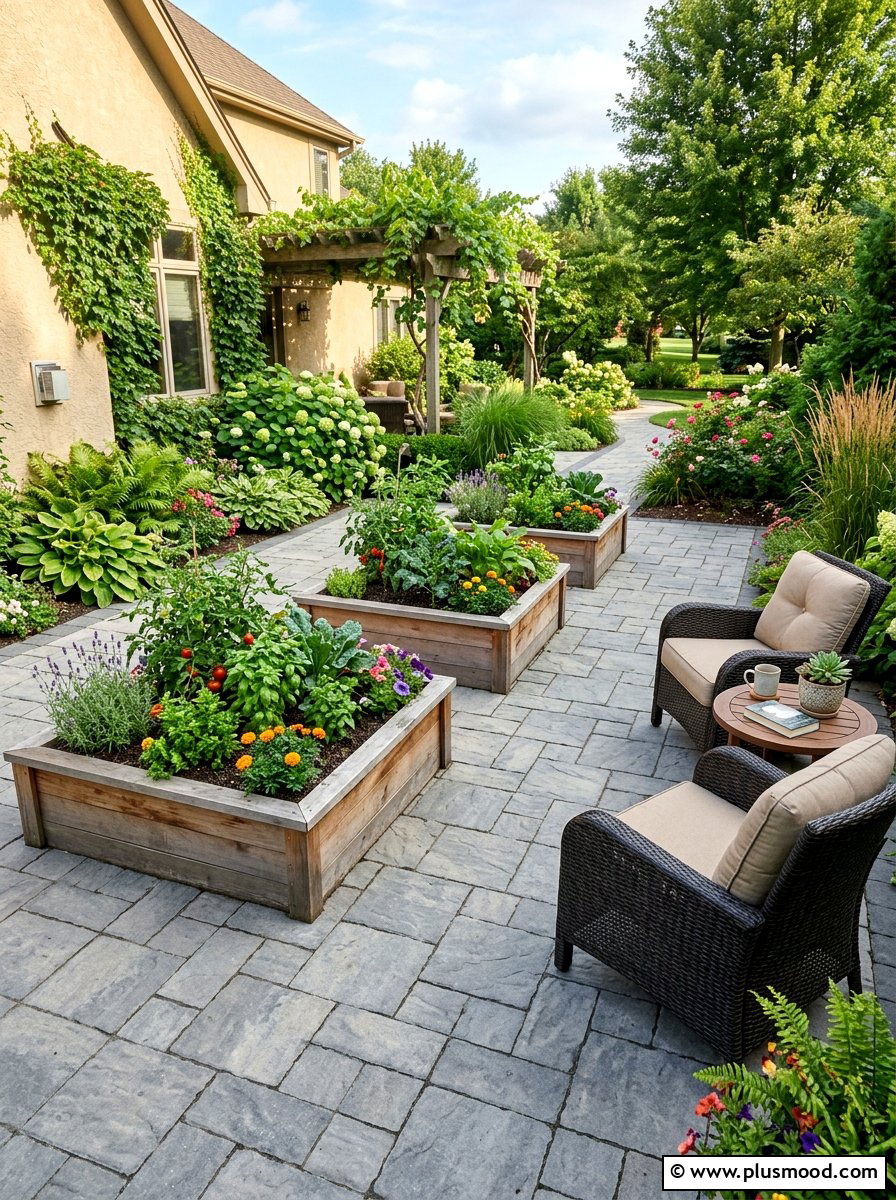
If your backyard consists mostly of a paver patio, you can still enjoy a lush garden by placing raised beds directly on top of the stones. This approach allows you to soften the hardscape with greenery without having to tear up your existing patio. Using materials that complement the color of your pavers will help the beds feel like a built-in part of the original design. These planters act as natural dividers, creating separate zones for dining, lounging, or cooking. Because they are on a flat surface, maintenance is incredibly easy, and you never have to worry about mud or uneven ground when you are working in your garden.
22. Small potting station
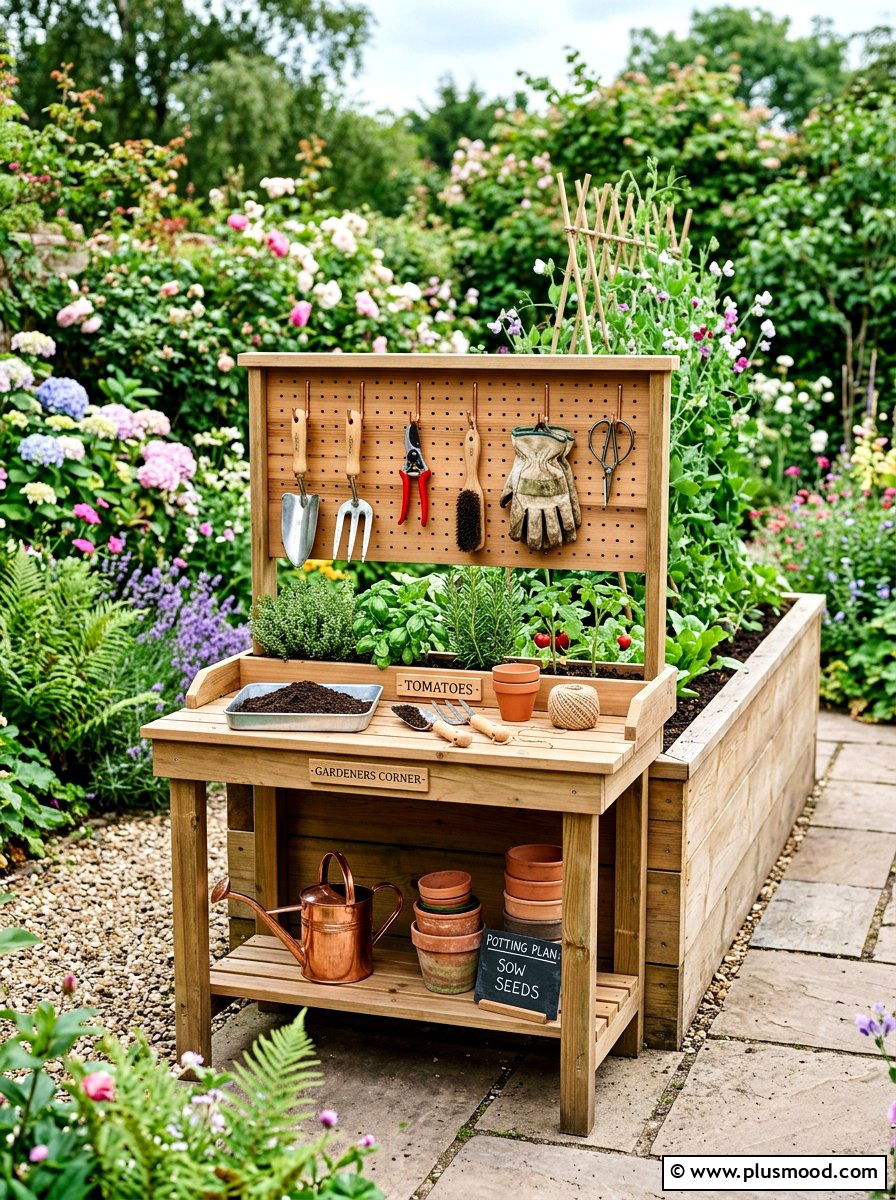
A small potting station integrated with a raised bed provides a dedicated workspace for all your gardening tasks. You can design a section of the bed with a flat wooden surface for transplanting seedlings, mixing soil, or organizing your hand tools. This keeps all your gardening supplies in one convenient location, reducing clutter in the rest of your small backyard. Having a waist-high workspace is much more ergonomic than hunched over on the ground, making your time in the garden more enjoyable. You can even add small hooks or shelves to the side of the station to keep your gloves and watering can within easy reach at all times.
23. Elevated planter box
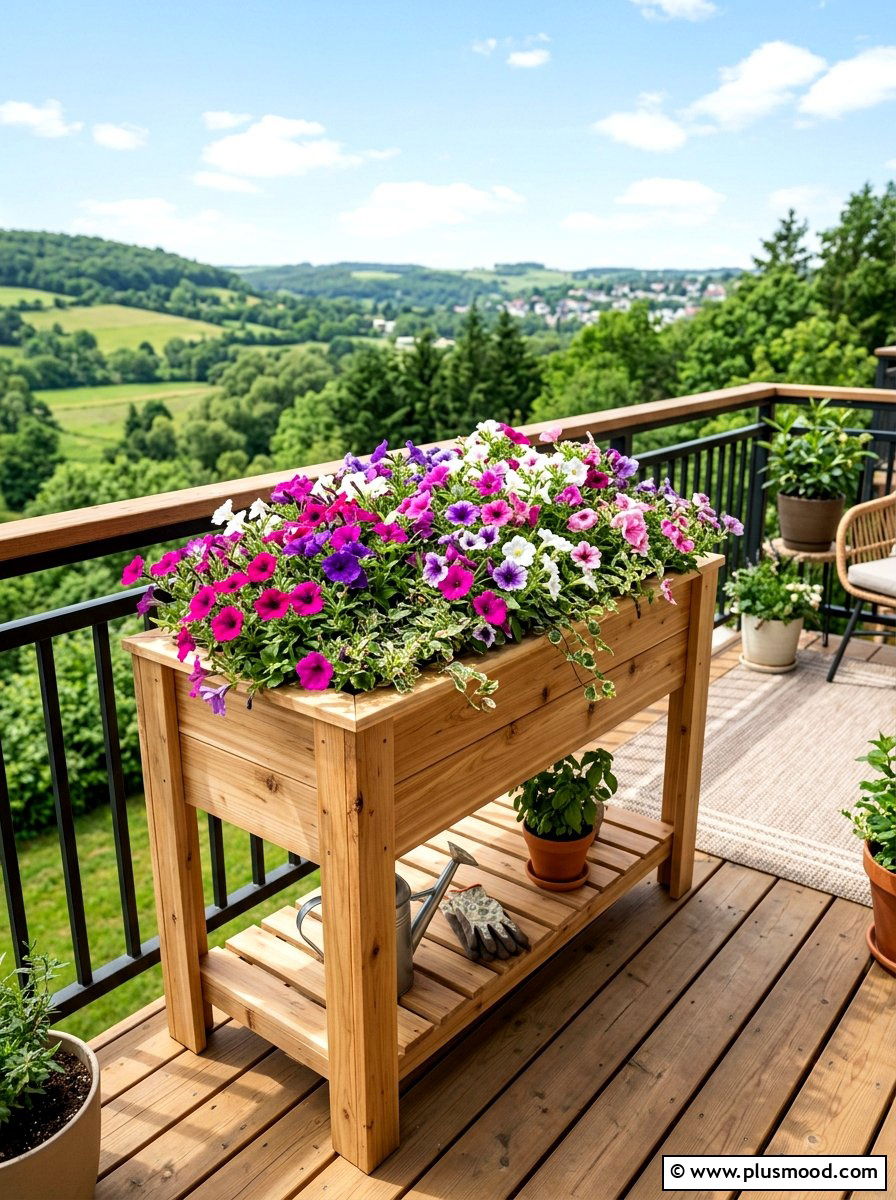
Elevated planter boxes are raised on legs, bringing the garden up to waist height or higher for maximum accessibility. This design is perfect for seniors or anyone with mobility issues, as it completely eliminates the need for bending or kneeling. In a small backyard, the open space beneath the planter can be used to store extra pots, watering cans, or bags of soil, keeping the area tidy. These boxes are also excellent for preventing pests like rabbits or slugs from reaching your vegetables. Their portable nature means you can move them around to follow the sun throughout the seasons, ensuring your plants always get the best possible light.
24. Recycled wood bed
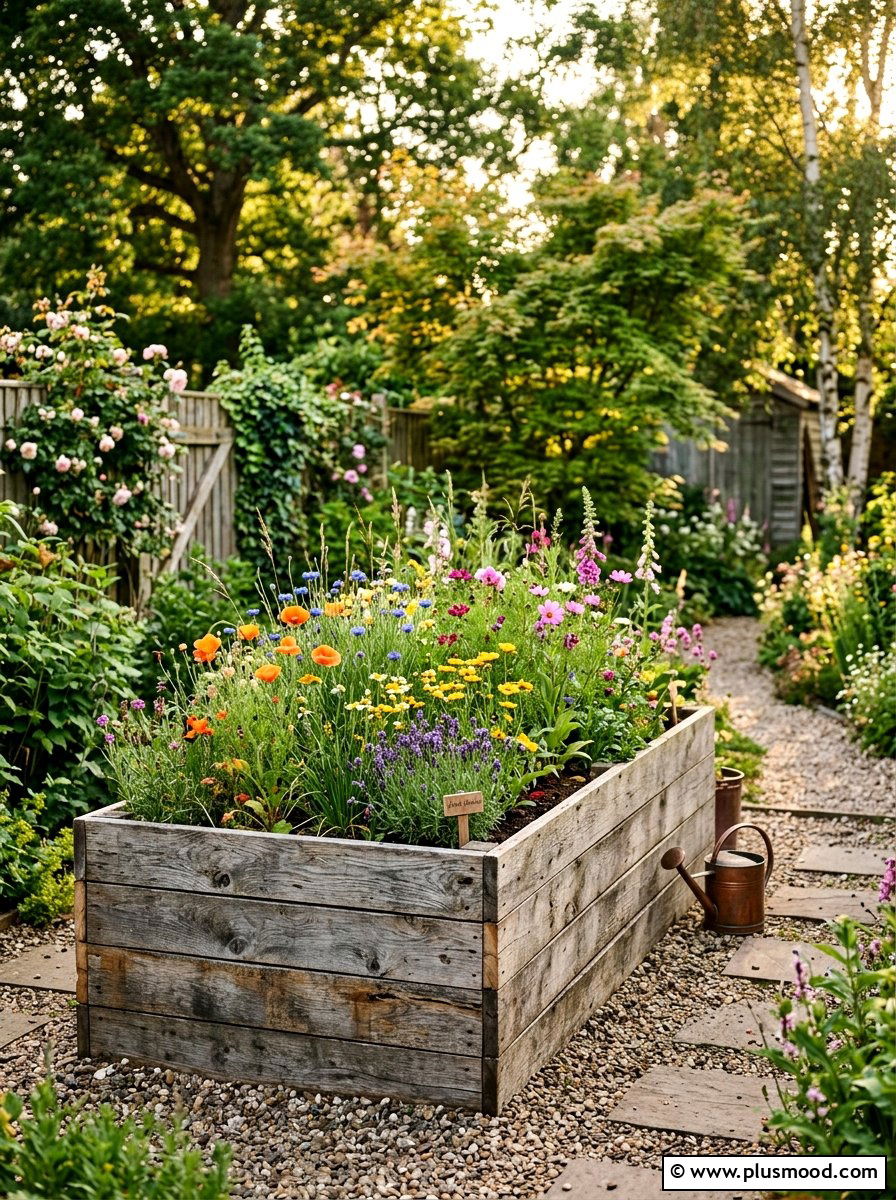
Using recycled wood, such as old pallets or reclaimed barn boards, is an eco-friendly and budget-conscious way to build your raised garden. This rustic style adds a lot of personality and unique texture to a small backyard, making it feel more like a handcrafted retreat. It is important to ensure that any recycled wood you use is heat-treated rather than chemically treated to ensure it is safe for growing edible plants. Lining the interior with landscape fabric can help protect the wood and extend the life of your beds. The slightly mismatched look of reclaimed timber provides a lived-in, charming aesthetic that pairs beautifully with wildflowers and heirloom vegetables.
25. Compact orchard layout
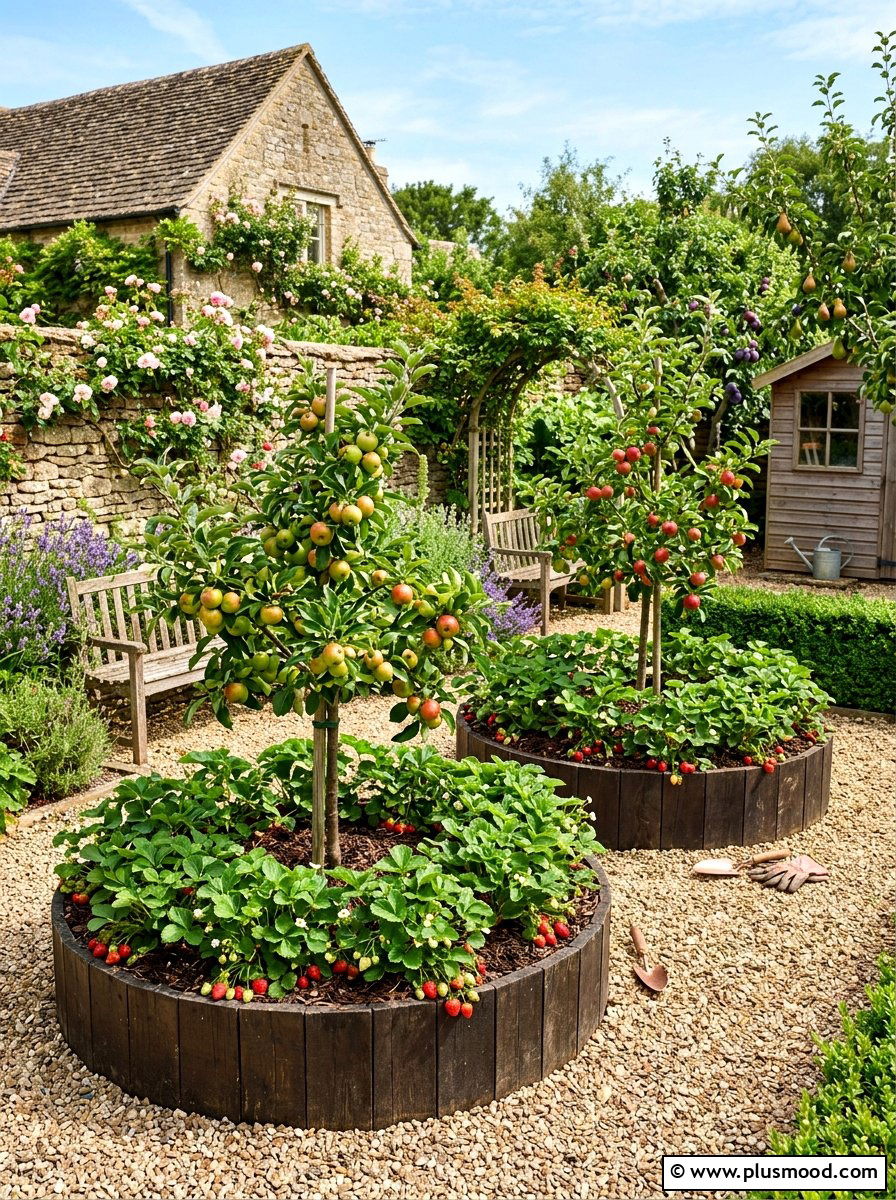
Even in a small backyard, you can enjoy fresh fruit by creating a compact orchard layout using raised beds. Dwarf or columnar fruit trees are specifically bred to grow in confined spaces and thrive when planted in large, deep raised containers. You can underplant the trees with strawberries or pollinator-friendly flowers to create a miniature ecosystem that is both beautiful and productive. This vertical approach to fruit growing allows you to have apples, pears, or citrus even if you only have a few square feet of sun. The structure of the raised bed ensures the trees have the rich, specialized soil they need to produce a heavy harvest of delicious homegrown fruit.
Conclusion:
Transforming a small backyard into a functional and beautiful garden is a rewarding project that significantly enhances your home's value and your quality of life. Raised beds are the most versatile tools for achieving this, offering solutions for poor soil, limited space, and physical accessibility. By carefully selecting the materials and layouts that match your personal style, you can create a unique outdoor sanctuary that provides fresh food and stunning views. Whether you start with a single herb planter or a full multi-level vegetable patch, the benefits of gardening in an elevated environment are immediate and long-lasting. Embrace the potential of your small space and enjoy the peaceful satisfaction of watching your very own garden grow and flourish throughout the seasons.
Related posts:
Leave a Reply