
Transforming a modest outdoor space into a lush sanctuary is entirely possible when you utilize the strategic structure of raised beds. Many homeowners feel limited by square footage, yet these elevated planting solutions offer a controlled environment that maximizes every inch of soil. Whether you want to grow organic vegetables, fragrant herbs, or vibrant perennials, raised beds provide better drainage, warmer soil temperatures, and less strain on your back. This guide explores creative ways to organize your small backyard to ensure it feels expansive and productive. By choosing the right materials and layouts, you can create a functional garden that serves as a beautiful focal point for your home.
1. Tiered Wooden Planter
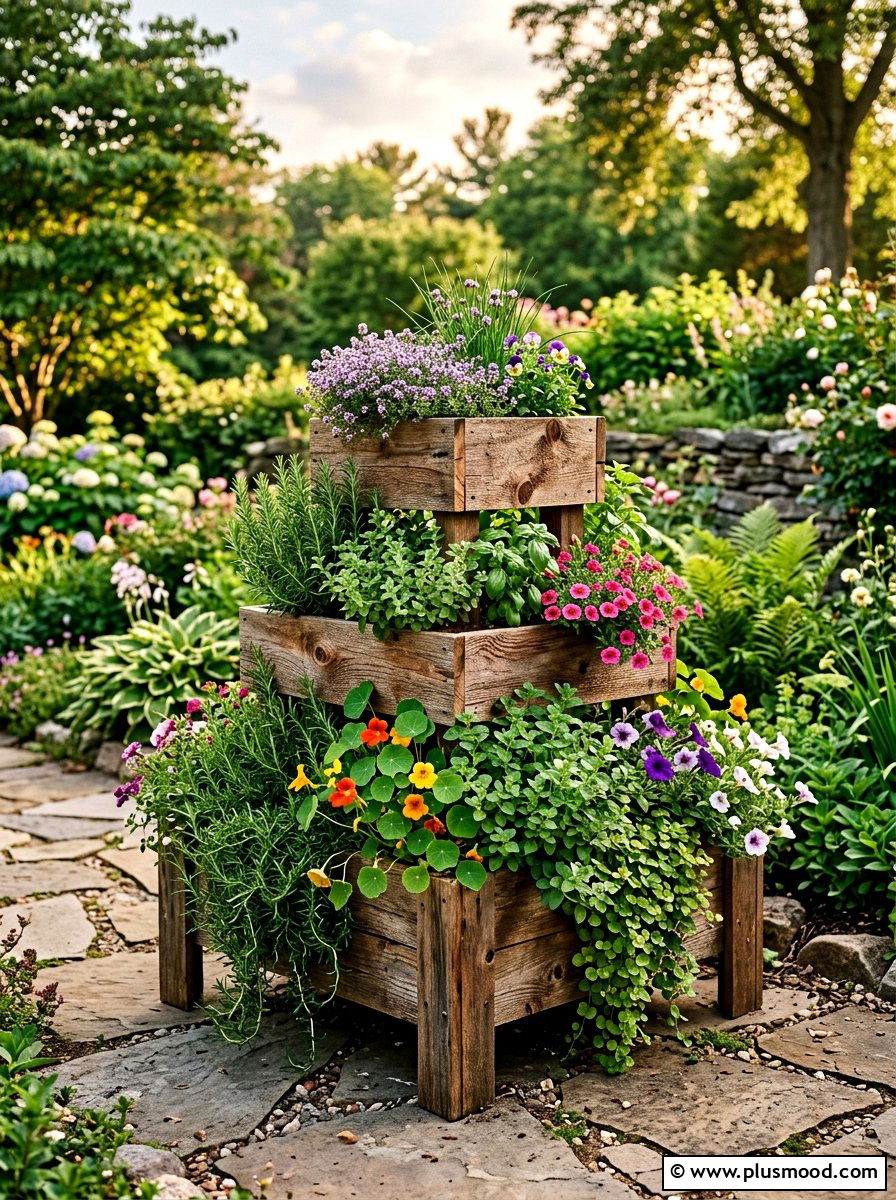
A tiered wooden planter is a fantastic solution for small backyards where vertical space is more available than horizontal ground. By stacking levels of cedar or redwood, you can grow a variety of plants in a very compact footprint. This design allows for shallow-rooted herbs on the top levels and deeper-rooted vegetables at the base. The cascading effect of greenery falling over the wooden edges creates a lush, wall-like appearance that adds depth to a patio or fence line. Maintenance becomes much easier because you can reach different levels without bending over too far, making it an ergonomic choice for many homeowners who enjoy daily gardening tasks.
2. Corten Steel Garden Bed
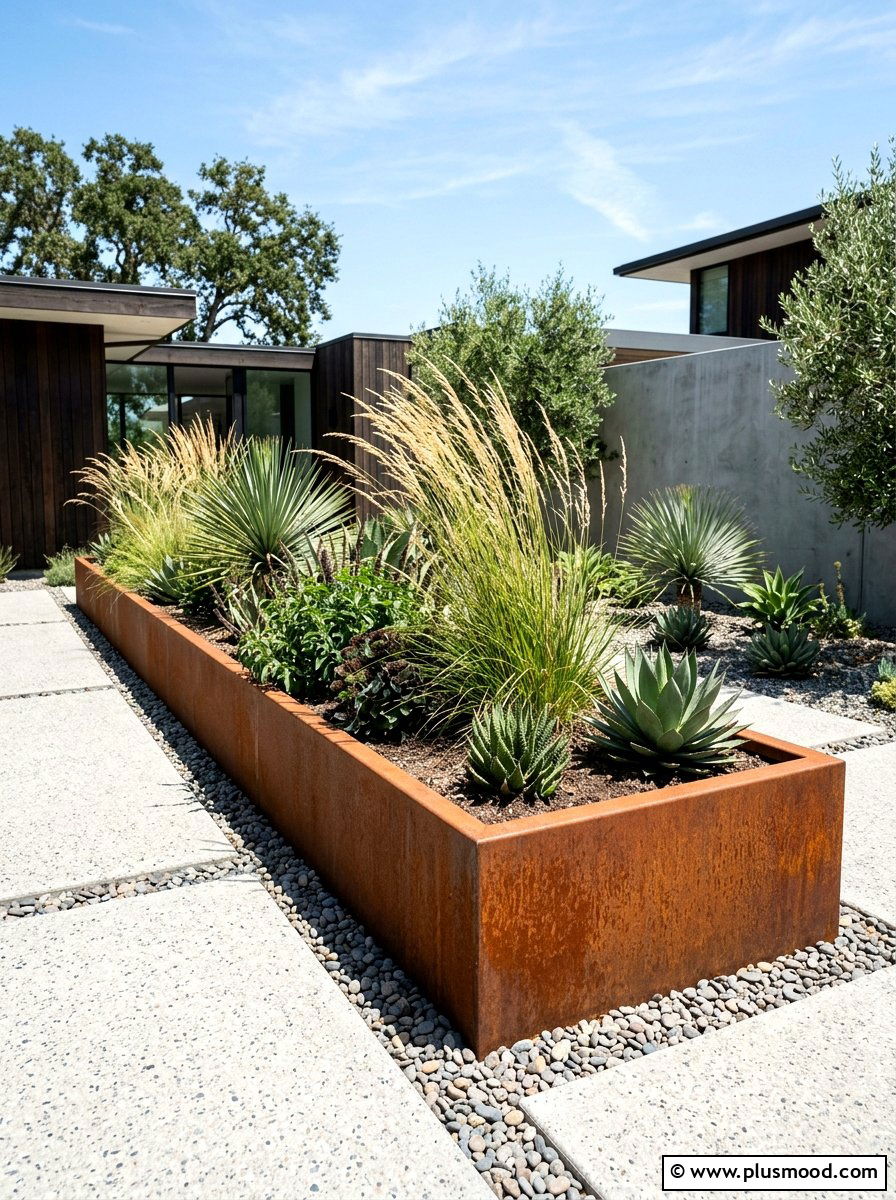
Corten steel garden beds offer a modern and industrial aesthetic that looks incredibly striking in contemporary small backyards. This material is prized for its weather-resistant properties, as it develops a protective rust-like patina over time that prevents further corrosion. The thin profile of the steel walls allows for more planting space compared to thick timber or stone alternatives. Because the metal conducts heat, it can help warm the soil earlier in the spring, giving your seedlings a significant head start. These beds are durable, long-lasting, and provide a clean, minimalist edge that defines your garden zones while requiring almost zero maintenance throughout the changing seasons.
3. L-shaped Cedar Box
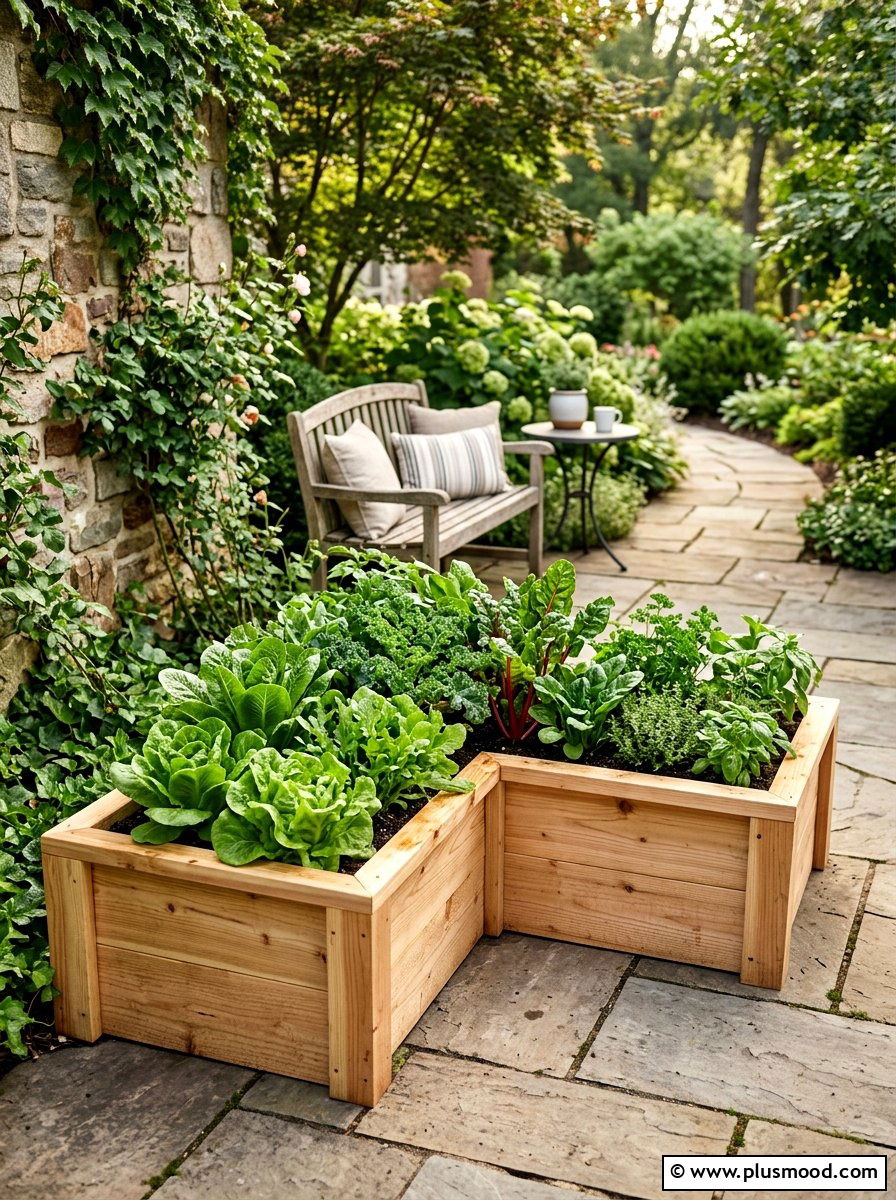
An L-shaped cedar box is the perfect way to utilize tight corners that often go to waste in smaller yards. This configuration hugs the perimeter of your space, leaving the center open for a small seating area or a bit of lawn. Cedar is naturally resistant to rot and insects, which makes it an ideal choice for long-term outdoor use without the need for harsh chemical treatments. The corner design provides a large planting surface while maintaining easy access to every plant from the sides. It creates a cozy, wrapped-in feeling for your patio, making the entire backyard feel like a private and intentional outdoor room.
4. Vertical Tiered Planter
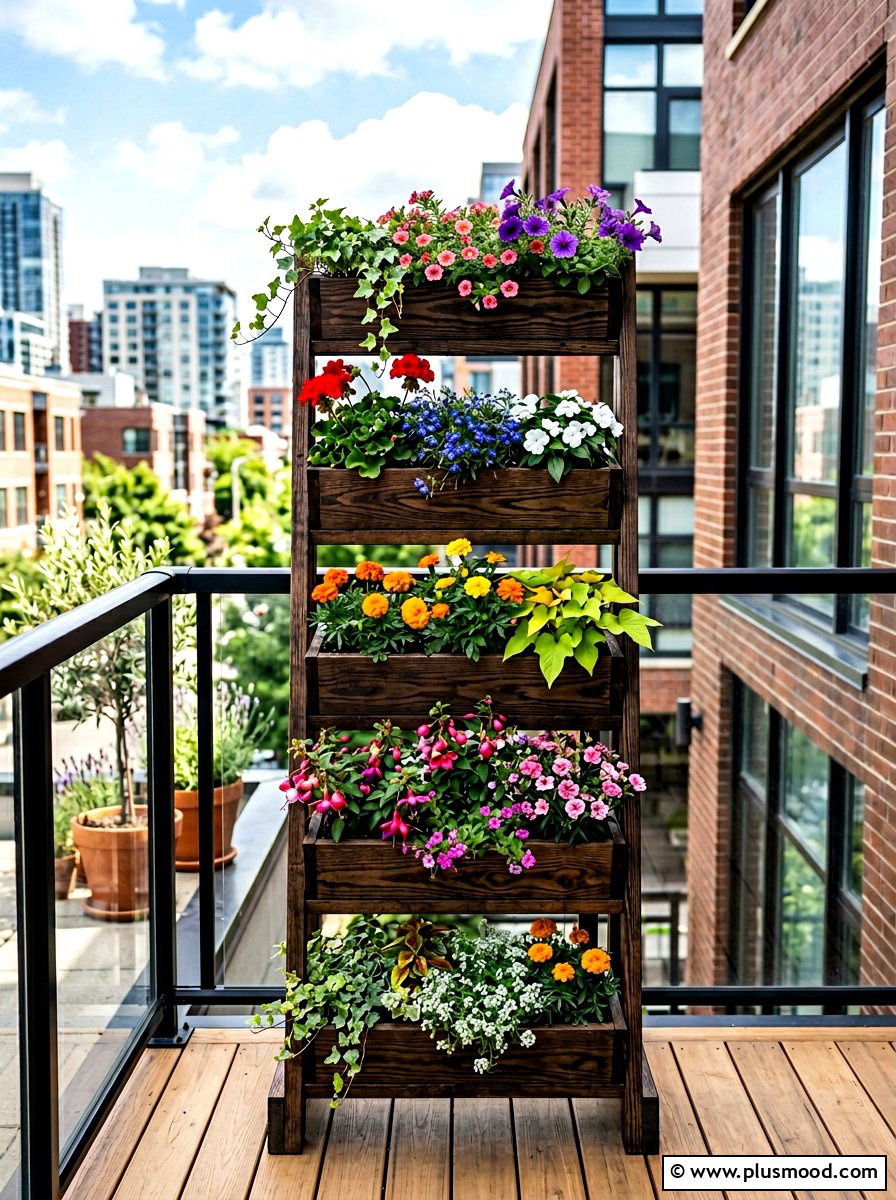
Vertical tiered planters are essential for anyone dealing with an extremely narrow backyard or a small balcony area. These structures use a ladder-style or A-frame design to hold multiple troughs or boxes vertically. You can grow a surprising amount of food or flowers by stacking your garden upward instead of outward. This arrangement ensures that every plant receives adequate sunlight, as the tiers are usually staggered to prevent shading. It is also an excellent way to create a living privacy screen against a neighbor's fence. Watering is efficient since excess moisture from the top tiers can often drip down to nourish the plants positioned below them.
5. Corrugated Metal Planter
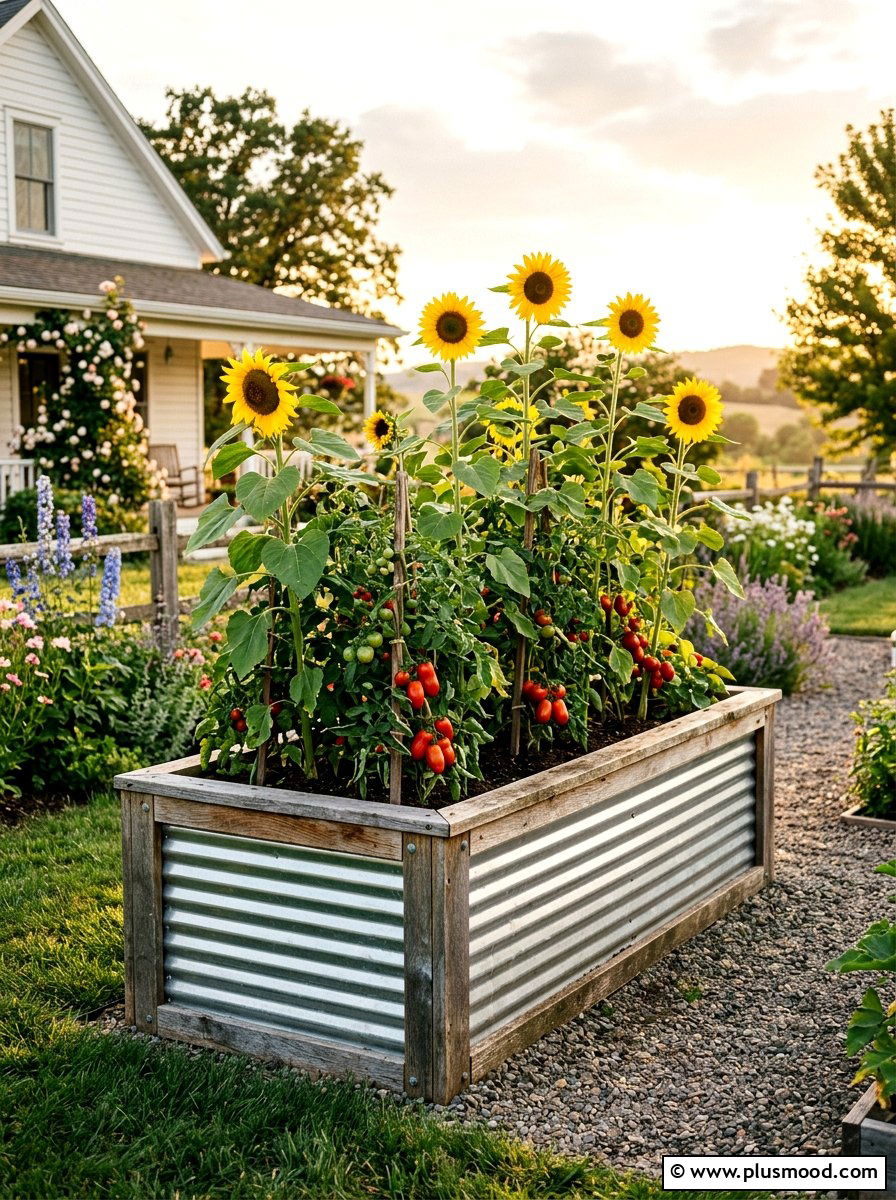
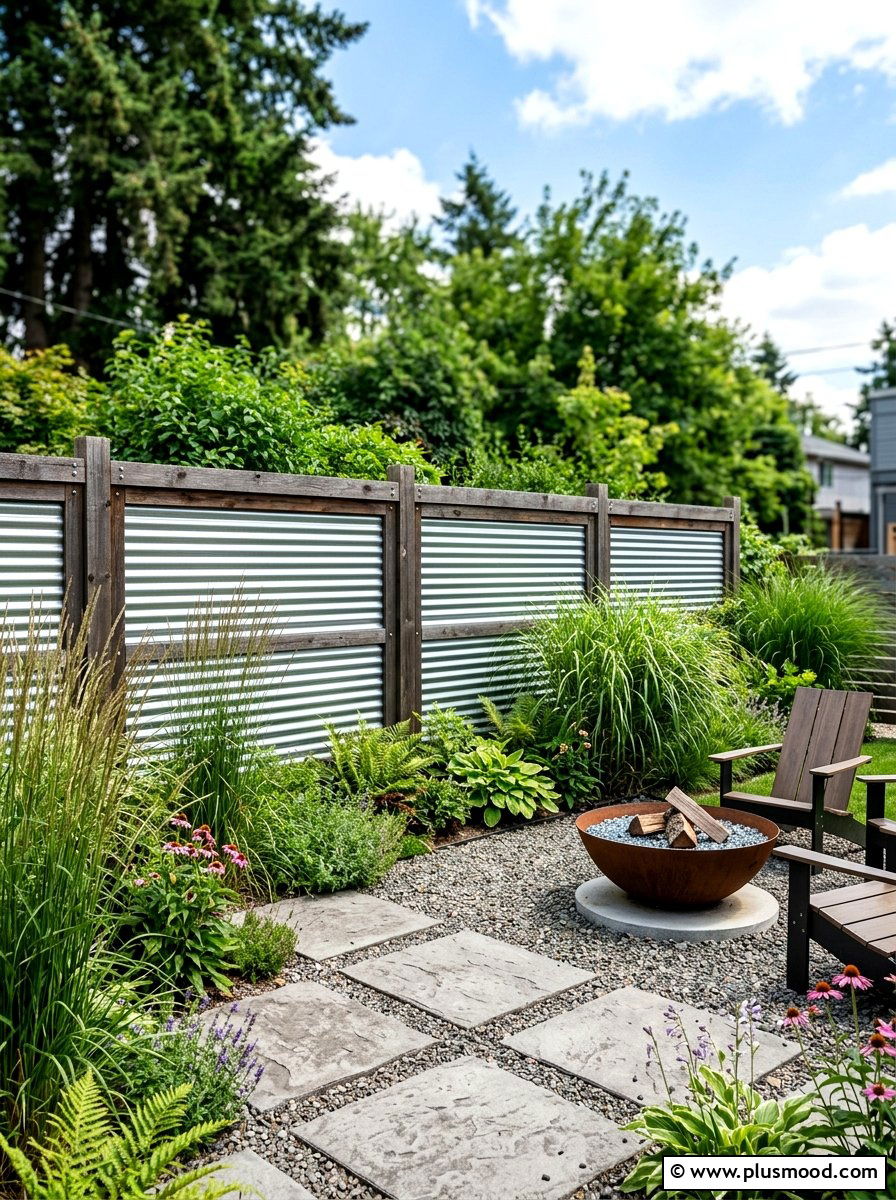
Corrugated metal planters bring a charming farmhouse or rustic vibe to a small backyard garden. These beds are typically constructed with a wooden frame that holds the metal panels in place, creating a sturdy and stylish container. The reflective surface of the metal can help brighten up darker corners of the yard by bouncing light around. These planters are often more affordable to build than solid wood versions and offer a unique texture that contrasts beautifully with soft green foliage. They are lightweight enough to be moved if you decide to redesign your layout, yet durable enough to withstand heavy rain and intense summer sun.
6. Stone Masonry Bed
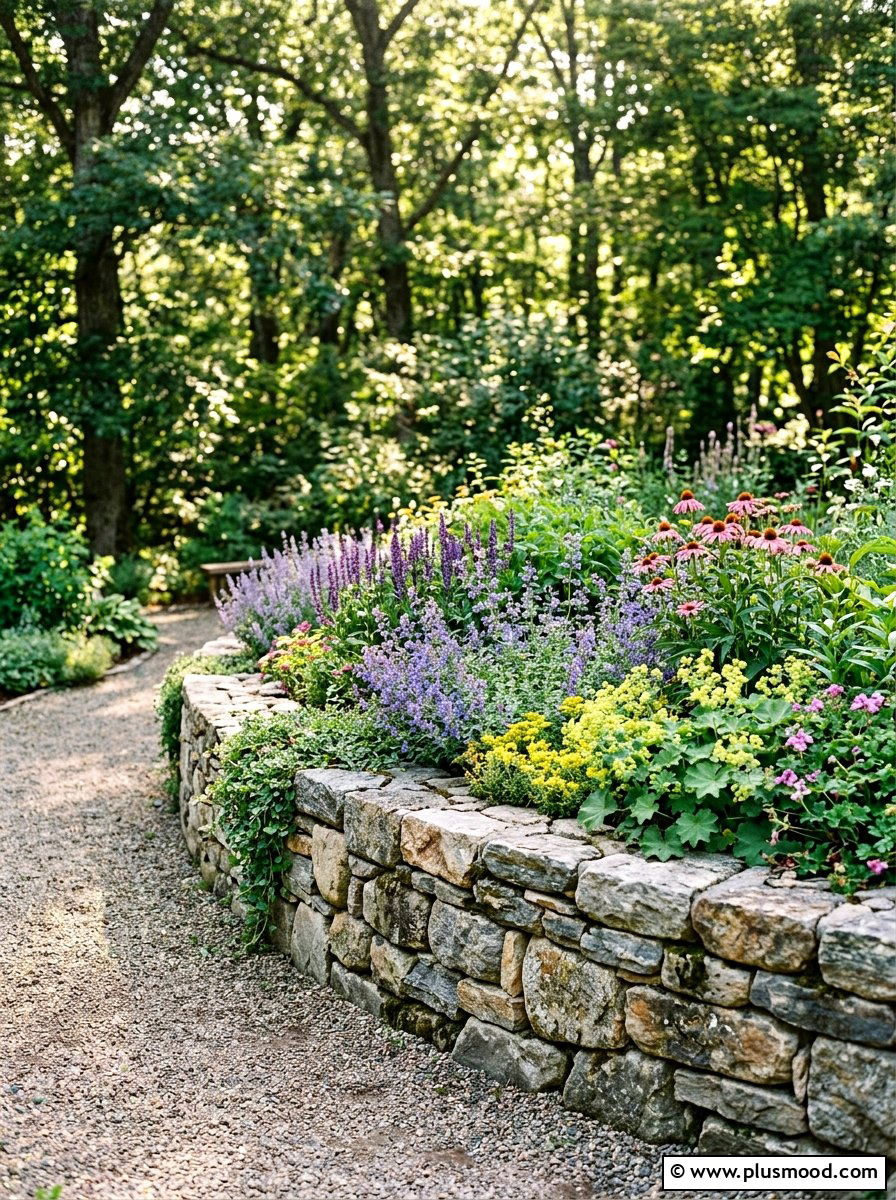
Stone masonry beds provide a timeless and permanent structure that adds significant value and character to your landscape. Using natural fieldstone or stacked slate creates a rugged, organic look that blends seamlessly with the earth. These beds are excellent for thermal mass, absorbing heat during the day and slowly releasing it at night to protect sensitive plants from temperature drops. While they require more effort to install, they will never rot or warp like wood. In a small backyard, a low stone wall can also serve double duty as extra seating for guests, making it a highly functional and beautiful landscape feature.
7. U-shaped Raised Garden
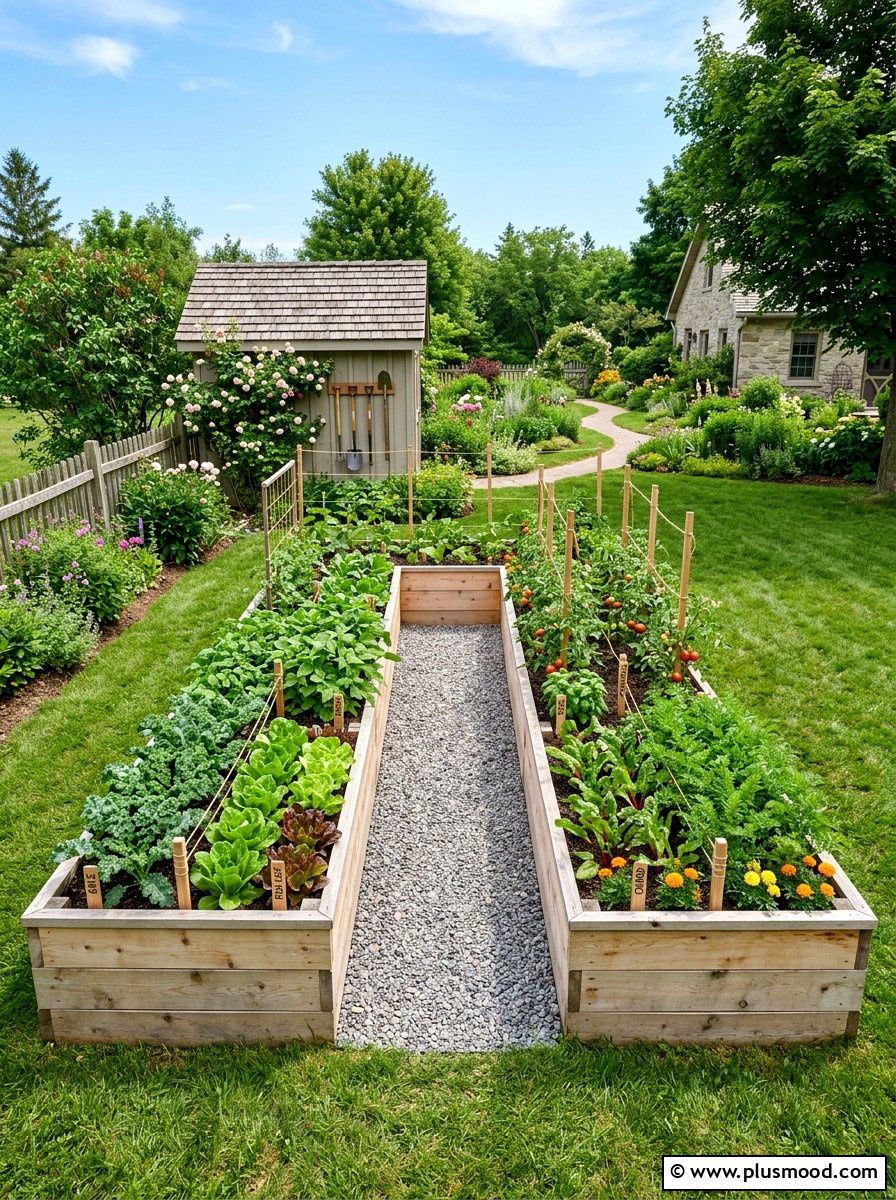
A U-shaped raised garden is a smart layout for those who want to maximize their planting area while maintaining easy accessibility. This design features a central walkway or "cockpit" that allows you to reach every single plant without ever having to step into the bed and compact the soil. In a small backyard, this shape can be tucked against a back fence or wall to create a dedicated gardening zone. It provides a sense of enclosure and immersion, making you feel surrounded by your harvest. This layout is particularly popular for vegetable gardeners who need to manage multiple crops like tomatoes, peppers, and greens simultaneously.
8. Stock Tank Planter
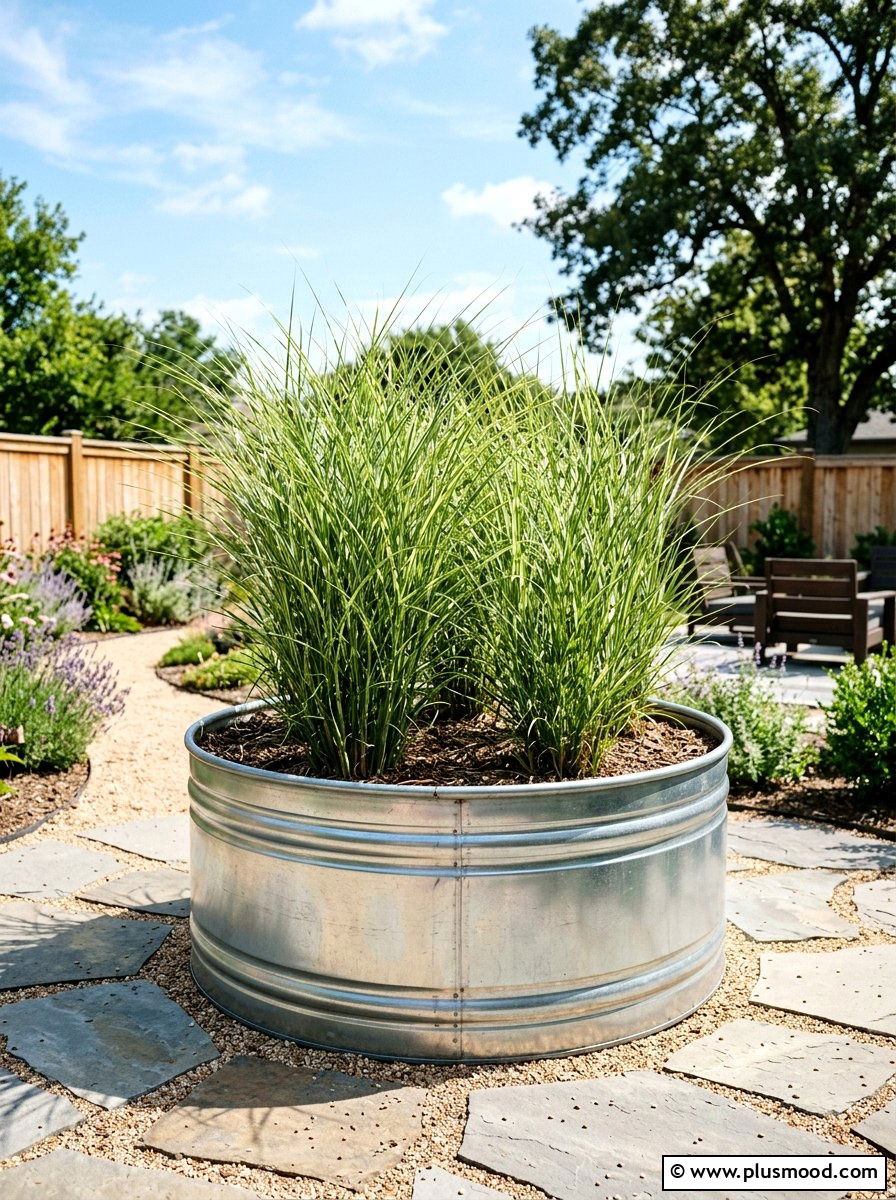
Stock tank planters are an easy and trendy way to add raised beds to a small backyard without any complex construction. These galvanized steel troughs are originally designed for livestock, meaning they are incredibly durable and waterproof. They come in various sizes and shapes, from round to oval, allowing you to fit them into specific nooks in your yard. Because they are self-contained units, they are perfect for renters or those who want a portable garden option. Simply drill drainage holes in the bottom, add a layer of gravel, and fill them with high-quality potting soil to start growing your favorite ornamental flowers or vegetables.
9. Elevated Herb Garden
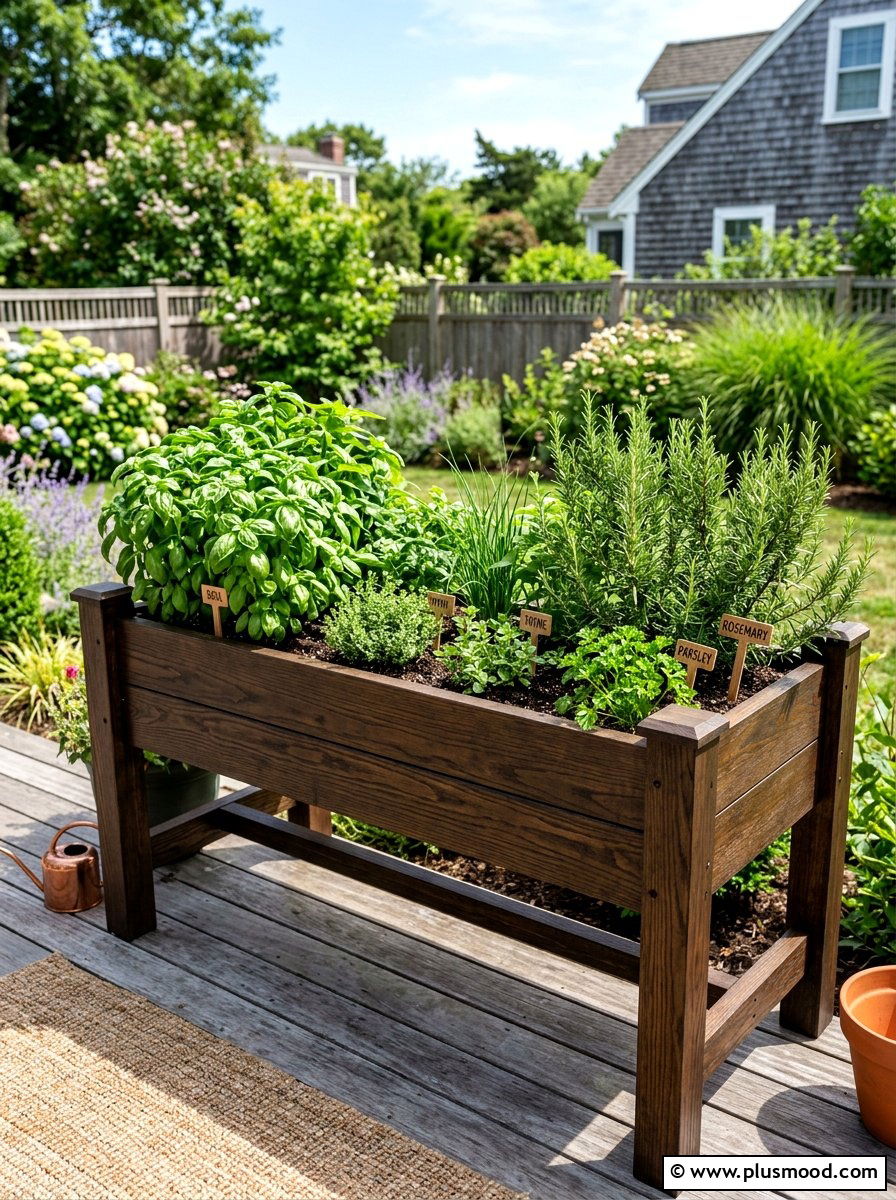
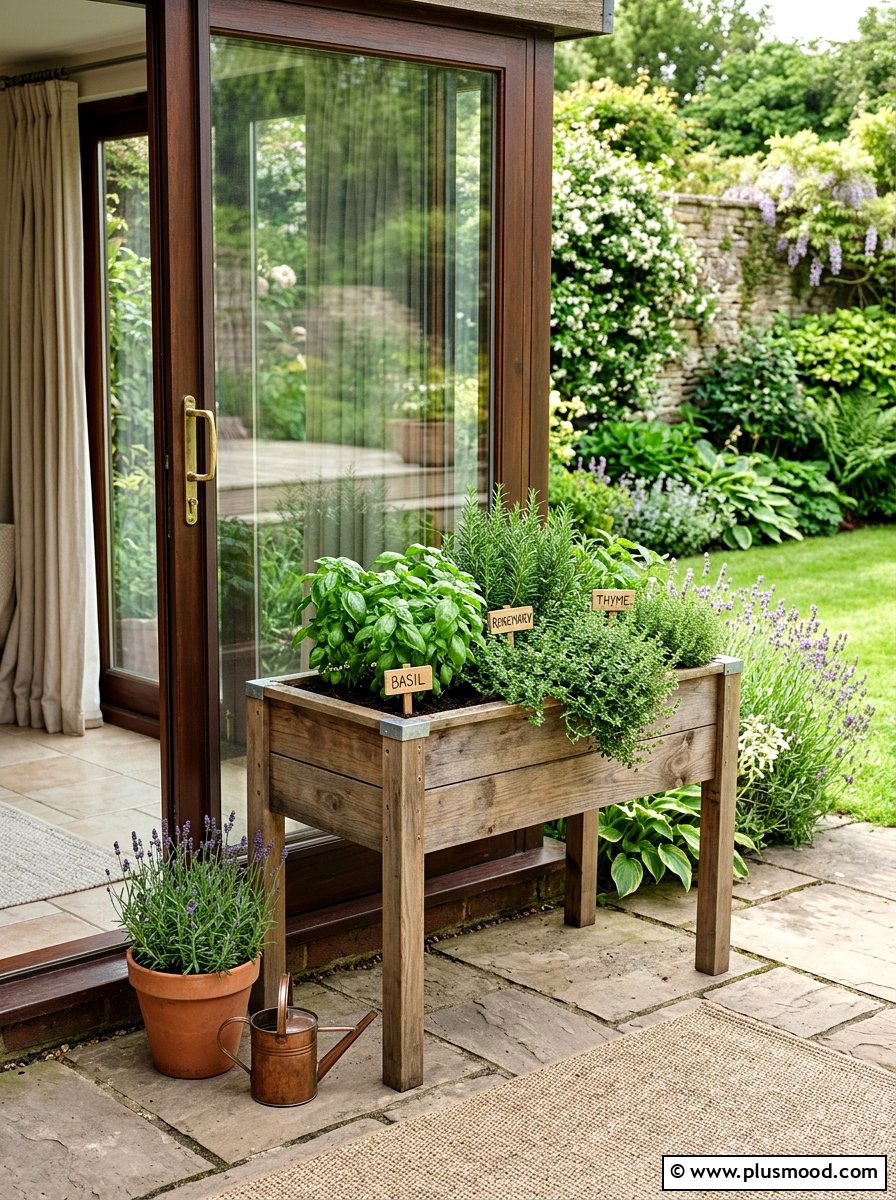
An elevated herb garden is essentially a raised bed on legs, bringing the soil up to waist height. This is the ultimate solution for gardeners with mobility issues or those who want to keep their plants away from curious pets and local wildlife. These beds are often placed right outside the kitchen door for easy access to fresh basil, rosemary, and thyme while cooking. Because they are smaller and shallower than ground-level beds, they dry out faster, which is actually ideal for Mediterranean herbs that prefer well-drained soil. They add a sophisticated look to a deck or patio while keeping your gardening space tidy.
10. Multi-level Deck Planter
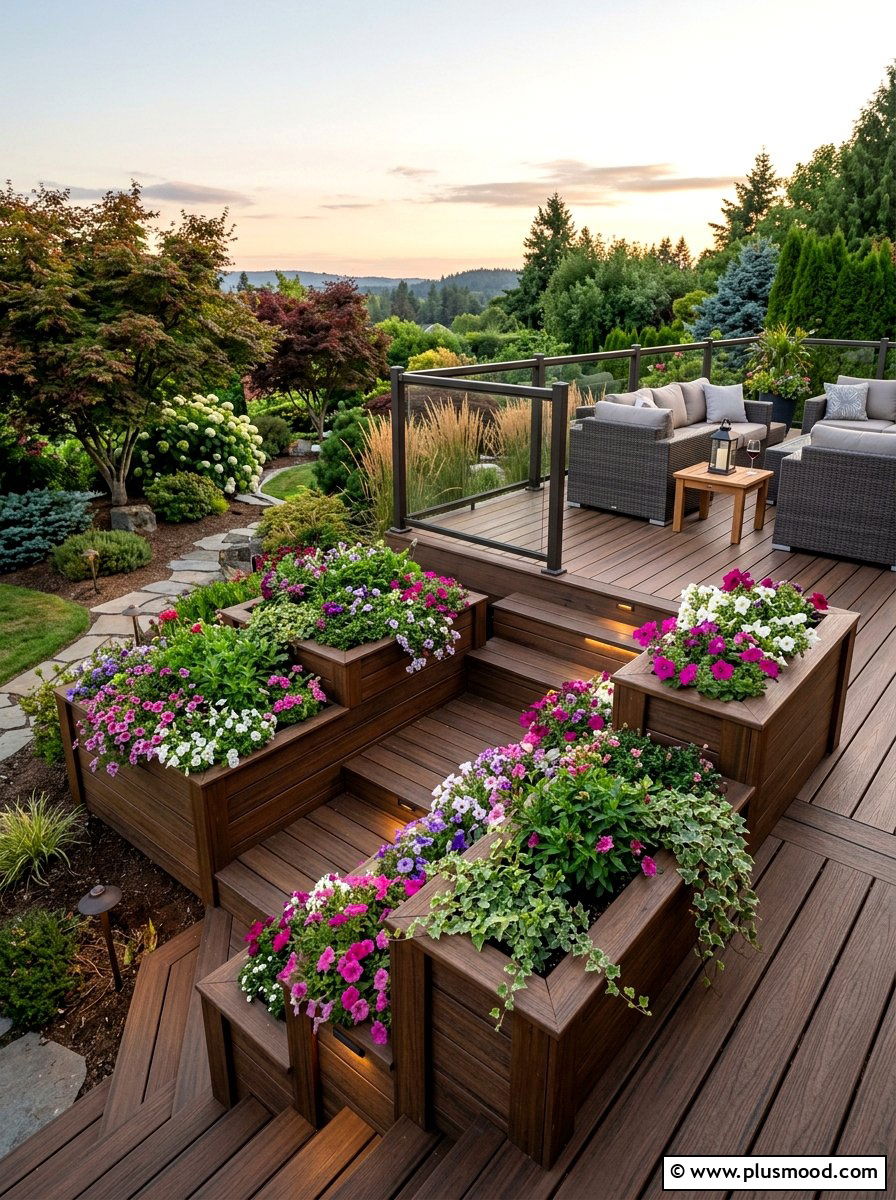
Multi-level deck planters are integrated directly into your wooden or composite decking to create a seamless transition between living space and nature. By building the raised beds at different heights around the perimeter of the deck, you create visual interest and define different zones for lounging or dining. This approach saves ground space and makes the garden feel like a deliberate part of the home 's architecture. You can use the taller beds for privacy and the lower ones for colorful annuals. This setup is perfect for small backyards where the deck occupies most of the available area, ensuring you don' t lose your greenery.
11. Concrete Block Bed
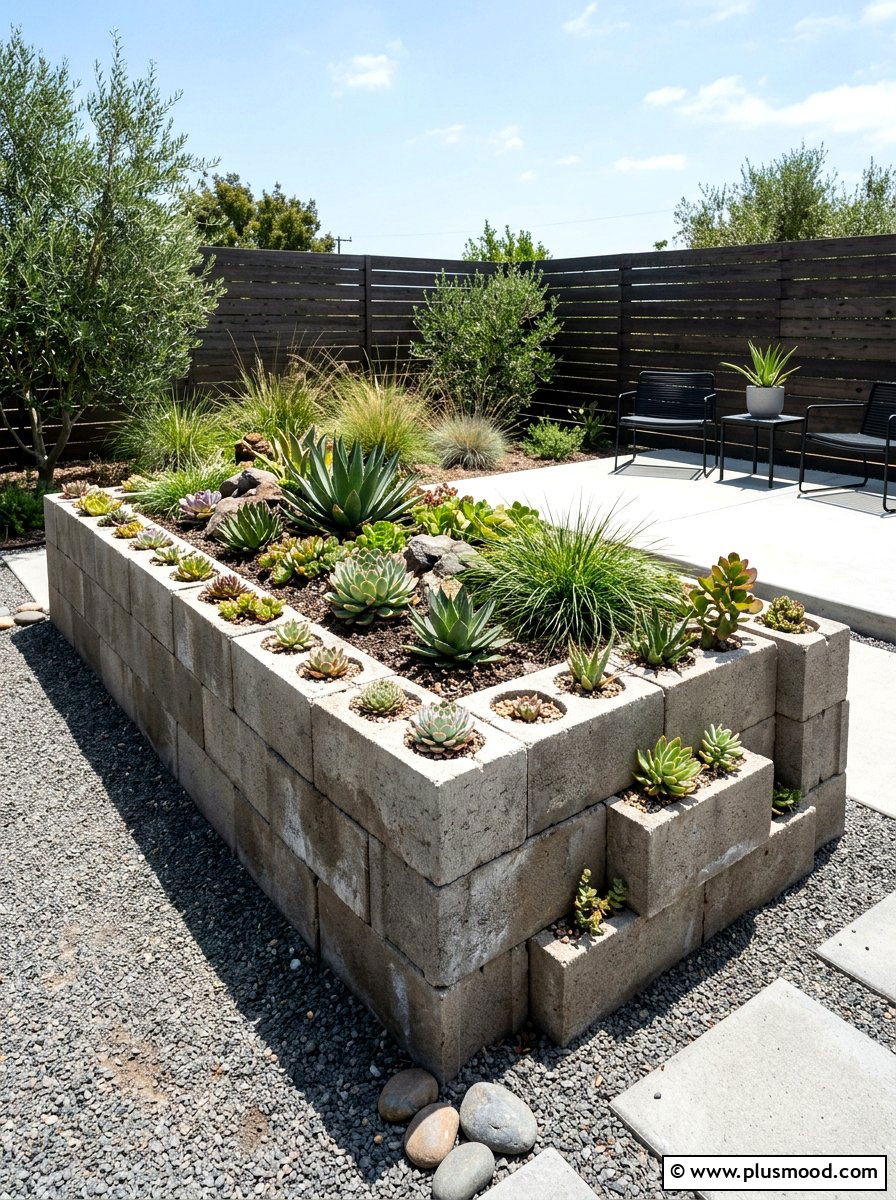
Concrete block beds are a budget-friendly and modular way to build raised gardens in a small backyard. These blocks are easy to stack and require no specialized tools or fasteners to create a sturdy perimeter. You can paint the exterior of the blocks to match your home’s color scheme or leave them raw for a modern, utilitarian look. One of the best features of this design is that the hollow centers of the blocks can also be filled with soil and used to plant small succulents or trailing flowers. This adds an extra layer of vertical interest and maximizes every available inch of growing space.
12. Recycled Pallet Garden
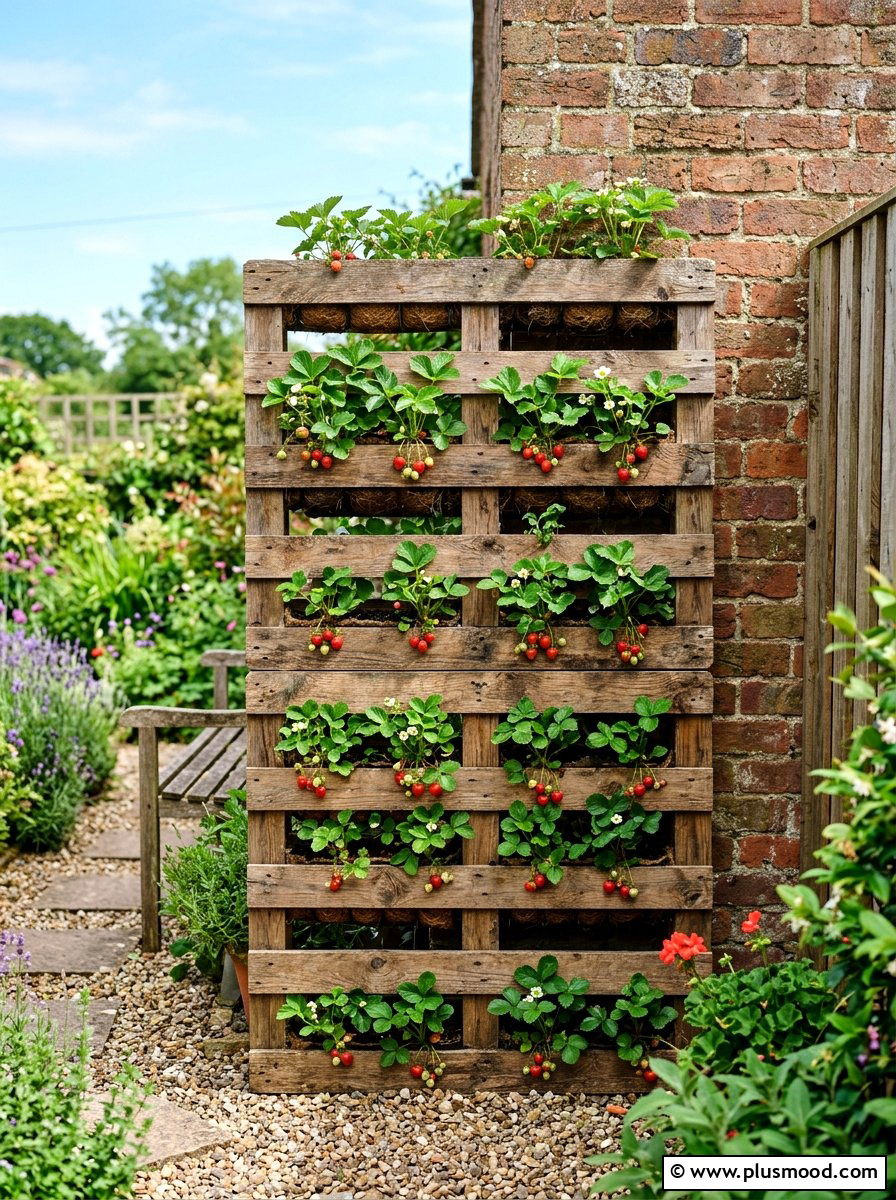
A recycled pallet garden is a creative and eco-friendly way to introduce raised beds to a small outdoor area. By standing a wooden pallet on its side or deconstructing it to build small boxes, you can create a rustic garden with very little financial investment. Pallets are perfect for growing small leafy greens, strawberries, or decorative flowers that don't require deep soil. This vertical approach keeps the center of your backyard clear for other activities. Just ensure that the pallets you use are heat-treated rather than chemically treated to keep your soil safe and healthy for any edible plants you choose to grow.
13. Brick Vegetable Patch
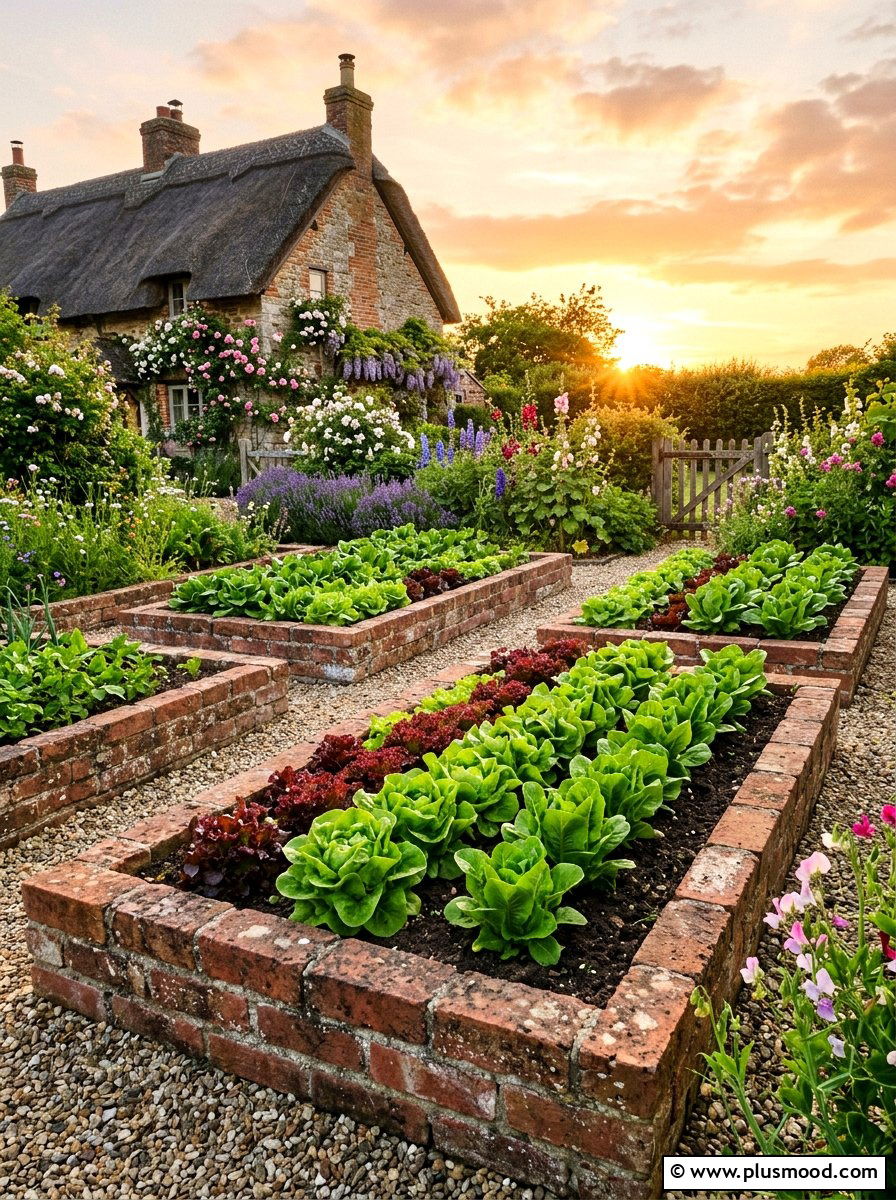
A brick vegetable patch offers a classic, traditional look that feels very established and cozy in a small backyard. Bricks are easy to work with and allow you to create curved or custom shapes that follow the natural lines of your yard. The red or tan tones of the brick provide a warm contrast to the bright greens of vegetable leaves. Like stone, brick holds heat well and provides a sturdy barrier that keeps weeds at bay. This type of raised bed is perfect for creating a formal potager garden style, where aesthetics and food production go hand in hand to create a beautiful view.
14. Tiered Corner Planter
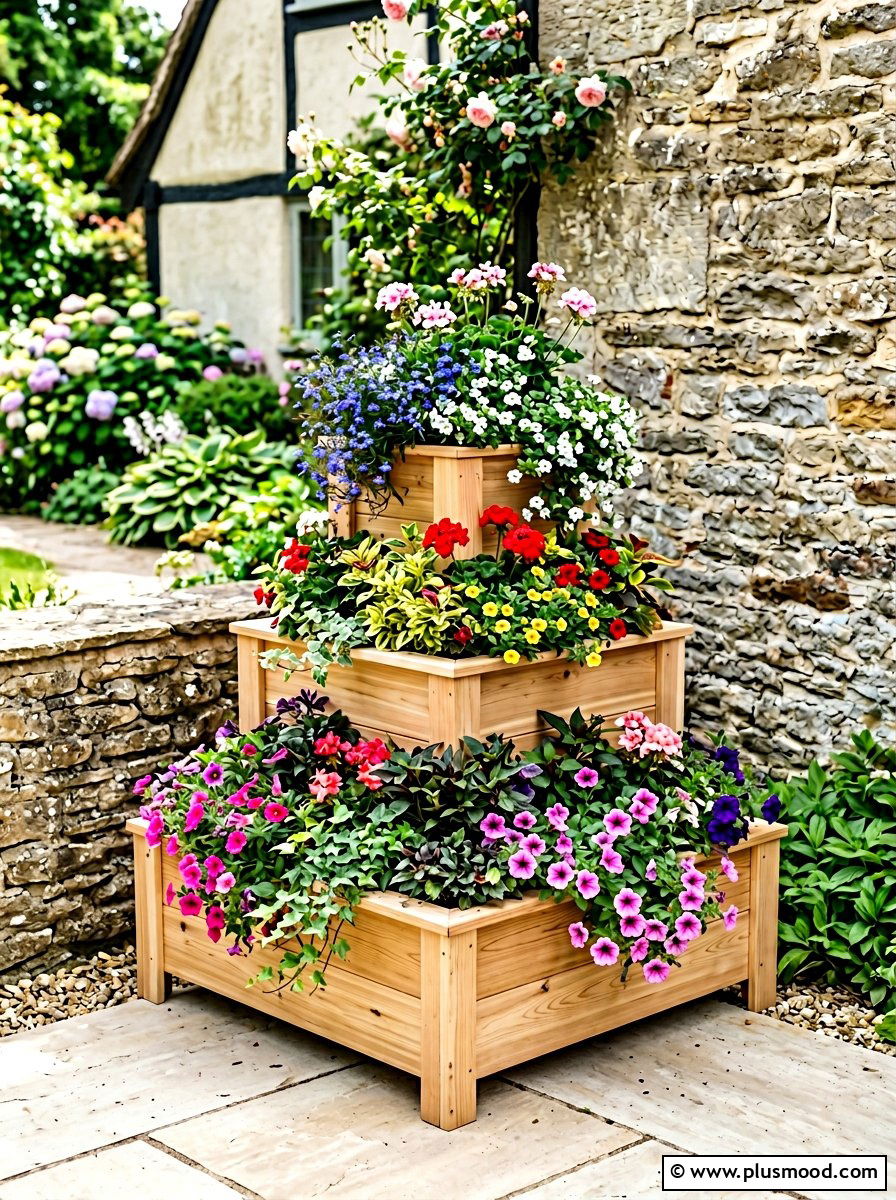
The tiered corner planter is a space-saving marvel that turns a forgotten corner into a vibrant focal point. By using three or more levels that get progressively smaller as they go up, you create a wedding-cake effect that is visually stunning. This design is perfect for a collection of different succulents or a variety of colorful flowering annuals. In a small backyard, this vertical orientation provides a lot of "wow factor" without taking up much floor space. It also helps with water conservation, as you can water the top level and allow the runoff to hydrate the plants on the lower tiers.
15. Portable Rolling Bed
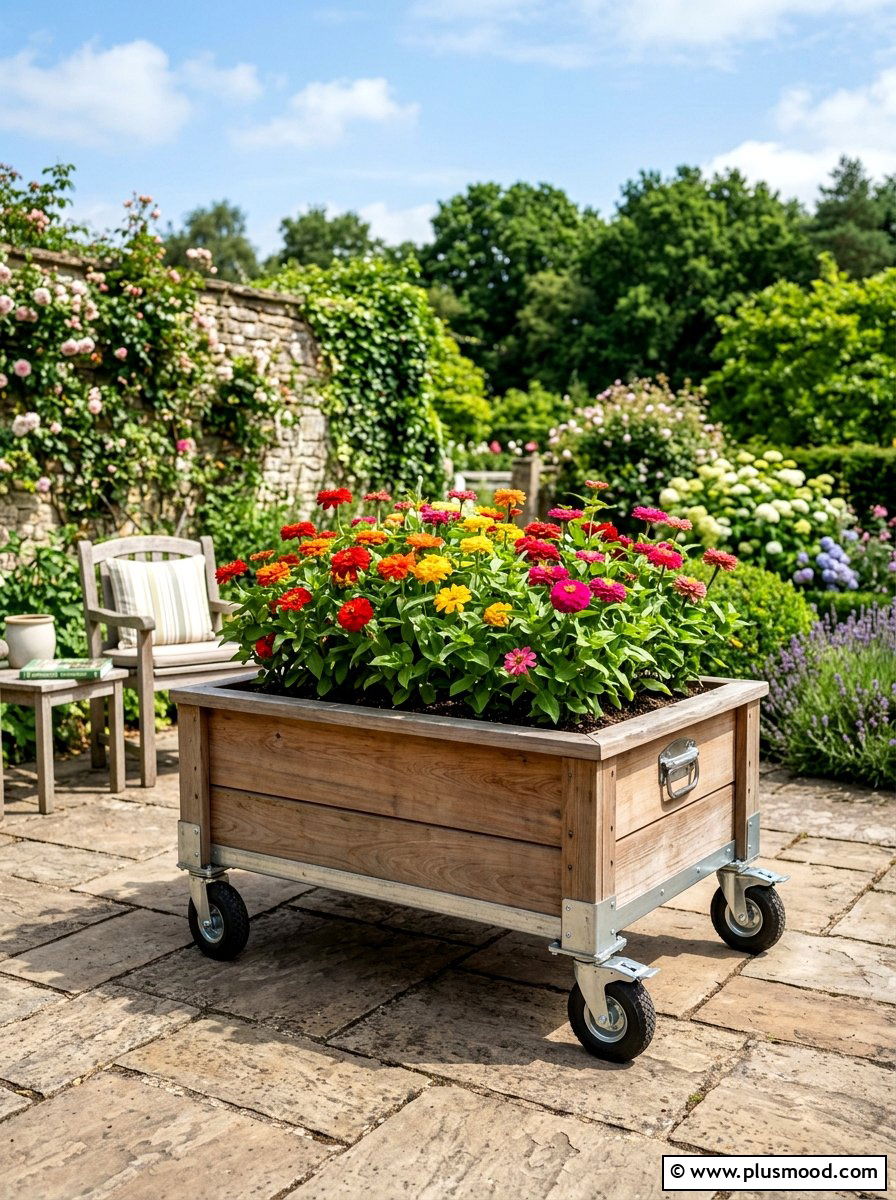
A portable rolling bed is a game-changer for small backyards that may have shifting sunlight patterns throughout the day. By attaching heavy-duty casters to the bottom of a standard raised bed, you gain the ability to move your garden to the sunniest spot or clear it away for a party. This flexibility is perfect for paved patios or small urban courtyards where space must serve multiple purposes. You can grow sun-loving vegetables like tomatoes even if your yard is mostly shaded, simply by moving the bed as the sun moves. It also makes cleaning the patio surface underneath the garden bed much easier.
16. Trellis Raised Bed
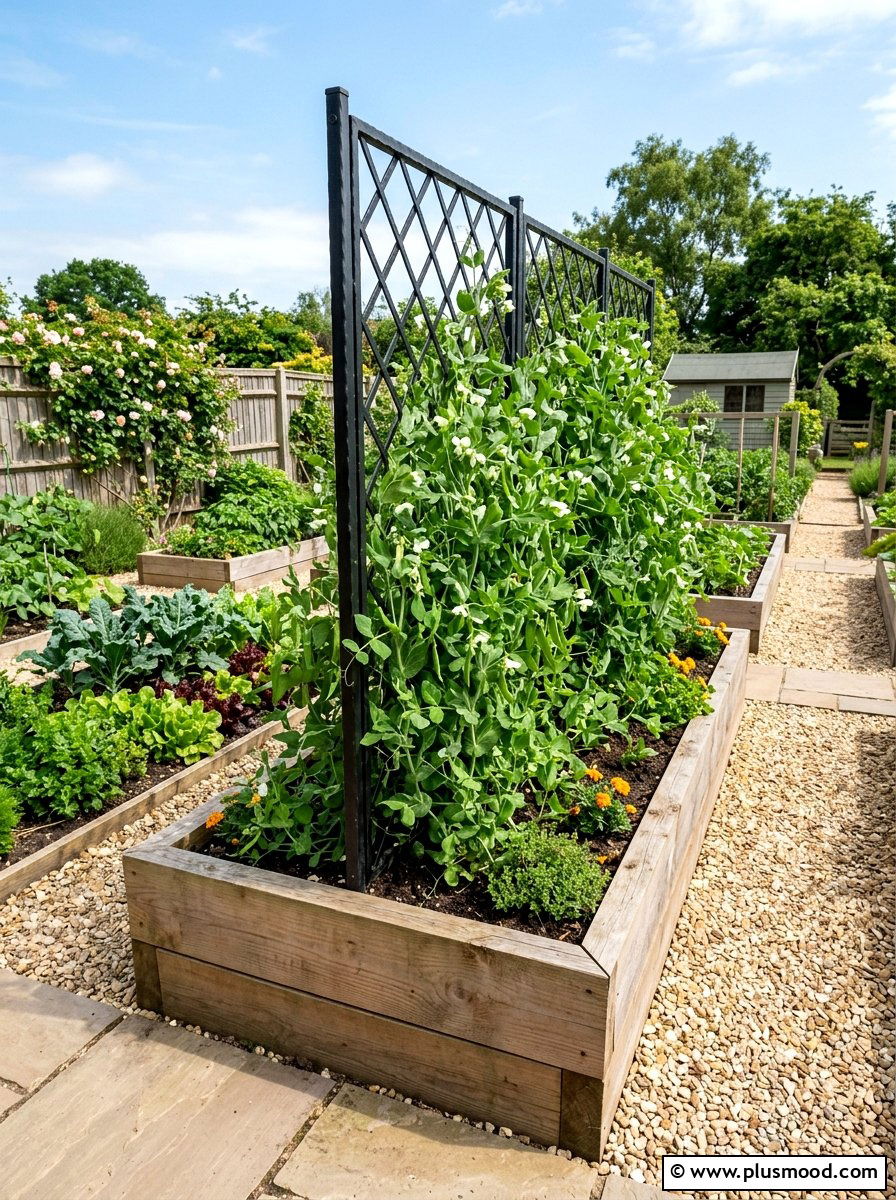
A trellis raised bed combines a horizontal planting area with a vertical climbing structure, making it ideal for small spaces. This design allows you to grow vining plants like cucumbers, beans, or jasmine upward, which keeps the fruit off the ground and saves valuable soil space for other crops. The trellis also acts as a beautiful decorative element and can provide additional privacy from neighbors when covered in thick foliage. In a small backyard, using vertical height this way makes the garden feel much larger and more lush. It creates a "green wall" effect that adds structure and height to your landscape.
17. Flagstone Garden Border
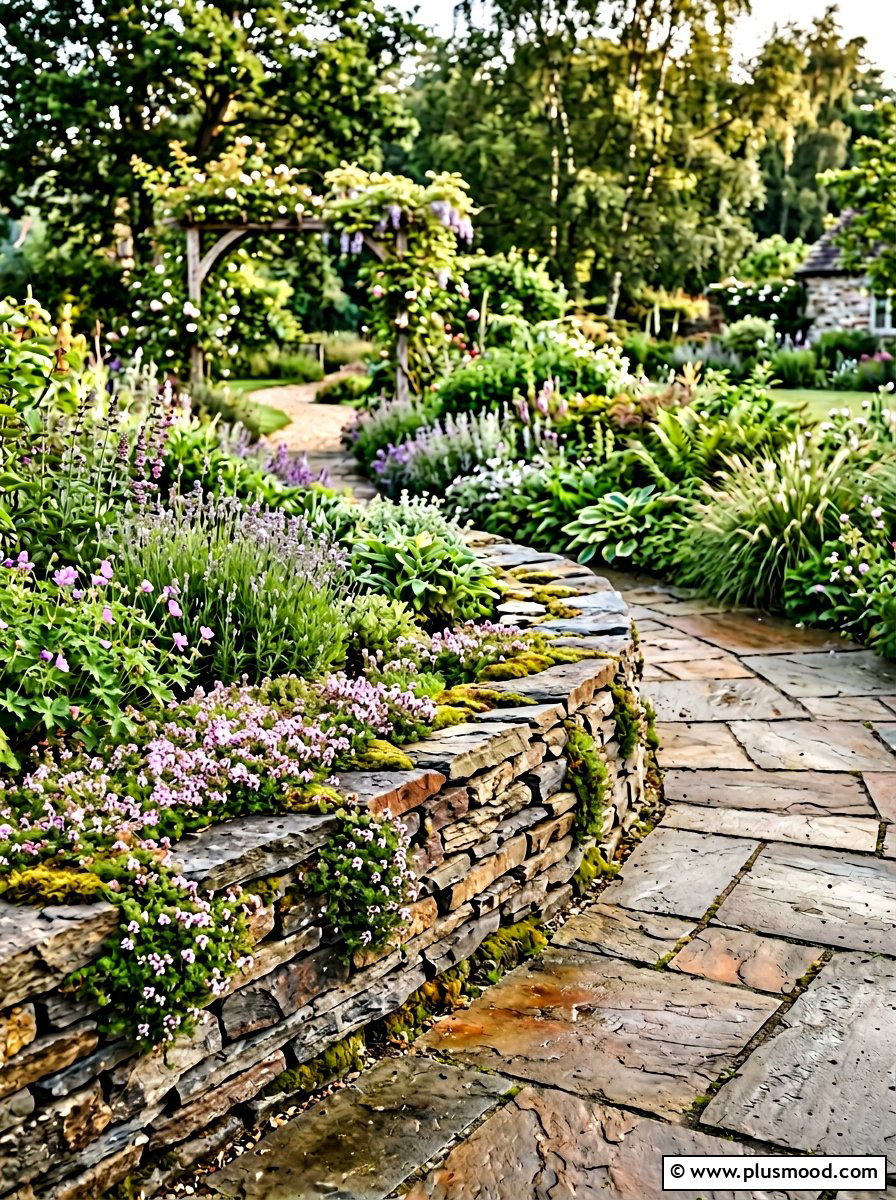
Flagstone garden borders create a low-profile raised bed that feels very natural and integrated with the surrounding landscape. By stacking flat pieces of flagstone, you can create a bed that is just six to twelve inches high, which is enough to provide better soil quality than the native ground. This height is perfect for a small backyard because it doesn't overwhelm the space or block sightlines. The irregular edges of the stone create a soft, cottage-garden feel that works well with sprawling perennials or ornamental grasses. It is a subtle way to define garden paths while giving your plants a slight lift.
18. Wattle Weave Bed
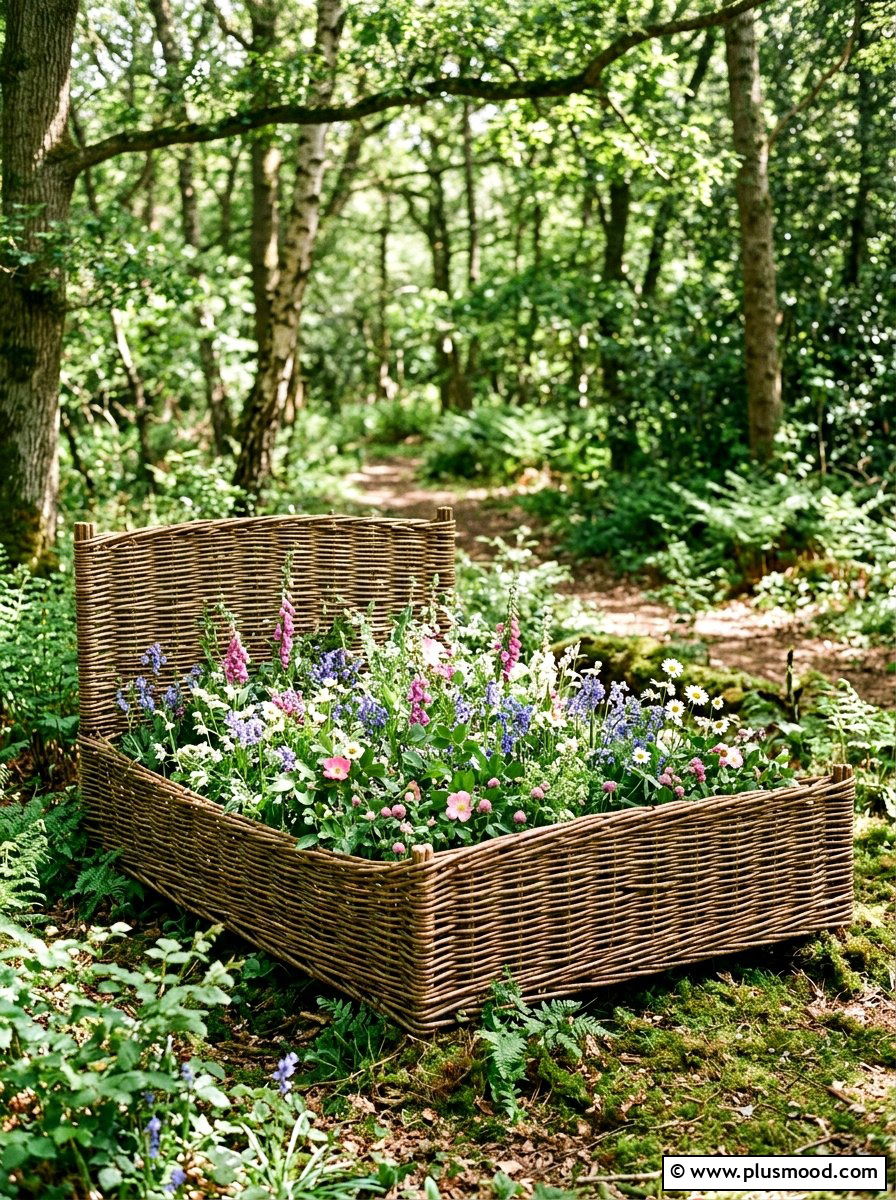
Wattle weave beds are an ancient gardening technique that uses flexible branches, like willow or hazel, to weave a decorative fence around the soil. This creates a charming, storybook look that is perfect for a small, whimsical backyard. The woven texture is breathable, which helps prevent soil from becoming waterlogged, and the natural materials eventually break down and enrich the earth. It is an incredibly sustainable option that you can often build yourself using pruned branches from your own yard or local woods. This style looks beautiful when filled with wildflowers or traditional herbs, giving your small space a handcrafted and organic feel.
19. Compact Keyhole Garden
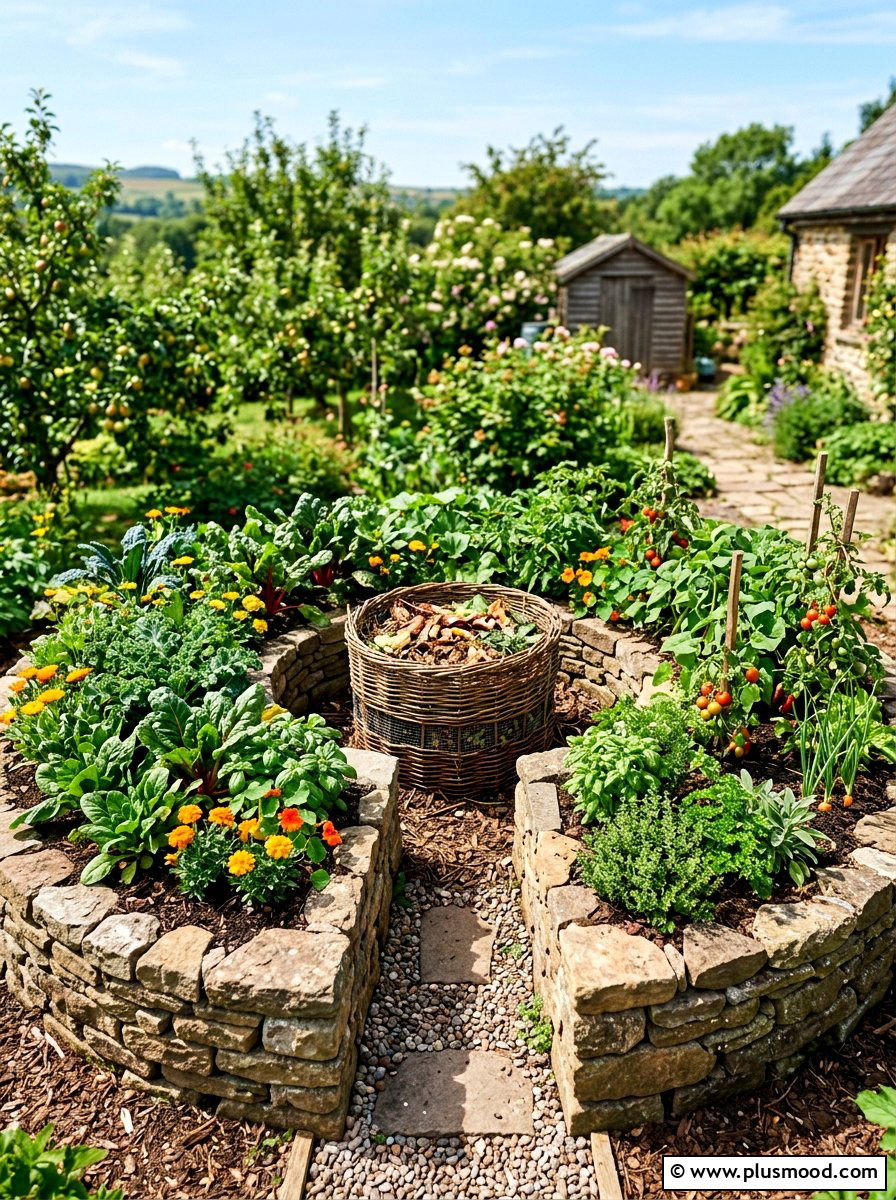
A compact keyhole garden is a circular raised bed with a small walkway cut into the center, resembling a keyhole from above. This design often includes a central composting basket where you can place kitchen scraps to feed the surrounding plants directly. It is an incredibly efficient system for small backyards because it combines gardening and composting in one small footprint. The circular shape allows you to reach every plant easily, and the intensive planting method ensures a high yield in a limited space. It is a functional and educational feature that turns your backyard into a self-sustaining ecosystem that looks great year-round.
20. Composite Wood Planter
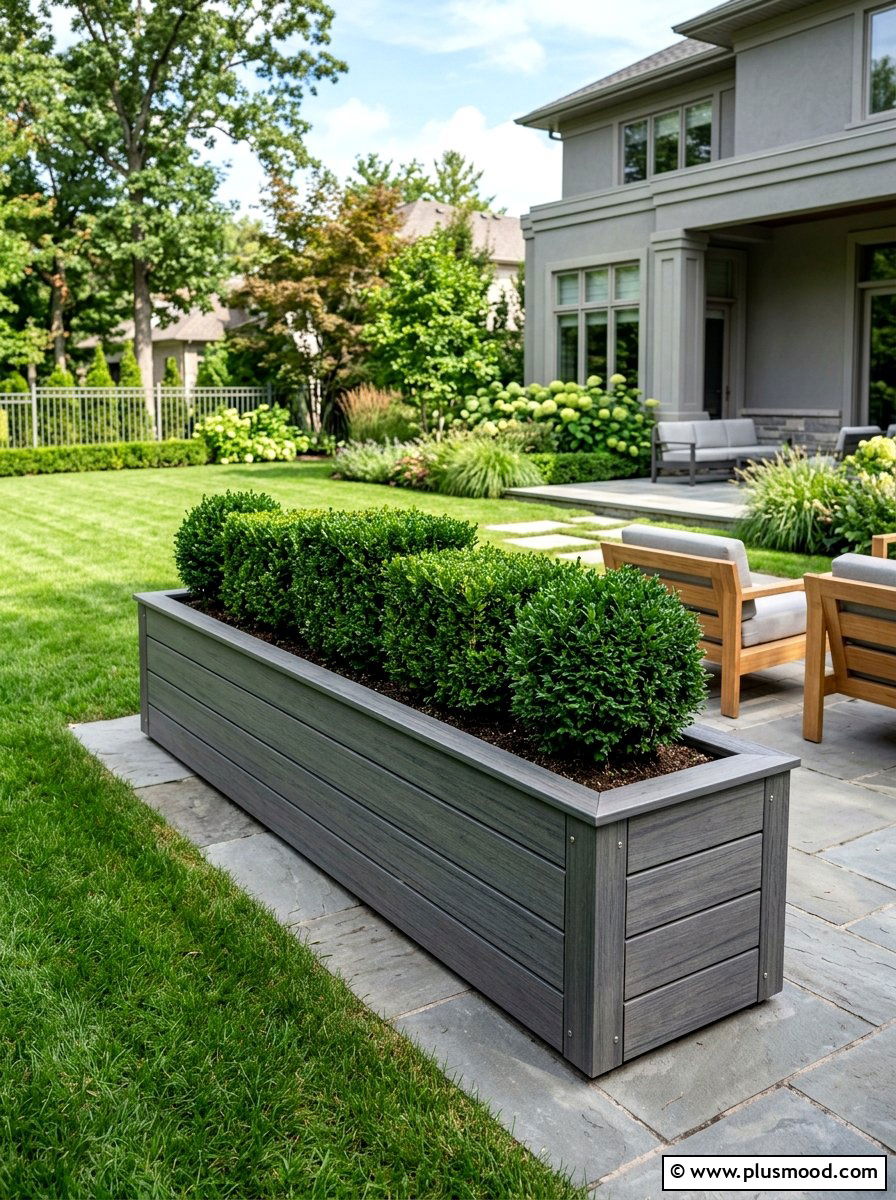
Composite wood planters offer the look of natural timber with the durability of modern materials. Made from a blend of recycled plastic and wood fibers, these beds will never rot, splinter, or require staining. This makes them a perfect "set it and forget it" option for busy homeowners with small backyards. They come in many colors, from slate gray to warm brown, allowing you to match your outdoor furniture or house siding perfectly. The clean lines and uniform appearance of composite materials lend a very professional and polished look to your garden, ensuring your small space always looks neat and well-maintained.
21. Integrated Seating Bed
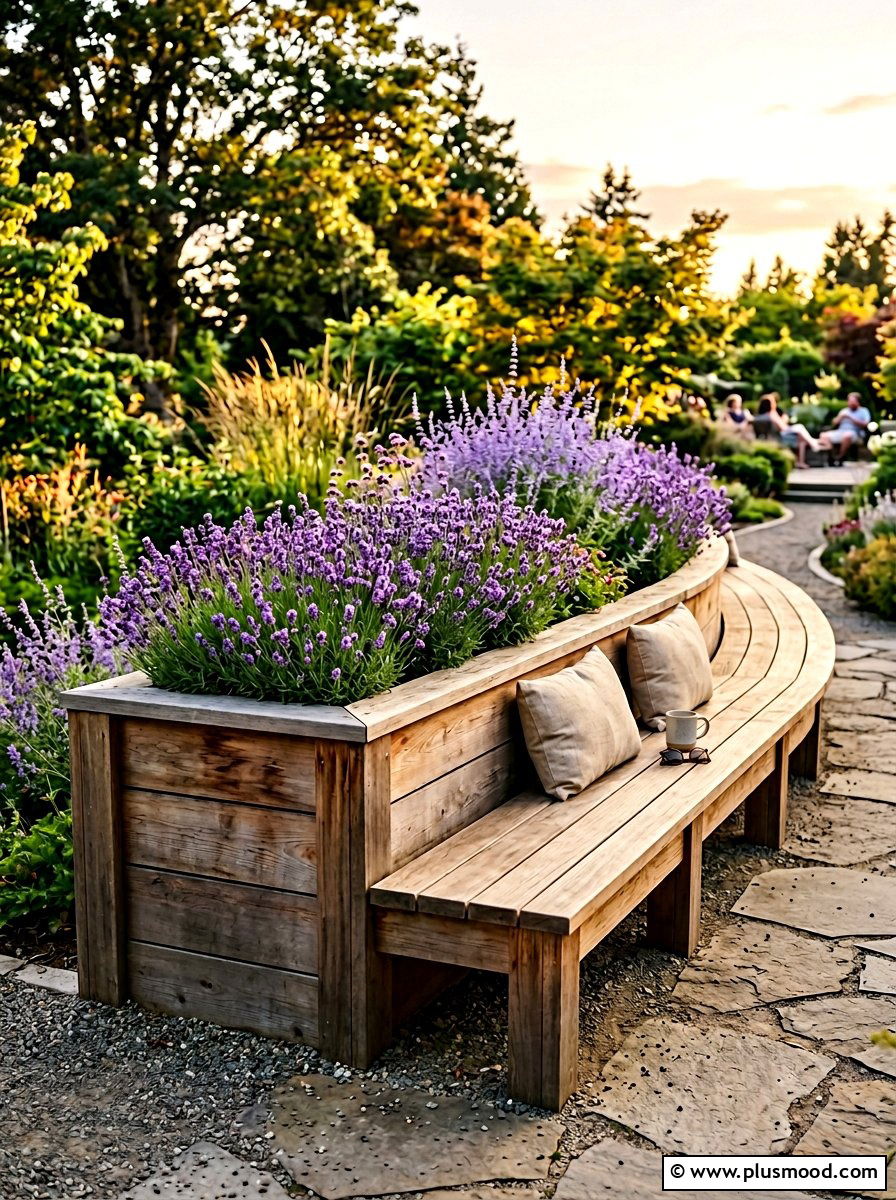
An integrated seating bed is a brilliant way to save space by combining a raised planter with a built-in bench. The walls of the raised bed are built at chair height and finished with a wide wooden or stone cap that serves as a seat. This eliminates the need for extra patio furniture, which can often clutter a small backyard. You can sit directly next to your fragrant flowers or ripening strawberries, creating a truly immersive sensory experience. This design makes the most of the perimeter of your yard, providing plenty of room for guests while surrounding them with a beautiful, living garden.
22. Enclosed Garden Bed
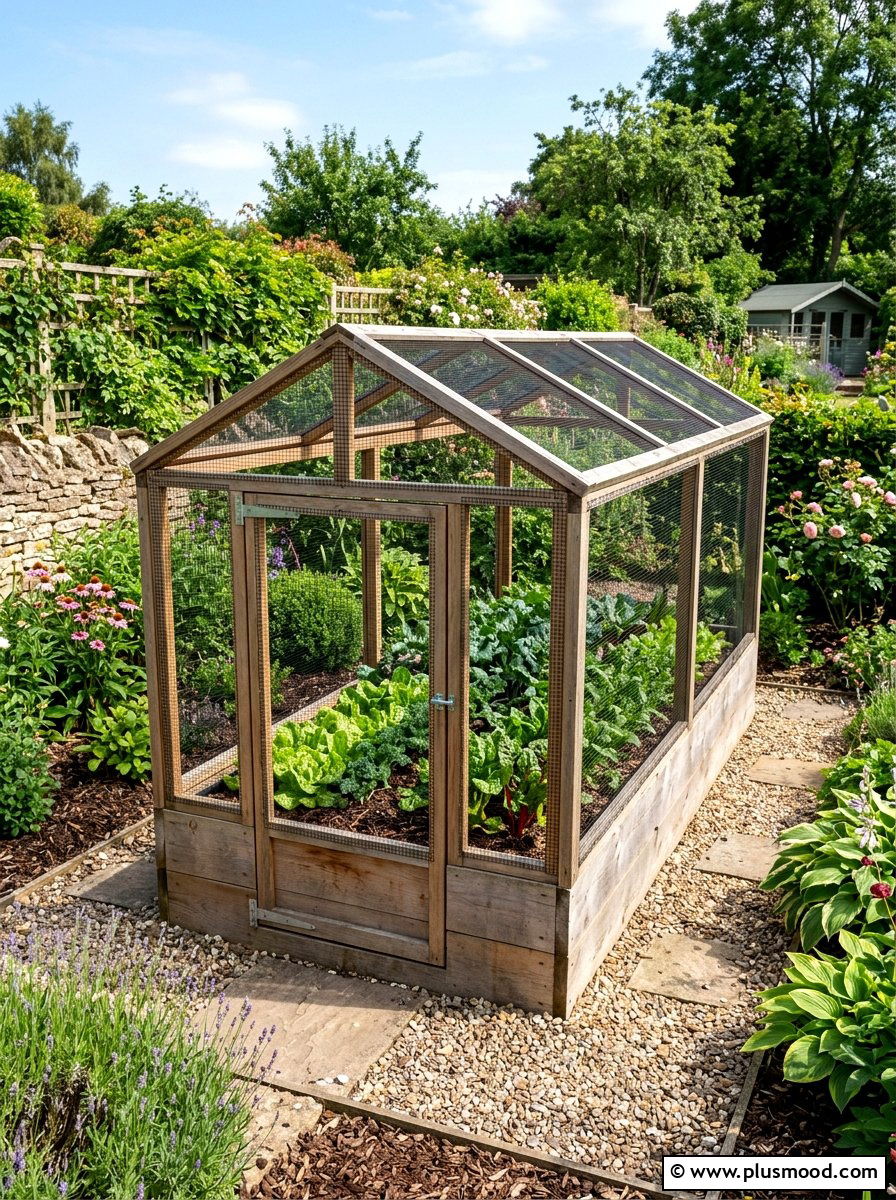
An enclosed garden bed is a raised bed that features a built-in frame or cage to protect plants from pests like birds or rabbits. In a small backyard, these can be designed with a stylish black mesh or delicate wire that looks intentional rather than messy. The enclosure can also serve as a support for climbing plants or a place to hang small lanterns. By keeping the garden contained, you maintain a very tidy appearance in your small space. These beds are perfect for growing delicate berries or expensive greens that you want to keep safe from local wildlife while adding a structured look.
23. Hexagon Cedar Planter
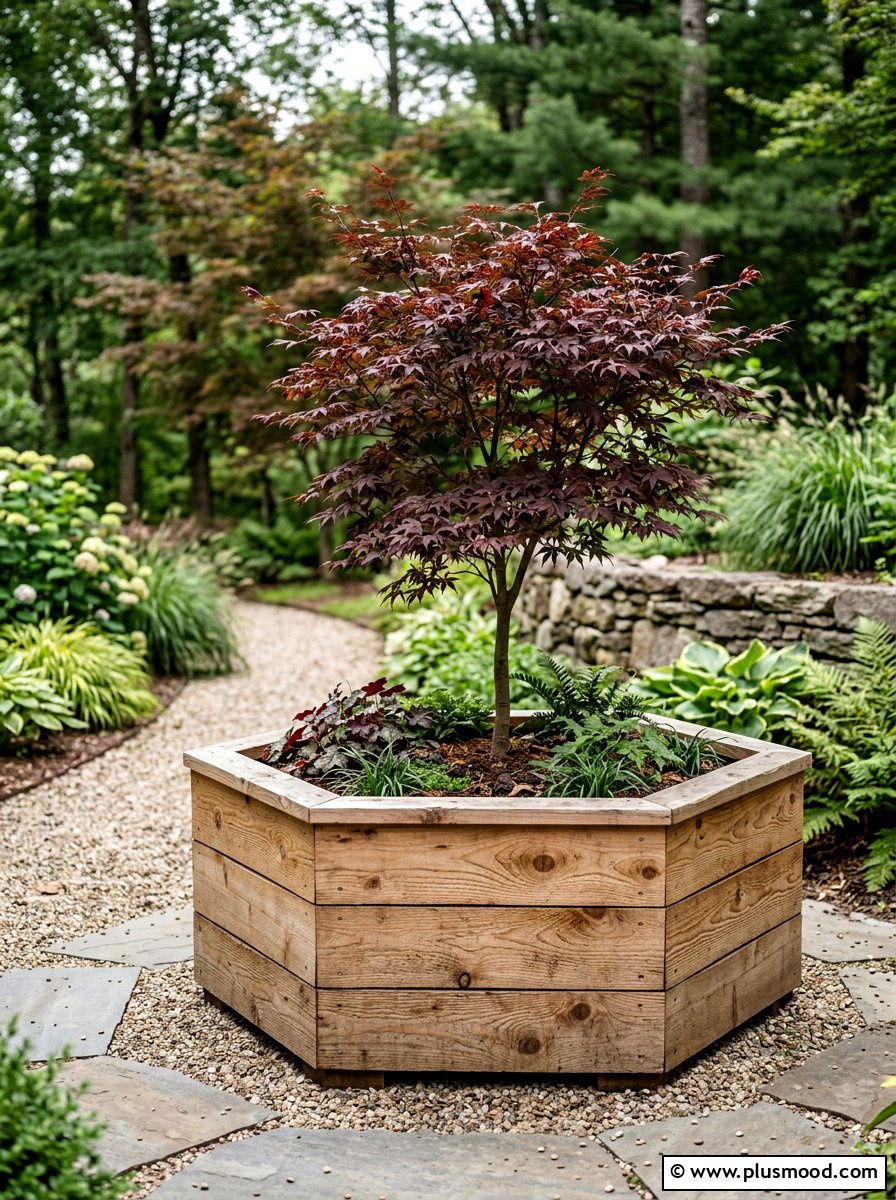
A hexagon cedar planter breaks away from traditional rectangular shapes to add a unique geometric interest to your backyard. Hexagons are efficient shapes that can be clustered together like a honeycomb to create a larger planting area or used as standalone focal points. In a small yard, these interesting shapes draw the eye and make the space feel more custom and designed. Cedar is the ideal material because it is easy to cut into the necessary angles and stands up well to the elements. These planters are perfect for a single statement tree, a large rose bush, or a curated collection of seasonal flowers.
24. Low Profile Bed
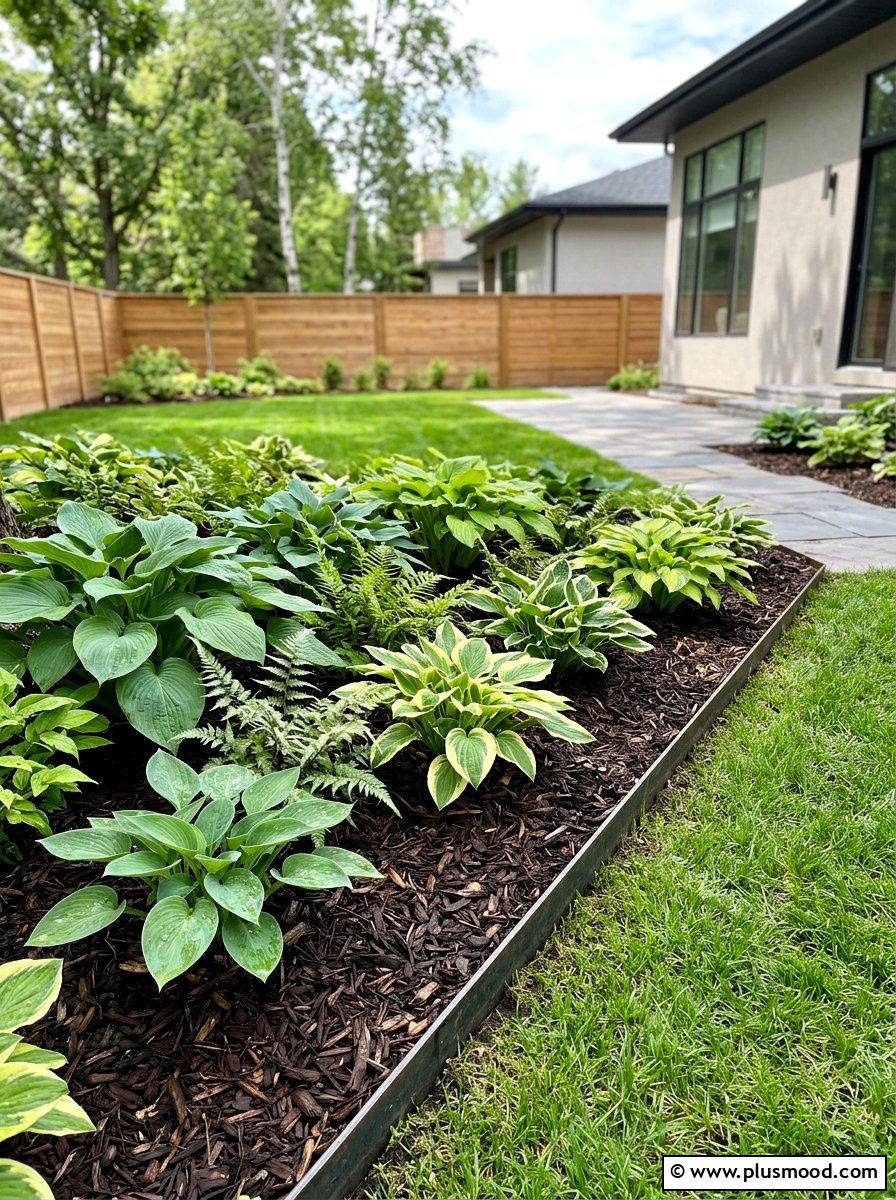
Low profile beds are raised just a few inches off the ground, providing enough lift to define the space without creating a tall barrier. This is a great choice for very small backyards where you want to keep the view open and airy. These beds are usually made from simple 2x4 lumber or thin metal edging. They help contain mulch and soil while providing a clean line between the garden and the rest of the yard. Low beds are perfect for ground-cover plants, low-growing herbs, or a small patch of flowers that you want to highlight without taking up any vertical room.
25. Self Watering Garden Box
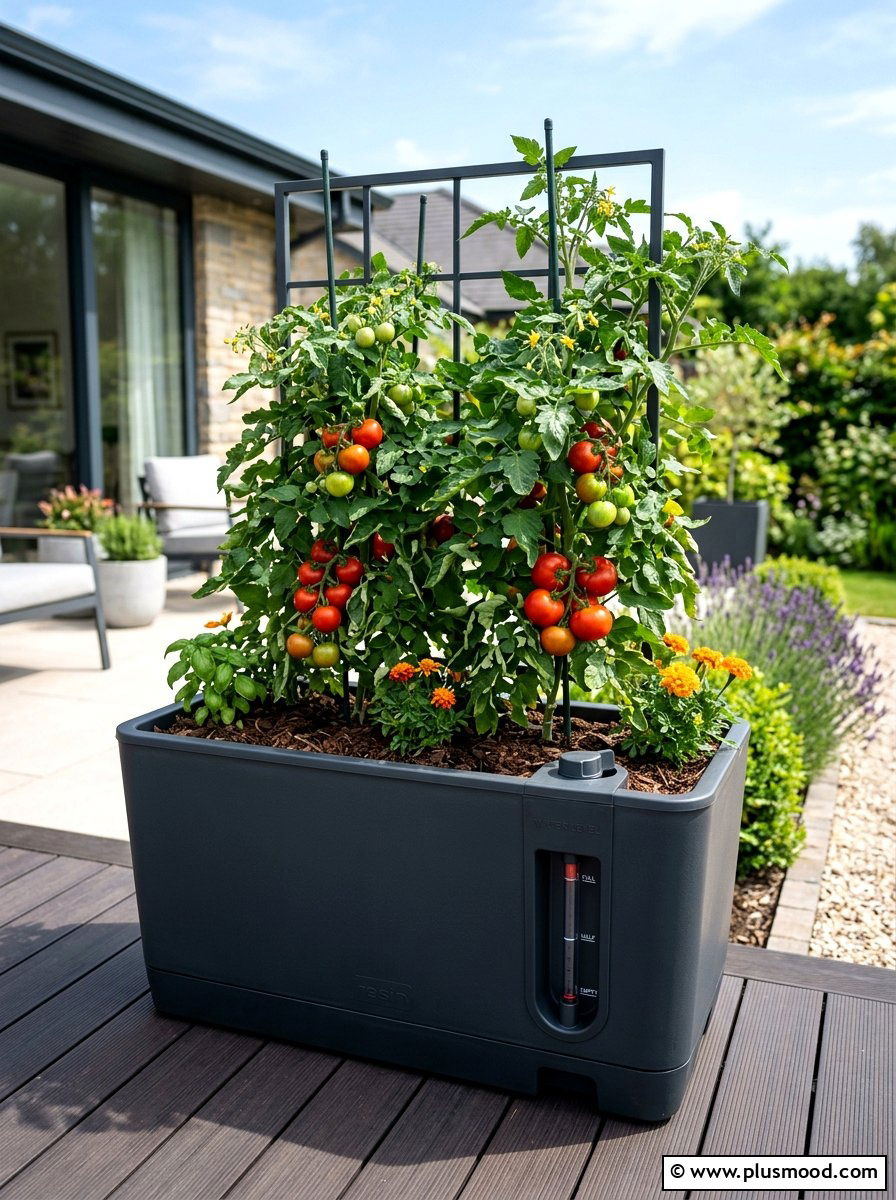
A self-watering garden box is a high-tech raised bed that features a built-in reservoir at the bottom to provide consistent moisture to the plants. This is the perfect solution for small backyards or balconies where the sun can be intense and pots dry out quickly. By using a wicking system, the plants take only as much water as they need, which prevents both overwatering and underwatering. These boxes are usually very tidy and self-contained, making them ideal for modern urban spaces. They allow you to go on vacation without worrying about your garden, ensuring your small oasis stays green and healthy.
Conclusion:
Investing time in planning your small backyard with raised beds can completely change how you interact with your outdoor environment. These 25 ideas demonstrate that you do not need a massive estate to enjoy the beauty of a productive garden or the serenity of a floral retreat. By selecting materials like cedar, stone, or metal and choosing layouts that utilize vertical space and corners, you create a garden that feels both intentional and expansive. Raised beds not only improve the health of your plants but also enhance the overall organization and style of your home. Start small, pick a design that fits your lifestyle, and watch your backyard transform into a thriving haven.
Related posts:
Leave a Reply