
Creating a stunning outdoor sanctuary doesn't require sprawling acreage; even the most modest small backyard can become a lush paradise with strategic planning. Many homeowners feel restricted by limited square footage, but incorporating flower beds is a transformative way to add depth, color, and texture to your personal retreat. By focusing on smart layouts and plant selections, you can turn a cramped patch of grass into a vibrant, multi-dimensional garden. This guide explores creative ways to integrate greenery through raised planters, vertical arrangements, and border styling. Whether you prefer a modern aesthetic or a wild cottage feel, these small backyard concepts will help you maximize every inch of your outdoor living space while boosting your home’s curb appeal and providing a peaceful place to unwind every single day.
1. Corner Flower Bed Layout
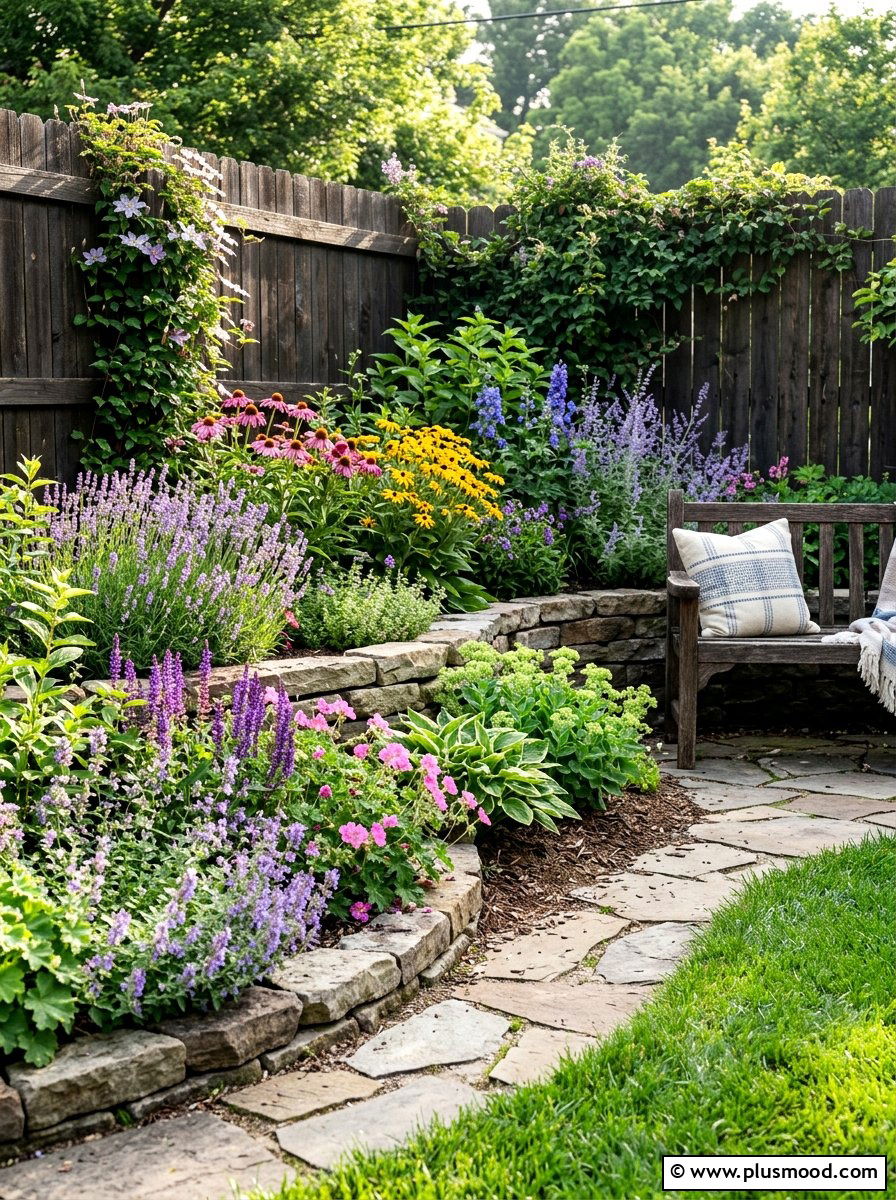
Tucking a vibrant garden into a corner is a brilliant way to optimize a compact backyard while creating a natural focal point. This approach allows you to soften the sharp angles of a fence or wall, making the entire yard feel more expansive and thoughtfully composed. By layering taller shrubs in the back and shorter, colorful blooms in the front, you establish a sense of depth that draws the eye. Many homeowners choose to incorporate a small seating area right next to these corner beds to enjoy the fragrance and beauty up close. It is a practical solution for anyone wanting to maintain open lawn space while still enjoying a rich variety of botanical textures and seasonal colors throughout the year.
2. Raised Wooden Garden Beds
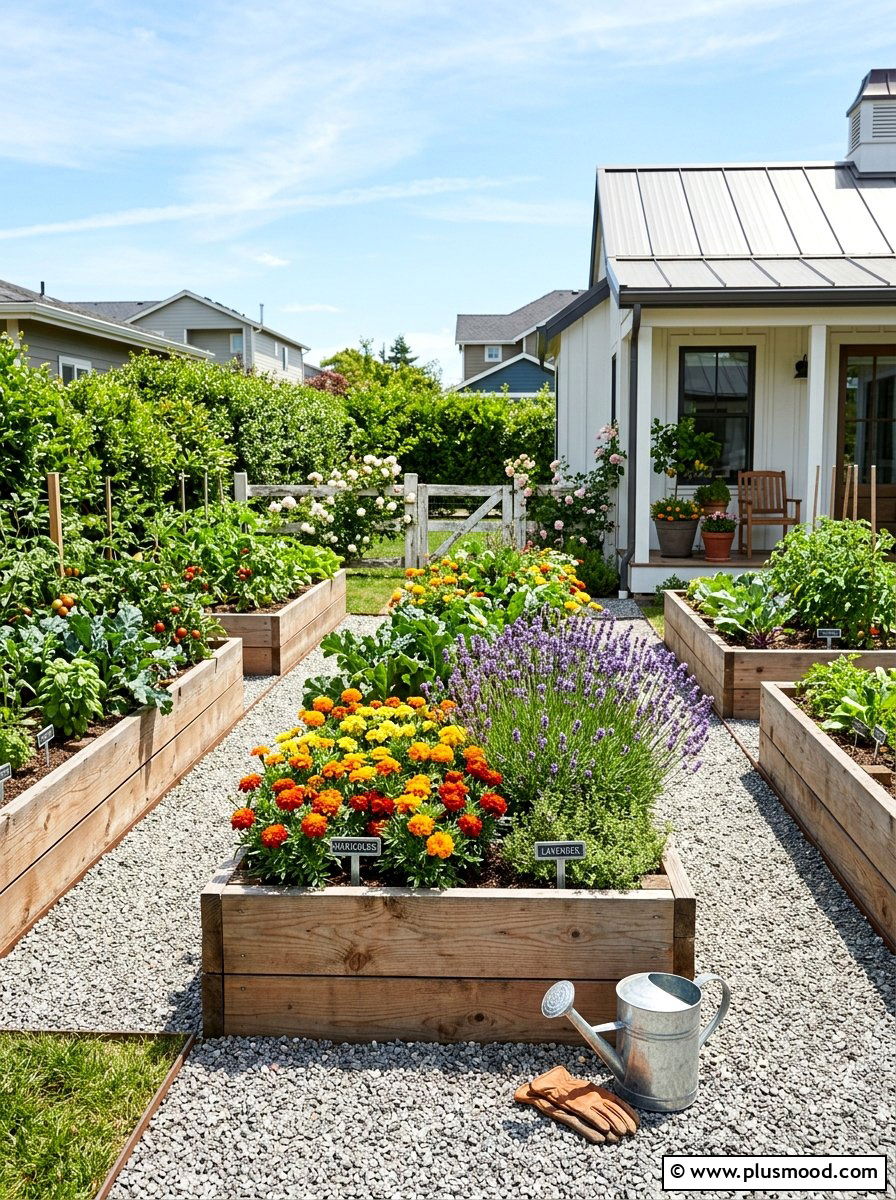
Utilizing elevated structures is a fantastic way to define specific zones within a limited outdoor area while improving soil drainage and accessibility. These wooden frames can be built to various heights, creating a tiered effect that adds architectural interest to a flat yard. You can plant a mix of cascading flowers and upright perennials to create a full, overflowing look that feels incredibly lush. Because these beds are contained, they help prevent weeds from spreading and make maintenance much easier for the average gardener. Pairing these warm wood tones with bright green foliage creates a cozy, inviting atmosphere that encourages you to spend more time outdoors enjoying your hard work and beautiful plant selections.
3. Narrow Backyard Border Planting
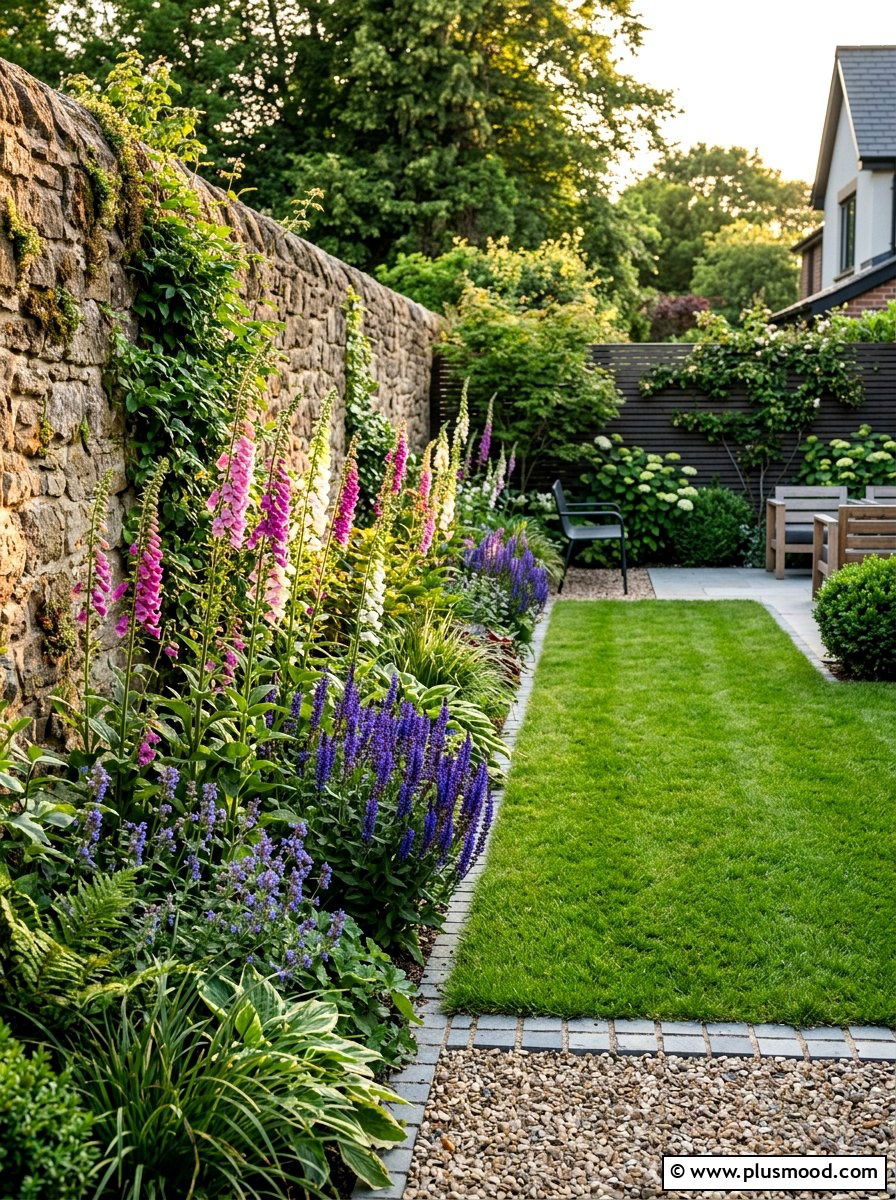
Installing slender garden beds along the perimeter of your property is a clever technique to introduce greenery without sacrificing valuable floor space. These borders act as a living frame for your yard, drawing the eye along the edges and making the central area appear larger and more open. You can select upright plants like foxgloves or hollyhocks to add height without taking up much horizontal room. Mixing different leaf shapes and flower colors ensures that the border remains visually interesting even when certain plants are not in bloom. This method is perfect for urban dwellers who want a high-impact garden that feels organized, tidy, and perfectly integrated into their small outdoor living environment.
4. Vertical Garden Wall With Flowers
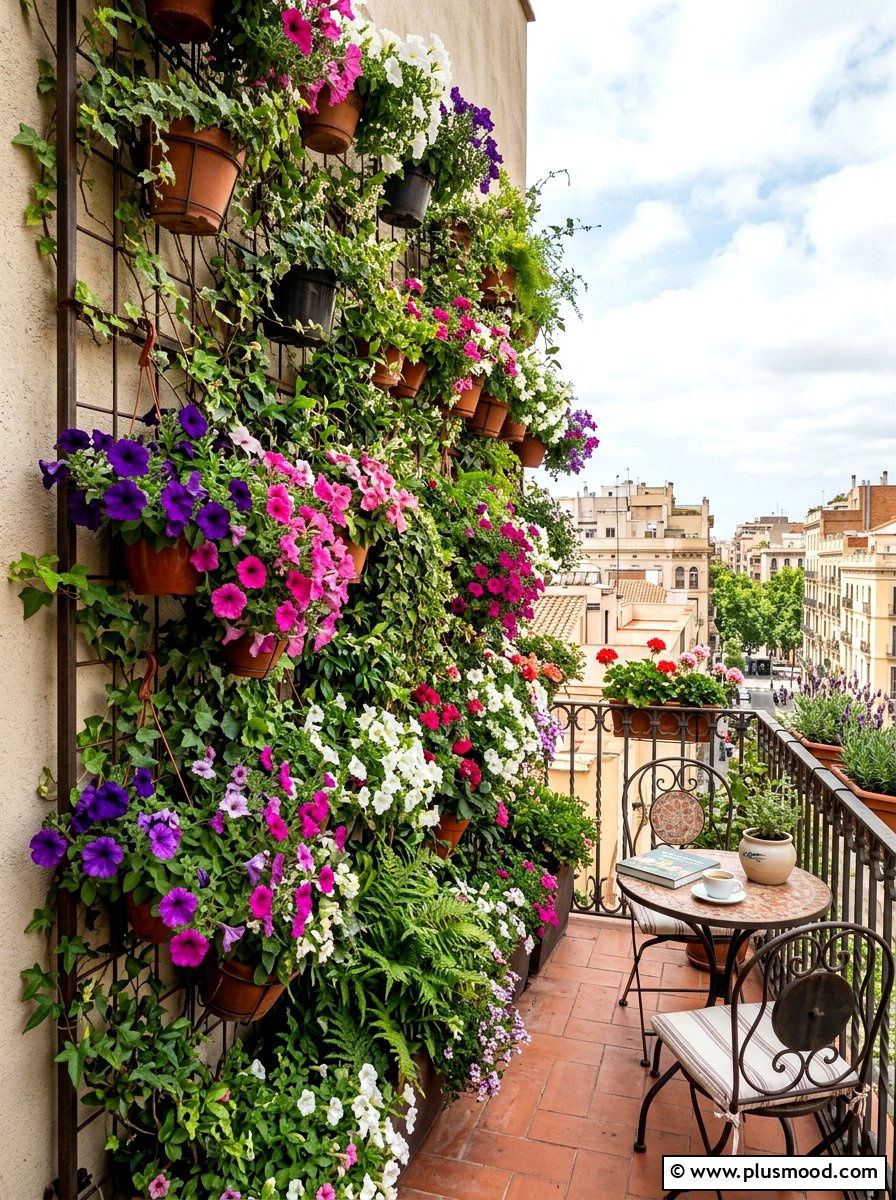
When ground space is at a premium, moving your garden upward is the most effective way to introduce a massive amount of life. A vertical wall can consist of stacked planters, hanging pockets, or a trellis system covered in climbing roses and jasmine. This vertical greenery provides an instant splash of color and acts as a natural privacy screen against neighboring houses. It transforms a boring brick wall or wooden fence into a living piece of art that breathes life into the entire space. By choosing a variety of trailing plants and small flowering annuals, you create a dense tapestry of nature that feels like a secluded, hidden forest right in the middle of your city.
5. Stone Edge Garden Beds
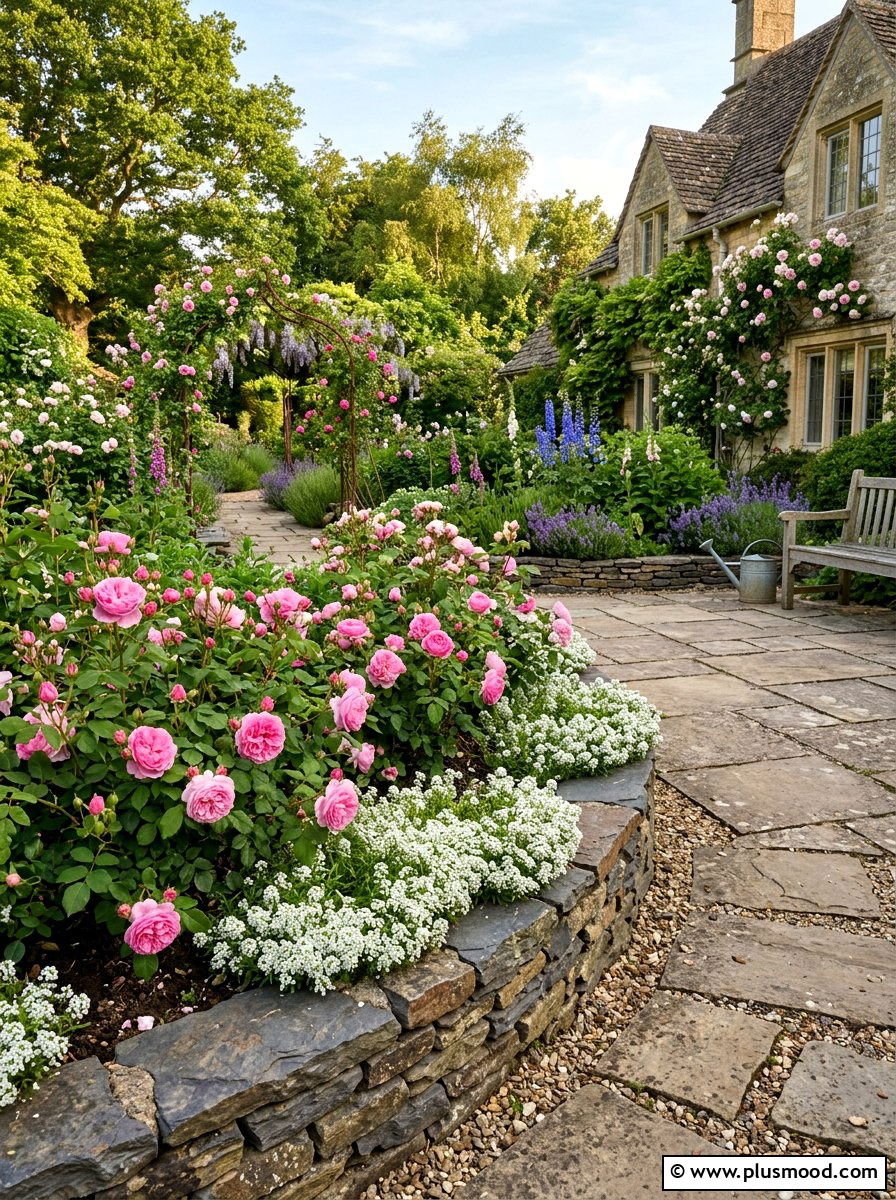
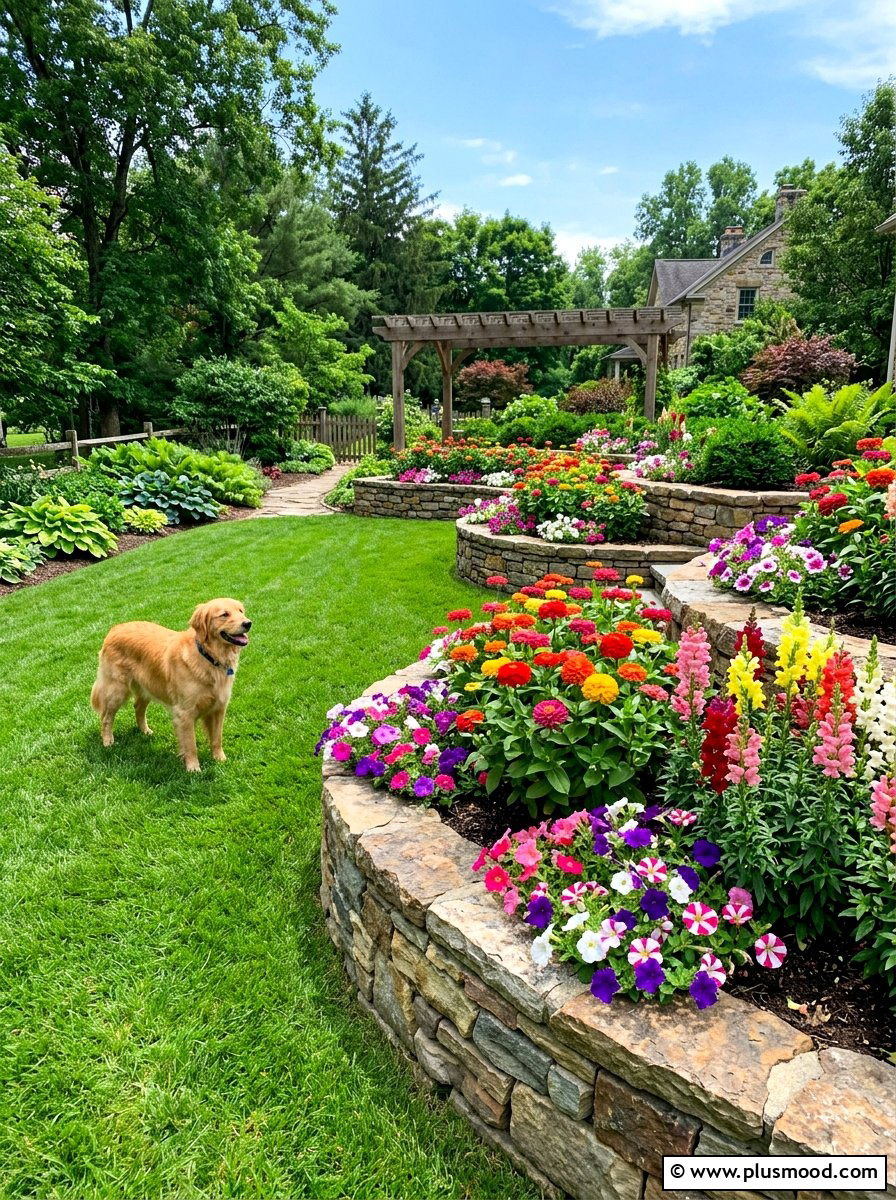
Incorporating natural stone borders provides a timeless and sophisticated look that grounds your backyard design with an earthy, permanent feel. Whether you use large flagstones or stacked fieldstones, these edges create a clear distinction between your walking paths and your growing areas. The texture of the stone provides a beautiful contrast to the soft petals and delicate leaves of your flowers. You can fill these beds with a mix of hardy perennials and ornamental grasses for a low-maintenance yet high-impact display. The thermal mass of the stones can even help regulate soil temperature, benefiting your plants during cooler months. This style works beautifully for those wanting a structured, elegant, and very professional-looking landscape.
6. Tiered Backyard Flower Beds
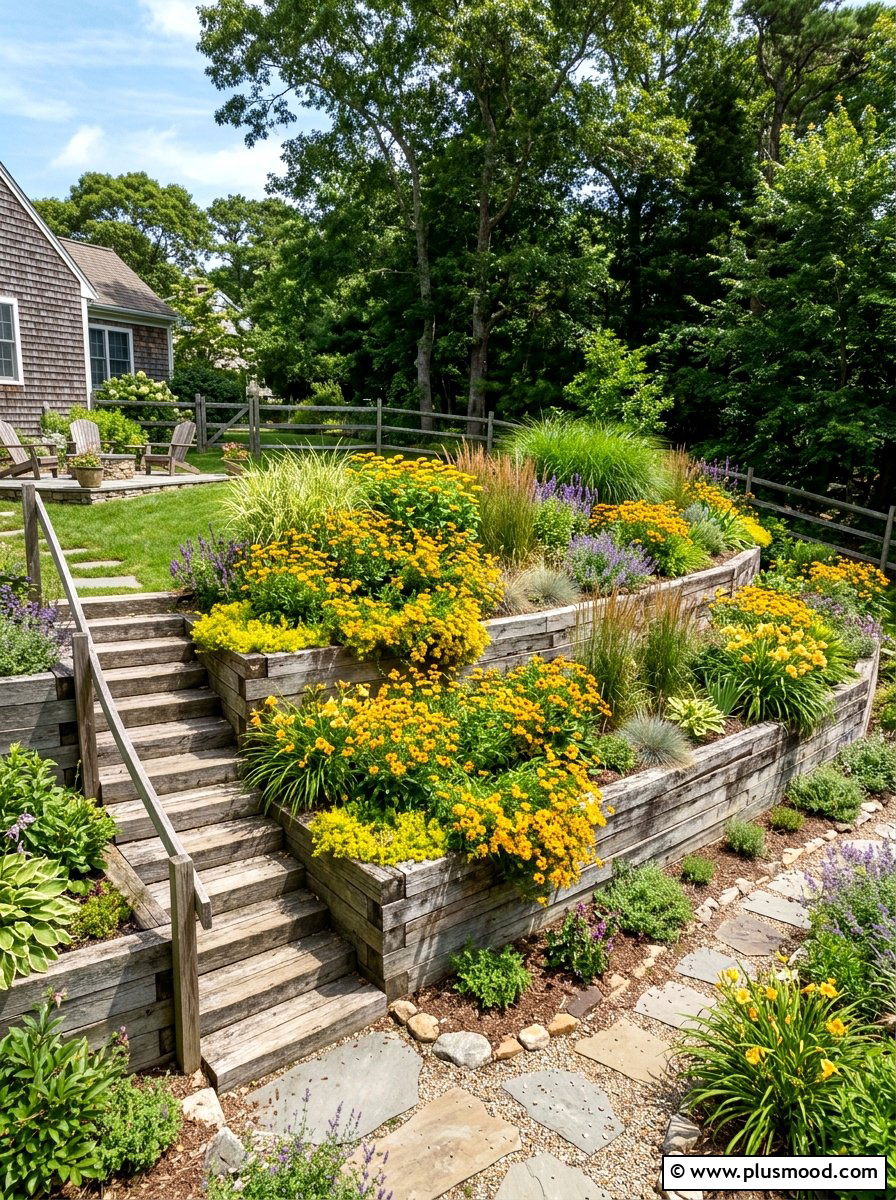
Creating multiple levels in your garden is a masterful way to deal with uneven terrain or to simply add visual drama to a flat lot. Using timber, stone, or brick to build steps of soil allows you to showcase different plant varieties at various heights. This layering technique ensures that every single flower is visible, preventing smaller plants from being hidden behind taller ones. Tiered beds also provide an excellent opportunity to incorporate small cascading water features that flow from one level to another. The result is a dynamic and three-dimensional garden that feels much larger than it actually is. It is a sophisticated way to organize your favorite blooms into a cohesive and very impressive outdoor display.
7. Small Cottage Garden Style
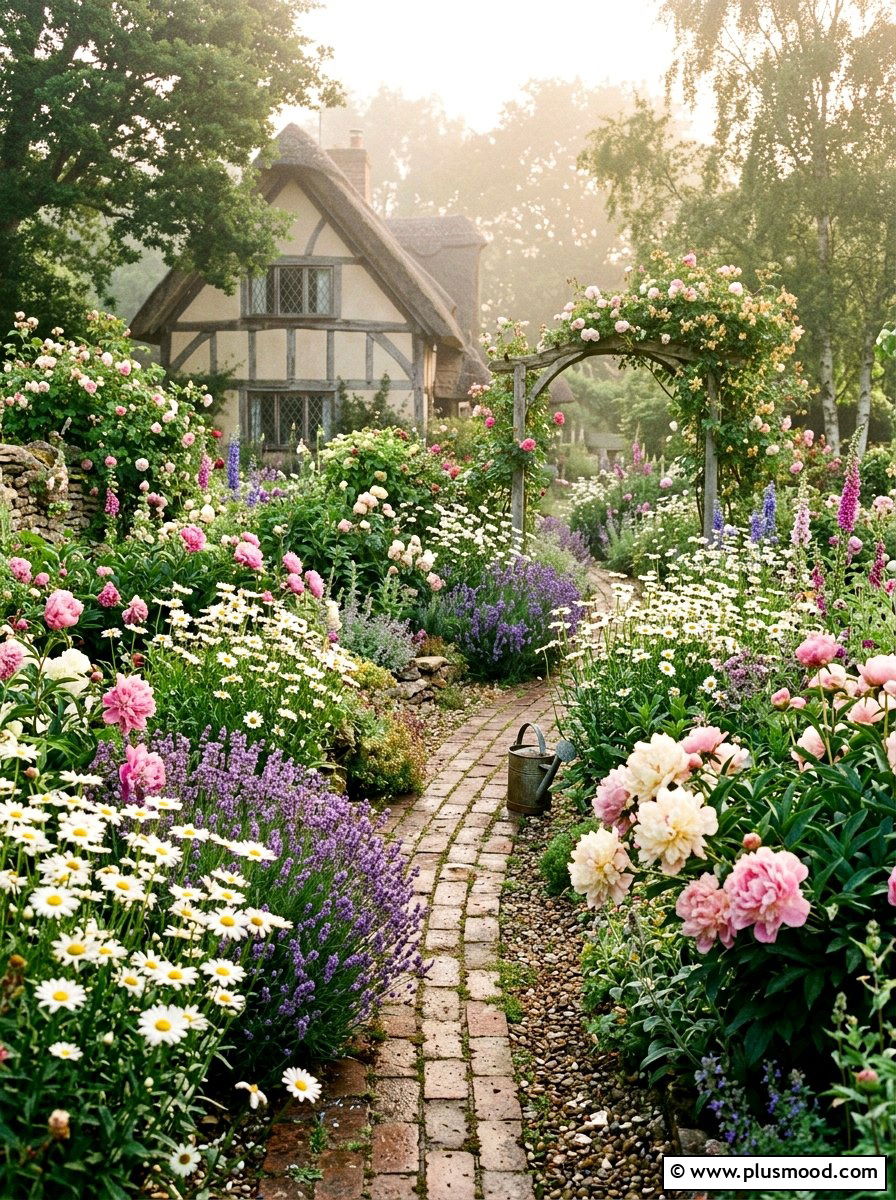
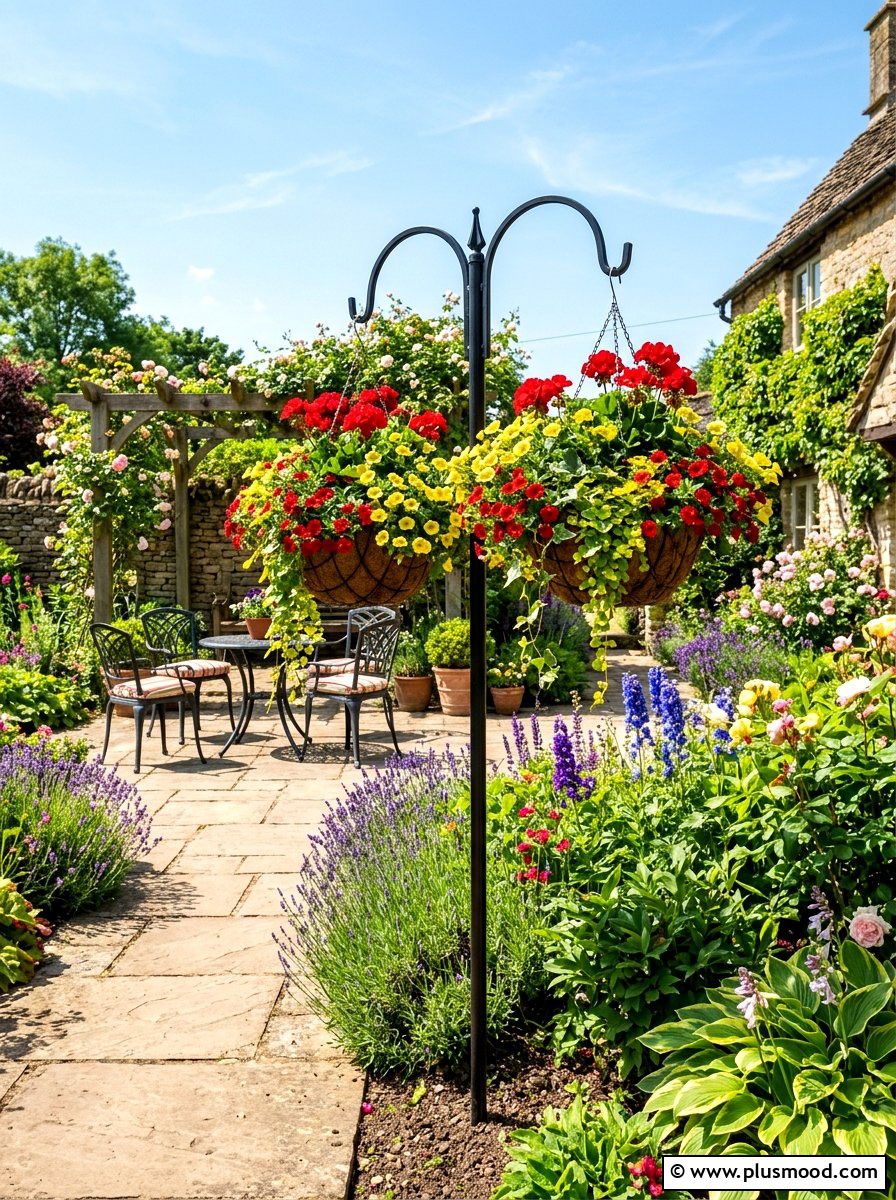
Embracing a bit of organized chaos can lead to a charming and romantic outdoor space that feels like a storybook setting. A cottage-style garden uses every available inch to grow a dense mixture of traditional flowers like lavender, peonies, and daisies. Instead of rigid lines, these beds feature soft, overflowing edges that spill onto paths or patios. This style is particularly effective in small yards because the abundance of plants creates a sense of privacy and seclusion. The variety of scents and colors attracts butterflies and bees, adding movement and life to your home. It is an ideal choice for someone who loves a lush, natural look that prioritizes beauty and a relaxed, lived-in feel.
8. Modern Minimalist Flower Beds
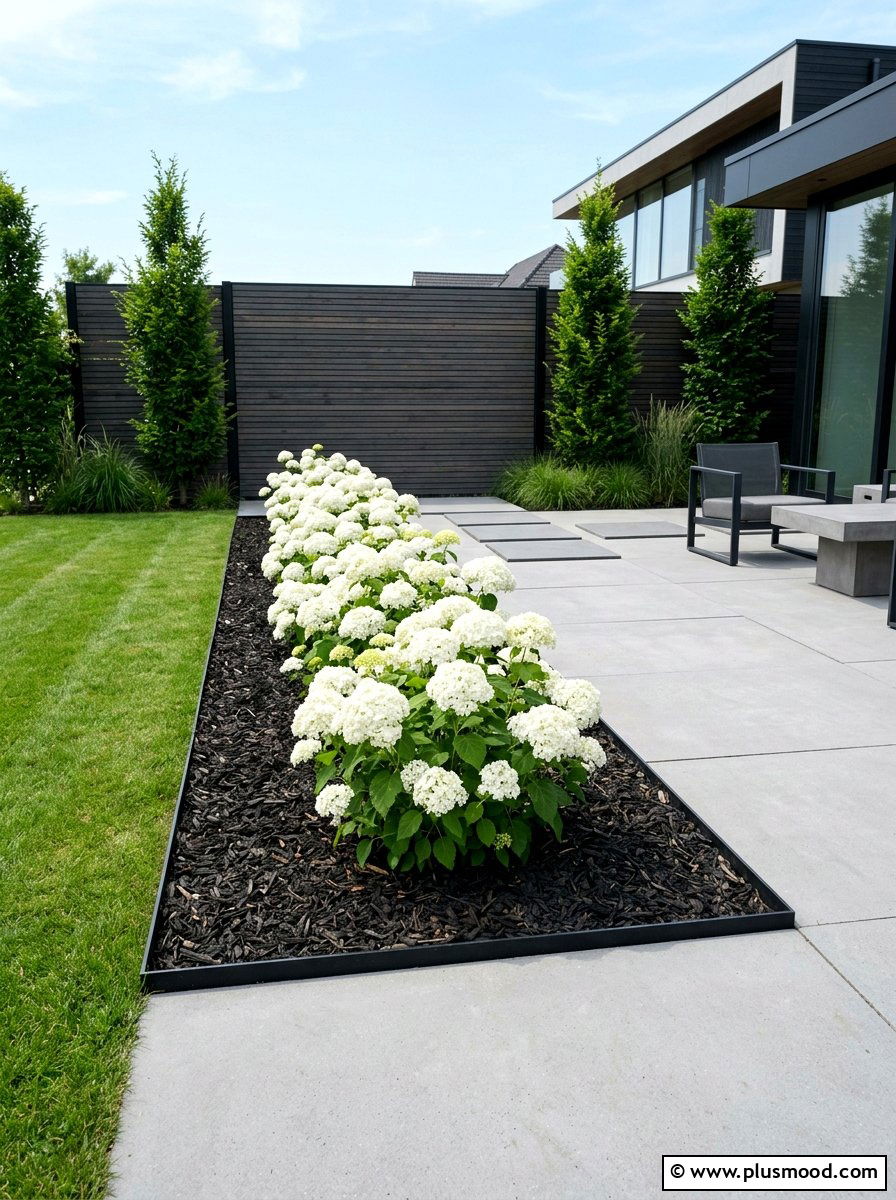
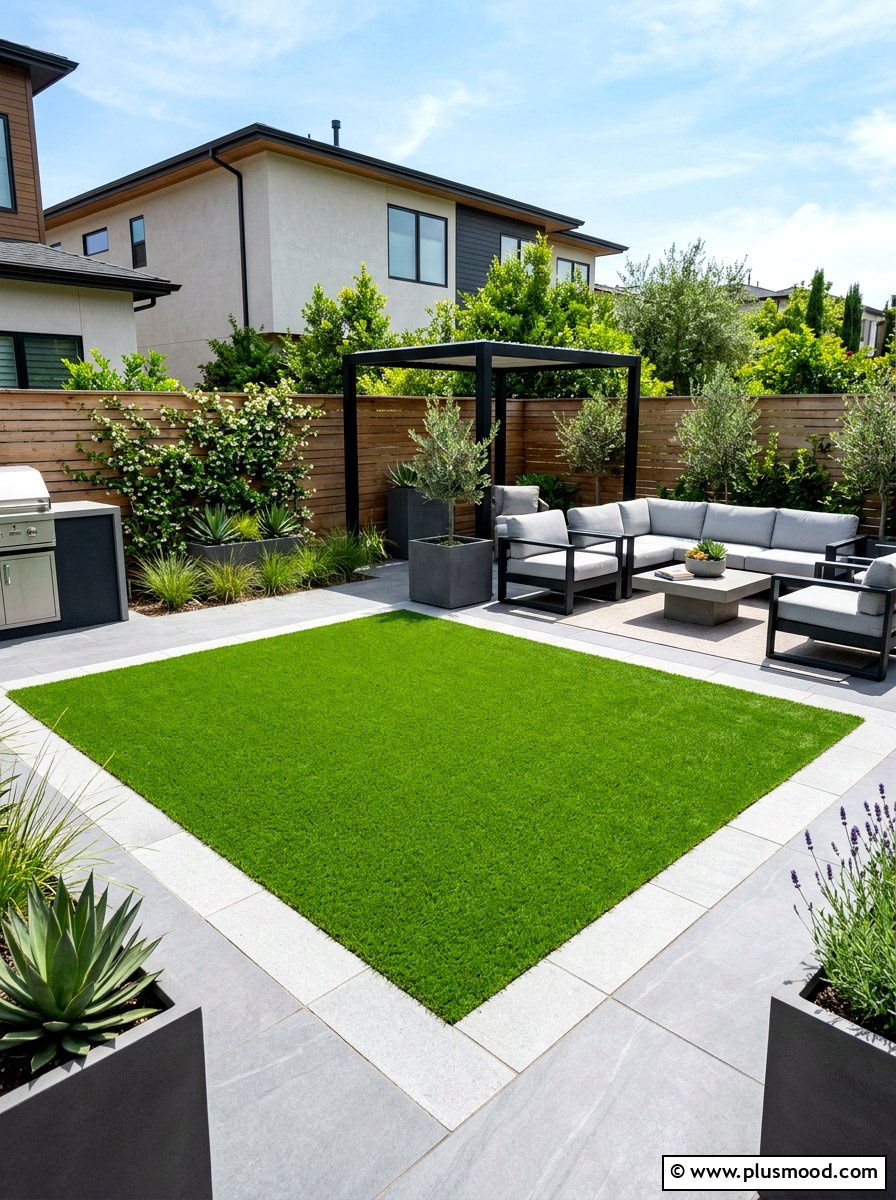
For those who prefer a clean and contemporary look, a minimalist garden focuses on structure, symmetry, and a limited color palette. These beds often feature straight lines and geometric shapes, using metal or concrete edging for a sharp finish. Instead of a riot of color, you might choose a single type of white flower paired with deep green structural plants. This approach creates a sense of calm and order, making a small yard feel more sophisticated and less cluttered. Lighting is often integrated into these beds to highlight the architectural forms of the plants at night. It is a perfect solution for modern homes where the outdoor space is an extension of the interior living area.
9. Flower Beds Around Patio
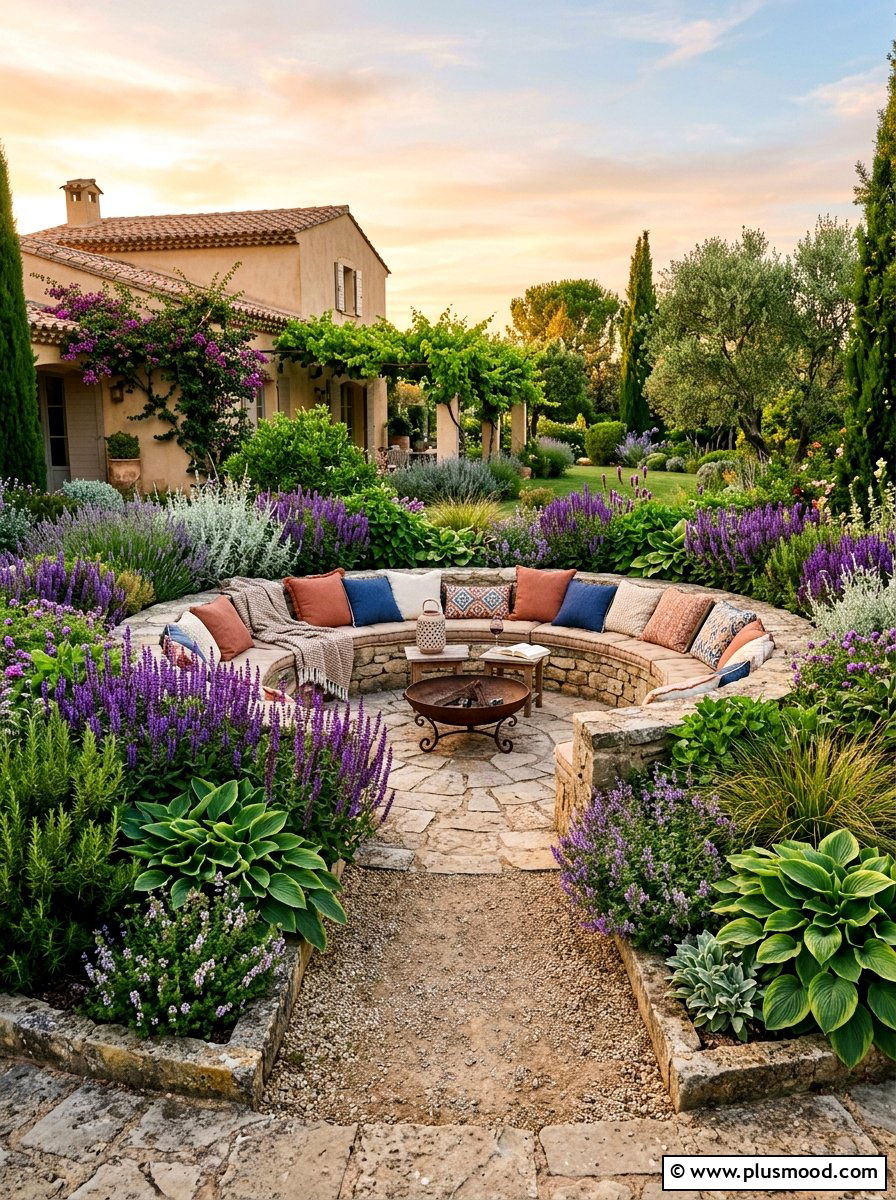
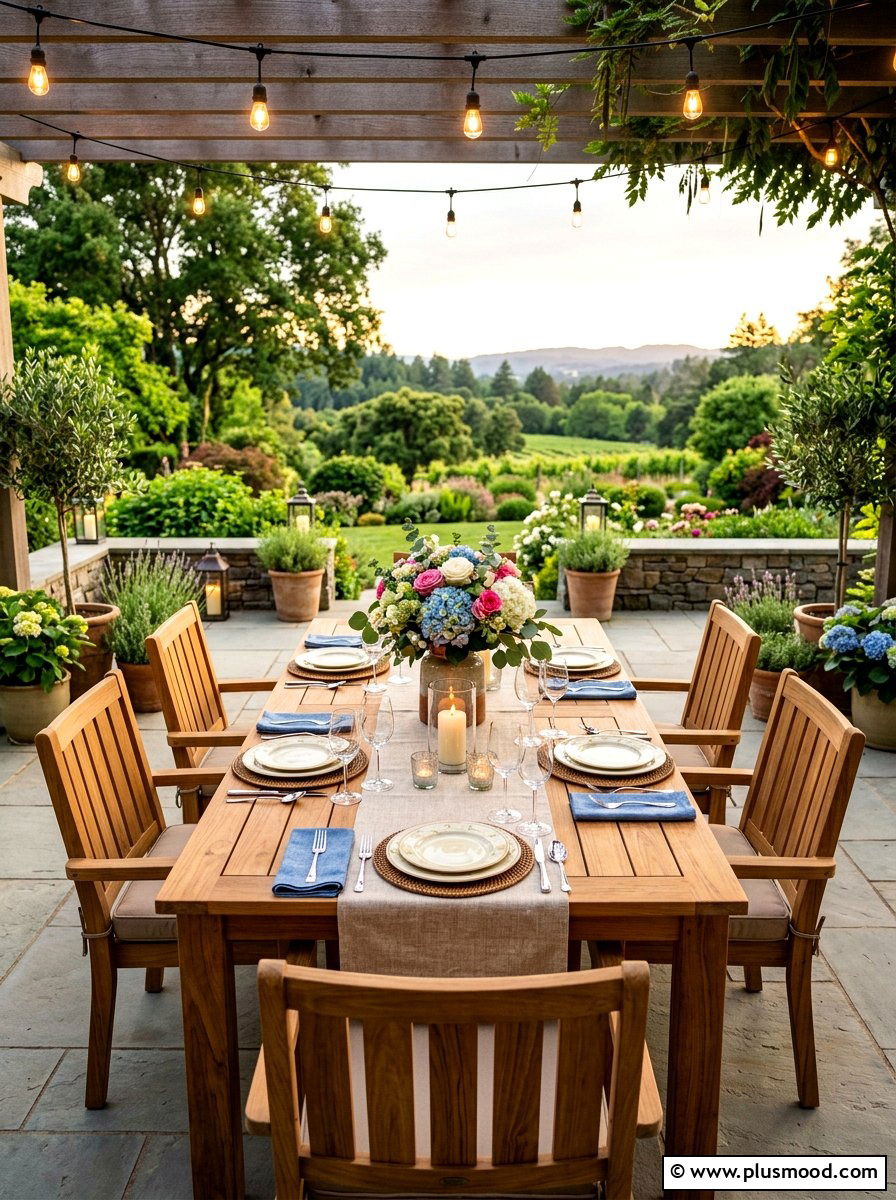
Surrounding your outdoor seating area with lush planting creates an intimate and immersive experience that makes dining or relaxing feel special. By placing garden beds directly adjacent to your pavers or decking, you bring the beauty and fragrance of nature right to your fingertips. You can use fragrant plants like gardenias or roses to enhance the sensory experience while you lounge. These beds also help to soften the transition between the hard landscaping and the natural elements of your yard. If space is tight, narrow beds with a few well-chosen specimens can still provide that feeling of being nestled in a private garden. It is a highly functional way to integrate greenery into your lifestyle.
10. Low Maintenance Perennial Garden
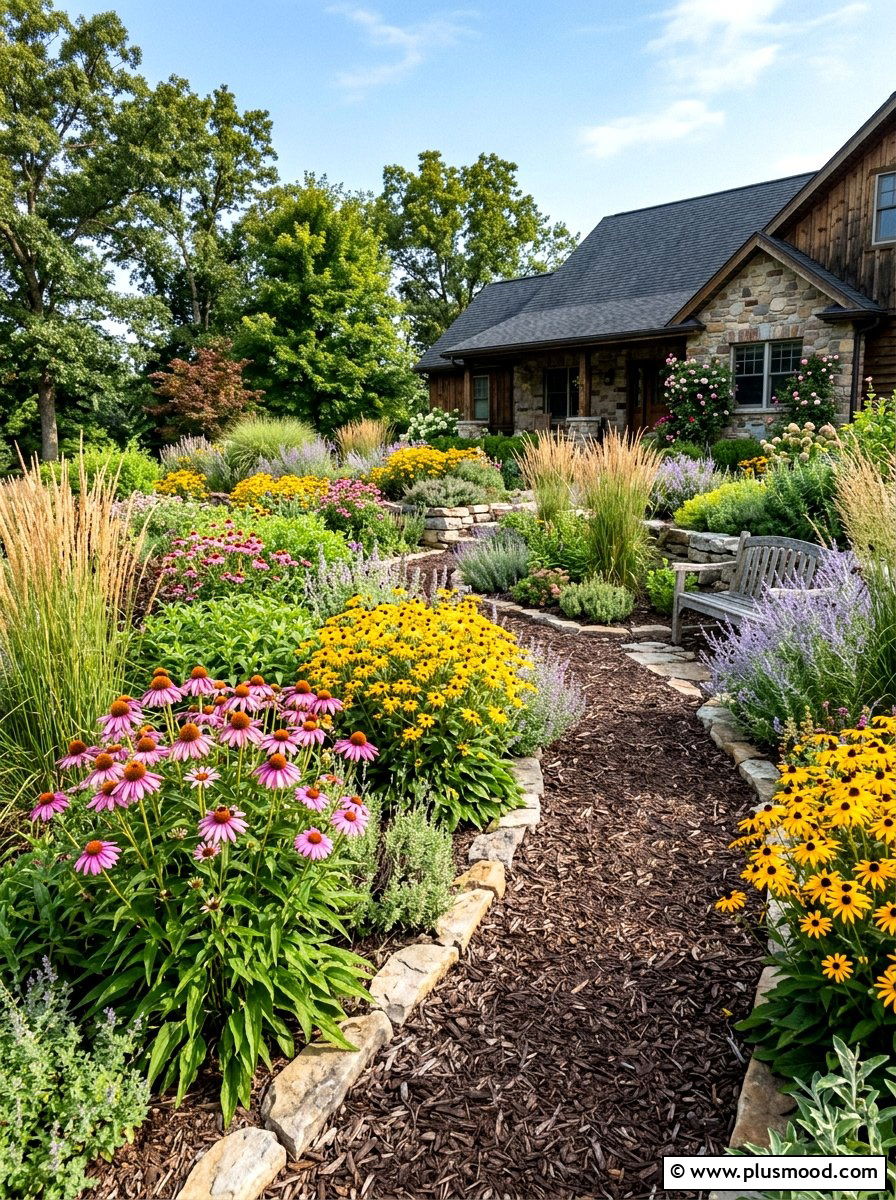
Choosing plants that return year after year is a smart strategy for busy homeowners who want a beautiful yard without constant replanting. Perennial beds can be designed to provide interest through every season, with different species taking turns to bloom. By selecting native plants, you ensure that your garden is well-suited to the local climate and requires less water and fertilizer. These beds look great when filled with a variety of textures, such as hostas for shade or coneflowers for sun. Once established, these plants fill in the gaps, naturally reducing the need for weeding. It is a sustainable and rewarding way to maintain a green space that stays beautiful with minimal effort on your part.
11. Colorful Wildflower Garden Patch
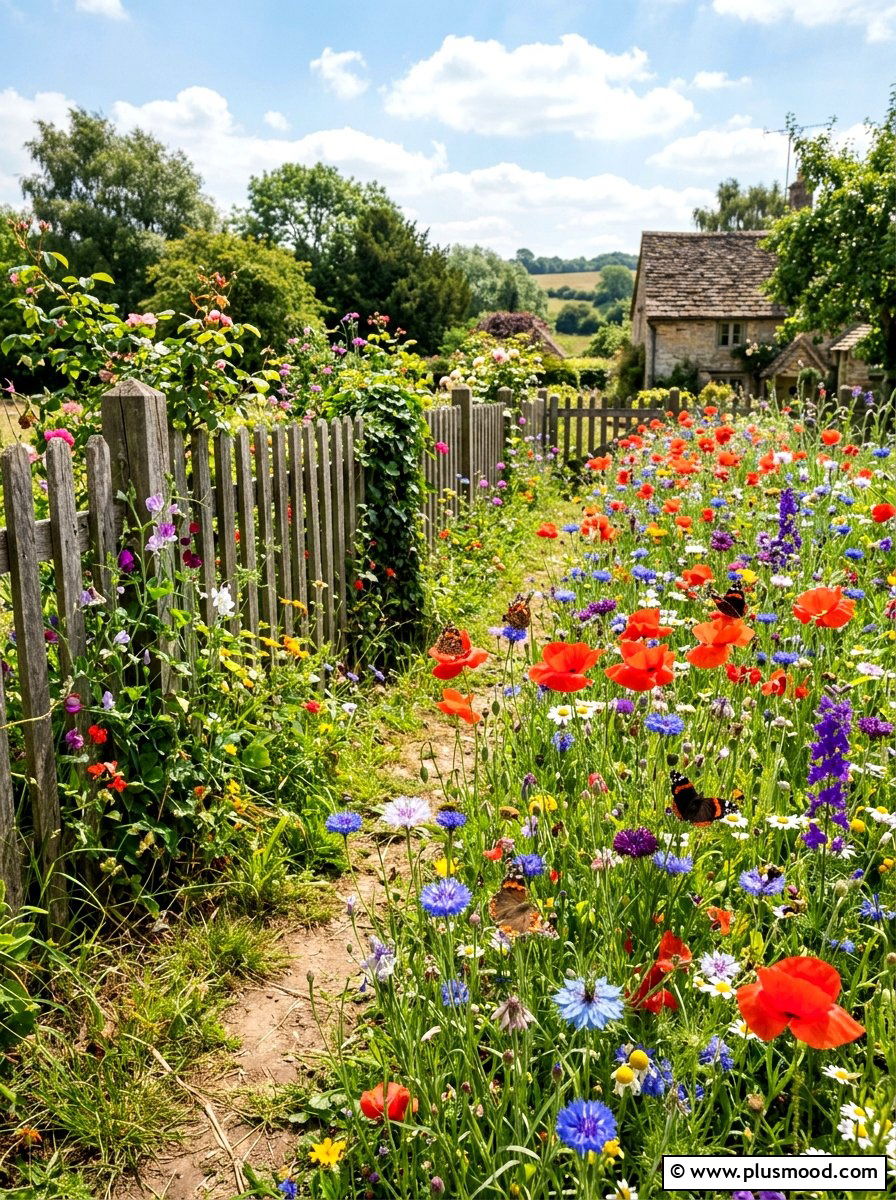
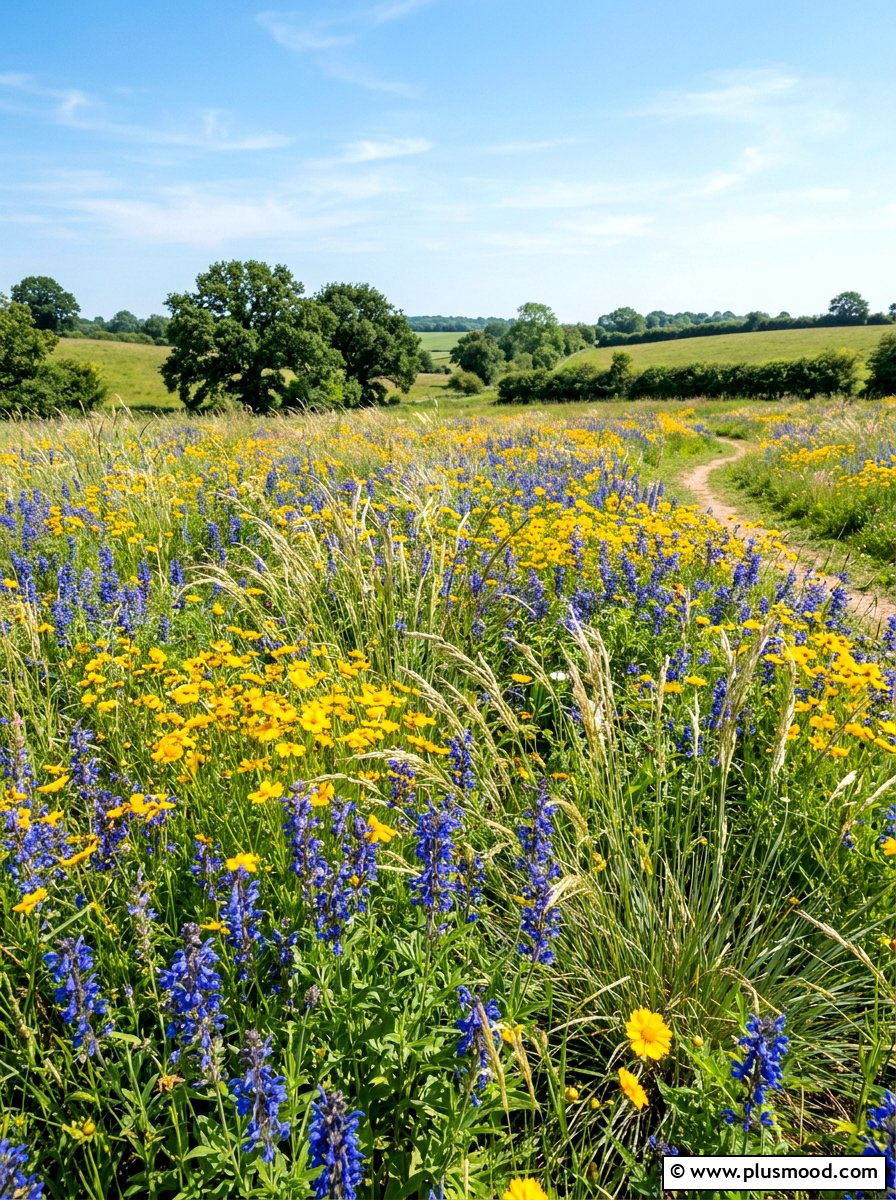
Dedicated to those who love a natural and slightly wild aesthetic, a small wildflower patch can bring incredible biodiversity to your backyard. This type of flower bed requires very little structure and can be grown from a simple seed mix suited for your region. The result is a vibrant explosion of colors and shapes that changes throughout the summer months. Wildflowers are excellent for supporting local pollinators and require very little water once they are established. Even a tiny strip of land can be converted into a thriving habitat that feels like a slice of a meadow. It is a joyful, easy-going approach to gardening that celebrates the spontaneous beauty of nature in an urban or suburban setting.
12. Backyard Gravel Path With Flower Borders
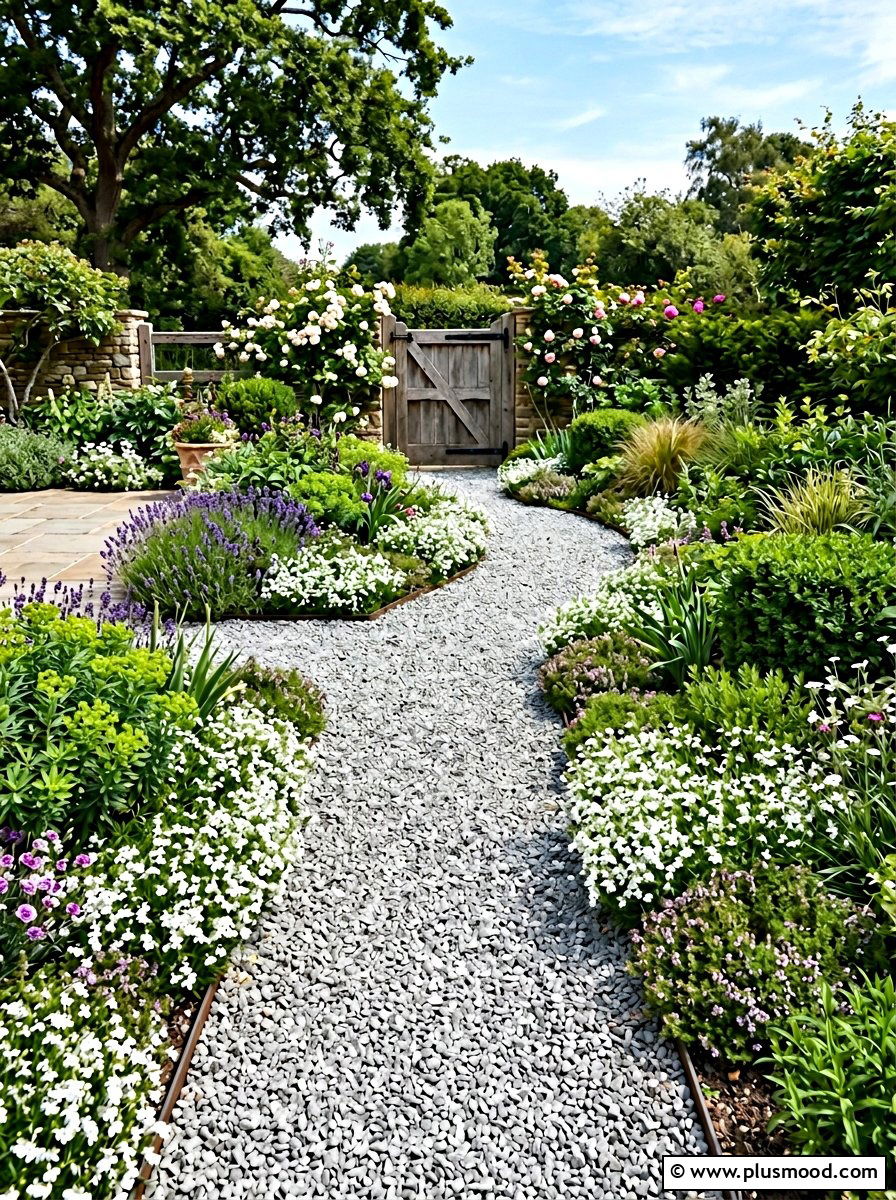
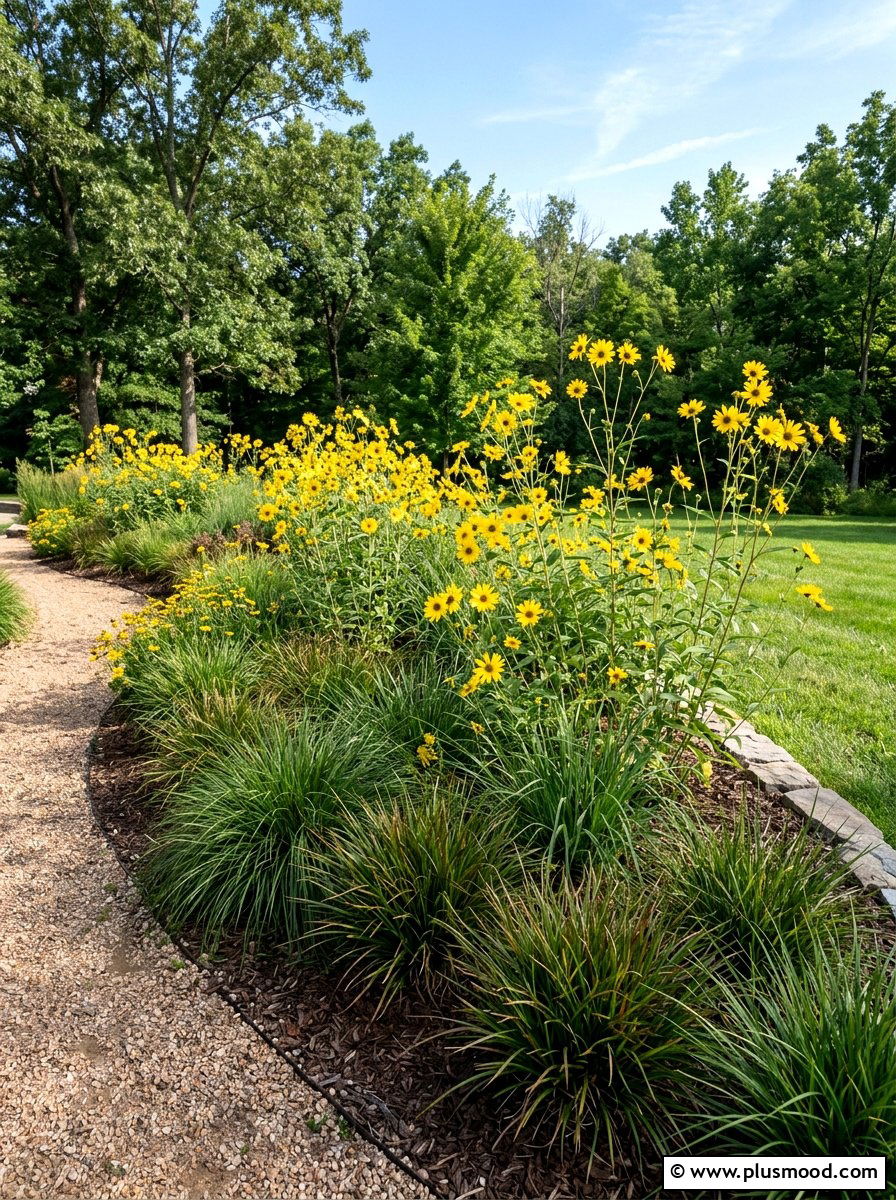
Combining hardscaping with soft planting is a classic way to create a functional and beautiful journey through your small outdoor space. A light-colored gravel path creates a bright contrast against the dark soil and green leaves of your flower beds. By lining the path with low-growing flowers like creeping thyme or alyssum, you create a sensory experience as you walk through the yard. The crunch of the gravel and the scent of the flowers work together to make the space feel like a curated botanical walk. This design helps to define different areas of the yard while maintaining a sense of flow and openness. It is an affordable and stylish way to structure a small garden layout.
13. Tropical Plant Backyard Beds
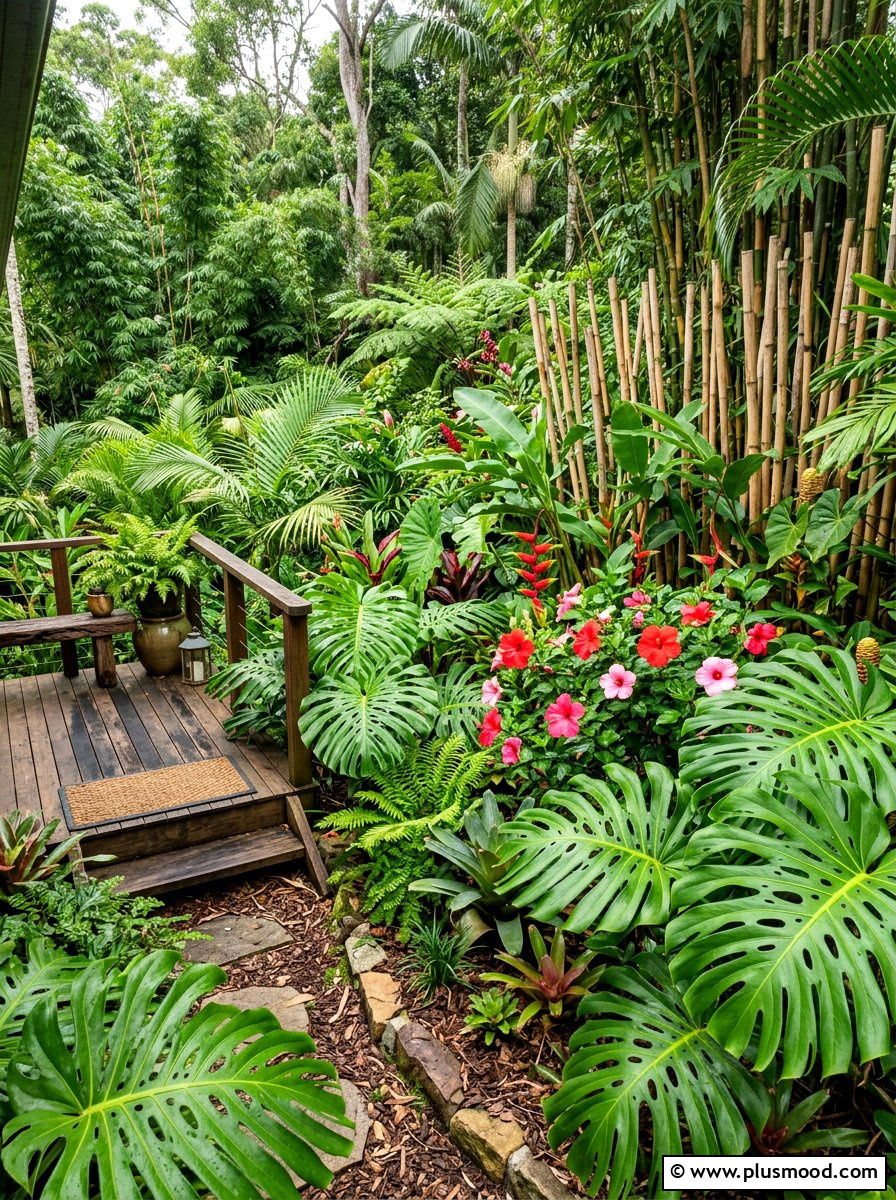
You can transform your small backyard into a lush island getaway by using plants with large, bold leaves and vibrant, exotic flowers. Even in non-tropical climates, many hardy varieties can mimic this look, such as canna lilies, hibiscus, and certain types of ferns. These plants tend to grow quickly and fill up space, creating a dense canopy that provides excellent shade and privacy. Layering different heights and textures creates a rich, jungle-like environment that feels incredibly private. Adding a few colorful pots or a small bamboo fence can further enhance the tropical theme. It is a bold design choice that turns a standard backyard into an exciting and immersive escape from the everyday world.
14. Symmetrical Boxwood Flower Beds
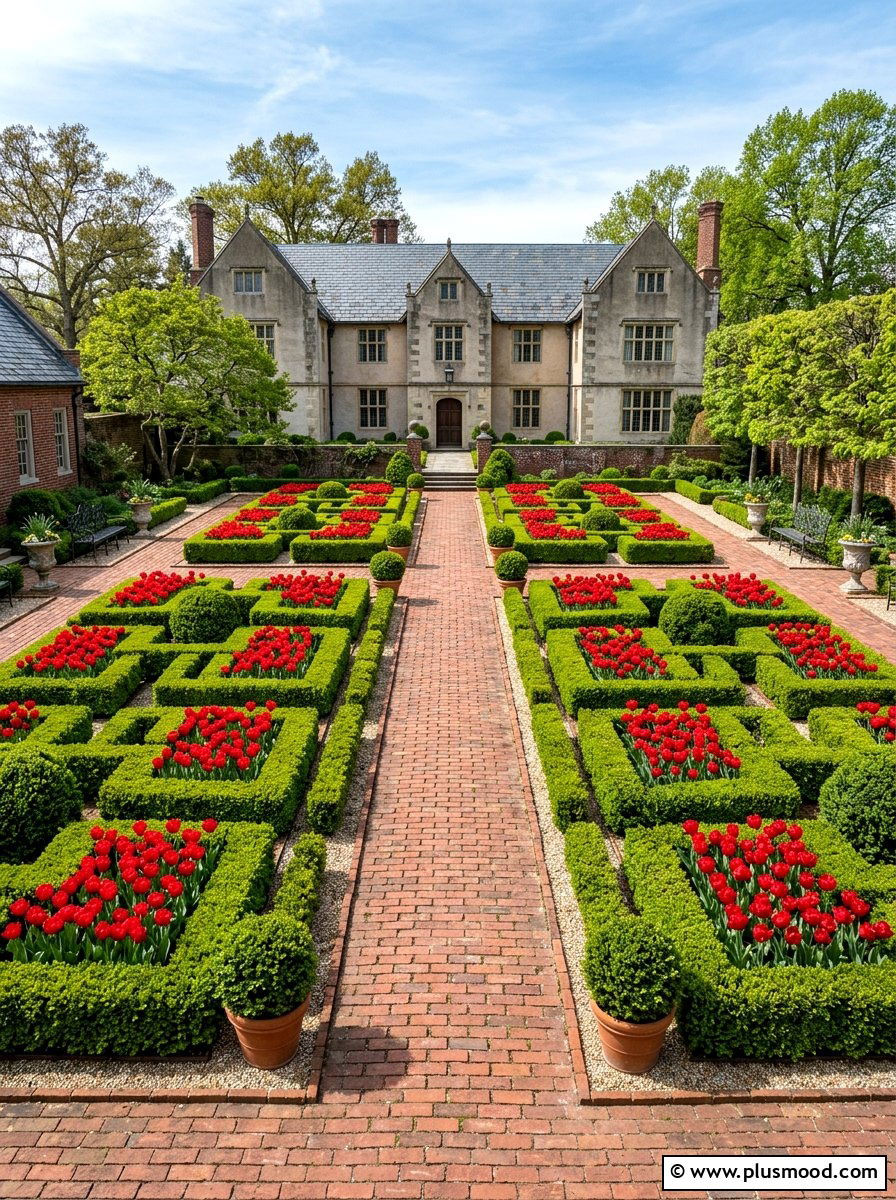
For a timeless and formal look, using clipped evergreen hedges to frame your flower beds adds a sense of permanence and elegance. Boxwoods provide a year-round structure that looks beautiful even in the middle of winter when other plants have faded away. Within these green frames, you can plant seasonal flowers like tulips in the spring or begonias in the summer for a pop of color. This symmetrical layout creates a sense of balance and harmony that can make a small yard feel much more organized and grand. It is a classic landscaping technique often found in high-end gardens, but it is easily scalable for smaller properties that want to achieve a sophisticated and very polished appearance.
15. Flower Beds Under Trees
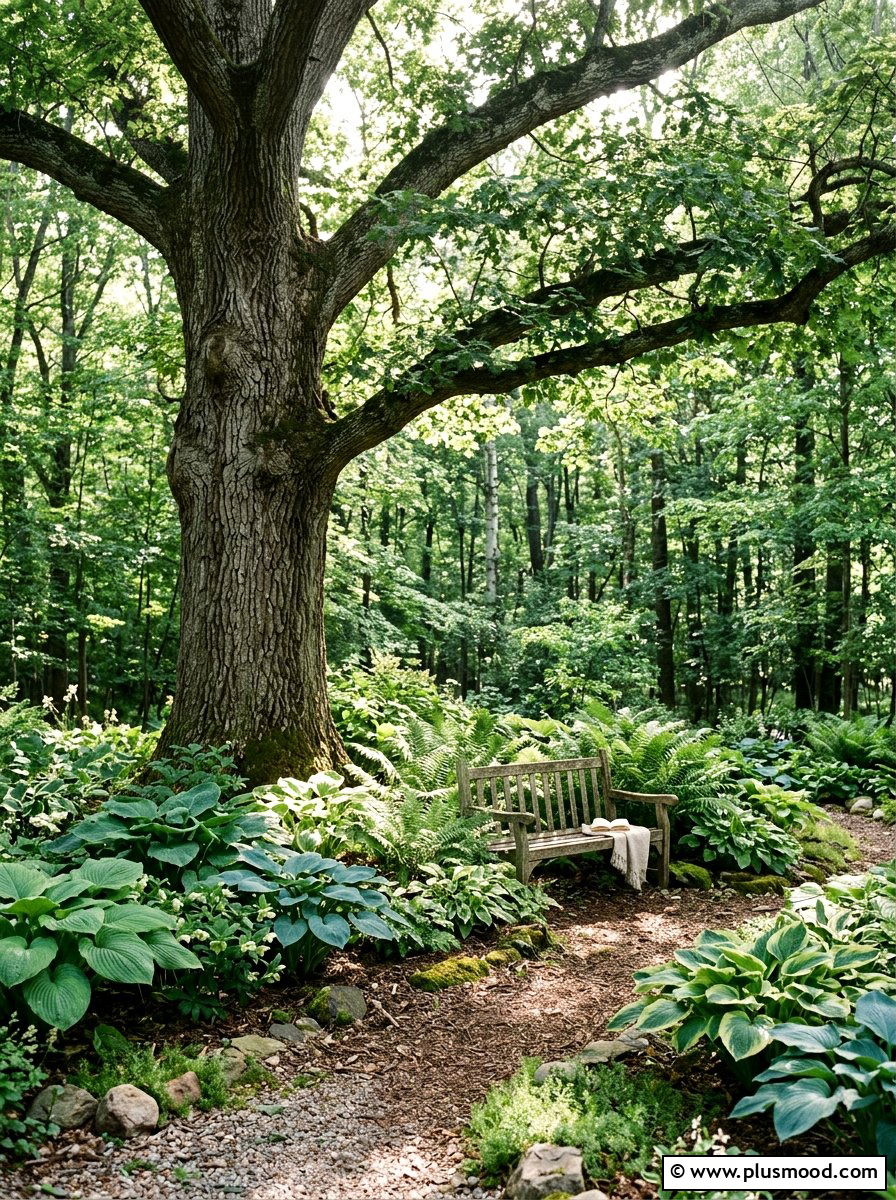
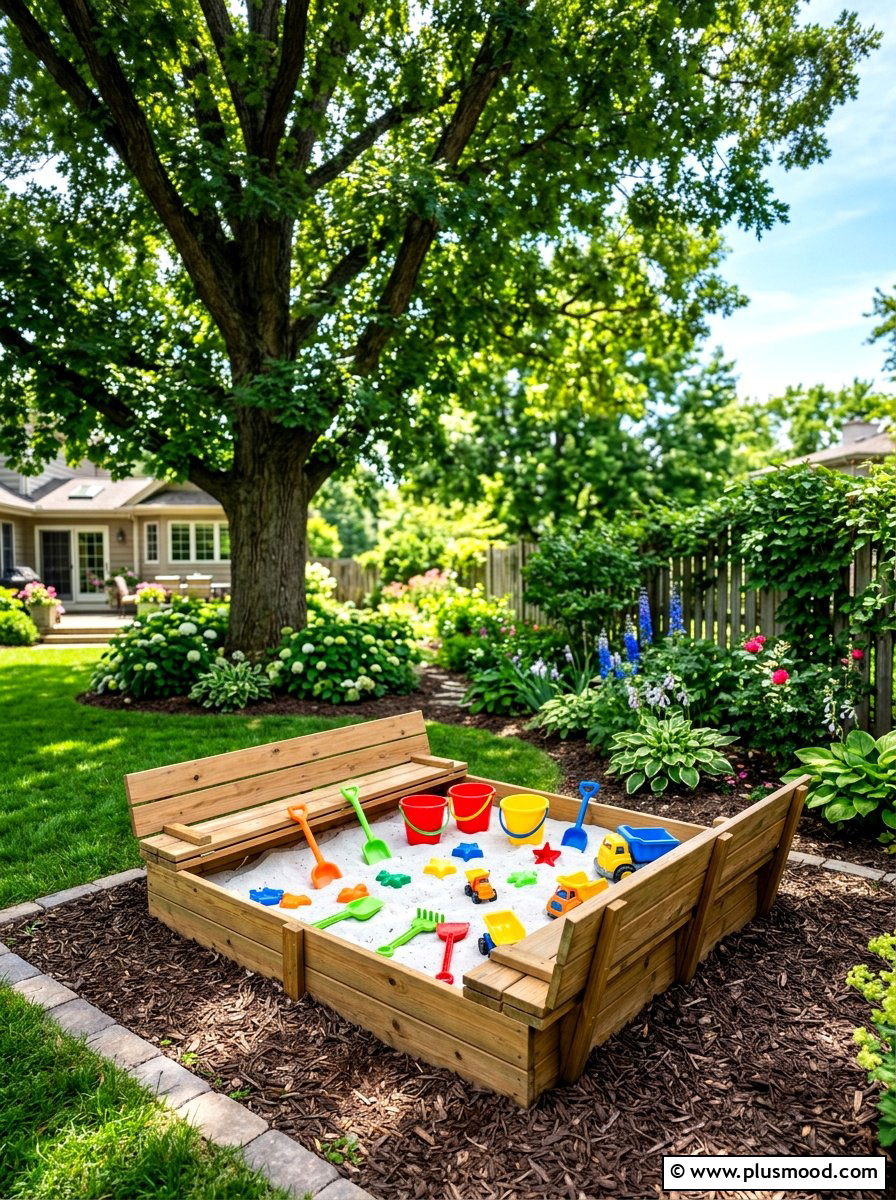
Utilizing the space beneath an existing tree canopy is a great way to make use of every square inch of your yard. These shaded areas are perfect for specialized plants that thrive in lower light, such as hydrangeas, bleeding hearts, and various types of ferns. By creating a mulch-lined bed around the base of the tree, you also protect the trunk from mower damage and help retain moisture for the roots. Planting in these zones adds a layer of lushness to the ground level, making the tree feel like a central part of a larger garden design. It is a wonderful way to create a cool, quiet retreat where you can enjoy the shade and the beauty of shade-loving blooms.
16. Privacy Screen With Flowering Plants
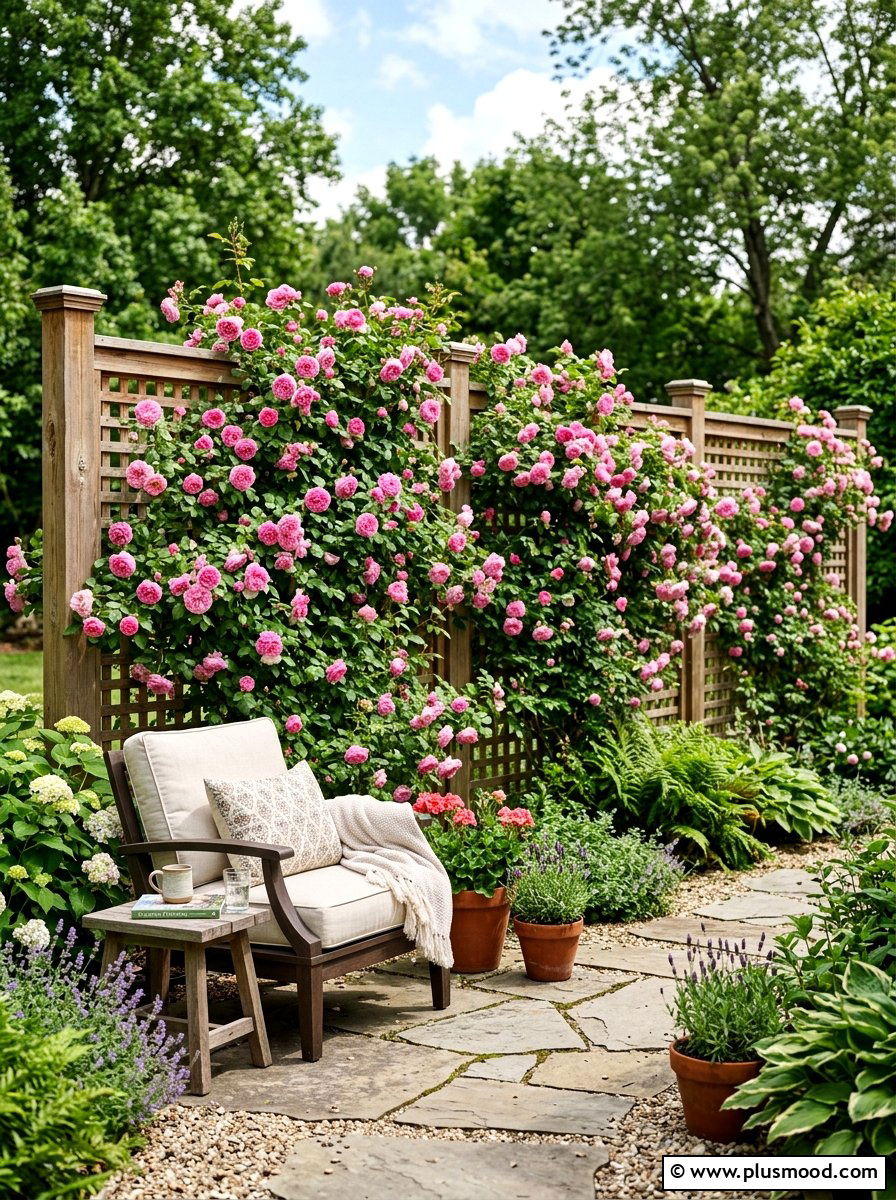
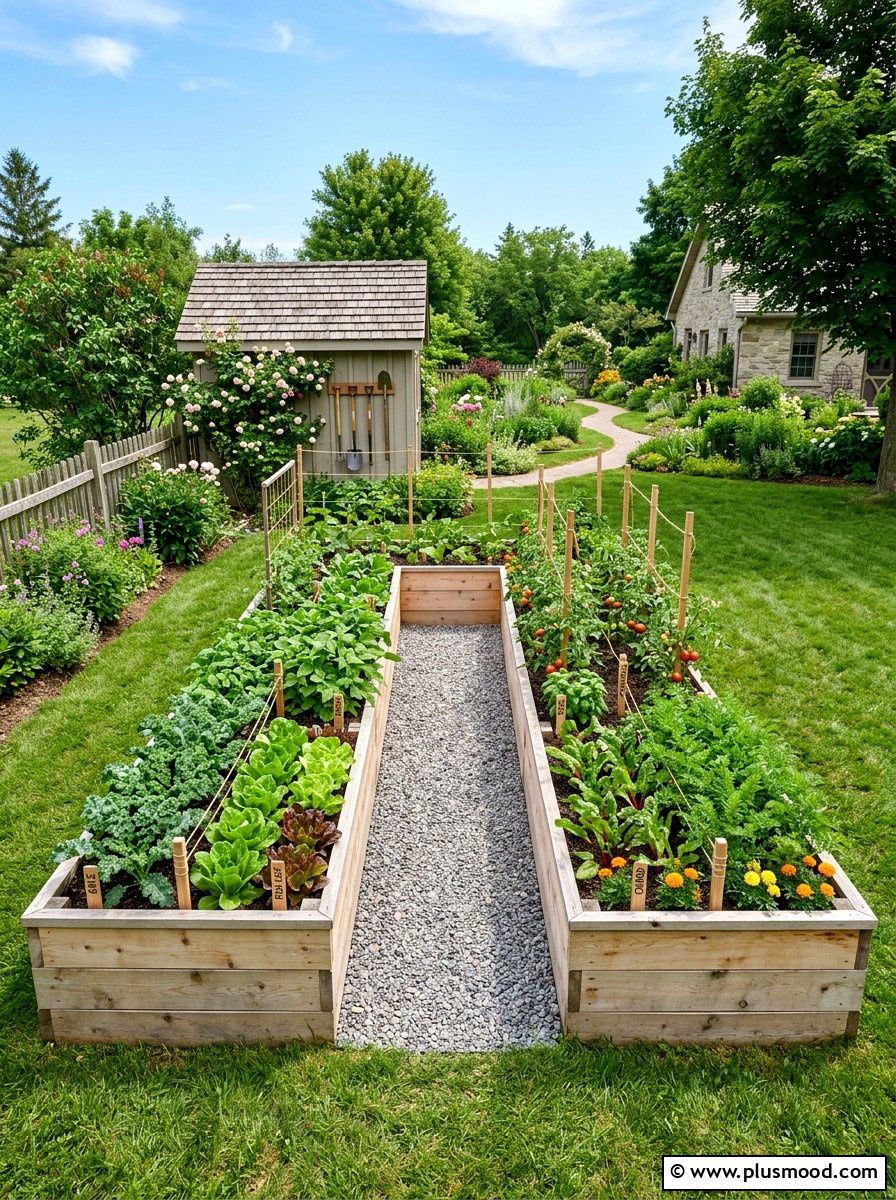
You can replace a boring fence with a living wall of greenery to create a private and beautiful boundary for your backyard. High-reaching shrubs or tall flowering perennials can be planted in a dense line to block the view from neighbors while adding color to your space. Climbing plants like clematis or trumpet vine grown on a trellis can also serve as a vertical flower bed that takes up almost no ground room. This dual-purpose design provides the functional need for seclusion while satisfying the desire for a lush, blooming environment. It makes the edges of your property feel soft and natural rather than cold and closed off, significantly improving the overall ambiance of the yard.
17. Shade Garden For Small Backyards
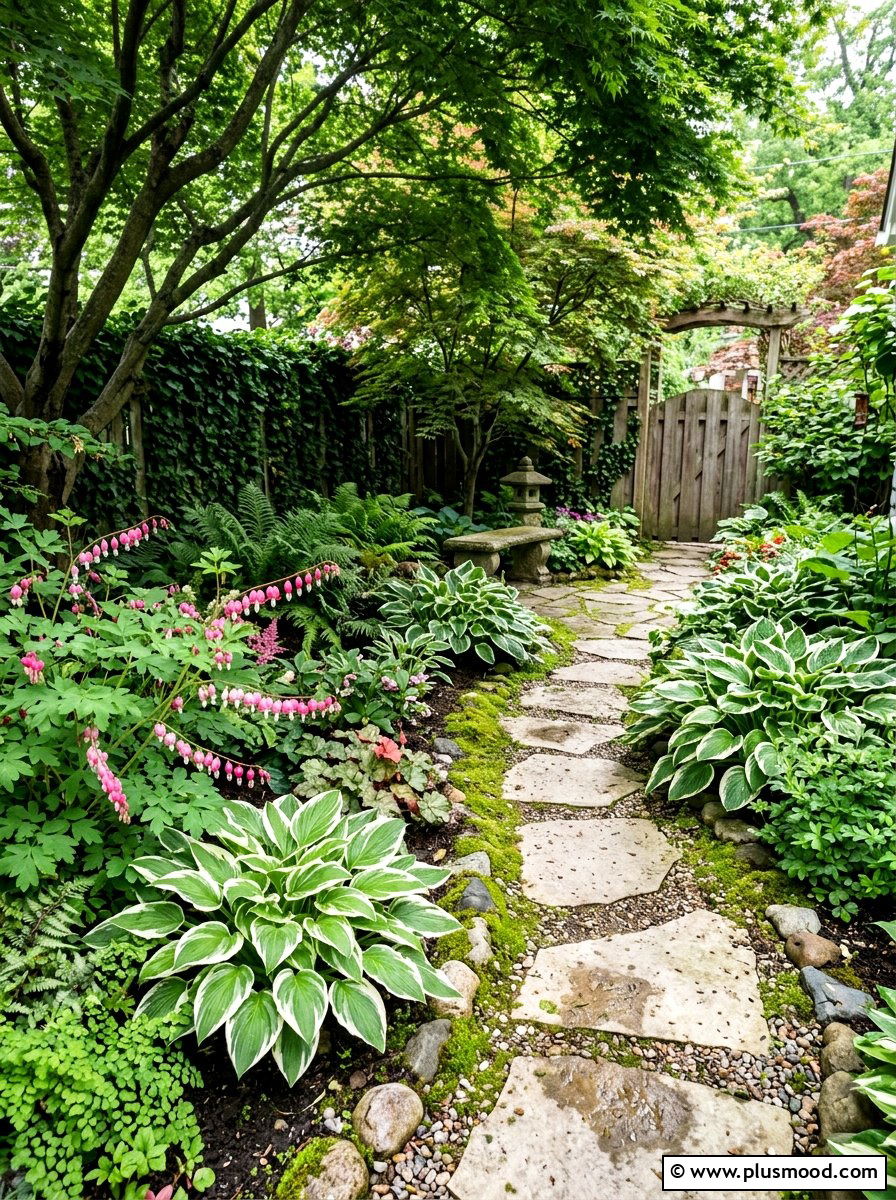
Many small backyards are tucked between tall buildings or fences, creating areas that receive very little direct sunlight throughout the day. Instead of struggling with grass, you can create a thriving shade garden filled with plants that love these conditions. Hostas, caladiums, and hellebores offer incredible foliage colors and unique flower shapes that brighten up dark corners. Using light-colored mulch or white flowering plants can help reflect what little light is available, making the space feel much brighter. These gardens often feel very peaceful and cool, providing a perfect spot for a small bench or a reading nook. It is about working with your environment to create a successful and very lush outdoor living space.
18. Deck Perimeter Flower Boxes
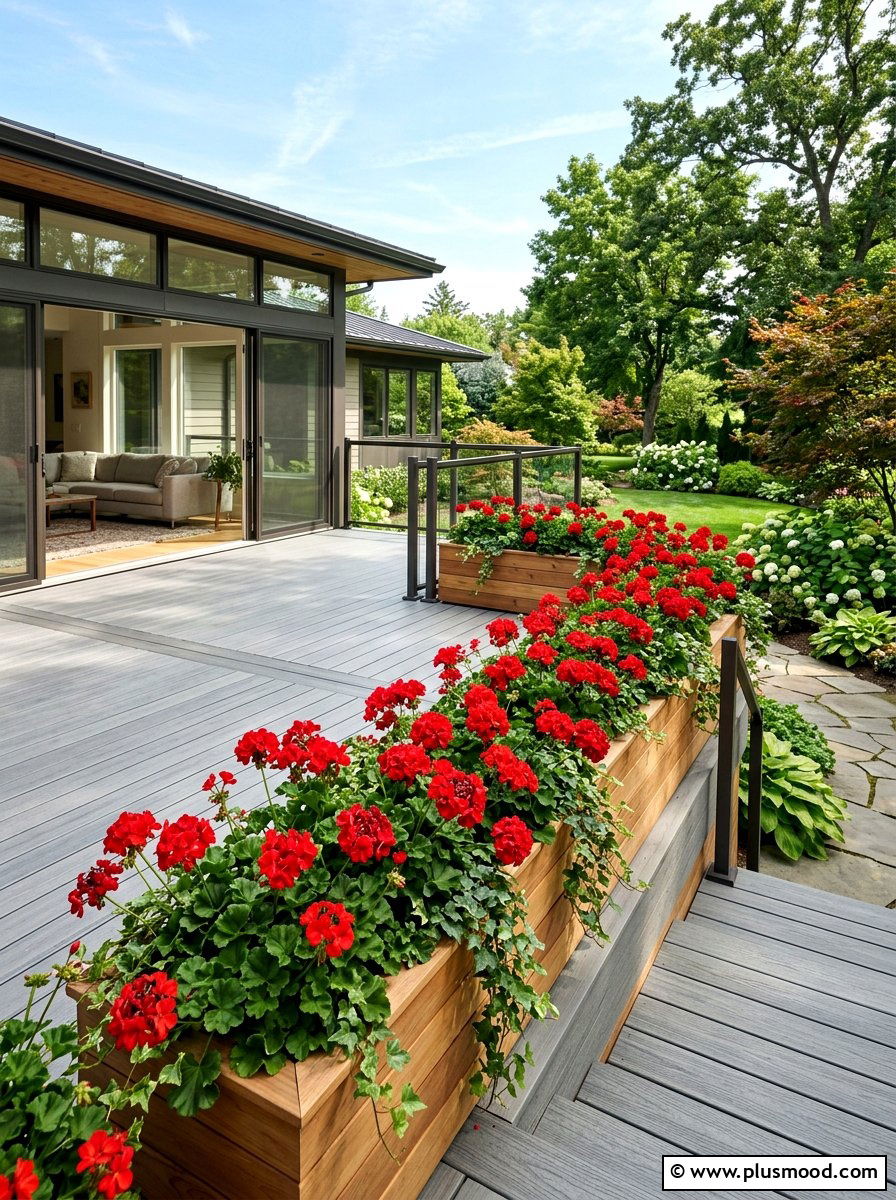
Integrating your garden directly into your decking structure is a space-saving way to bring flowers closer to your primary living area. Long, narrow planter boxes can be built into the edges of the deck, acting as a natural railing and a beautiful border. This setup allows you to enjoy the colors and scents of your plants while you are sitting at a table or lounging on outdoor furniture. Because these boxes are elevated, they are also easier to maintain without bending over. You can swap out the plants seasonally to keep the look fresh and exciting all year long. It is a modern and very practical way to combine construction and nature in a compact backyard environment.
19. Small Herb And Flower Garden Mix
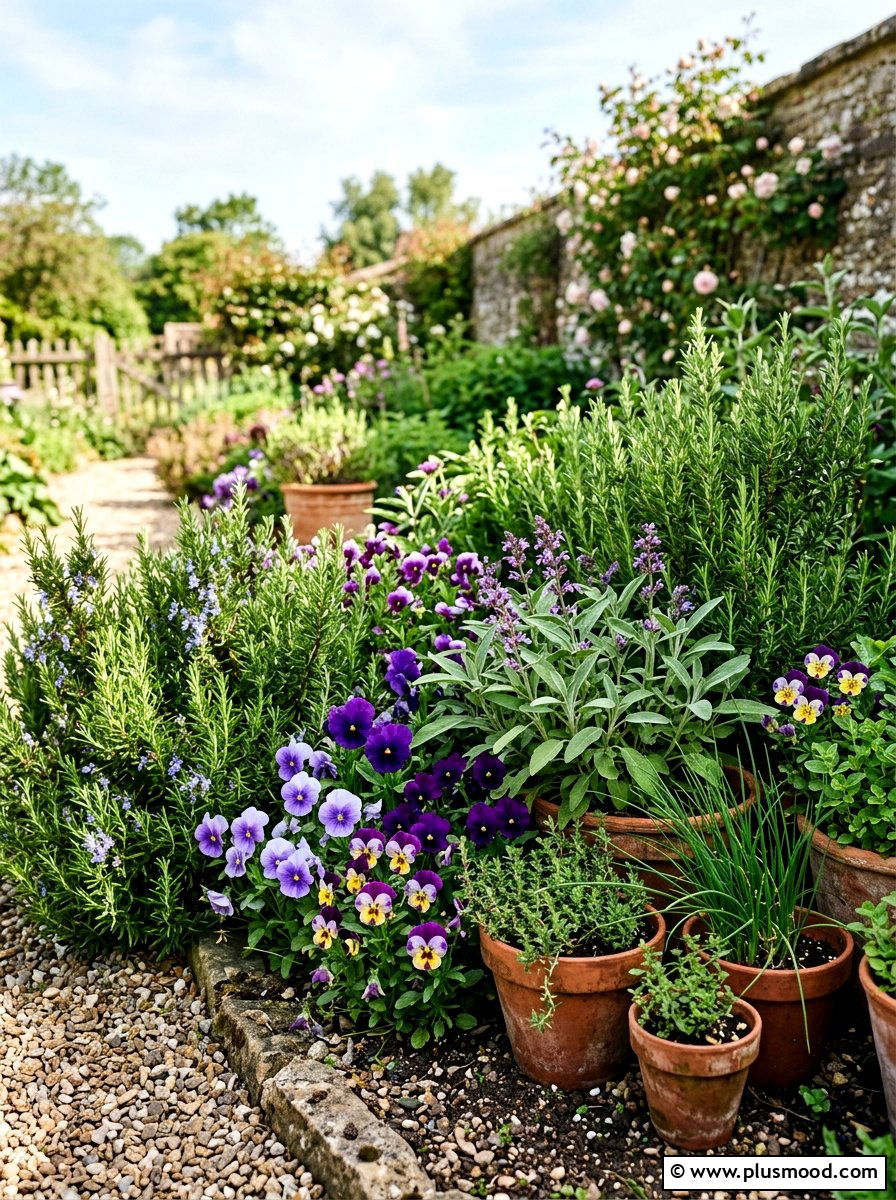
Combining beauty with utility is a wonderful approach for small spaces where every element should serve a purpose. You can intersperse aromatic herbs like rosemary, lavender, and sage with traditional flowering plants in a single cohesive bed. The different leaf textures and shades of green from the herbs provide a lovely backdrop for bright blooms. Not only does this create a visually stunning garden, but it also provides fresh ingredients for your kitchen just a few steps from the back door. The scents produced by this mix are incredible, especially when the sun hits the leaves and releases the essential oils. It is a sensory-rich design that is both practical and aesthetically pleasing for any homeowner.
20. Curved Garden Bed Landscaping
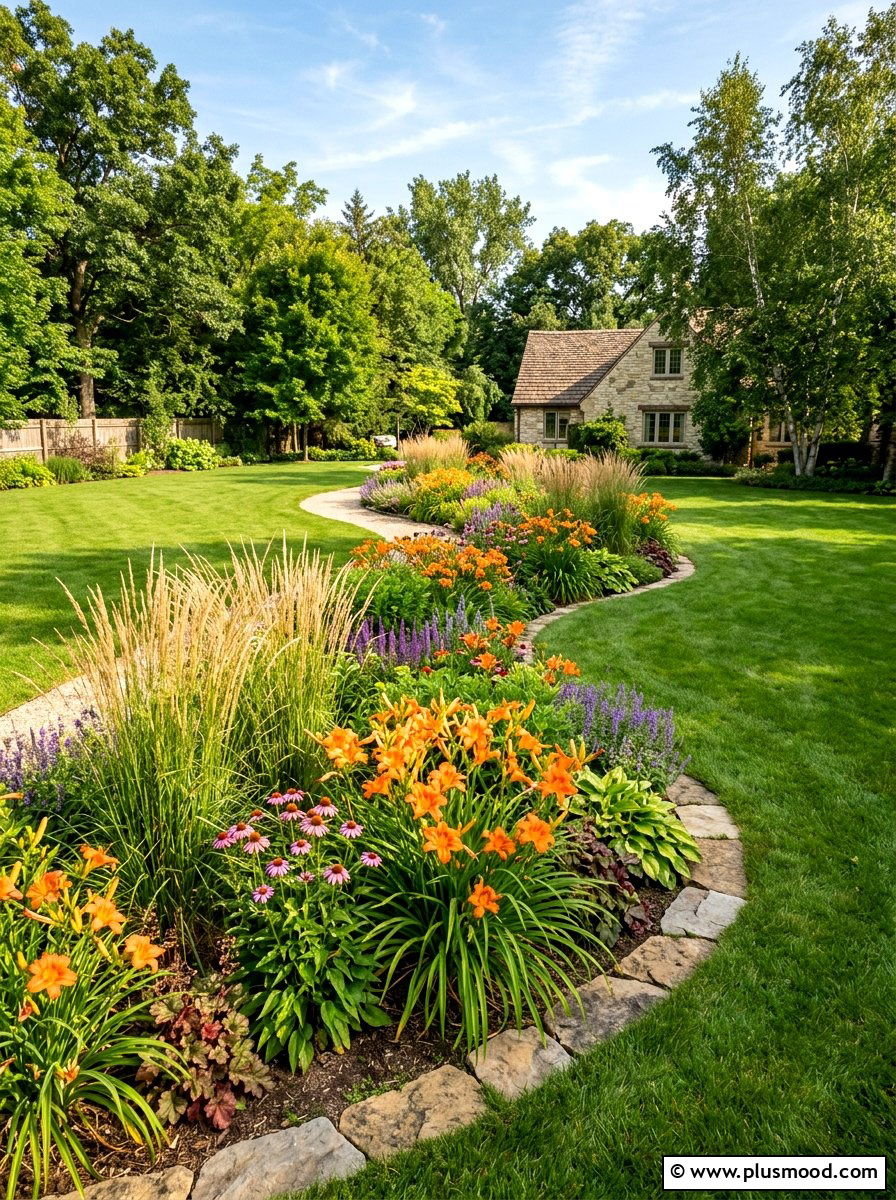
Breaking away from straight lines can make a small backyard feel more organic and much larger than its actual dimensions. Curved edges on your flower beds create a sense of movement and lead the eye on a journey through the space. This softness helps to disguise the hard boundaries of the property and makes the landscape feel more natural and expansive. You can fill these flowing beds with a mix of heights and colors to further enhance the sense of depth. Whether you use flexible plastic edging or a hand-dug trench, the result is a more relaxed and professional-looking garden. It is a simple design trick that has a massive impact on how your outdoor area is perceived.
21. Retaining Wall Flower Beds
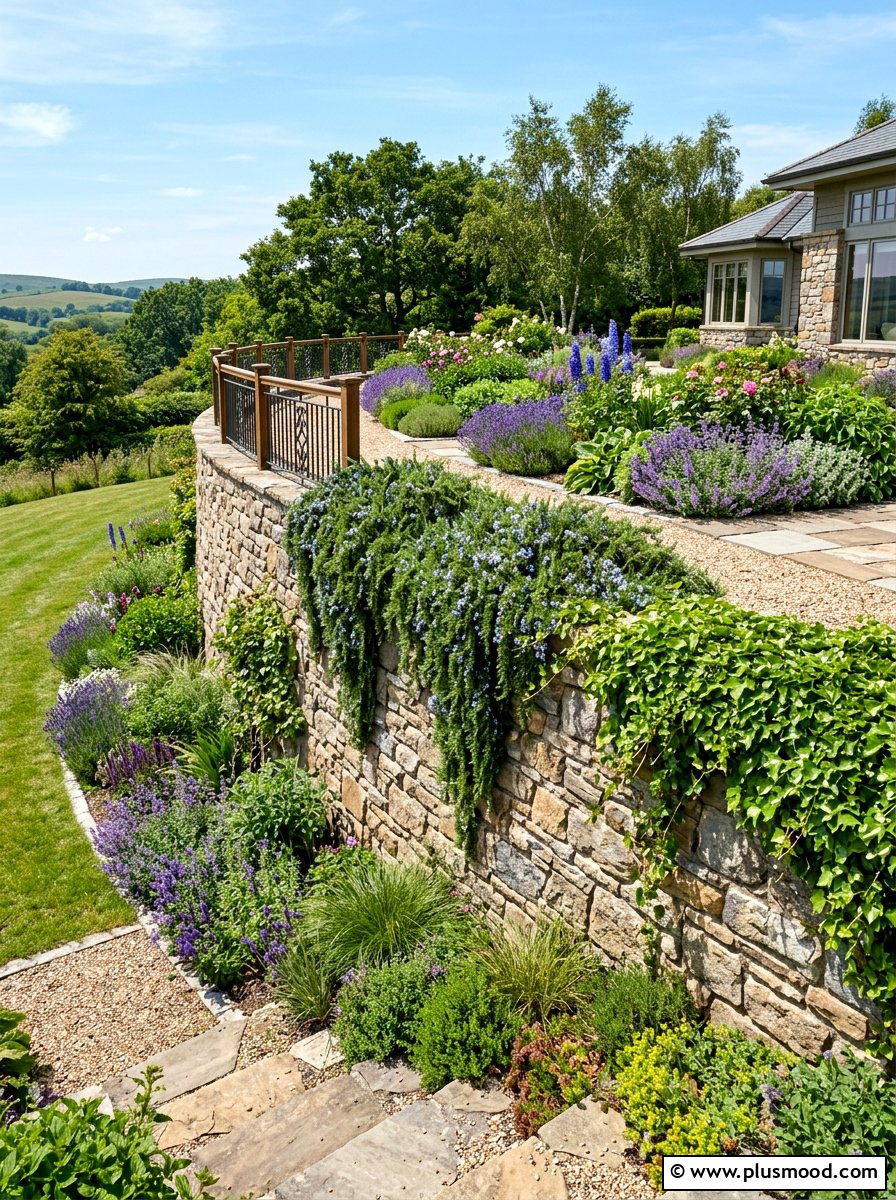
If your backyard has a slope, a retaining wall is a functional necessity that can be turned into a stunning vertical gardening opportunity. By building a stone or timber wall, you create a flat terrace that is perfect for a deep flower bed. You can plant trailing varieties that spill over the edge of the wall, softening the hard material and creating a "hanging garden" effect. This approach effectively doubles your planting space by utilizing the vertical face of the wall as well as the flat top. It is a great way to manage erosion while adding a massive amount of visual interest and character to a challenging outdoor layout. The result is a highly structured and beautiful tiered landscape.
22. Small Water Feature With Flower Beds
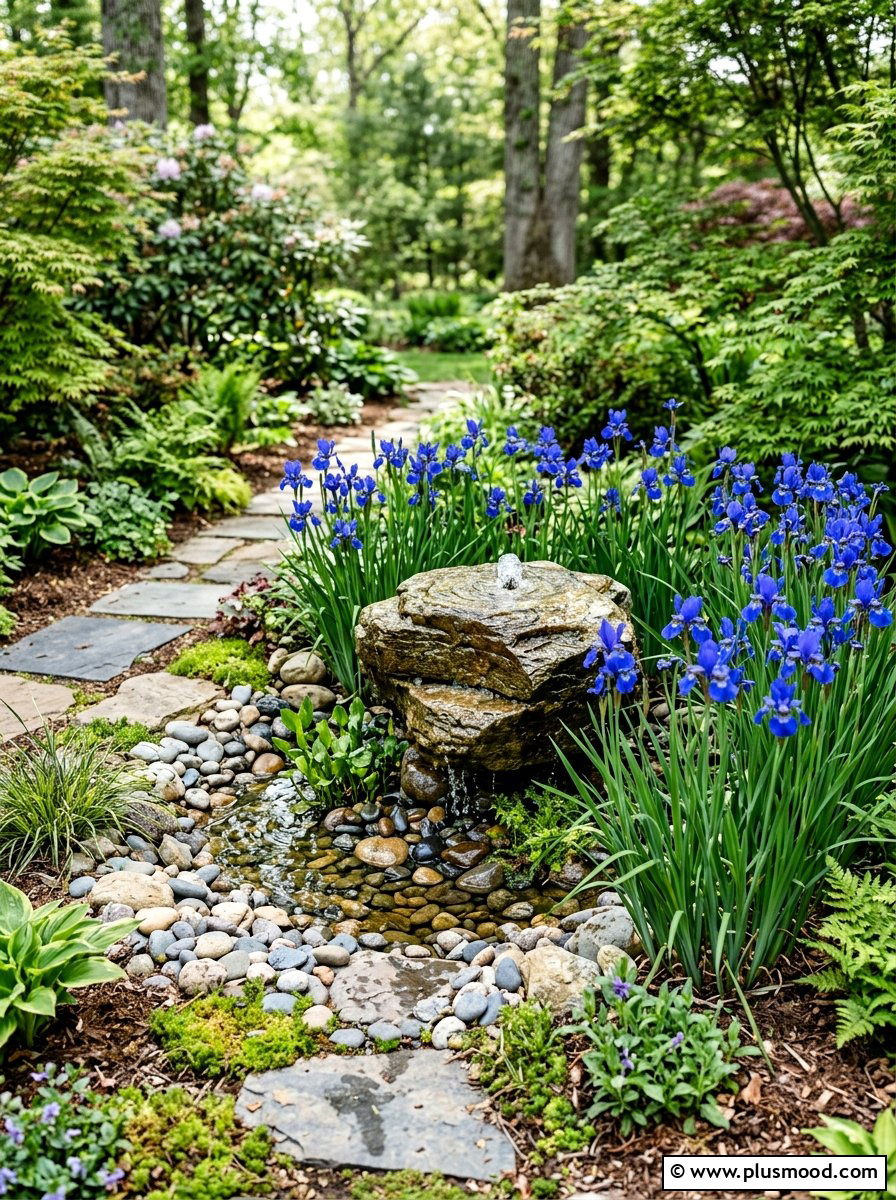
The sound of running water adds a layer of tranquility to any garden, and you can easily incorporate this into a small flower bed. A simple basalt fountain or a small pre-formed pond can be surrounded by moisture-loving plants like irises and marsh marigolds. This creates a tiny ecosystem that attracts birds and dragonflies, bringing more life into your backyard. The reflection of the flowers in the water adds a sense of light and space to even the smallest corner. Integrating water and plants in one area creates a powerful focal point that makes the entire yard feel like a high-end retreat. It is a luxurious touch that doesn't require a large amount of space or a complex installation process.
23. Succulent And Rock Garden Beds
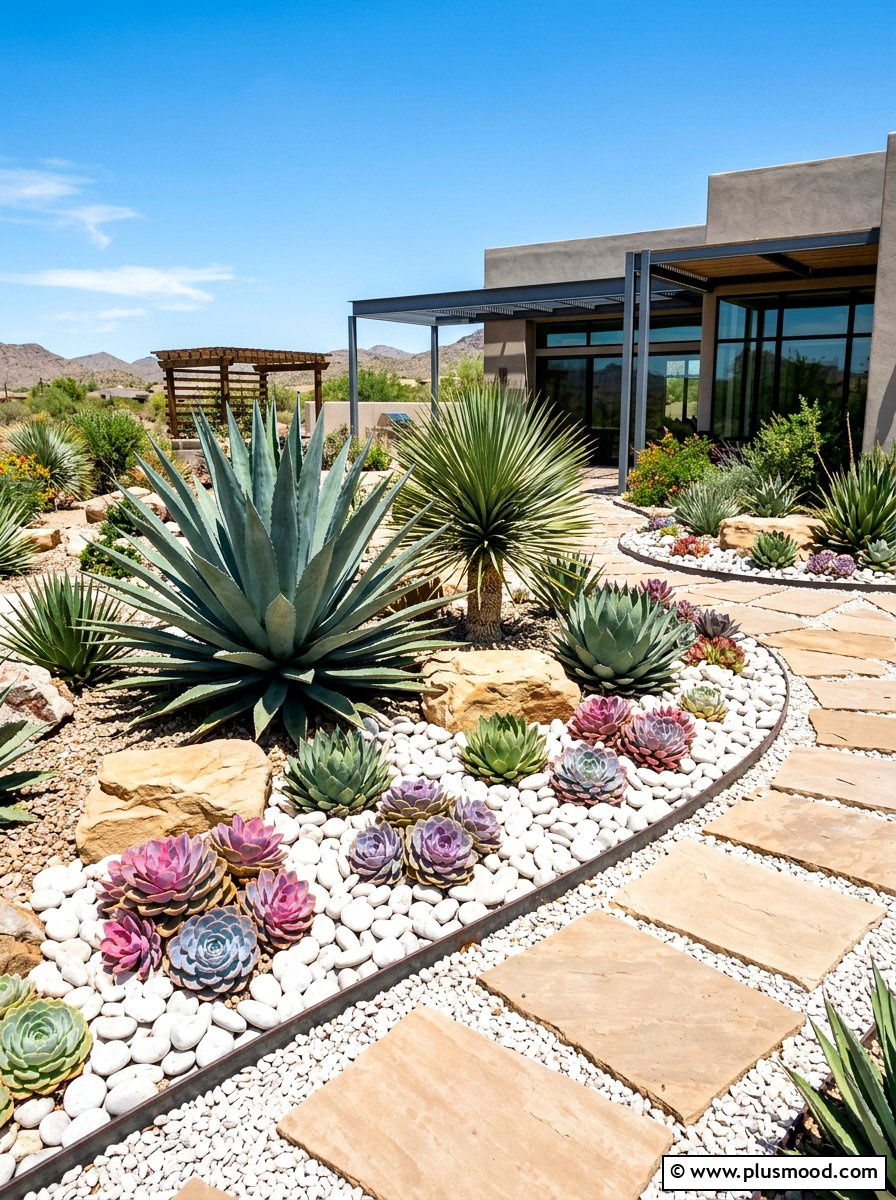
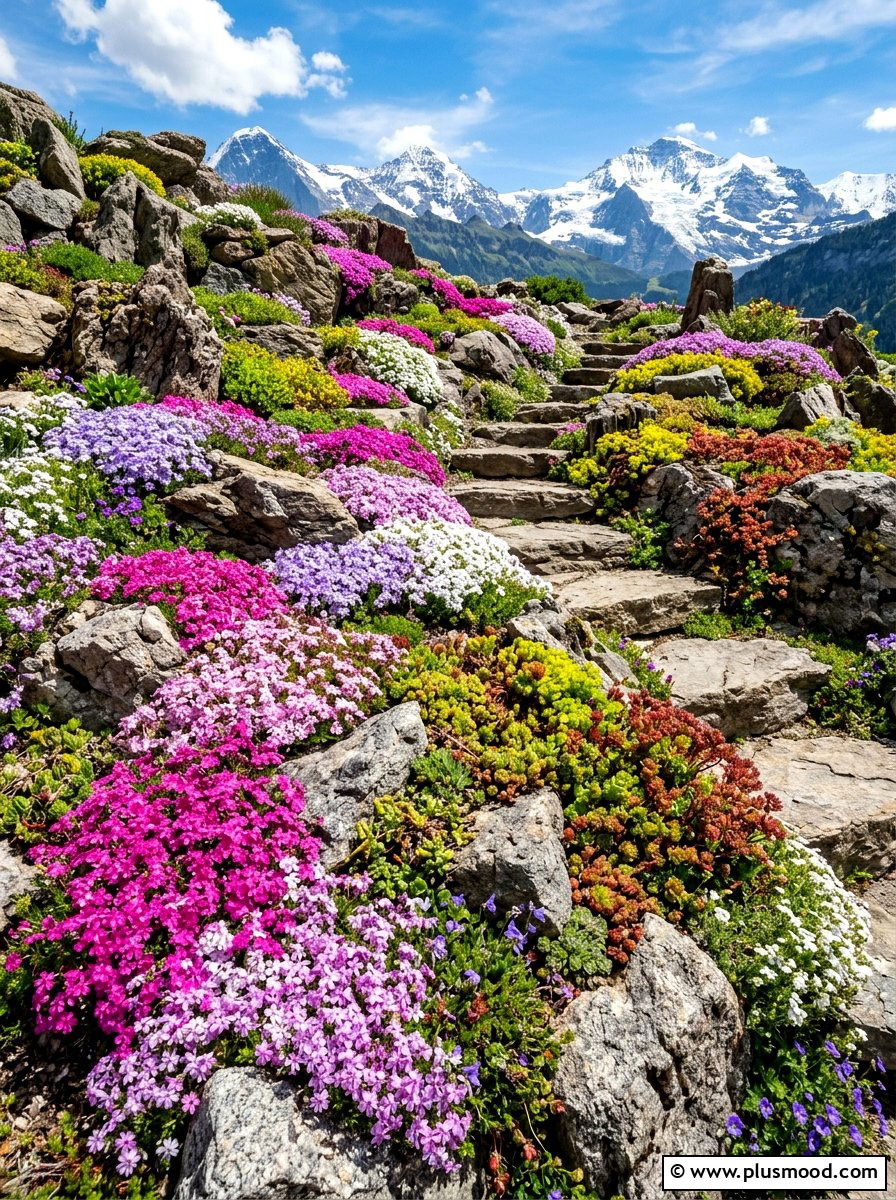
For those living in drier climates or looking for a very low-maintenance option, a succulent garden is a modern and artistic choice. These beds use various types of gravel and decorative rocks to provide a textured base for interesting plants like agave, echeveria, and sedum. Succulents come in a huge range of colors and sculptural shapes, allowing you to create a "living mosaic" that requires very little water. These beds look fantastic year-round and are very hard to kill, making them perfect for beginner gardeners. The clean lines and unique forms of the plants give the yard a contemporary, desert-chic vibe that is both trendy and very sustainable. It is a smart and stylish garden solution.
24. Flowering Shrub Backyard Border
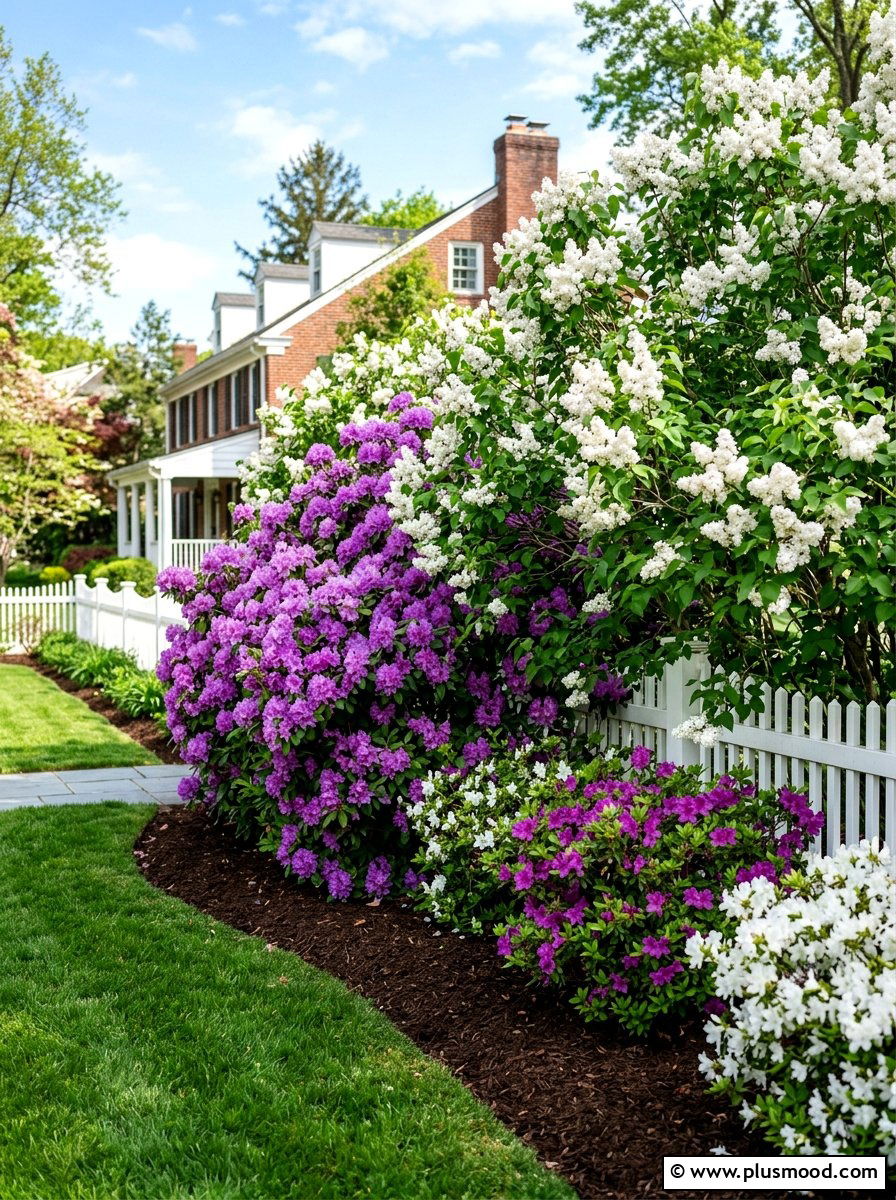
If you want a garden that feels substantial and permanent, focusing on flowering shrubs is an excellent strategy for small yards. Varieties like azaleas, hydrangeas, and lilacs provide a massive burst of color during their blooming season and maintain a structured green presence for the rest of the year. These larger plants can act as a natural backdrop for smaller annuals, creating a multi-layered look that feels very professional. Shrubs also provide great habitat for local birds and help to muffle noise from the street or neighbors. By choosing dwarf varieties, you can get the full beauty of these classic garden plants without them overwhelming your limited space. It is a long-term investment in your backyard’s beauty.
25. Seasonal Bulb Garden Display
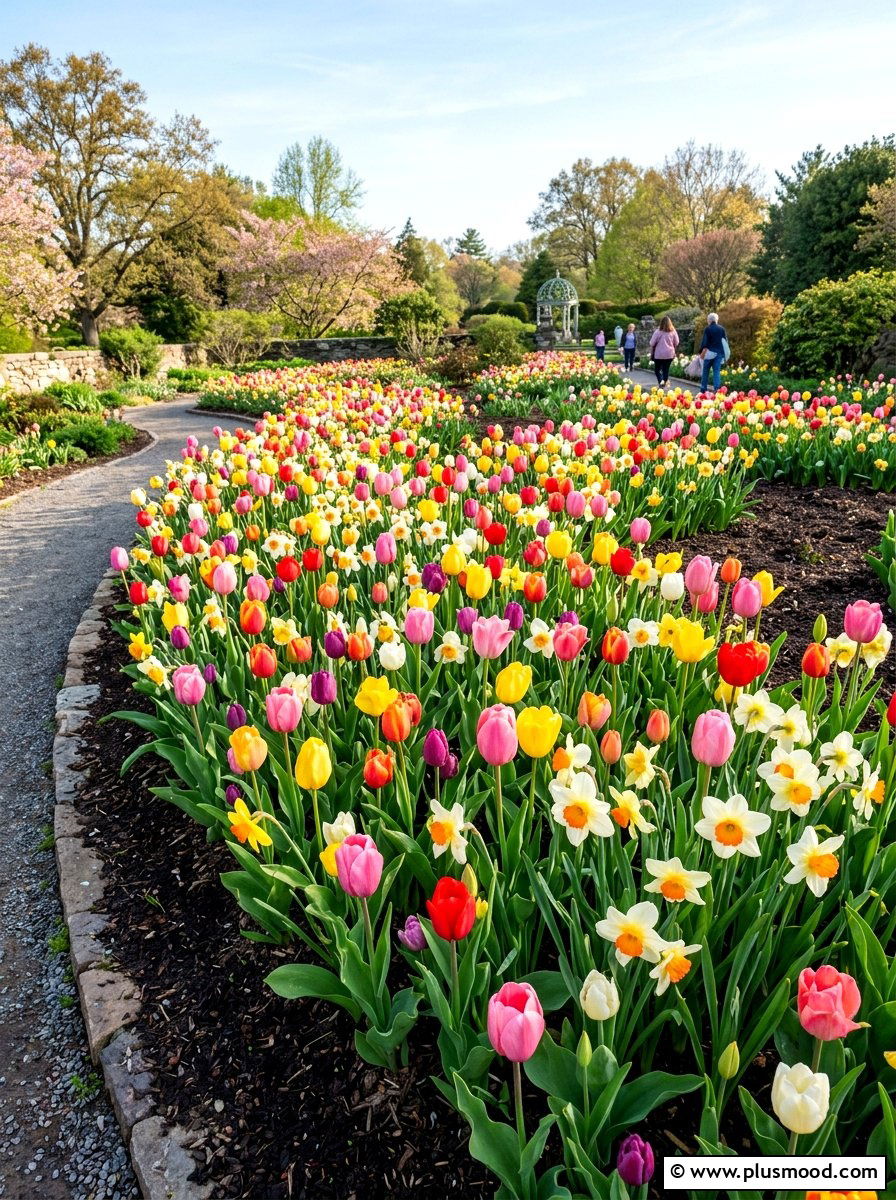
One of the most exciting ways to use small flower beds is to plan for a rotating display of seasonal bulbs. From the first snowdrops and crocuses of spring to the towering lilies of summer and the dahlias of autumn, bulbs provide high-impact color in a compact package. You can layer these bulbs beneath other perennials so that they pop up and provide beauty before the other plants have fully woken up. This "succession planting" ensures that there is always something interesting to look at in your yard. Bulbs are easy to plant and come in almost every color imaginable, allowing you to completely change the look of your garden every single year if you choose to do so.
Conclusion:
Transforming a small backyard into a functional and beautiful oasis is entirely possible with the right flower bed strategy. Throughout this exploration, we have seen how different textures, heights, and placements can significantly alter the perception of space and comfort in an outdoor environment. Whether you choose the structure of raised wooden beds or the soft, flowing lines of a wildflower border, the key is to create a space that reflects your personal style. Remember that gardening in a limited area encourages creativity and careful curation of your favorite plants. By implementing these thoughtful design concepts, you can enjoy a lush, inviting sanctuary that provides joy and relaxation for years to come, regardless of your yard's actual dimensions or layout.
Related posts:
Leave a Reply