
Summer brings a special kind of magic to the outdoor space where vibrant colors and sweet scents take over the landscape completely. Creating a beautiful summer flower garden allows you to connect with nature while enhancing your home's curb appeal during the warmest months of the year. Whether you have a sprawling backyard or just a tiny balcony, there are endless ways to incorporate blooming plants that thrive in the heat. From tall sunflowers reaching for the sky to delicate groundcovers that carpet the earth, the variety of choices ensures every gardener finds something perfect. Planning your layout involves considering sunlight, soil quality, and water needs to keep everything looking fresh and healthy.
1. Cottage Flower Garden
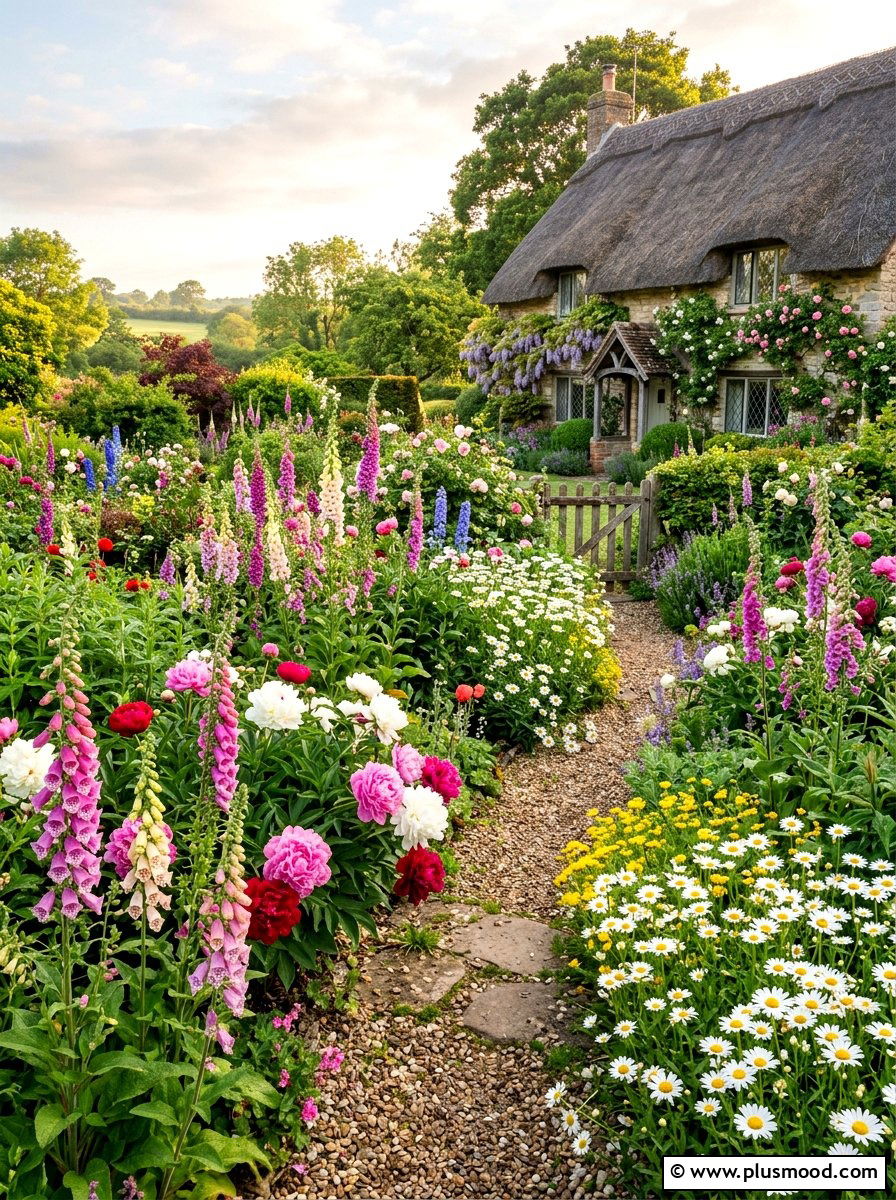
A traditional cottage flower garden captures a whimsical and romantic feeling that many homeowners desire for their outdoor spaces. This style usually features a dense mix of perennials and annuals that grow together in a beautiful, slightly messy arrangement. You might see tall foxgloves standing next to bushy peonies and sprawling daisies filling in every available gap. This approach encourages a relaxed atmosphere where plants can self-seed and move around naturally over time. Using weathered wooden fences or stone paths helps to define the space while maintaining that charming, old-world aesthetic. It is a wonderful way to create a lush, lived-in look that feels welcoming to every visitor.
2. Pollinator Flower Bed
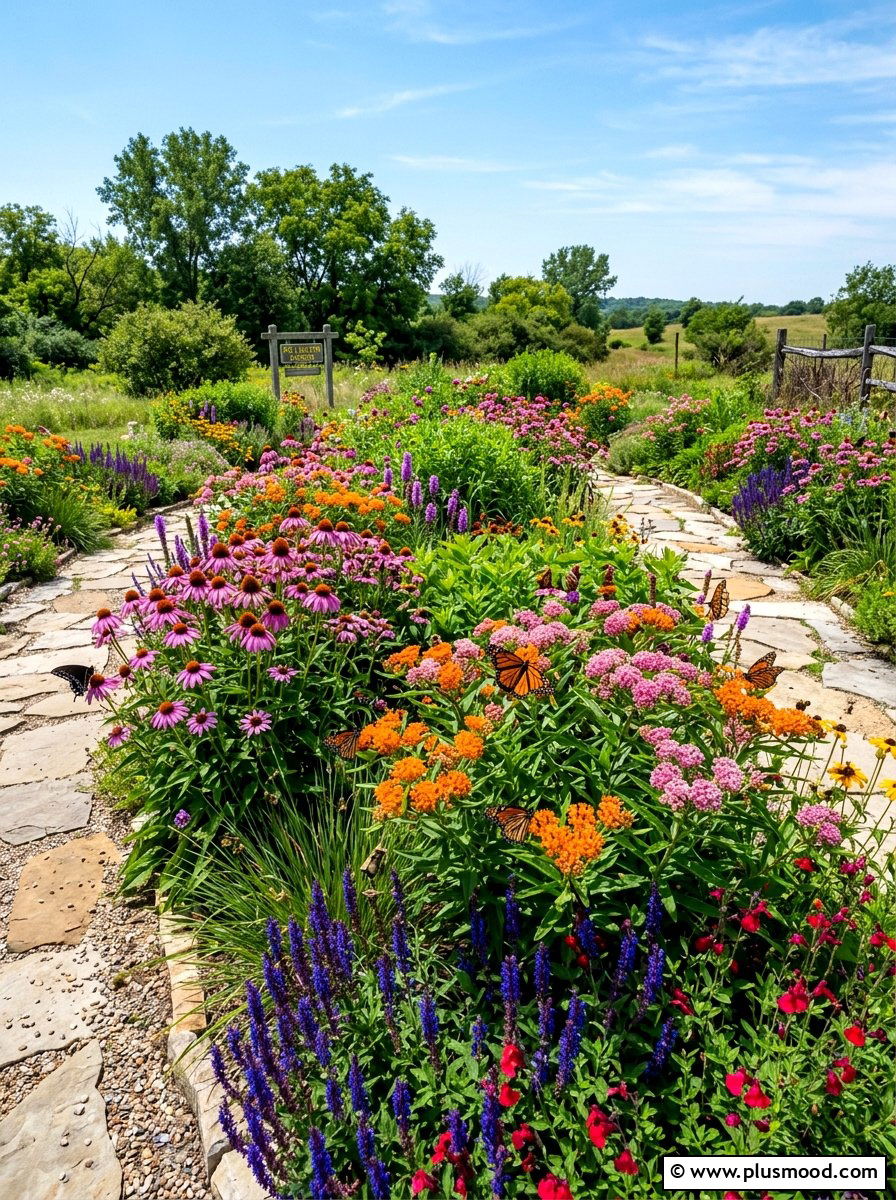
Attracting bees and butterflies is a primary goal for many people who want to support the local ecosystem through gardening. A pollinator flower bed focuses on native flowering plants that provide nectar and pollen throughout the entire summer season. You should choose a variety of shapes and colors because different insects are attracted to different types of blooms. Milkweed is essential for monarch butterflies, while bright purple coneflowers are a favorite for honeybees and bumblebees alike. Keeping these plants in sunny spots ensures they produce plenty of nectar for your flying friends. It is incredibly rewarding to watch your garden come alive with movement while knowing you are helping environment.
3. Zinnia Cutting Garden
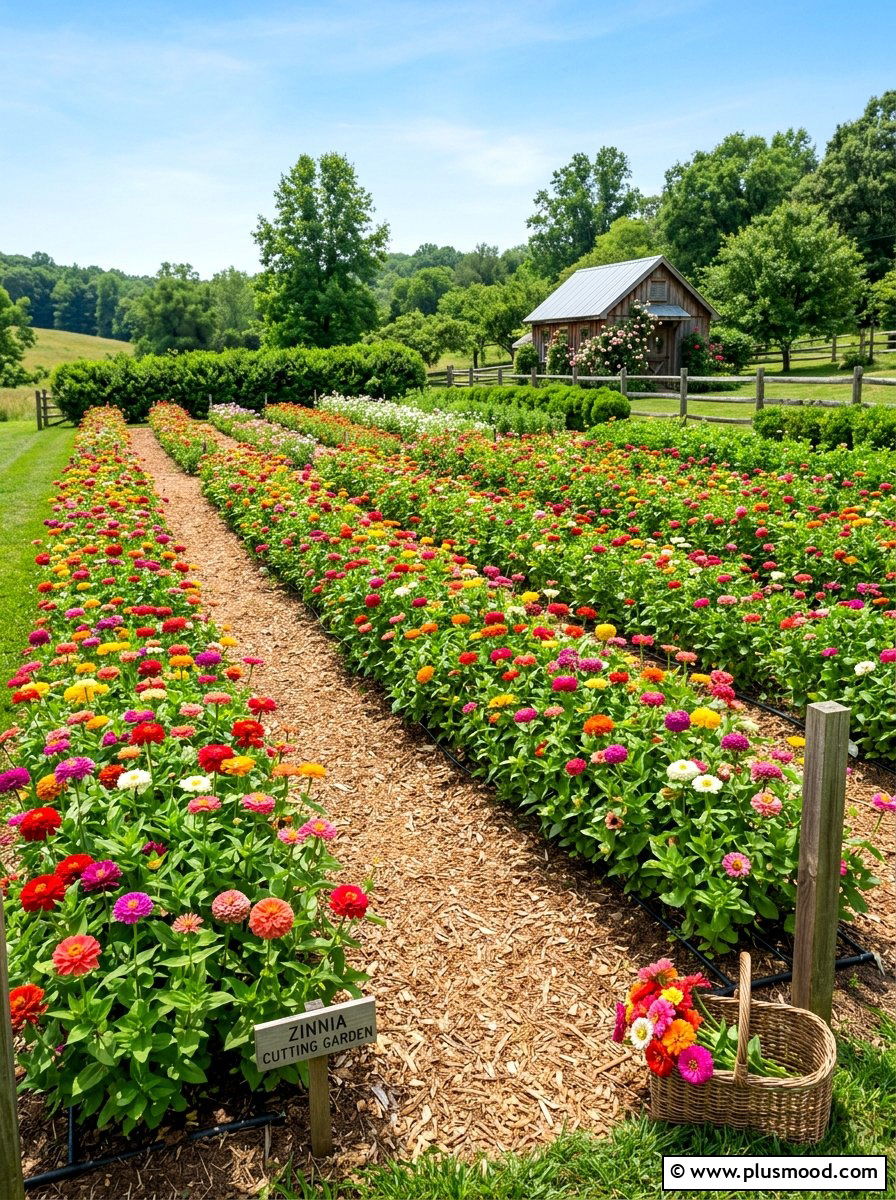
Growing a dedicated space for zinnias is perfect for anyone who loves bringing fresh bouquets into their home regularly. These hardy annuals are incredibly easy to grow from seed and come in almost every color of the rainbow. They thrive in the hot summer sun and actually produce more flowers the more you cut them for vases. You can arrange them in straight rows for easy harvesting or mix them into larger beds for a pop of color. Zinnias are also very attractive to butterflies, making your cutting patch a dual-purpose area. Their long stems and sturdy blooms make them one of the most reliable choices for summer arrangements.
4. Sunflower Backyard Patch
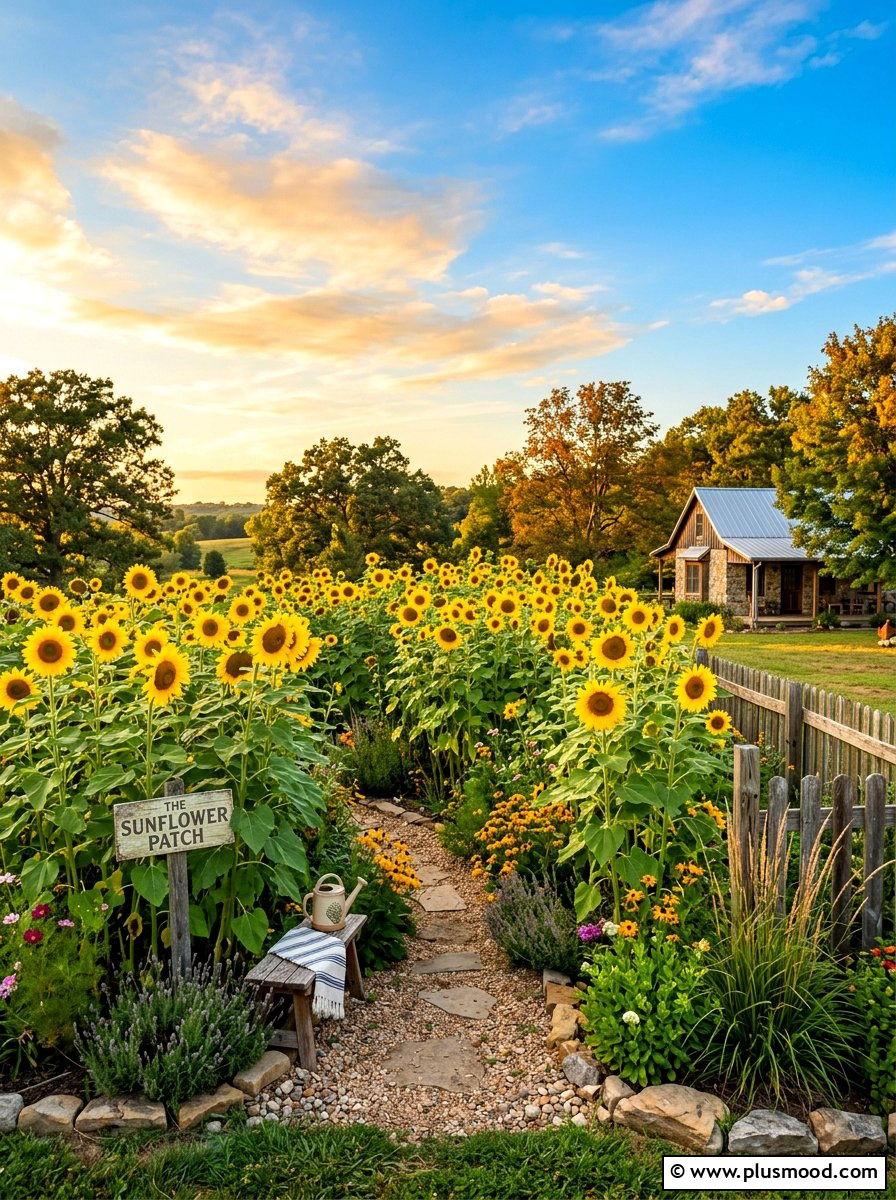
Sunflowers are the ultimate symbol of summer and can transform a simple backyard into a towering wall of golden beauty. There are many varieties to choose from, ranging from giant types that reach ten feet tall to dwarf versions perfect for borders. Planting them in a sunny patch creates a stunning focal point that draws the eye upward and adds vertical interest. Birds love to visit once the flowers go to seed, providing natural entertainment throughout the late summer and fall. These cheerful blooms are very resilient and can handle the intense heat and dry spells that often occur during the peak of the season.
5. Wildflower Meadow Landscape
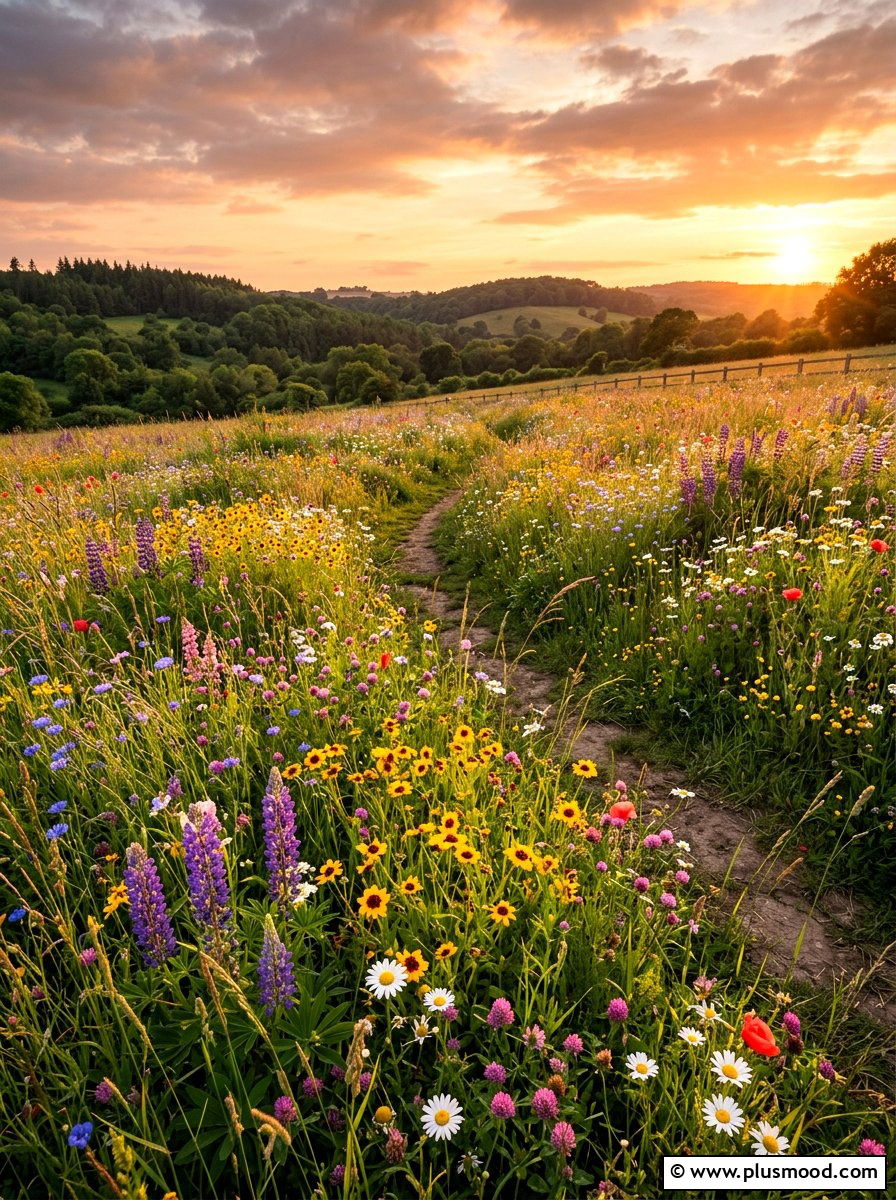
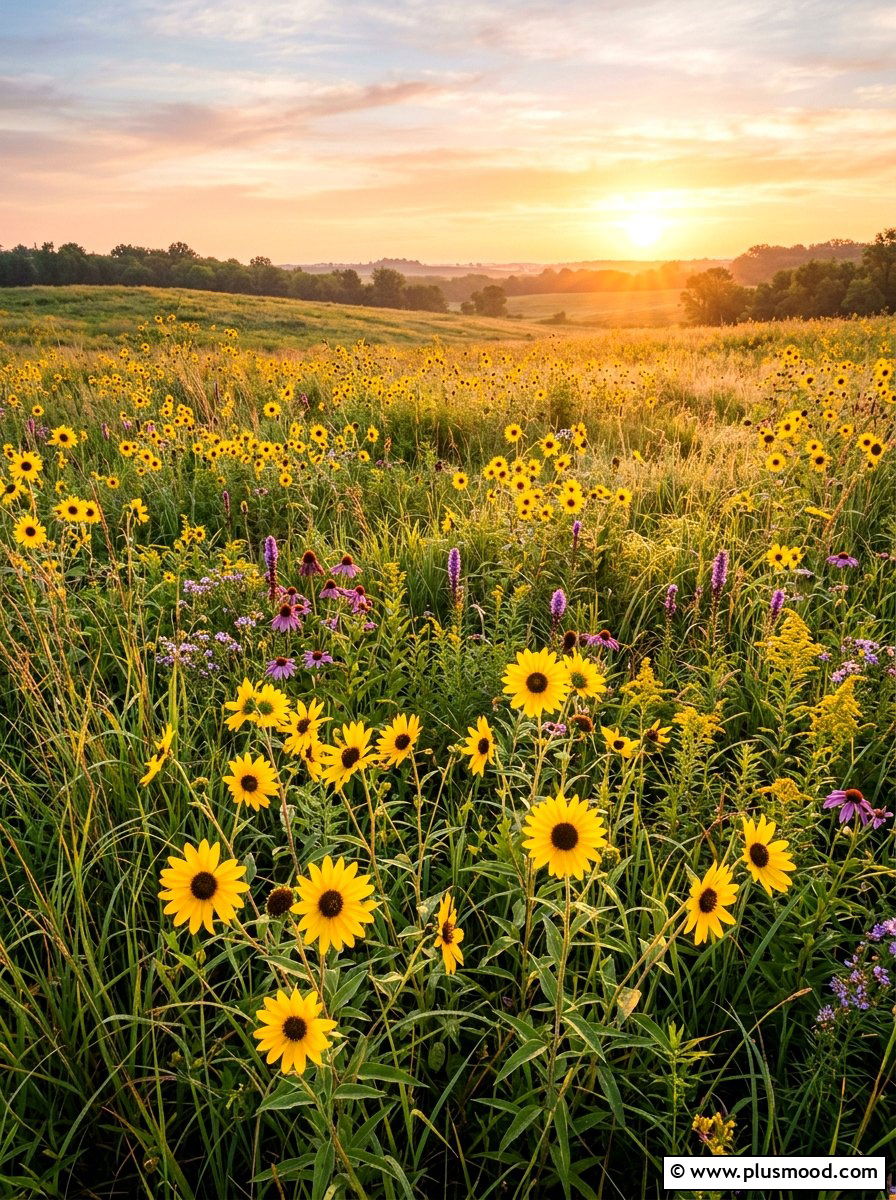
Replacing a traditional lawn with a wildflower meadow landscape is a low-maintenance way to enjoy a massive display of summer blooms. This style uses a mix of native grasses and flowering species that grow together to create a naturalistic environment. It requires much less water and mowing than a grass lawn once it has become established in your yard. You can enjoy a shifting tapestry of colors as different species bloom at different times throughout the summer months. This type of garden provides a vital habitat for local wildlife and adds a sense of peaceful, untamed beauty to your property that feels very relaxing.
6. Container Flower Arrangement
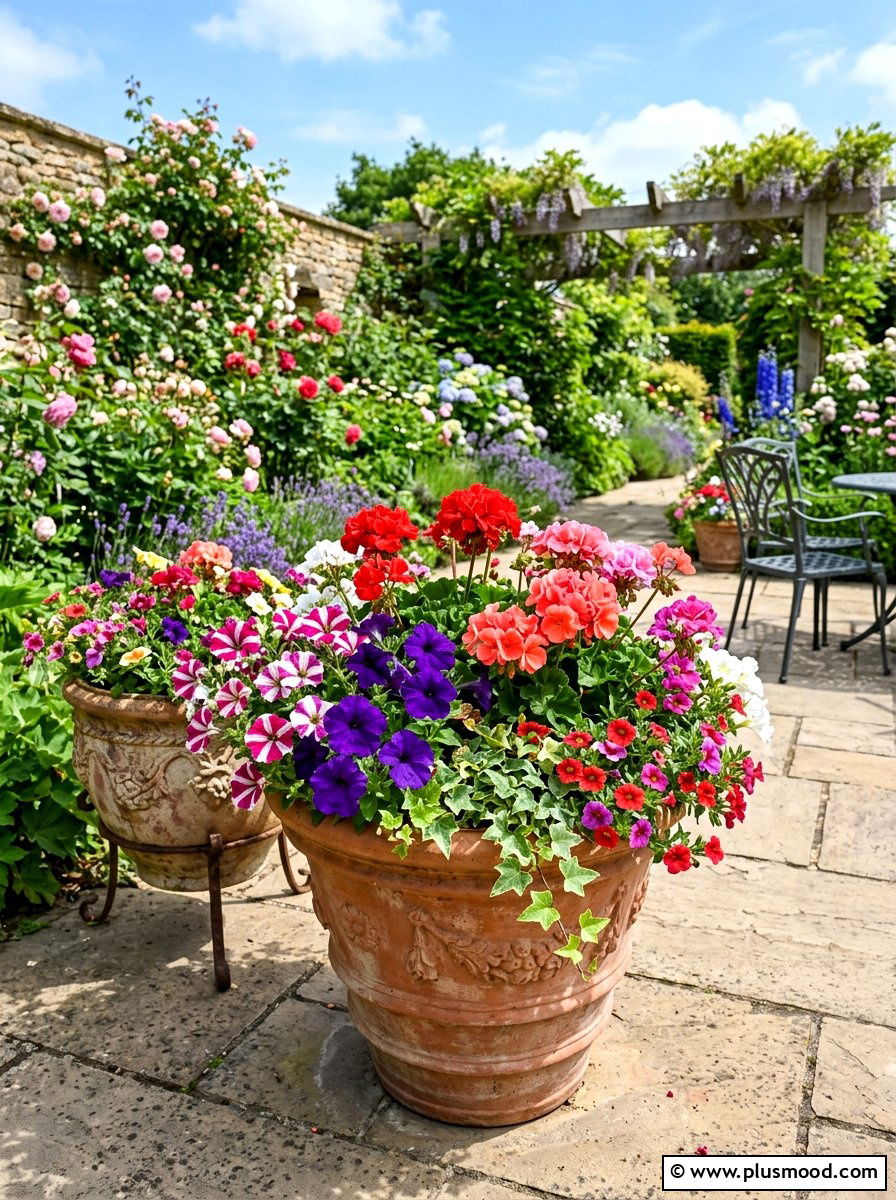
Using large pots and containers is a smart way to enjoy summer flowers if you have limited ground space. You can create mini gardens on your porch or patio by layering different plants with varying heights and textures together. A popular technique involves using a thriller, a filler, and a spiller to ensure the container looks full and balanced. Petunias, geraniums, and trailing sweet potato vines are classic choices that look great in pots all summer long. The flexibility of containers allows you to move your plants around to follow the sun or protect them from harsh afternoon heat when necessary for their health.
7. White Moon Garden
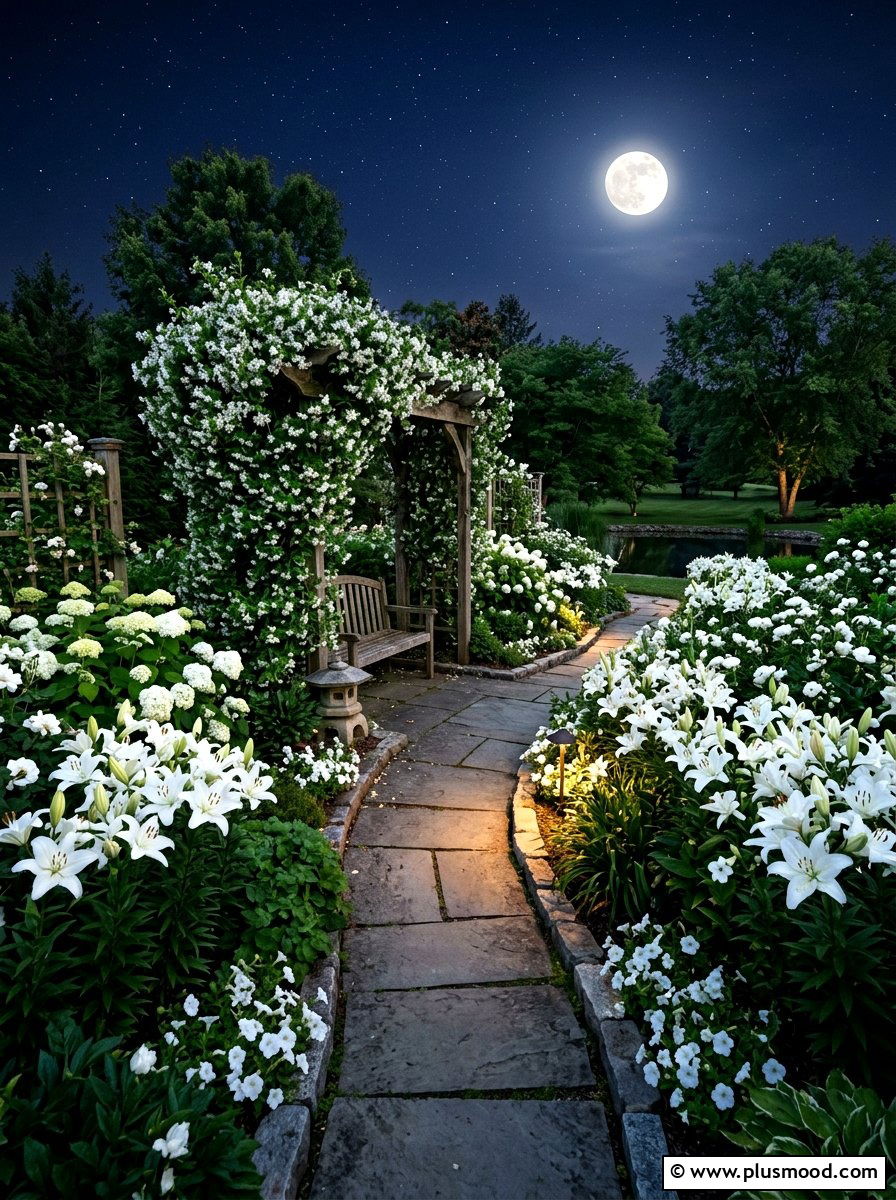
A white moon garden is specifically designed to be enjoyed during the evening hours when the sun has gone down. By choosing flowers with white or silver petals, you create a space that seems to glow under the light of the moon. Plants like jasmine, white lilies, and moonflowers are perfect because they often release their strongest scents at night. This creates a sensory experience that is perfect for late-night relaxation on a patio or deck area. Silver foliage plants like lamb’s ear or dusty miller add extra texture and help reflect the dim light. It is a sophisticated way to extend your garden enjoyment.
8. Hummingbird Flower Garden
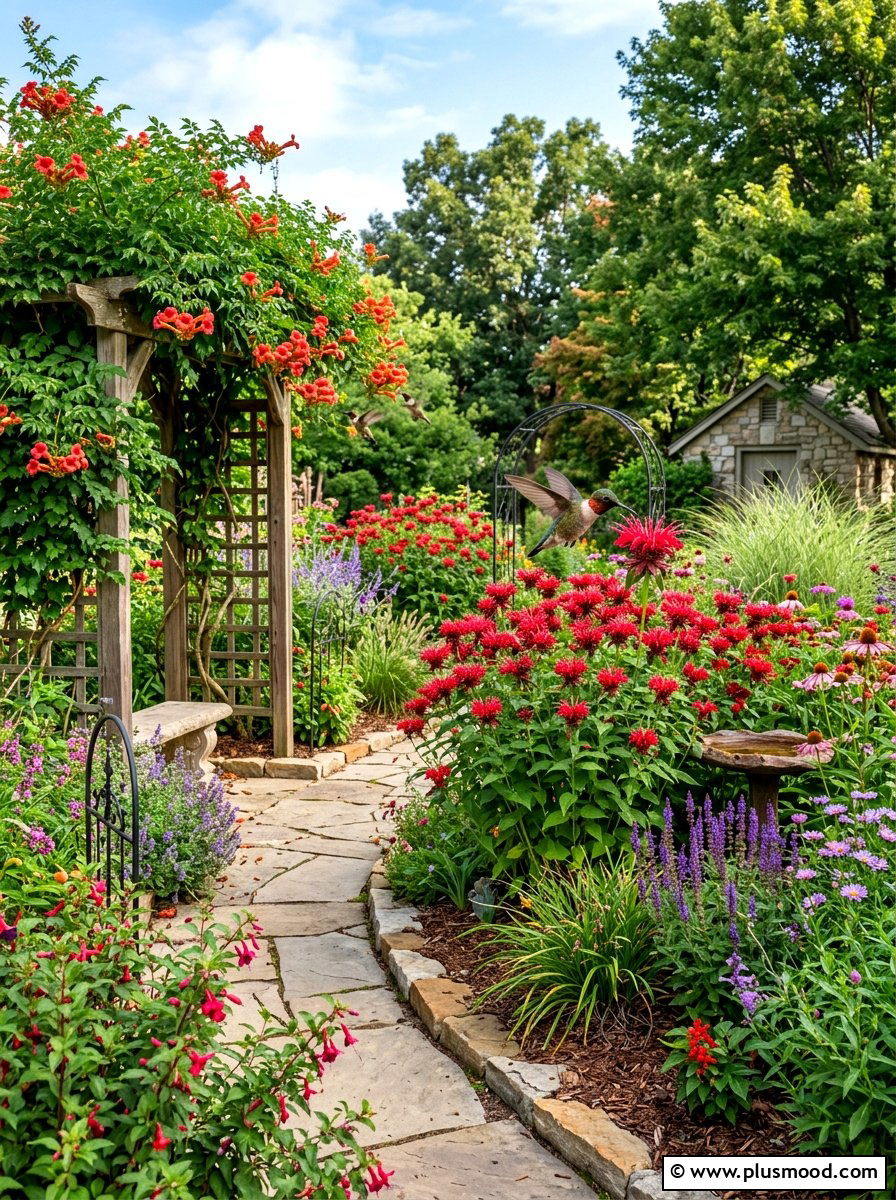
Designing a space specifically for hummingbirds involves planting tubular flowers in bright shades of red, orange, and hot pink. These tiny birds are attracted to nectar-rich blooms like bee balm, salvia, and trumpet vine that fit their long beaks perfectly. Positioning these plants near a window or seating area allows you to watch the hummingbirds zip back and forth all day. Adding a small water feature like a mister or a shallow birdbath will make your garden even more appealing to these active creatures. It is a delightful way to bring life and energy into your backyard while providing essential food sources.
9. Raised Flower Bed
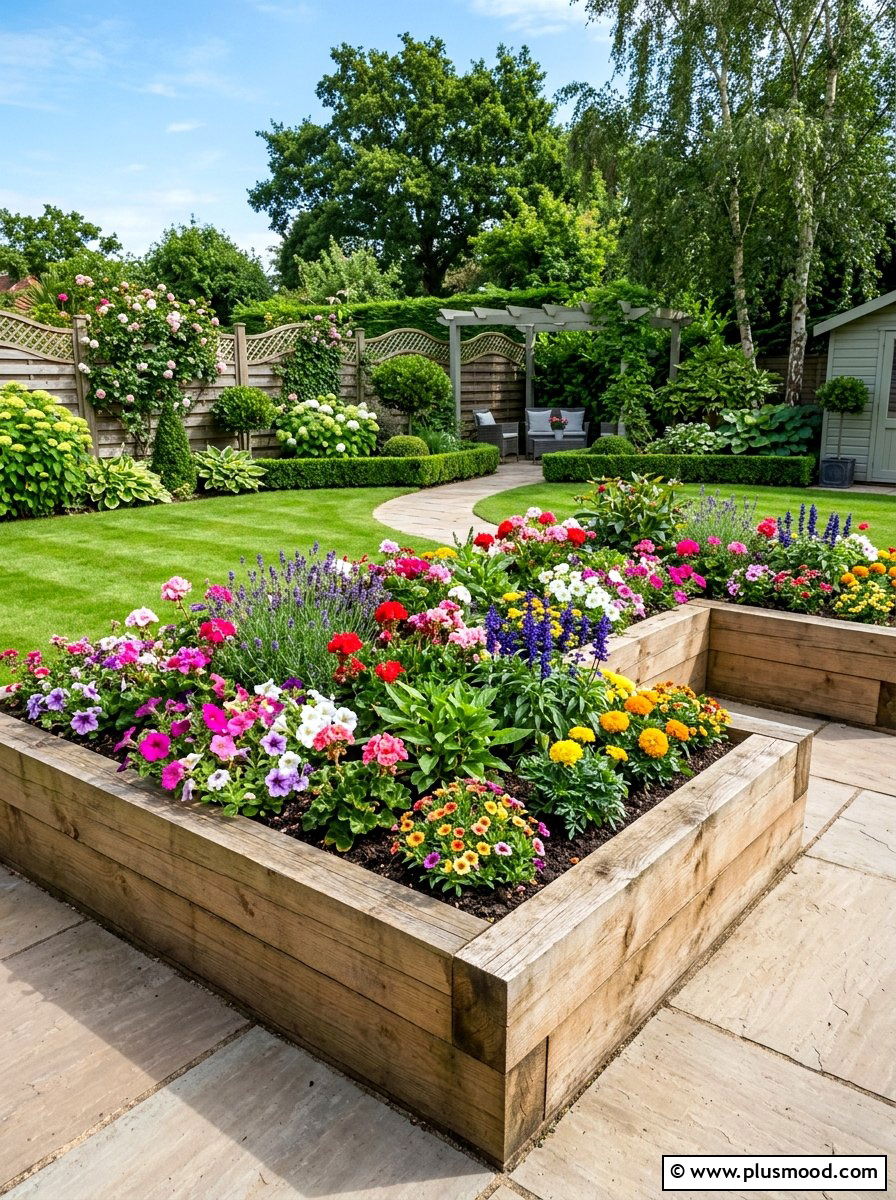
Building raised flower beds provides excellent drainage and allows you to control the soil quality much better than planting in the ground. This setup is ideal for summer flowers that are sensitive to overwatering or need specific nutrients to bloom their best. You can use wood, stone, or metal to build the frames, adding a structured and tidy look to your garden layout. Raised beds also make gardening easier on your back since you do not have to lean over as far to weed. They stay warmer in the spring and can be easily covered if a sudden late frost happens to occur.
10. Vertical Flower Wall
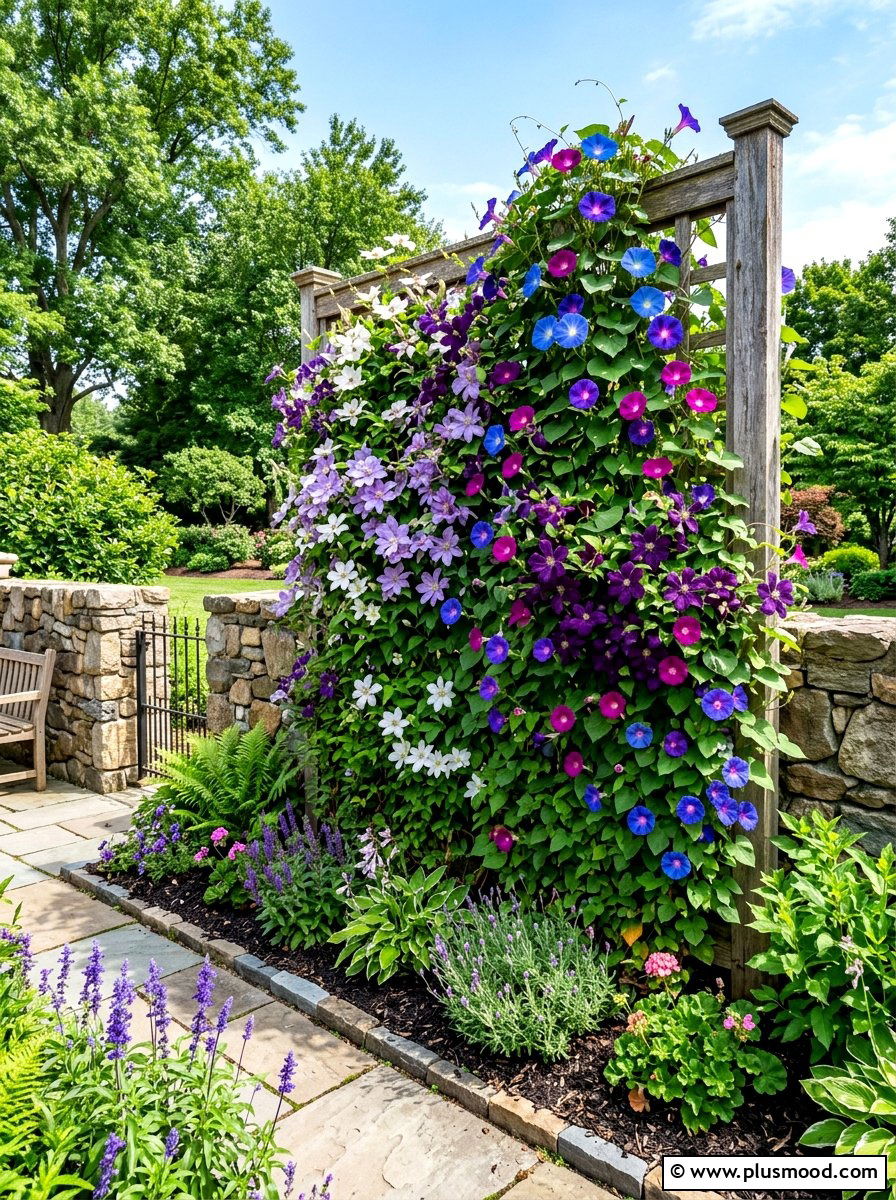
A vertical flower wall is a creative solution for small yards or for hiding an unattractive fence or bare exterior wall. You can use hanging pockets, trellises, or stacked planters to grow a variety of trailing and climbing summer flowers. Species like clematis, morning glories, and climbing roses are excellent for adding height and a lush green backdrop to your space. This approach maximizes your growing area and creates a stunning visual impact that feels like a living piece of art. It also helps to cool down your outdoor living areas by providing natural shade and moisture through the process of plant transpiration.
11. Lavender Flower Hedge
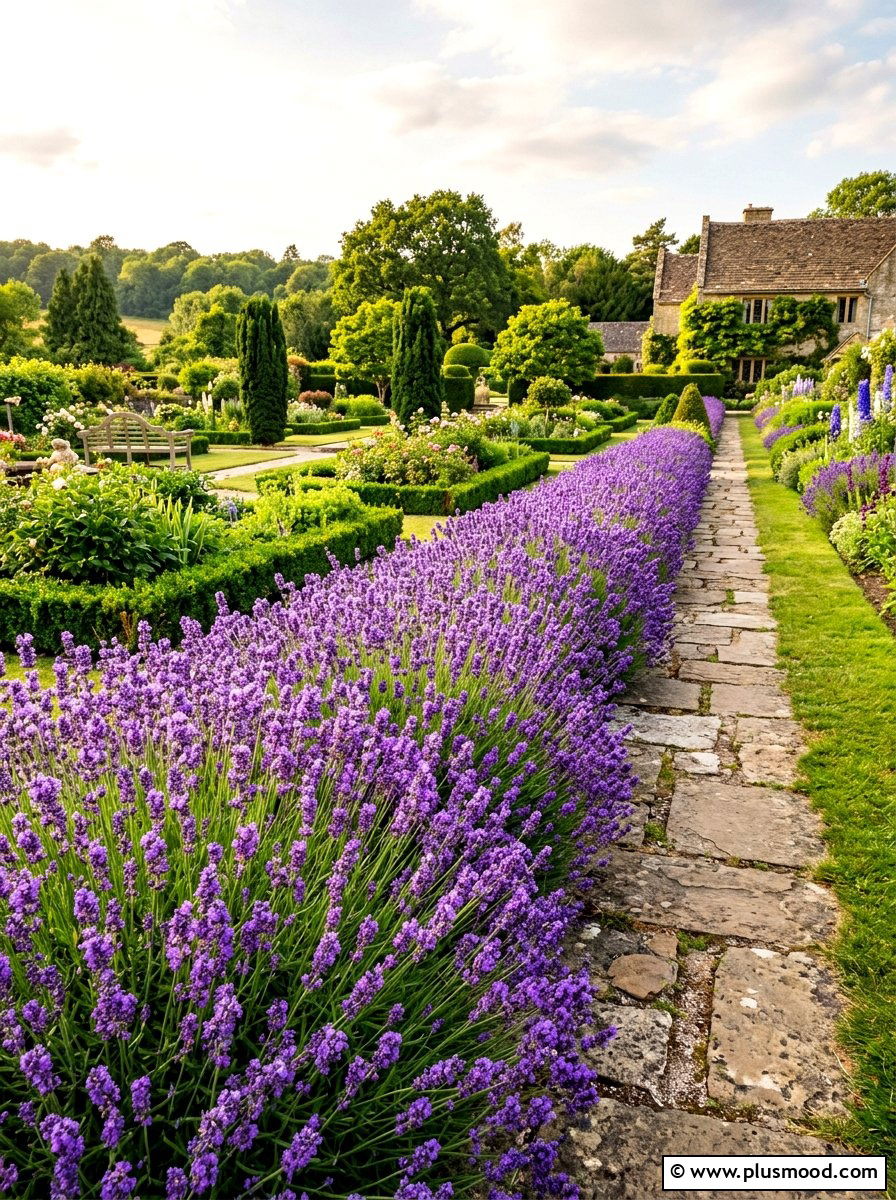
Planting a hedge of lavender along a path or border creates a stunning visual and a relaxing aromatic experience for everyone. This hardy perennial thrives in full sun and well-drained soil, making it a perfect candidate for hot summer garden locations. The silvery foliage stays attractive all year, while the purple flower spikes provide a beautiful pop of color in mid-summer. Lavender is also famous for attracting bees and butterflies, adding movement and life to your walkway. It is a very drought-tolerant plant once it is established, requiring minimal care while providing a professional and finished look to your overall home landscape.
12. Shade Flower Garden
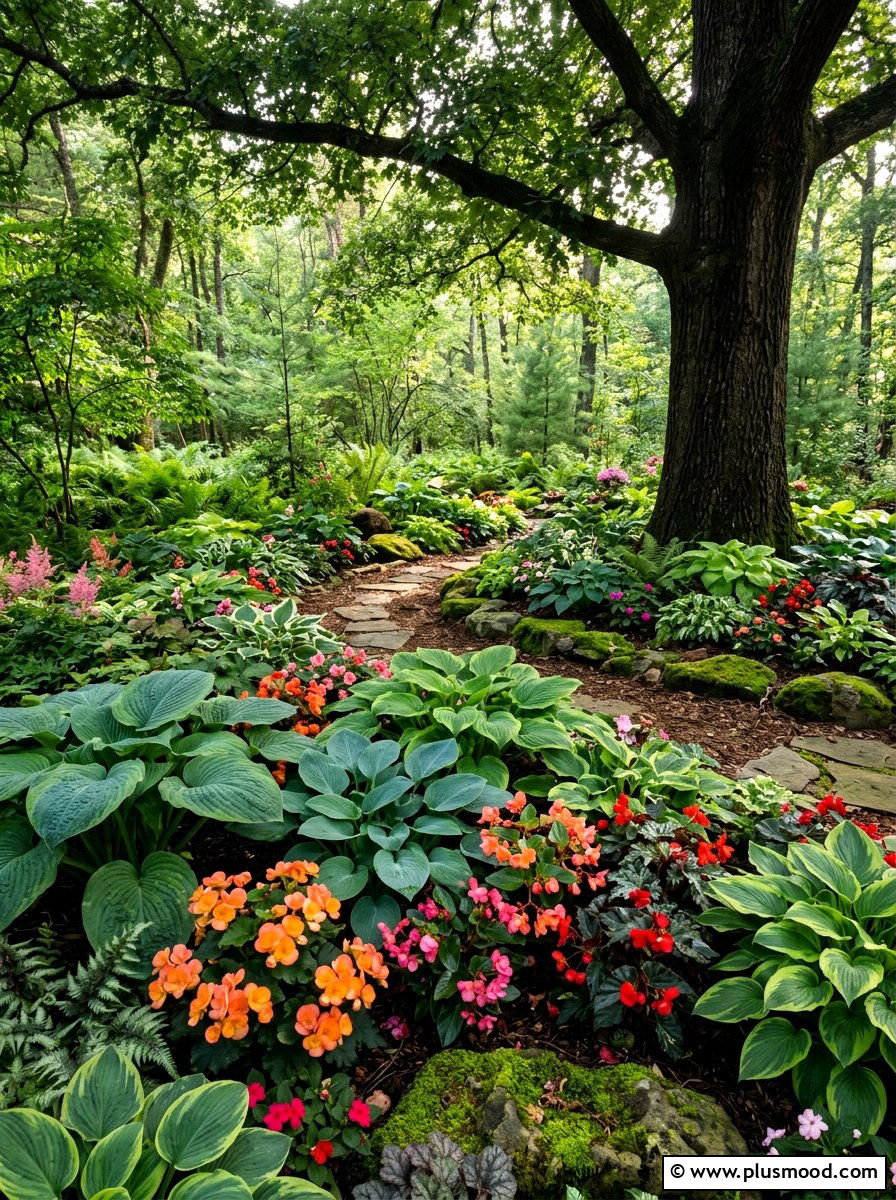
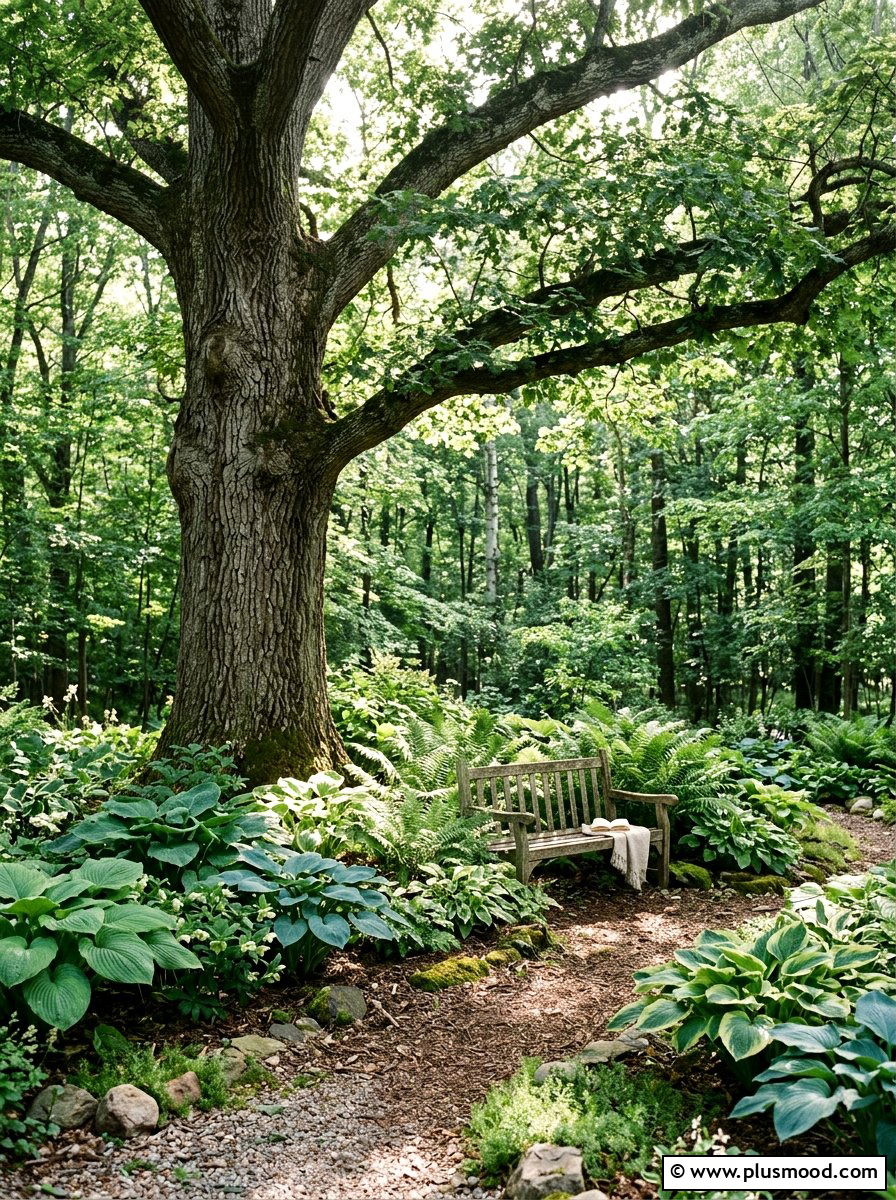
Even if your yard does not get much direct sunlight, you can still have a beautiful summer flower garden using shade-loving plants. Species like hostas, begonias, and impatiens thrive in dappled light and provide lush foliage and colorful blooms throughout the season. You can play with different shades of green and variegated leaf patterns to create visual interest without needing bright sun. Many shade plants have delicate textures that feel very cool and refreshing during the hottest parts of the summer. Adding a stone bench or a small path through the shaded area creates a perfect retreat from the intense afternoon summer sun.
13. Perennial Flower Border
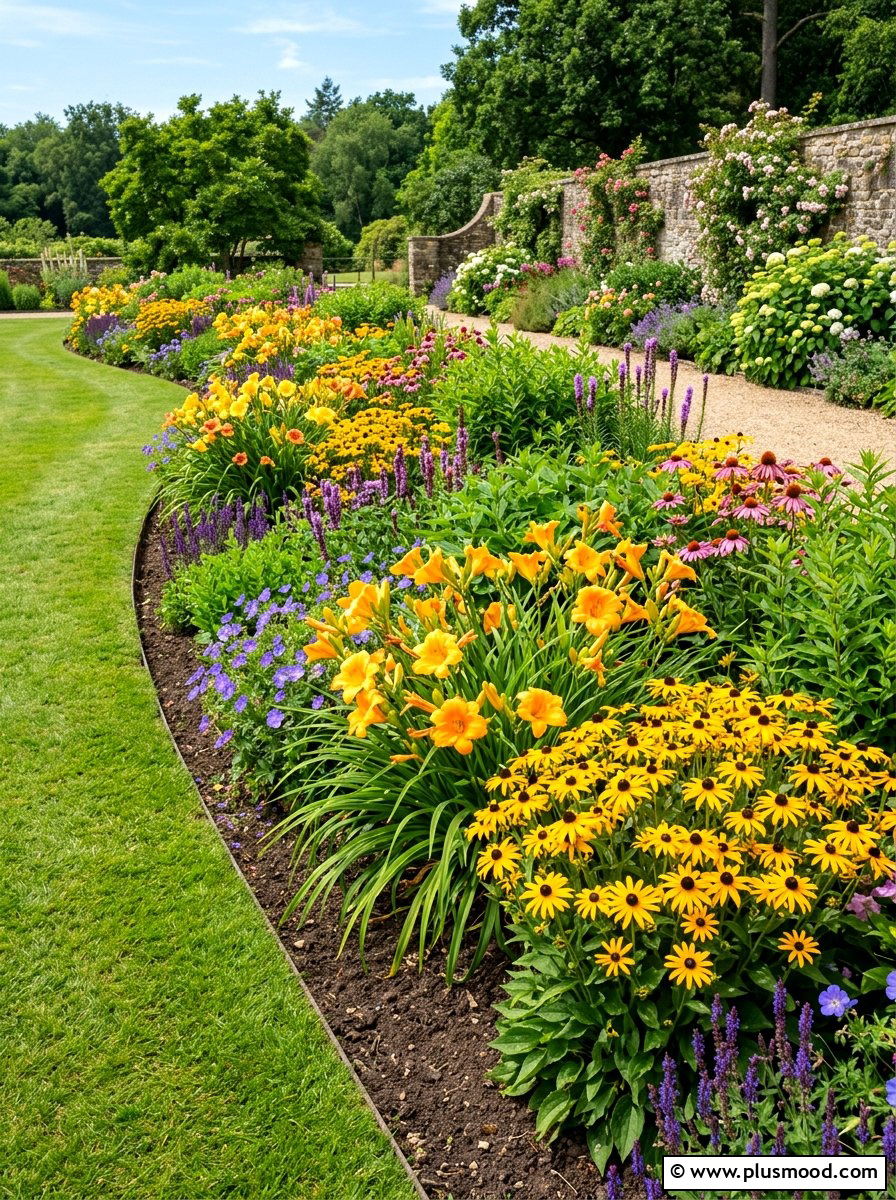
A perennial flower border is a long-term investment that brings beauty back to your garden year after year without replanting. By choosing plants with different bloom times, you can ensure your border looks vibrant from early June through late August. Popular choices like daylilies, phlox, and black-eyed Susans provide a steady supply of color and height along the edges of your lawn. Mixing in some ornamental grasses adds texture and movement as they sway in the summer breeze. This type of garden requires some maintenance like deadheading and dividing, but the rewards of a permanent and evolving landscape are well worth the extra effort.
14. Tropical Flower Garden
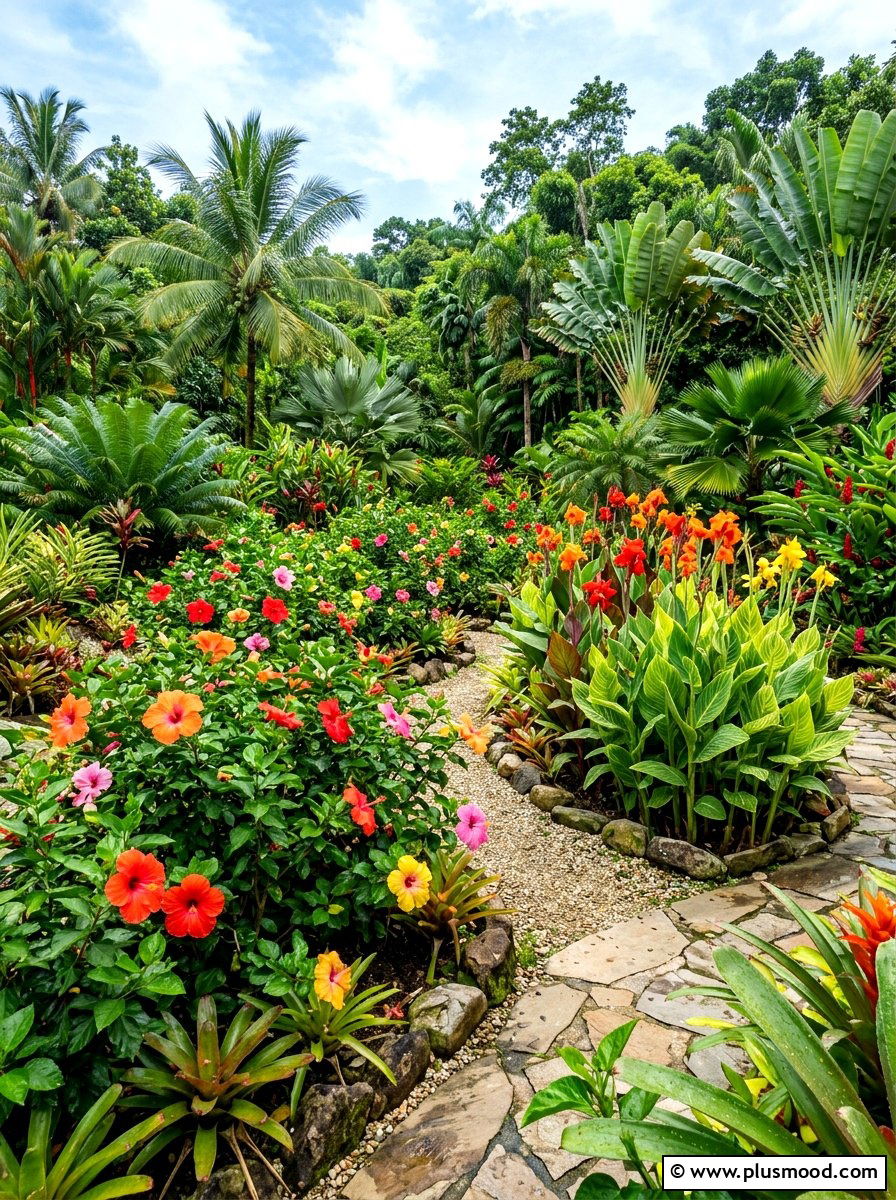
You can create a vacation vibe in your own backyard by planting exotic-looking tropical flowers that love the heat and humidity. Canna lilies, hibiscus, and bird of paradise plants feature large, bold leaves and incredibly vibrant flowers in shades of orange and red. These plants grow quickly during the summer and can transform a standard garden into a lush jungle retreat in just a few months. Even in cooler climates, many of these can be grown in large pots and brought indoors for the winter. Pairing them with oversized foliage plants like elephant ears completes the look and provides a stunning, high-impact summer garden.
15. Rock Garden Flowers
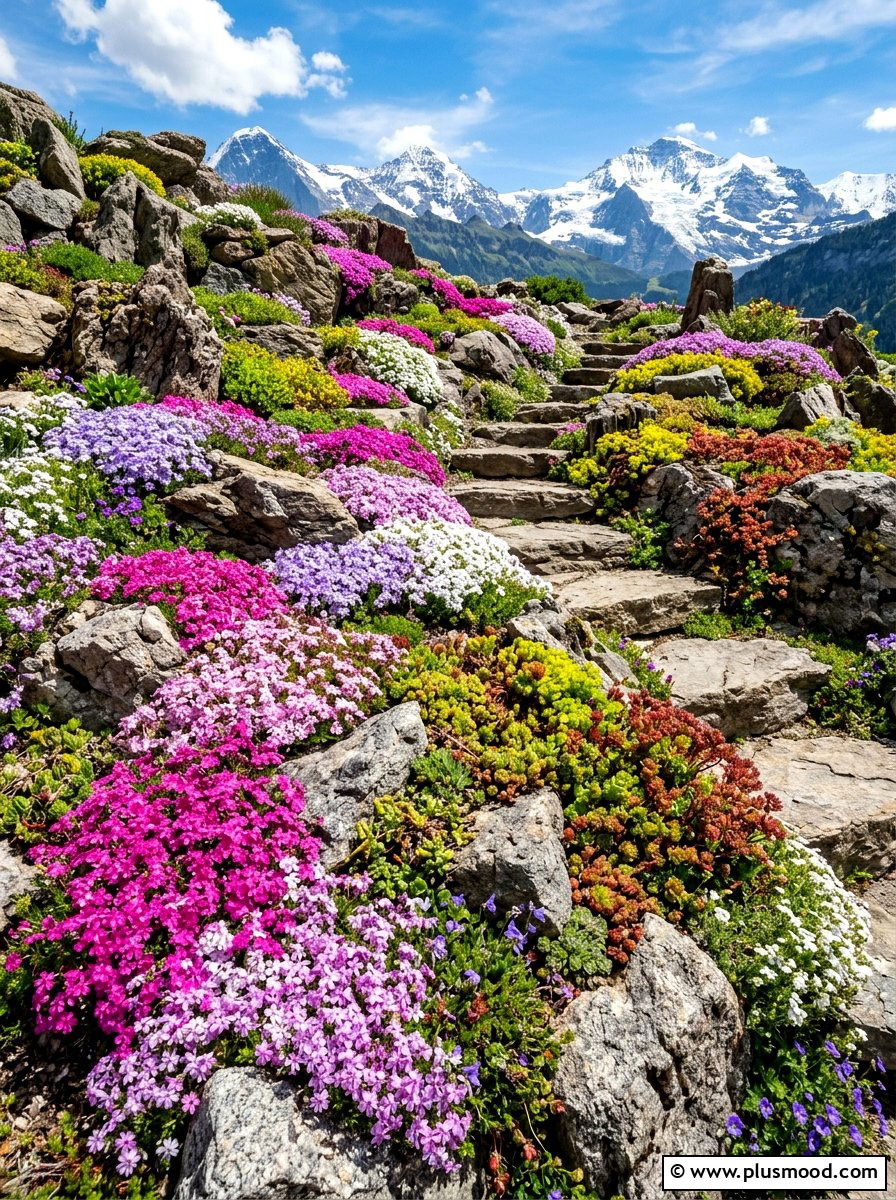
Rock gardens are perfect for sunny, well-drained areas where traditional flower beds might struggle to survive the heat. You can use varying sizes of stones and gravel to create a rugged landscape that serves as a backdrop for tough plants. Low-growing flowers like creeping phlox, stonecrop, and various sedums thrive in the small crevices between the rocks. These plants are often drought-tolerant and require very little maintenance once they are planted in the ground. The combination of hard stone textures and soft, colorful blooms creates a sophisticated and natural look that works well on slopes or in front of a home.
16. Window Box Flowers
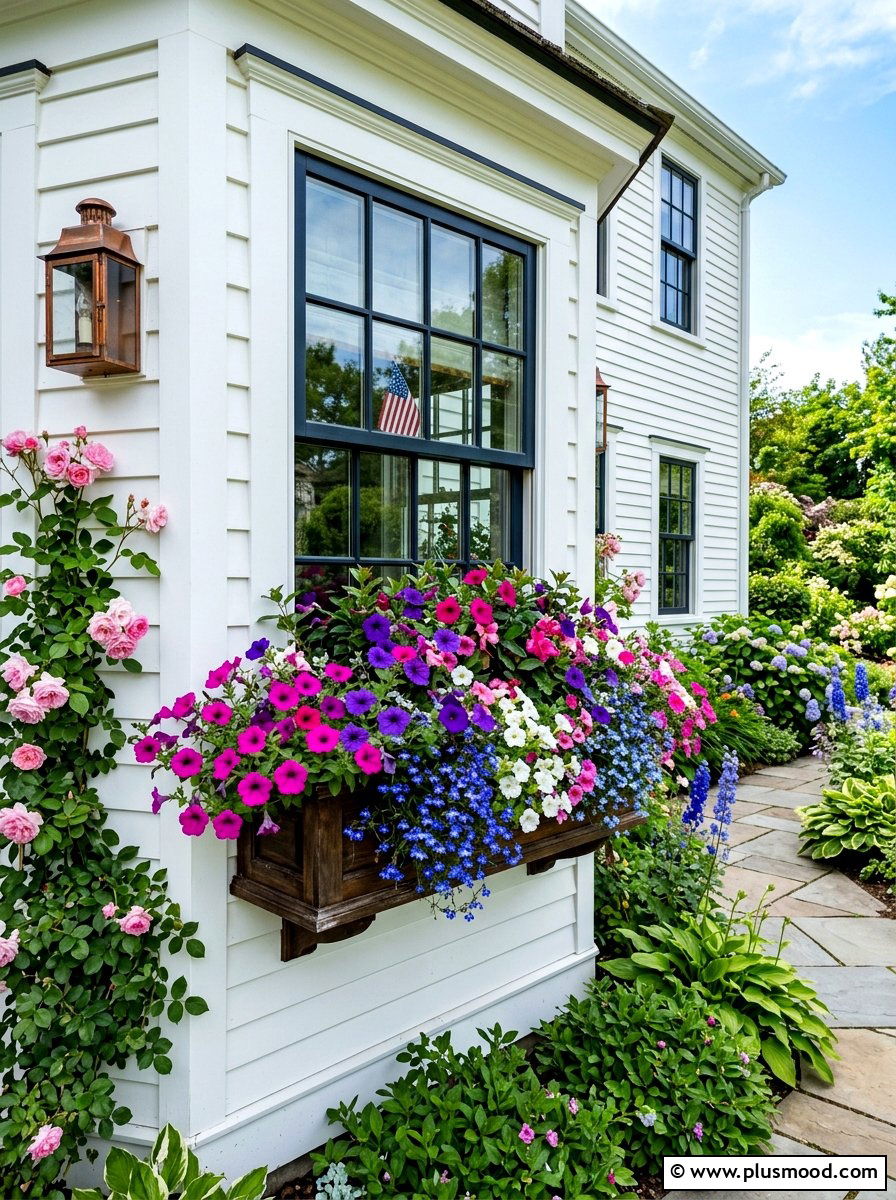
Window boxes are a classic way to add a splash of summer color to the exterior of your house immediately. You can fill them with a mix of upright flowers and trailing vines that spill over the edges for a lush look. Petunias, lobelia, and bacopa are popular choices because they bloom continuously and come in a wide variety of colors. These small gardens are easy to maintain and can be watered quickly from inside or outside the house. They bring the beauty of the garden up to eye level and make your home feel much more inviting and well-cared for during the summer.
17. Edible Flower Garden
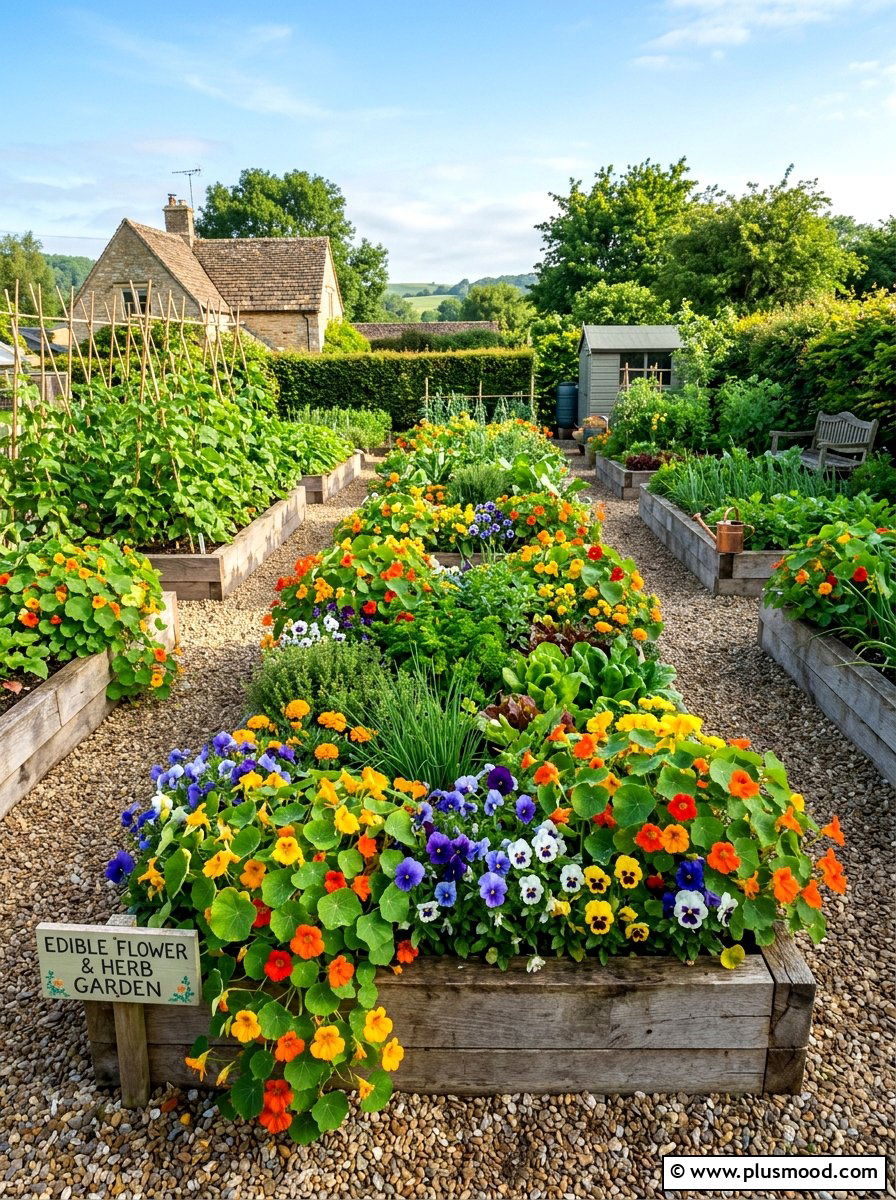
An edible flower garden combines beauty with functionality by growing plants that look great and can be used in your kitchen. Flowers like nasturtiums, pansies, and marigolds add a peppery or citrusy flavor to salads and desserts while looking stunning in the bed. You can mix these in with your vegetables or give them their own dedicated space near the back door. It is important to ensure you are growing them without harmful chemicals if you plan to eat them later. This type of gardening is a fun way to experiment with new flavors and adds a unique, gourmet touch to your summer meals.
18. Butterfly Flower Garden
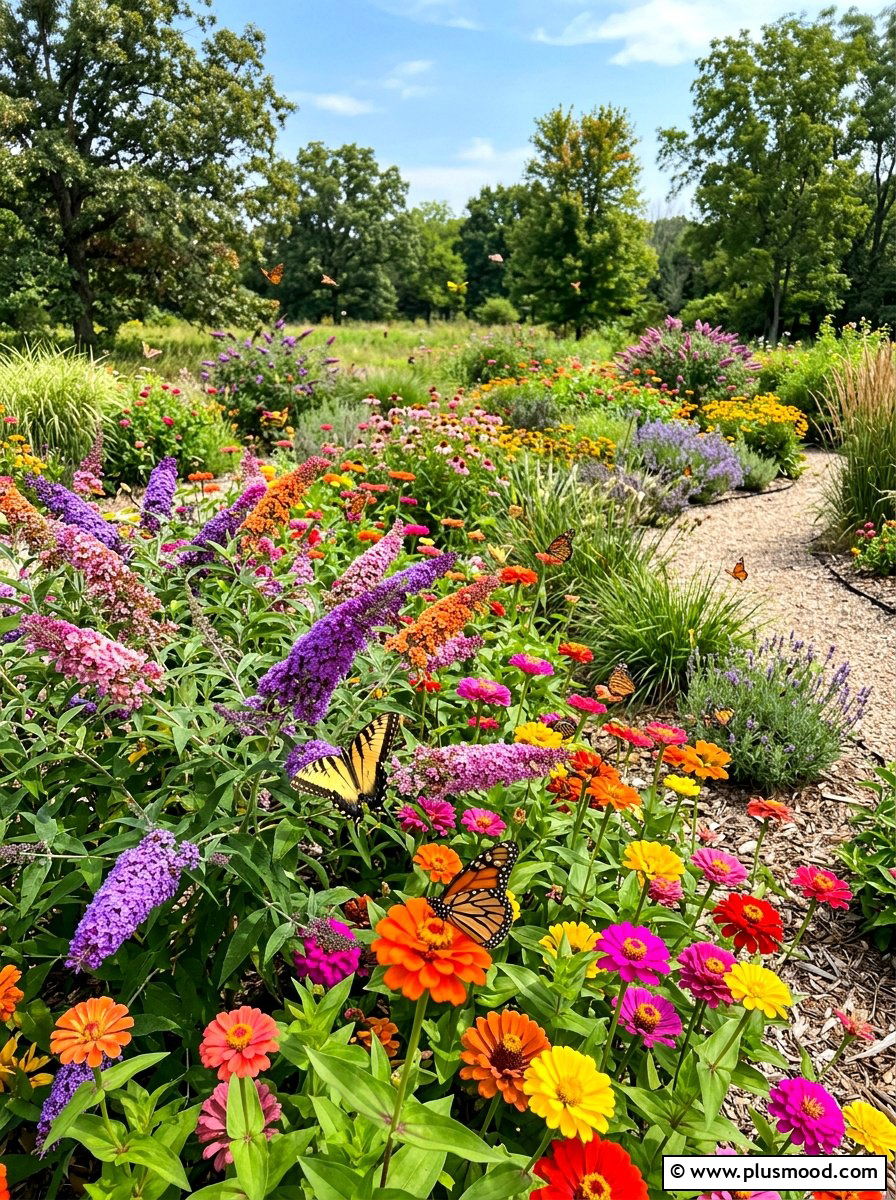
Creating a haven for butterflies involves planting a variety of flowers that provide both food for adults and homes for caterpillars. Brightly colored blooms like buddleia, also known as butterfly bush, and zinnias are magnets for many different species of butterflies. Including host plants like parsley or dill ensures that they have a place to lay their eggs and support the next generation. Watching the life cycle of a butterfly right in your own backyard is an educational and magical experience for both children and adults. A sunny, wind-protected spot is the best location for these winged visitors to feed and rest.
19. Rose Garden Path
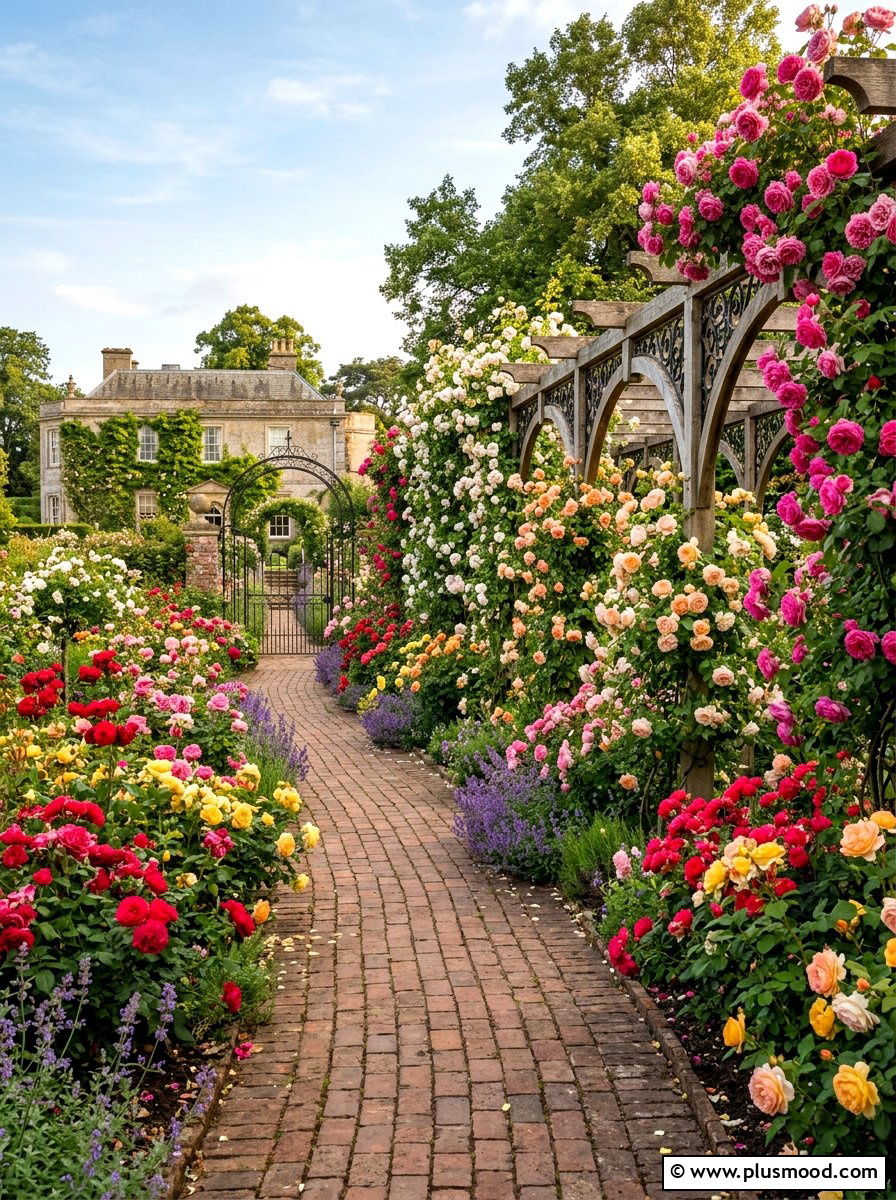
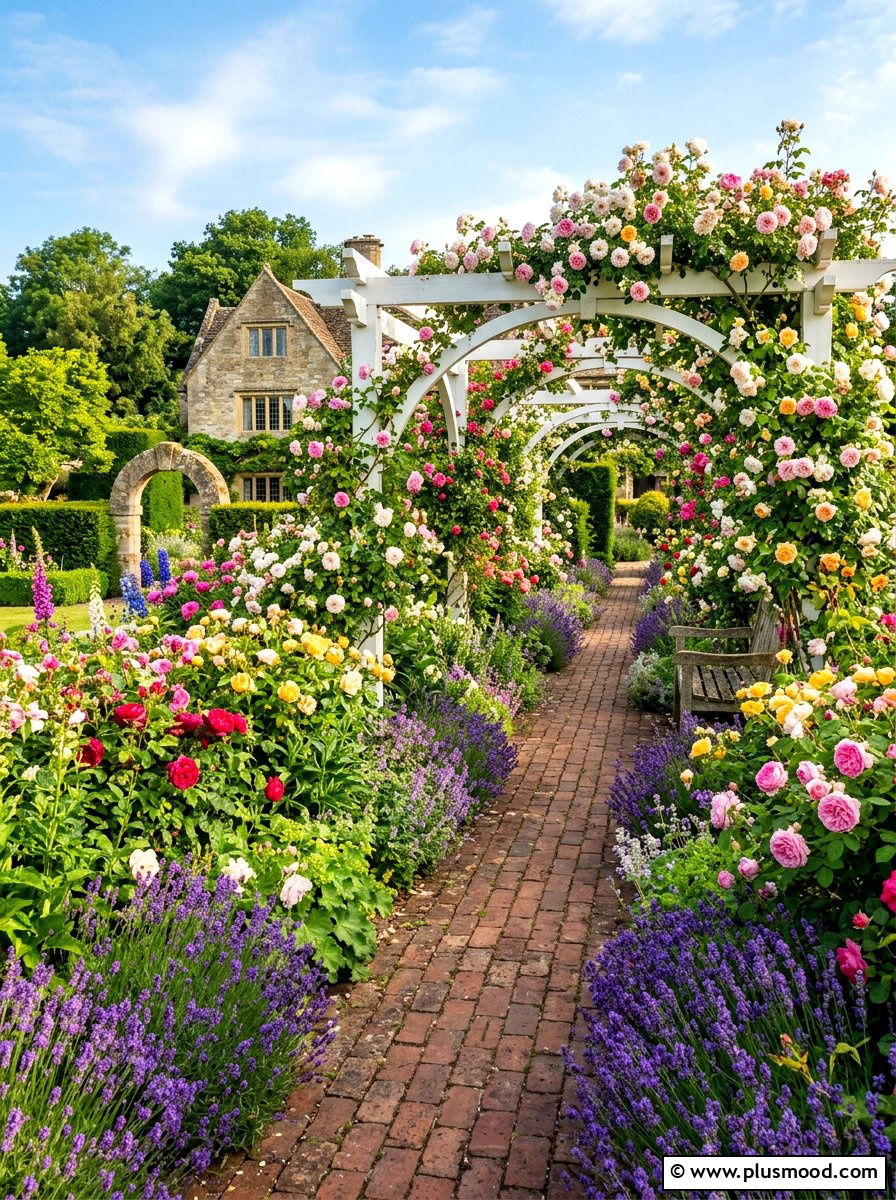
There is nothing quite as classic and romantic as a garden path lined with fragrant, blooming roses during the summer. You can choose from many different types, including climbing roses for arches, shrub roses for borders, or hybrid teas for cutting. Positioning them along a walkway allows you to enjoy their incredible scent every time you move through your outdoor space. Modern rose varieties are often bred to be more disease-resistant and easier to care for than older types. Regular pruning and feeding will keep them producing beautiful flowers all season long. A rose garden adds a timeless elegance that never goes out of style.
20. Hydrangea Flower Border
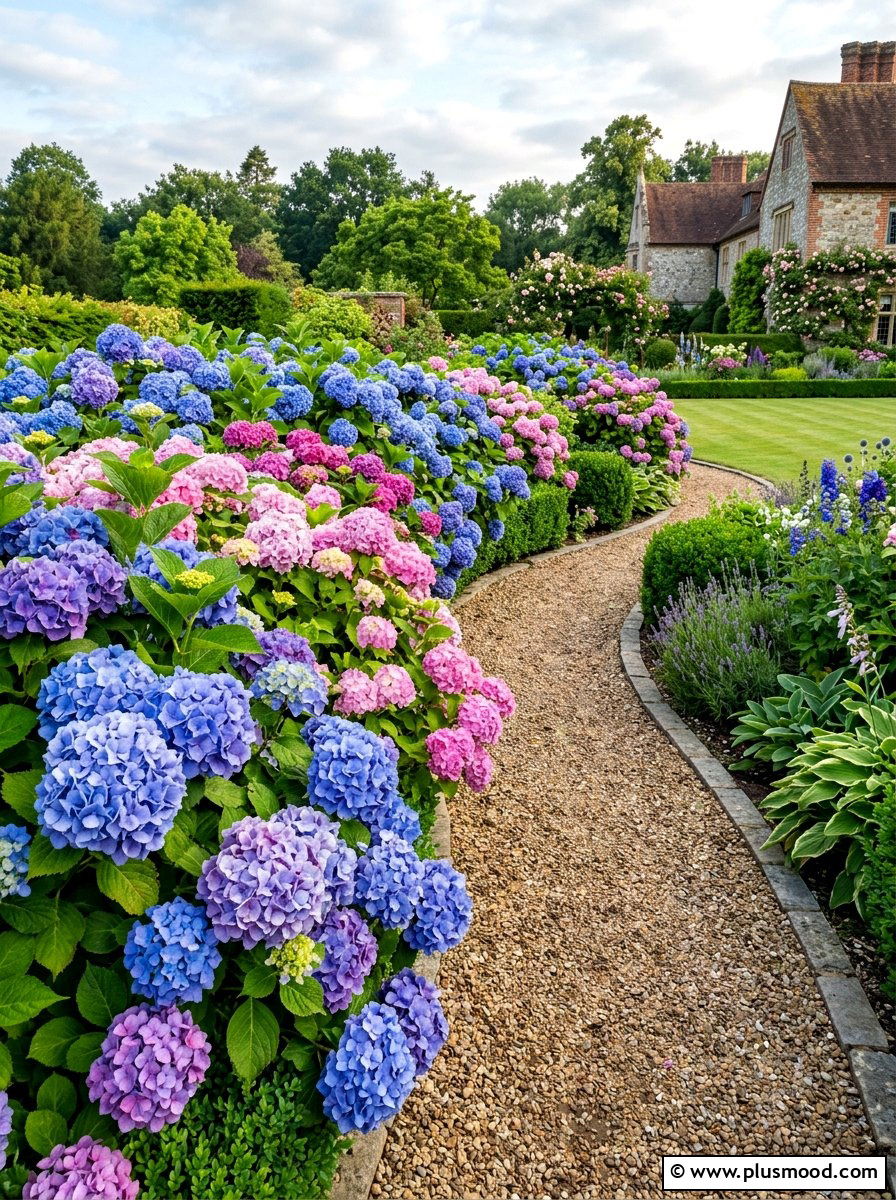
Hydrangeas are beloved for their massive flower heads and ability to provide big blocks of color in the summer landscape. They work beautifully when planted in a long border or as a privacy screen along a fence line. Depending on your soil pH, you can grow them in shades of blue, pink, or pure white. These shrubs enjoy morning sun and afternoon shade, making them perfect for the east side of a house or under large trees. Their large leaves provide a lush green backdrop even when they are not in full bloom. They are excellent for creating a classic, soft, and sophisticated garden look.
21. Drought Tolerant Flowers
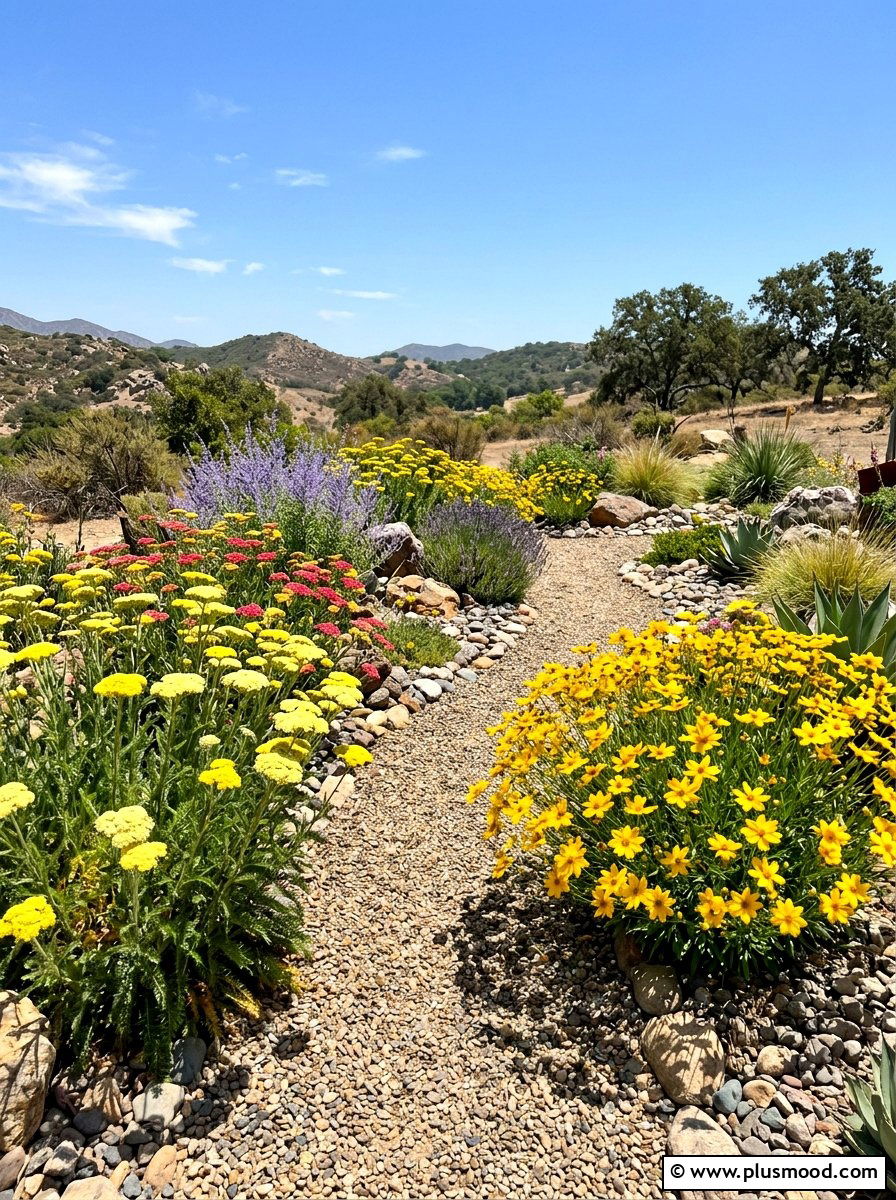
If you live in a dry climate or simply want to save water, a drought-tolerant flower garden is a smart and stylish choice. Plants like yarrow, coreopsis, and gaillardia are naturally adapted to survive with very little rainfall once they are established. These flowers often feature bright, cheerful colors and can handle the most intense summer heat without wilting or dying. Using mulch around the base of the plants helps to retain what little moisture is available in the soil. This type of gardening is environmentally friendly and reduces the amount of time you spend hauling a hose around your yard in the hot sun.
22. Scented Flower Garden
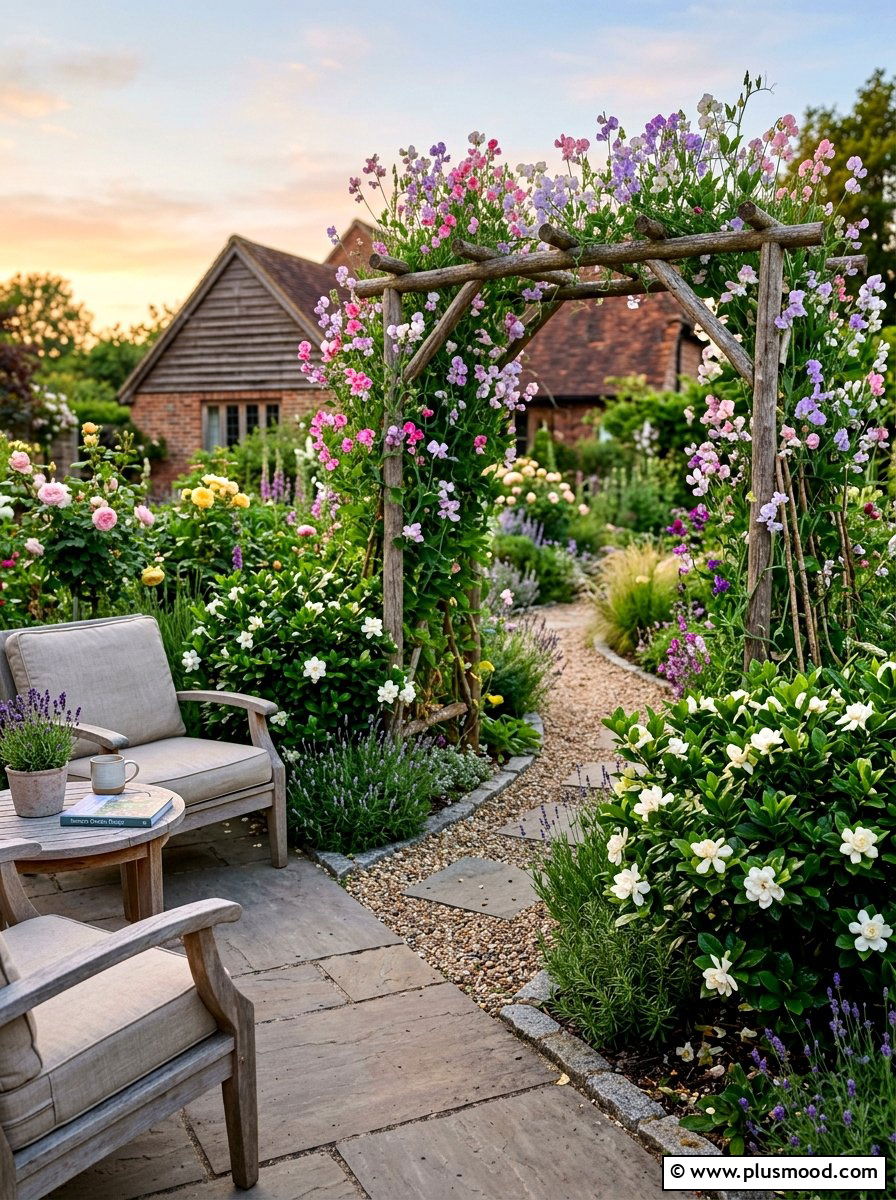
A scented flower garden focuses on the olfactory experience, filling the warm summer air with delightful and relaxing fragrances. You can plant highly aromatic flowers like sweet peas, gardenias, and scented geraniums near seating areas or open windows. The scent is often strongest in the evening or early morning when the air is still and humid. Walking through a garden that smells as good as it looks adds a whole new dimension to your outdoor enjoyment. Many fragrant plants also attract beneficial insects, which helps your garden stay healthy. It is a wonderful way to create a personal sanctuary that feels truly special and calm.
23. Monochromatic Flower Garden
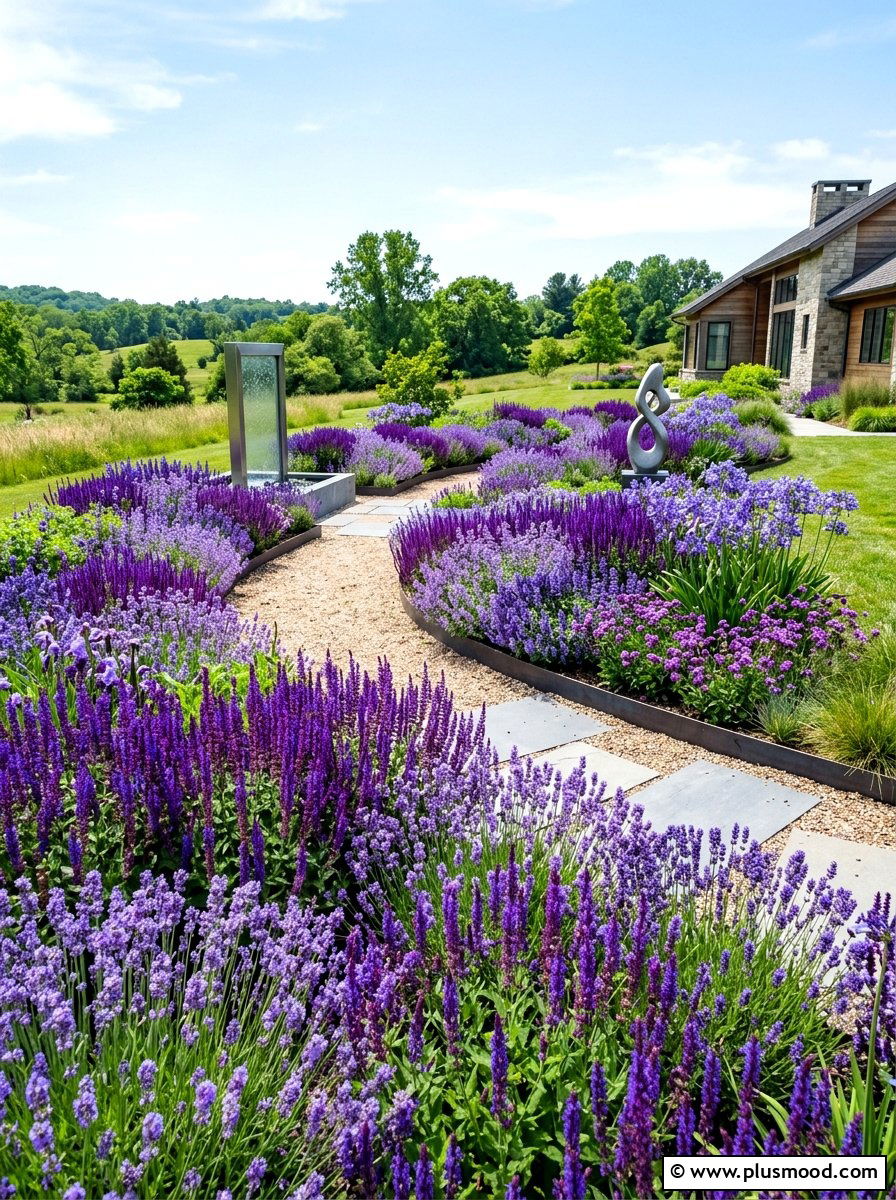
Choosing a single color for your summer garden creates a very sophisticated and cohesive look that is visually striking. For example, an all-purple garden could feature lavender, salvia, and purple coneflowers for a deep and rich appearance. Alternatively, an all-yellow garden with sunflowers and coreopsis feels bright and sunny even on a cloudy day. Using different shades and tints of the same color adds depth without making the space feel cluttered or overwhelming. This approach allows you to focus on the textures and shapes of the plants more clearly. It is a bold design choice that always gets compliments from guests and neighbors.
24. Coastal Flower Garden
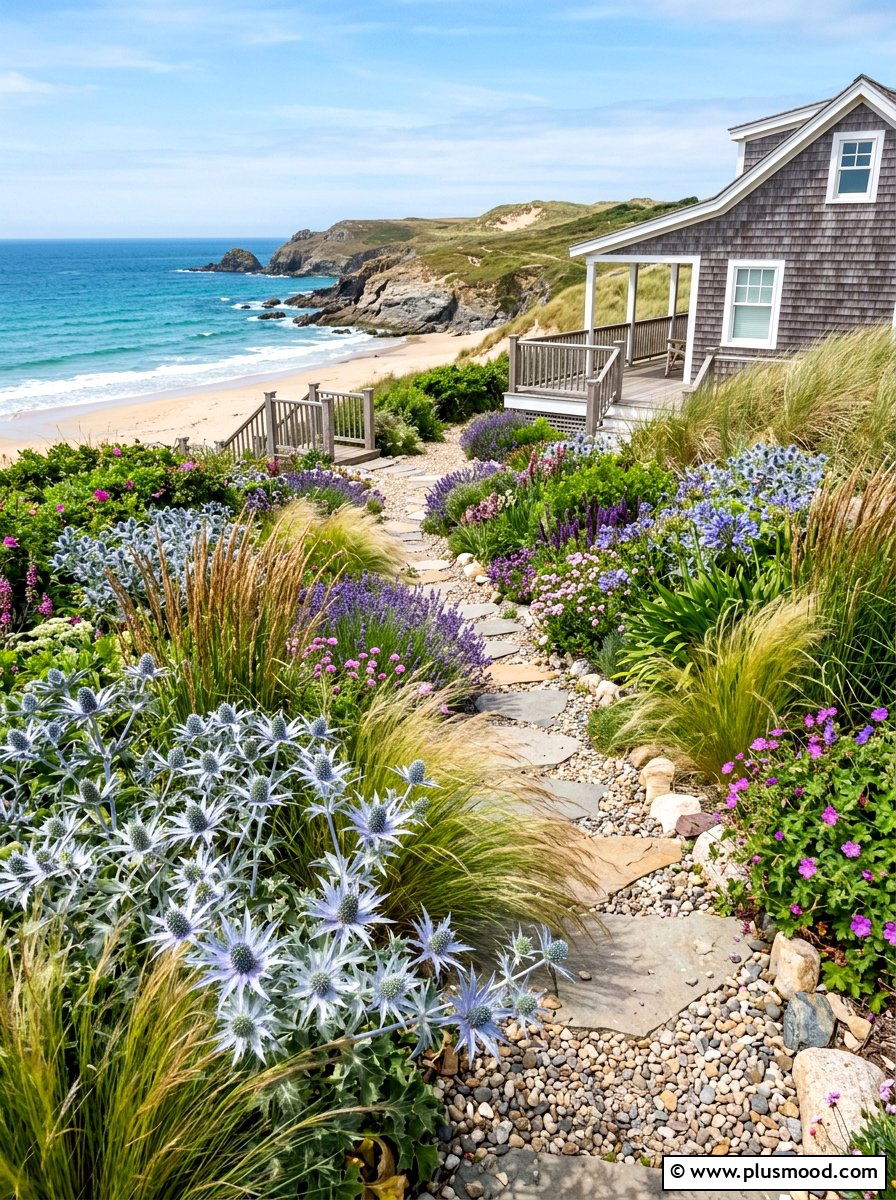
Coastal gardens need to be able to handle salty air and sandy soil while still looking beautiful in the summer sun. Plants like sea holly, rugosa roses, and ornamental grasses are perfect for these challenging conditions. They often have silvery or waxy leaves that help protect them from the drying effects of the wind and salt spray. These gardens usually have a relaxed and breezy feel that complements a beach house or a lakeside property perfectly. Using driftwood or smooth river stones as accents helps to tie the theme together. It is a great way to embrace your environment while creating a durable landscape.
25. Small Space Flower Garden
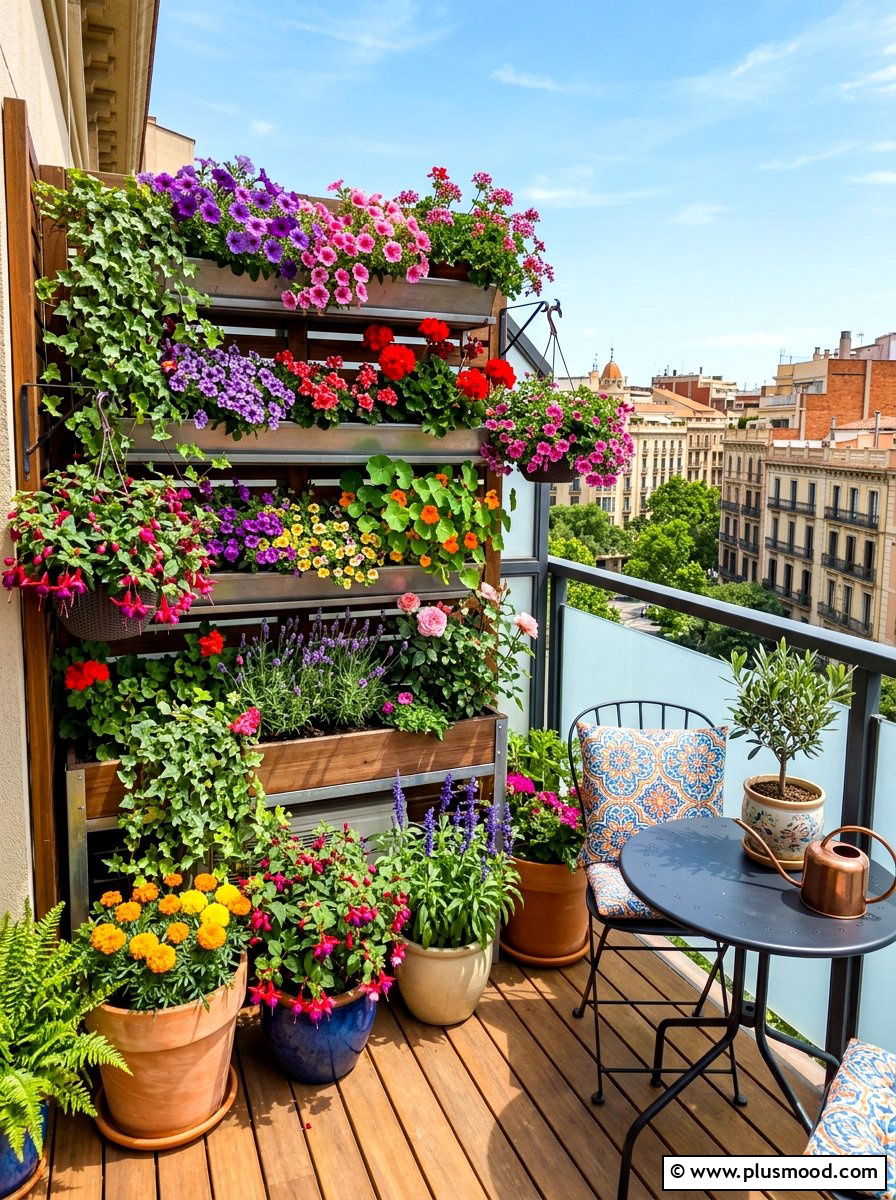
You do not need a massive yard to enjoy a beautiful summer flower garden if you use your space creatively. Utilizing vertical space, hanging baskets, and tiered plant stands allows you to grow dozens of flowers in just a few square feet. Choosing compact or dwarf varieties of your favorite plants ensures they do not overwhelm your small patio or balcony area. Bright colors can make a small space feel more expansive and cheerful during the summer months. Adding a few mirrors or light-colored furniture can also help to brighten up the area and reflect the beauty of your blooms for a better look.
Conclusion:
Designing a summer flower garden is a wonderful way to bring life, color, and joy to your home during the brightest time of year. By considering your specific environment and personal style, you can create a space that is both beautiful and easy to maintain. Whether you choose a romantic cottage look or a modern monochromatic theme, the key is to select plants that thrive in your local summer conditions. Gardening offers a great opportunity to get outside and enjoy the fresh air while creating something lasting. We hope these various ideas inspire you to start planting and enjoying your own vibrant summer floral sanctuary today.
Related posts:
Leave a Reply