
Summer brings a unique kind of magic to the backyard when you decide to cultivate your own food source. There is nothing quite like the satisfaction of watching a tiny seed transform into a vibrant, sun-drenched tomato or a fragrant bunch of basil. Edible gardens have evolved far beyond simple rows in the dirt; they are now a central part of modern landscape design that blends beauty with incredible utility. Whether you have a sprawling suburban lot or a tiny urban balcony, you can create a lush oasis that feeds your family and elevates your outdoor living space. Let’s explore these creative ways to bring fresh flavors to your home this season.
1. Raised Bed Vegetable Garden
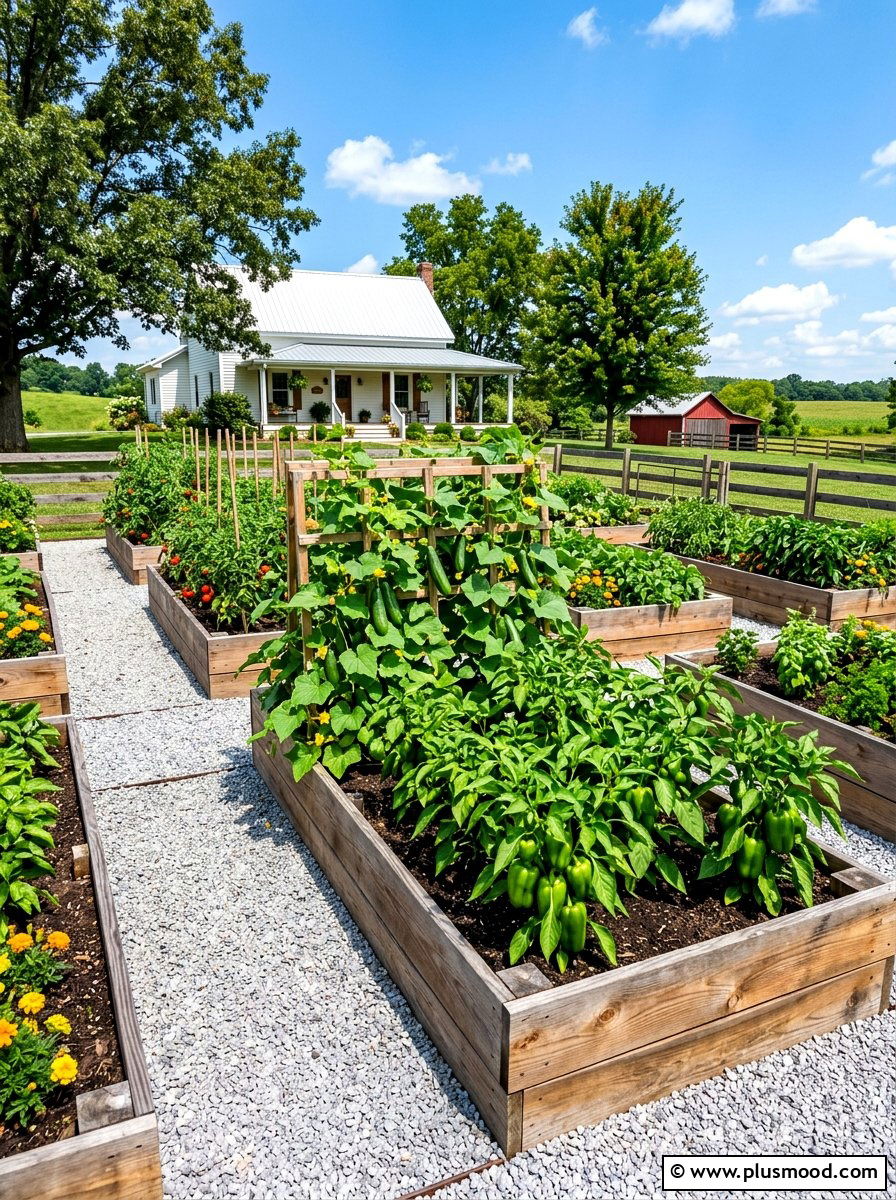
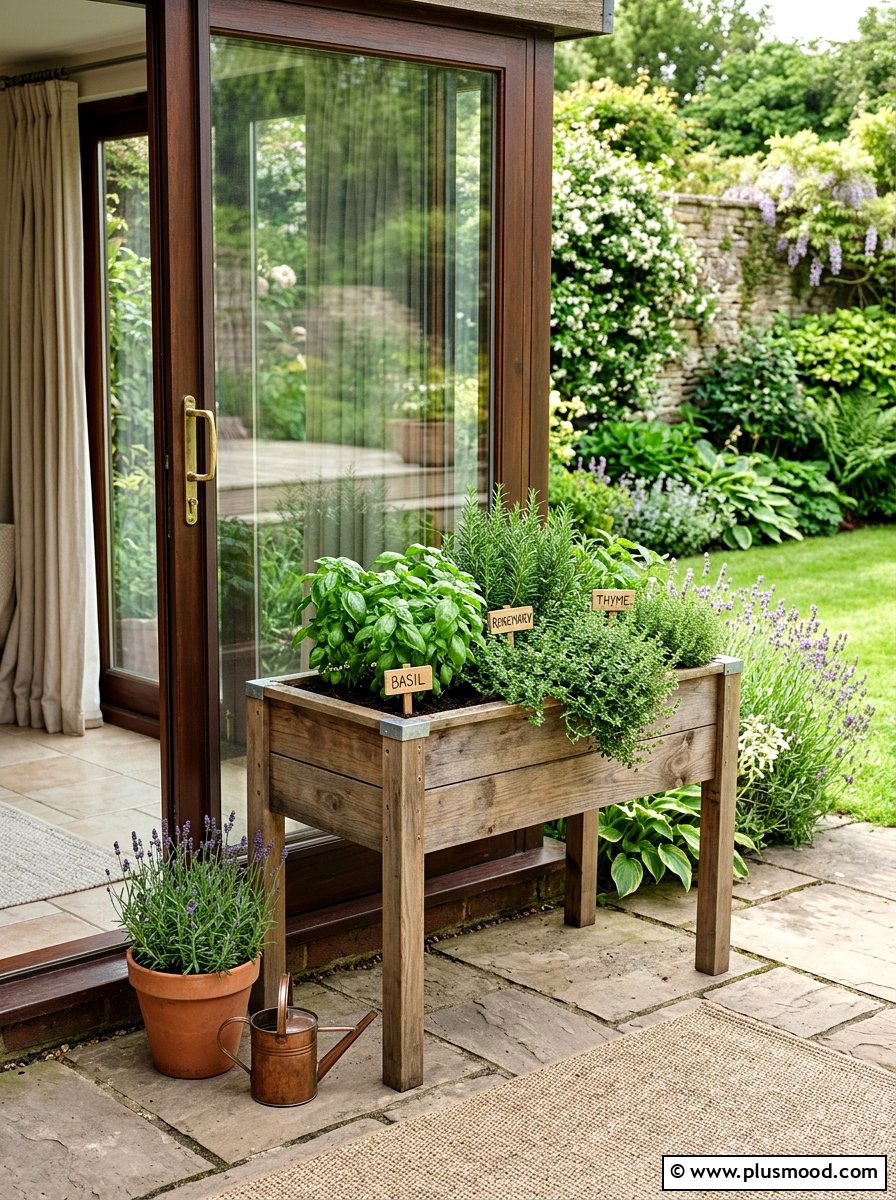
Building a raised bed vegetable garden is a fantastic way to organize your outdoor space while ensuring your plants have the best soil possible. These elevated structures provide superior drainage and prevent soil compaction, which helps roots grow deeper and stronger during the hot summer months. You can use materials like cedar wood, galvanized steel, or even stone to create a look that complements your home’s architecture perfectly. Imagine a series of neat, productive boxes filled with vibrant peppers, leafy greens, and climbing cucumbers. This method also makes gardening much more accessible by reducing the need for heavy bending or kneeling. It results in a clean and very professional appearance for any backyard.
2. Vertical Herb Garden
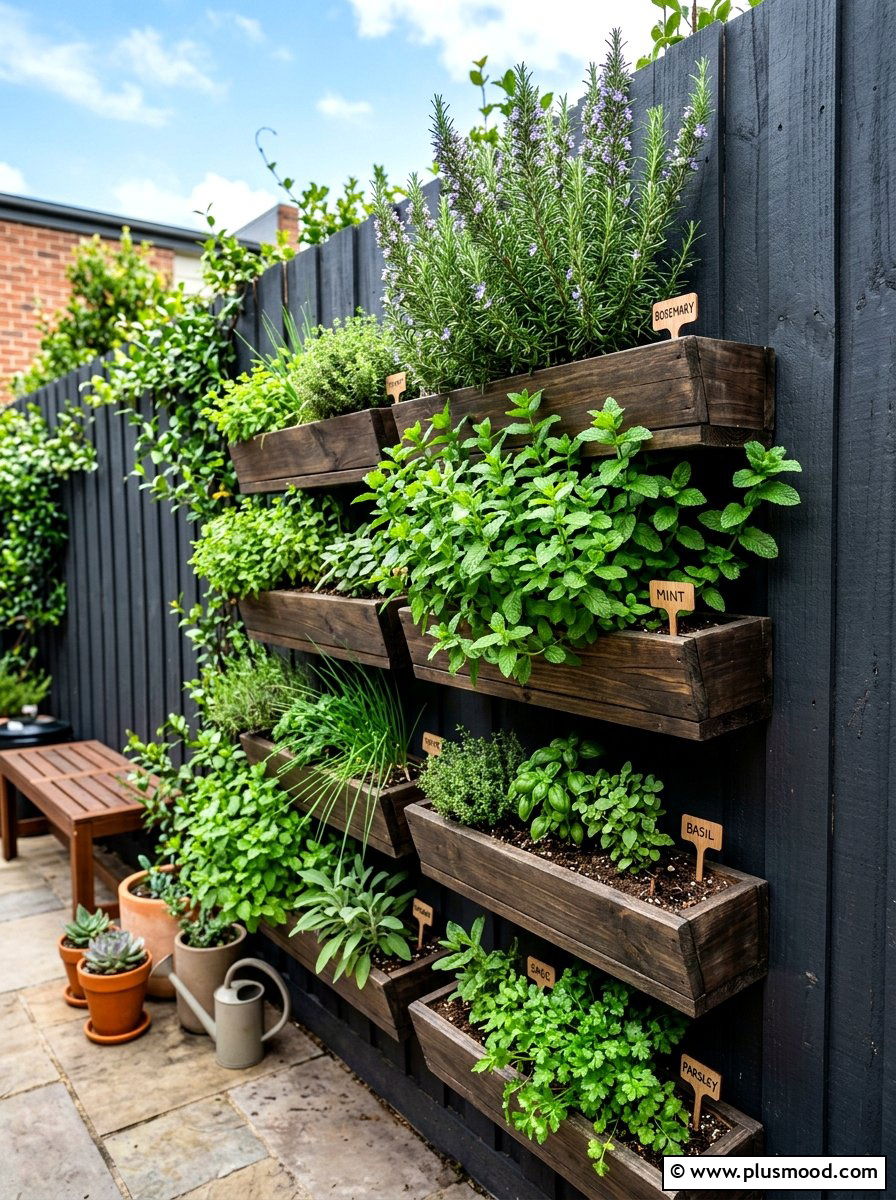
A vertical herb garden is the perfect solution for homeowners who want fresh flavors but have limited ground space. By utilizing wall-mounted planters or tiered shelving, you can grow a wide variety of aromatic greens like rosemary, thyme, and mint. This setup not only looks stunning against a bare fence or brick wall but also keeps your herbs within easy reach of the outdoor kitchen. You can experiment with different textures and shades of green to create a living tapestry that smells as good as it looks. Automated drip irrigation systems can be hidden behind the structure to ensure your plants stay hydrated without any daily effort.
3. Container Tomato Garden
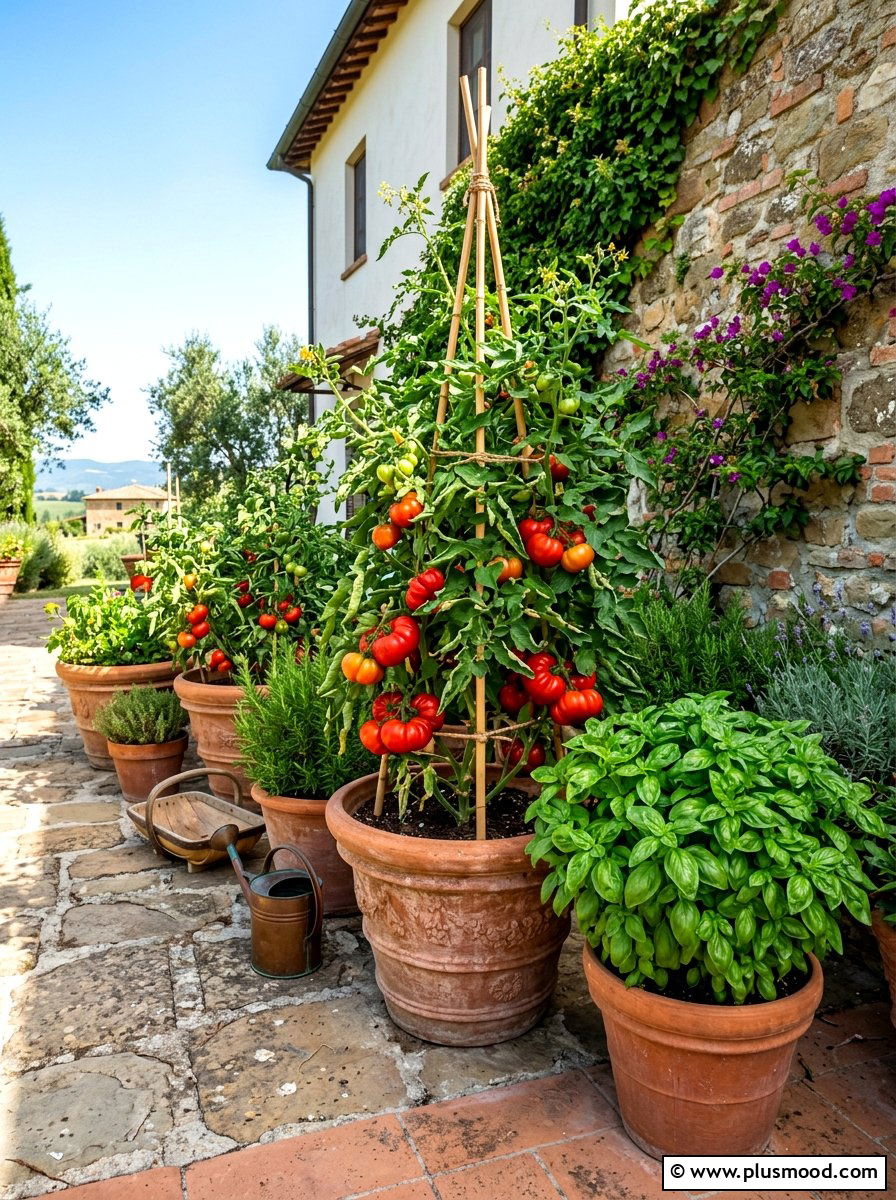
Growing a container tomato garden allows you to enjoy juicy, sun-ripened fruit even if you only have a small patio or deck. Large pots provide enough room for the deep root systems that tomatoes require to thrive throughout the heat of July and August. You can choose from various heirloom types or compact bush varieties that are specifically designed for pot culture. Surrounding the base of your tomato plants with low-growing basil or marigolds adds a decorative touch while helping to naturally deter common garden pests. This setup is incredibly flexible because you can move the containers to follow the sun’s path as the summer season progresses.
4. Edible Flower Garden
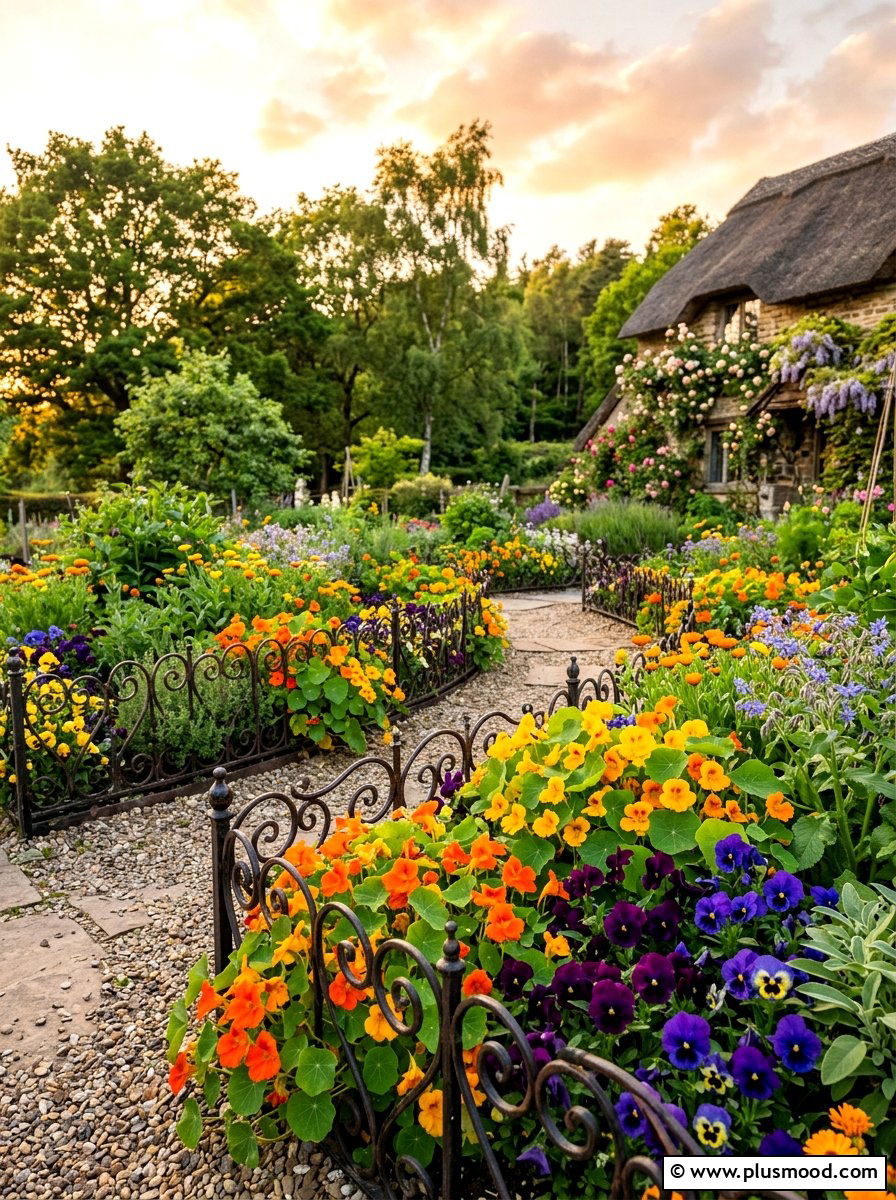
An edible flower garden adds a whimsical and colorful touch to your landscape while providing unique ingredients for your summer salads and desserts. Plants like nasturtiums, pansies, and violas offer vibrant blooms that are completely safe to consume and have delightful, peppery flavors. You can arrange these flowers in structured beds or let them mingle with traditional vegetables to attract beneficial pollinators to your yard. The visual impact of bright orange, yellow, and purple petals against green foliage creates a cheerful atmosphere that feels like a classic cottage garden. It is a wonderful way to make your outdoor space feel more artistic and productive at the same time.
5. Backyard Orchard
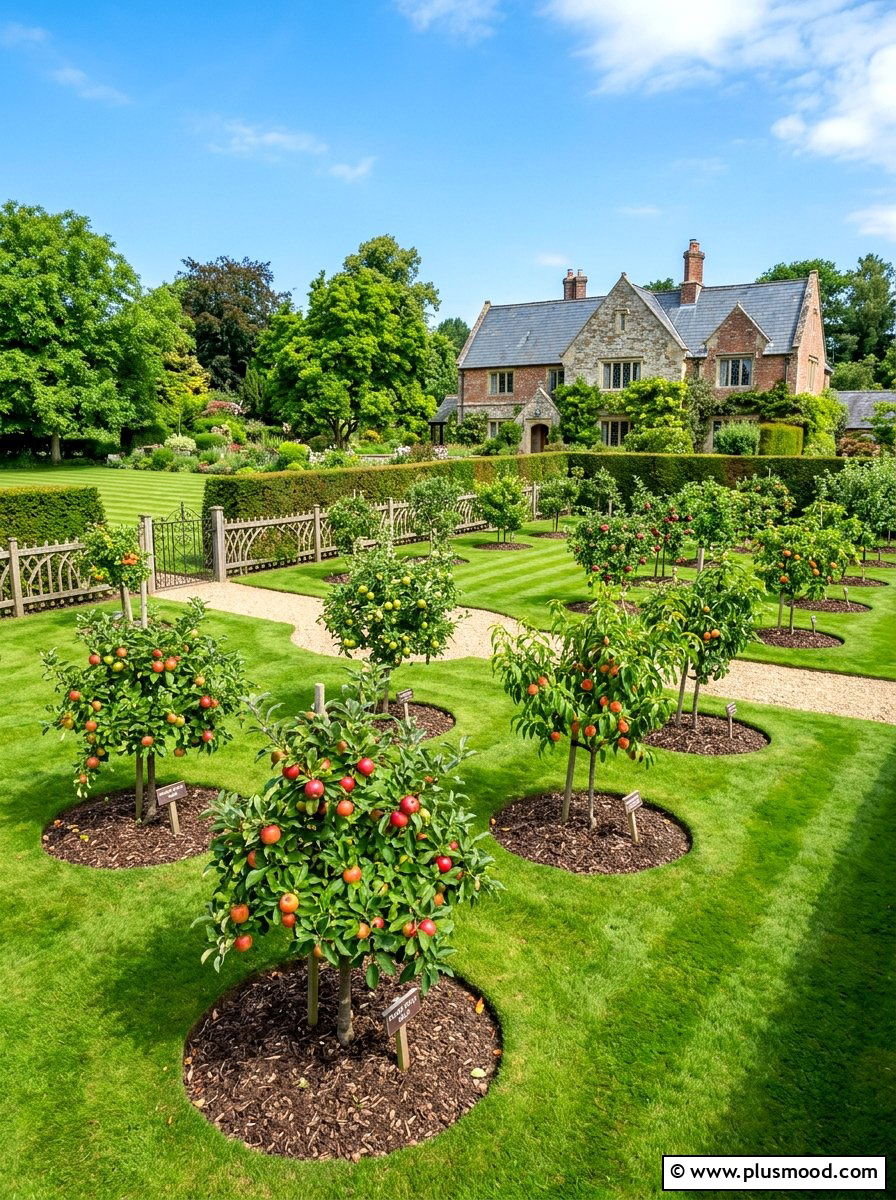
Transforming a portion of your property into a backyard orchard is a long-term investment that pays off with baskets of fresh fruit. Dwarf and semi-dwarf fruit trees, such as apples, peaches, or cherries, are excellent choices for modern yards because they remain manageable in size while producing high yields. You can plant them in a dedicated grove or use them as focal points within your existing flower beds for a look known as foodscaping. During the spring, these trees provide beautiful blossoms, and by late summer, they offer shade and delicious snacks. This design creates a sense of abundance and permanence that traditional annual vegetable rows often lack.
6. Kitchen Garden Layout
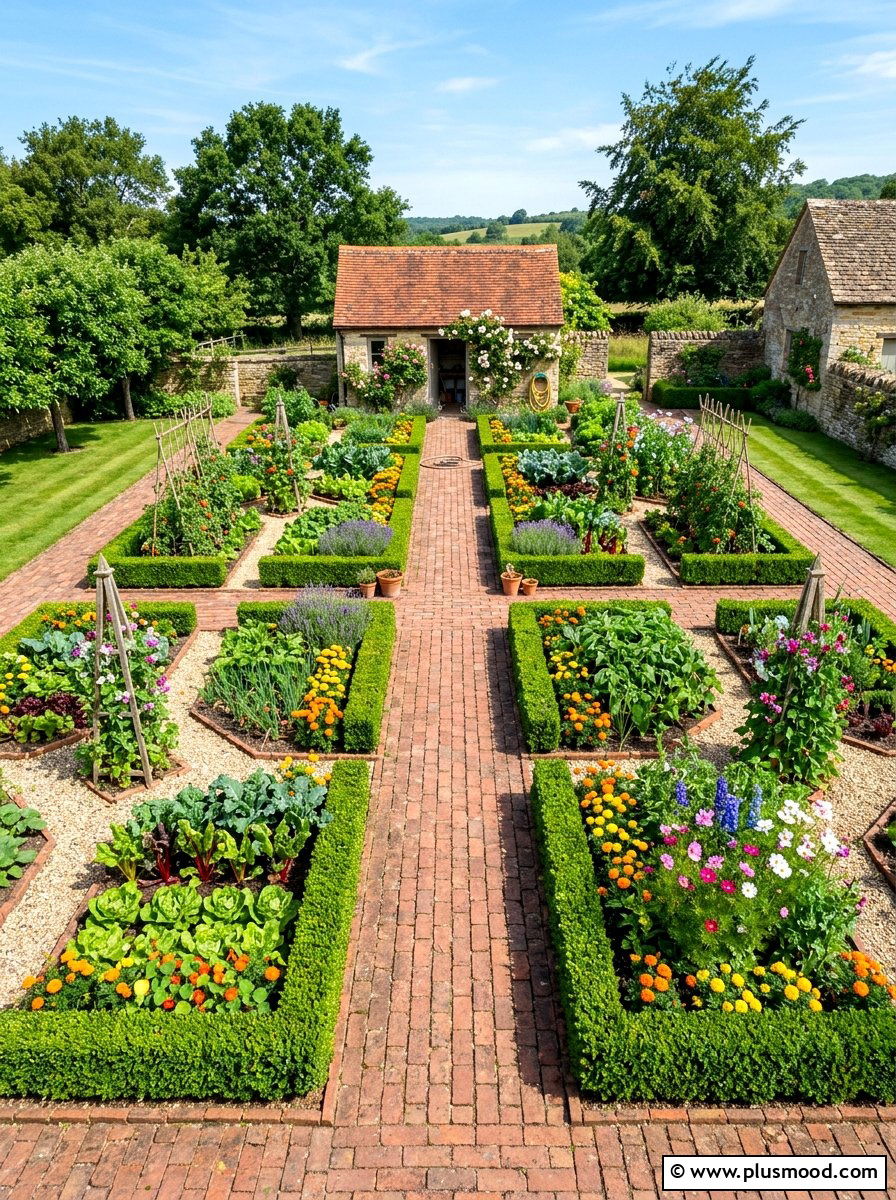
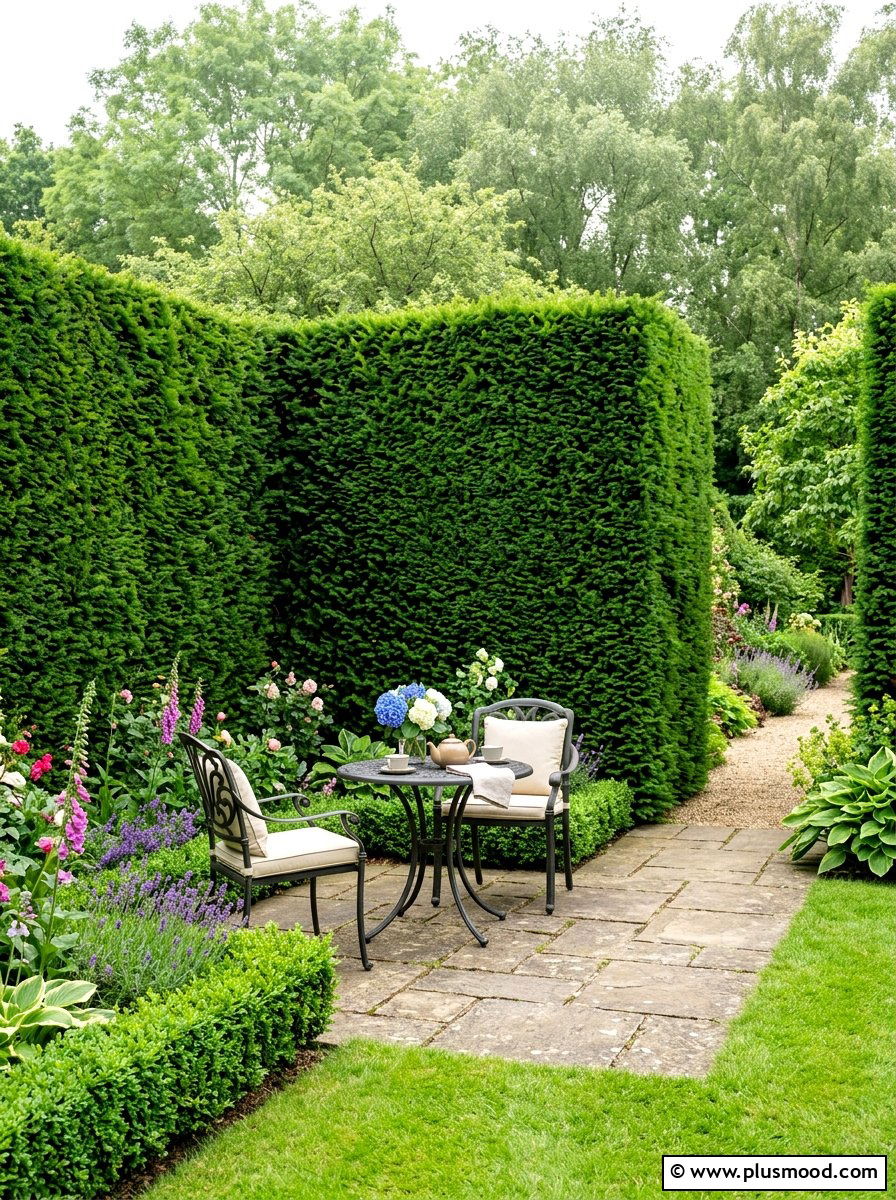
Designing a formal kitchen garden layout, often called a potager, brings a sense of order and elegance to your food production. This style typically uses symmetrical paths made of gravel or brick to divide the growing space into geometric sections. You can plant a mix of vegetables, herbs, and cutting flowers within each quadrant to create a lush, layered look that remains attractive all year long. A central focal point, like a birdbath or a sundial, anchors the design and provides a place for the eye to rest. This approach turns your vegetable patch into a beautiful destination where you can enjoy a morning coffee while harvesting your lunch.
7. Pollinator Friendly Garden
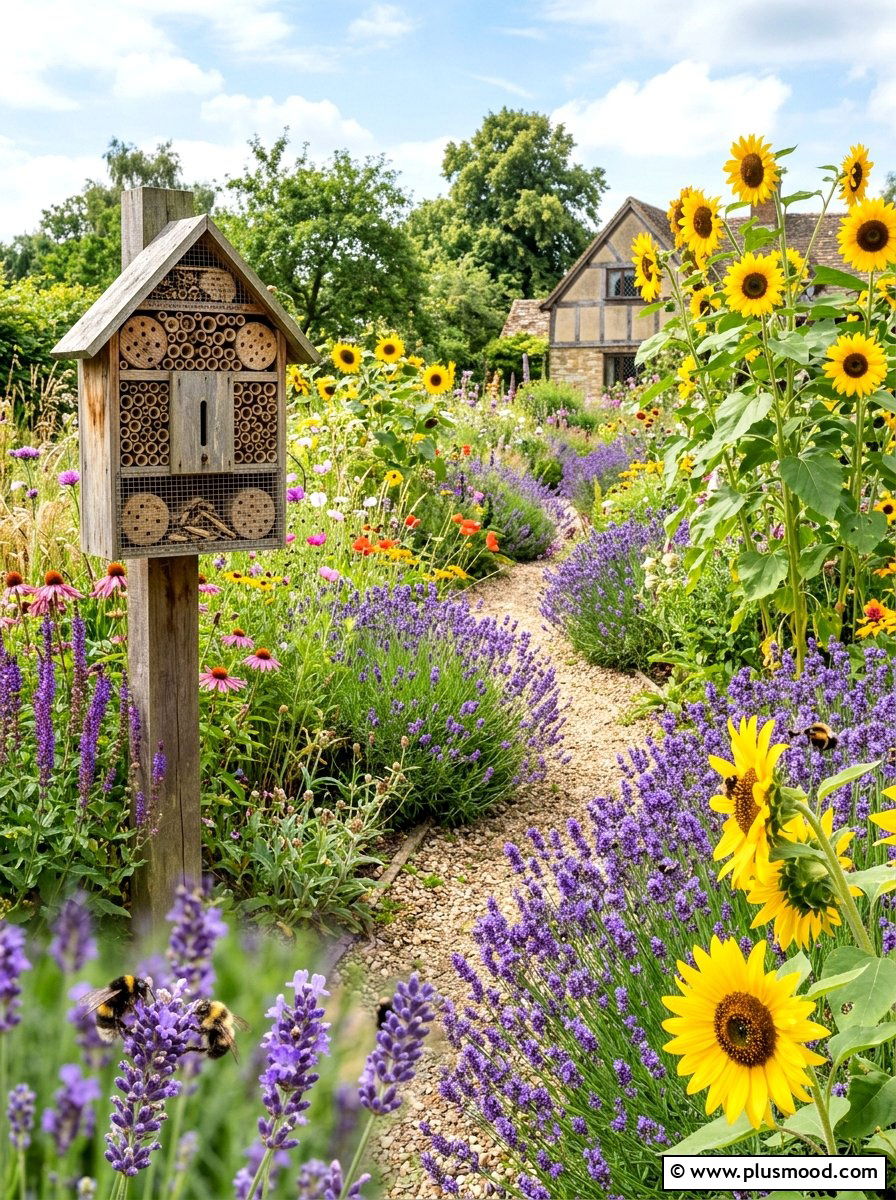
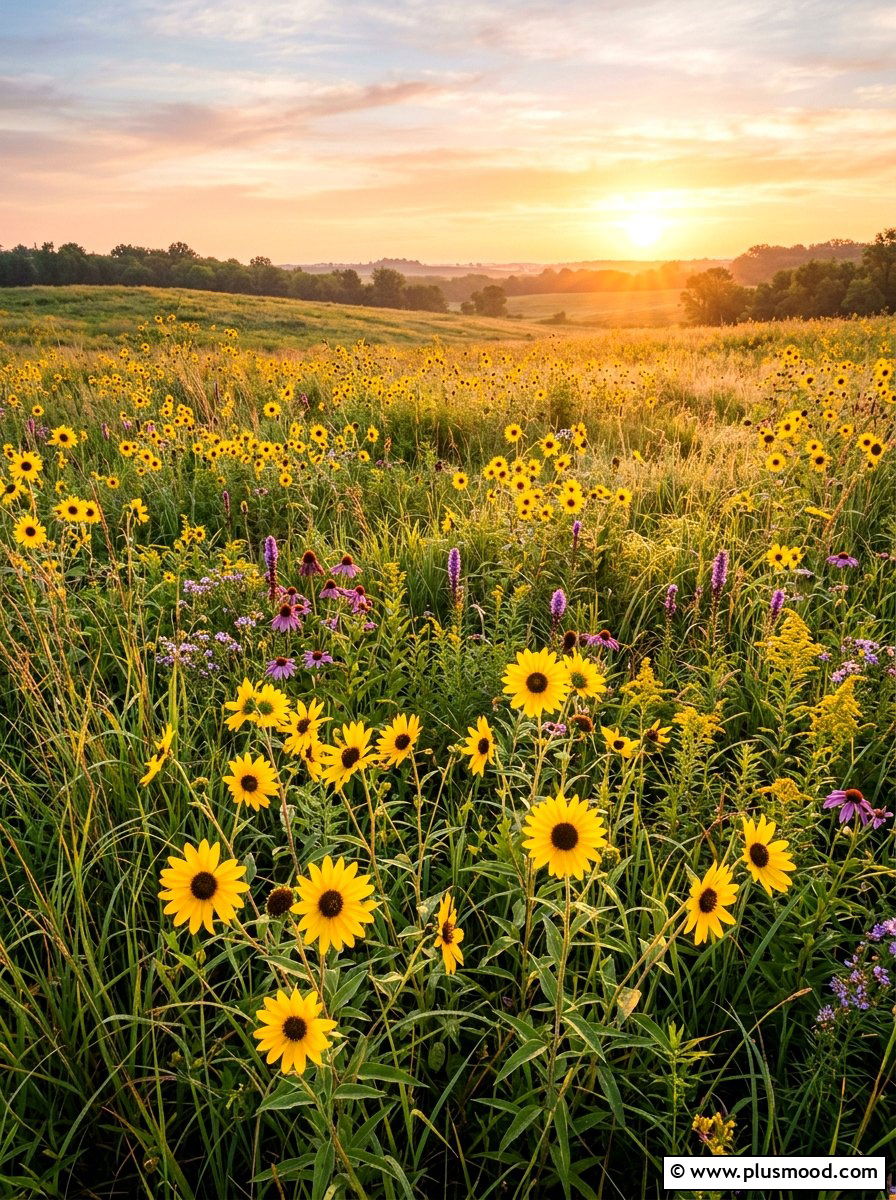
Creating a pollinator friendly garden is essential for a productive summer harvest, as bees and butterflies are the hard workers behind your fruit and vegetable production. By interplanting native flowering species with your edibles, you ensure that these helpful insects have a consistent food source throughout the season. Choose plants with varying bloom times and shapes, such as lavender, coneflowers, and sunflowers, to support a diverse range of local pollinators. This type of garden feels wild and energetic, filled with movement and the gentle hum of nature. It not only boosts your garden's overall yield but also helps support the local ecosystem in a very meaningful way.
8. Small Space Edible Garden
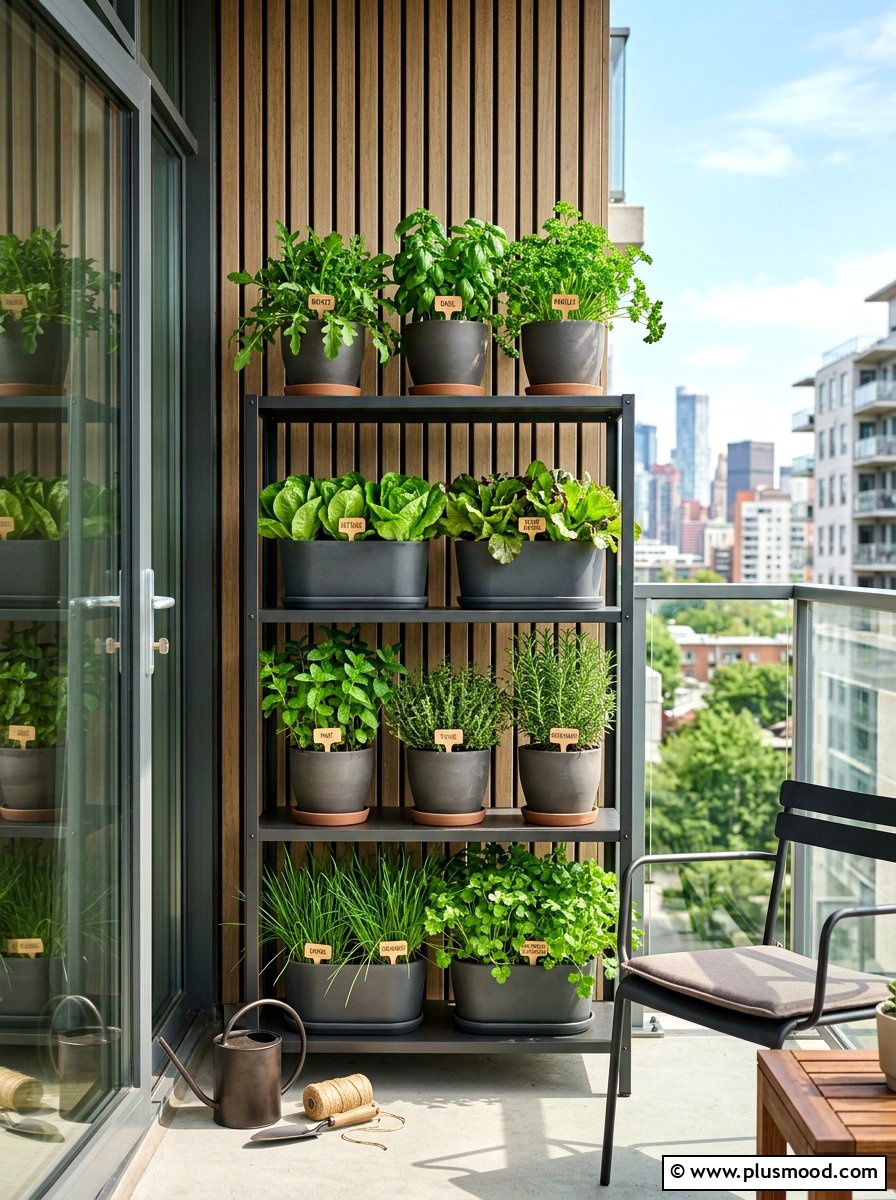
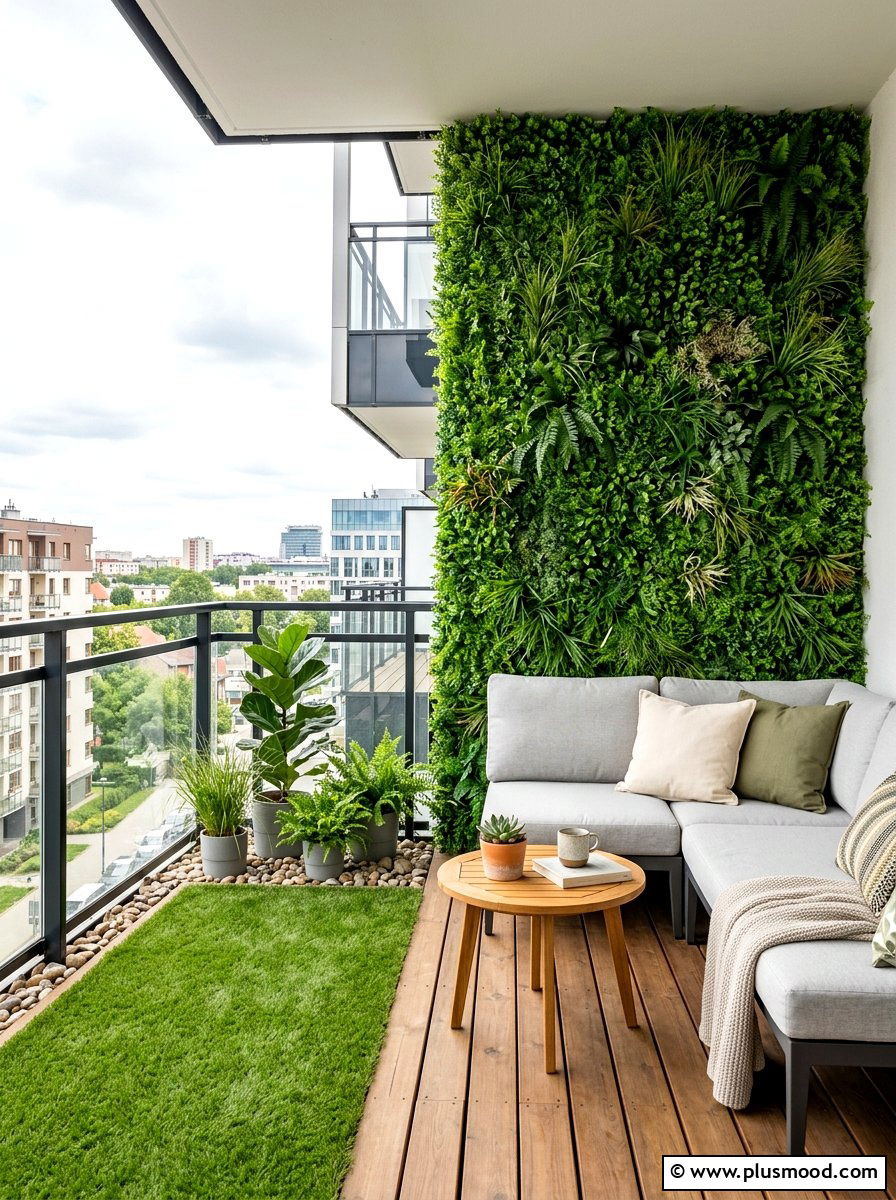
A small space edible garden proves that you do not need acres of land to grow a significant amount of your own food. By using intensive planting techniques and choosing high-yield varieties, you can turn a tiny side yard or narrow balcony into a productive powerhouse. Utilize every available surface, including railings for hanging planters and corners for tiered stands, to maximize your growing area. Leafy greens, radishes, and herbs are excellent choices for these compact setups because they grow quickly and can be harvested repeatedly. This approach encourages creativity and forces you to think about verticality and layering to make the most of every single square inch.
9. Greenhouse Vegetable Garden
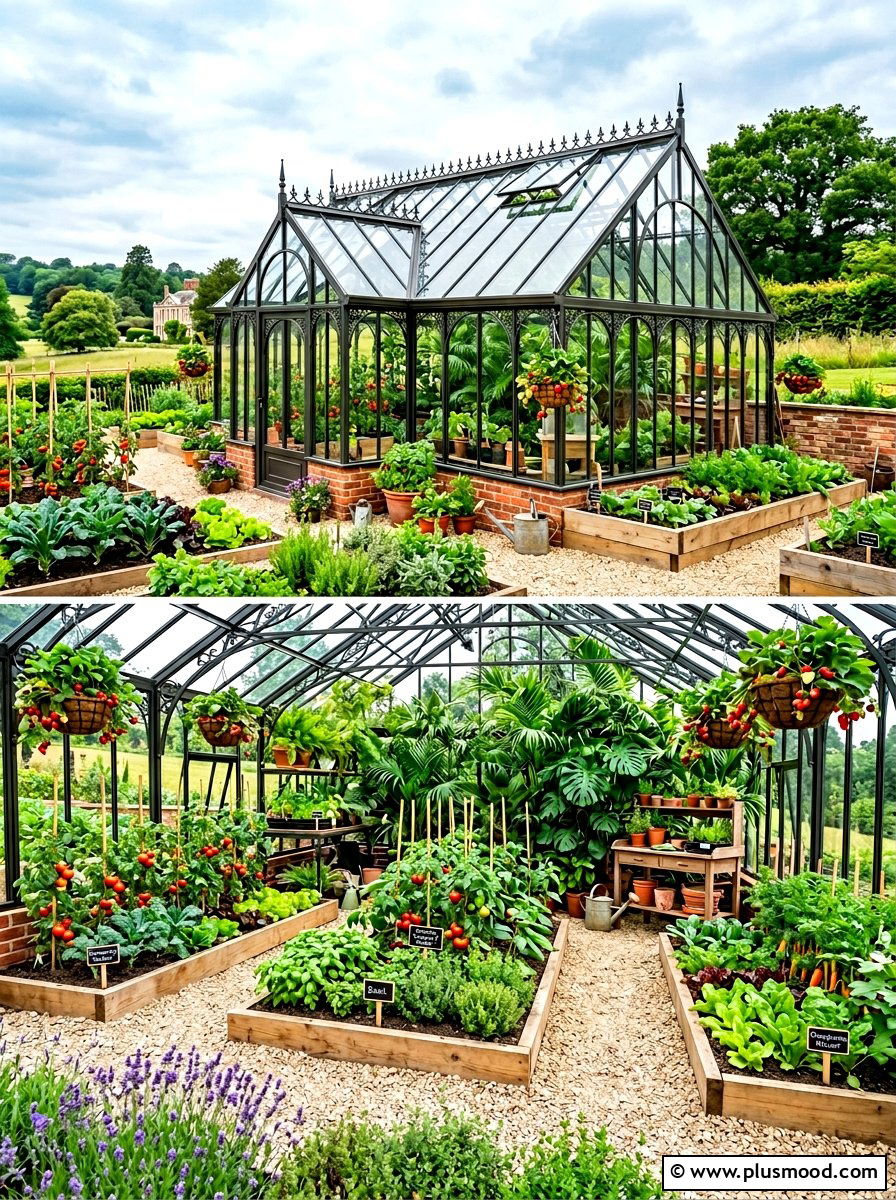
Investing in a greenhouse vegetable garden allows you to control the environment perfectly and protect your delicate summer crops from sudden storms or pests. These structures come in various styles, from classic glass houses to modern polycarbonate kits that fit into smaller backyard corners. Inside, you can grow heat-loving plants like eggplants, melons, and exotic peppers that might struggle with fluctuating outdoor temperatures. The controlled humidity and warmth inside a greenhouse create a tropical feel that can be incredibly relaxing to spend time in. Adding a small seating area inside allows you to enjoy the lush greenery even on days when the weather outside is not quite perfect.
10. Salad Greens Garden
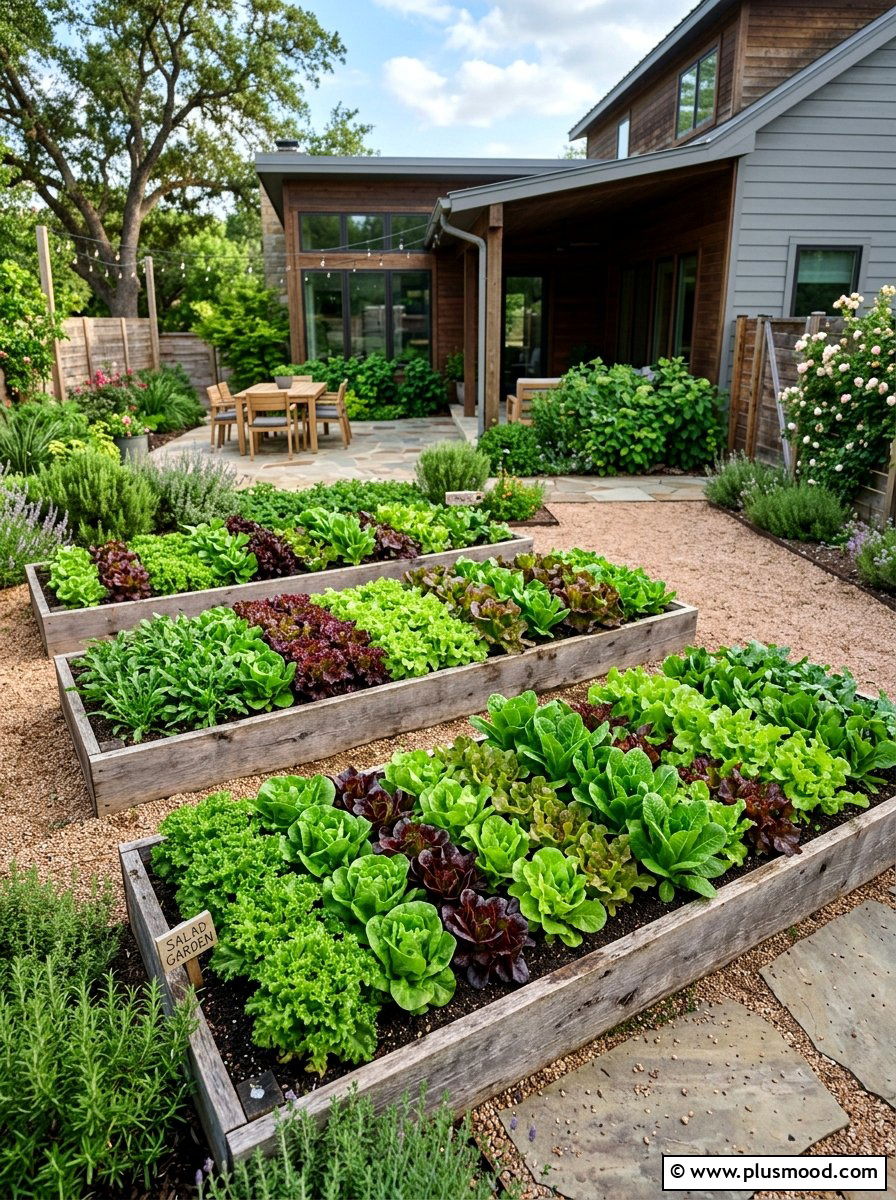
Dedicated salad greens gardens are perfect for those who want a constant supply of fresh, crispy ingredients for light summer meals. You can plant a wide variety of lettuces, spinach, and arugula in shallow beds or wide containers that are easy to access. Using the "cut and come again" method allows you to harvest individual leaves while the plants continue to grow for several weeks. To keep the look interesting, mix different leaf shapes and colors, ranging from deep burgundy to bright lime green. Shading these beds with a light mesh or placing them in a spot with afternoon shade helps prevent the plants from bolting in the heat.
11. Strawberry Patch Layout
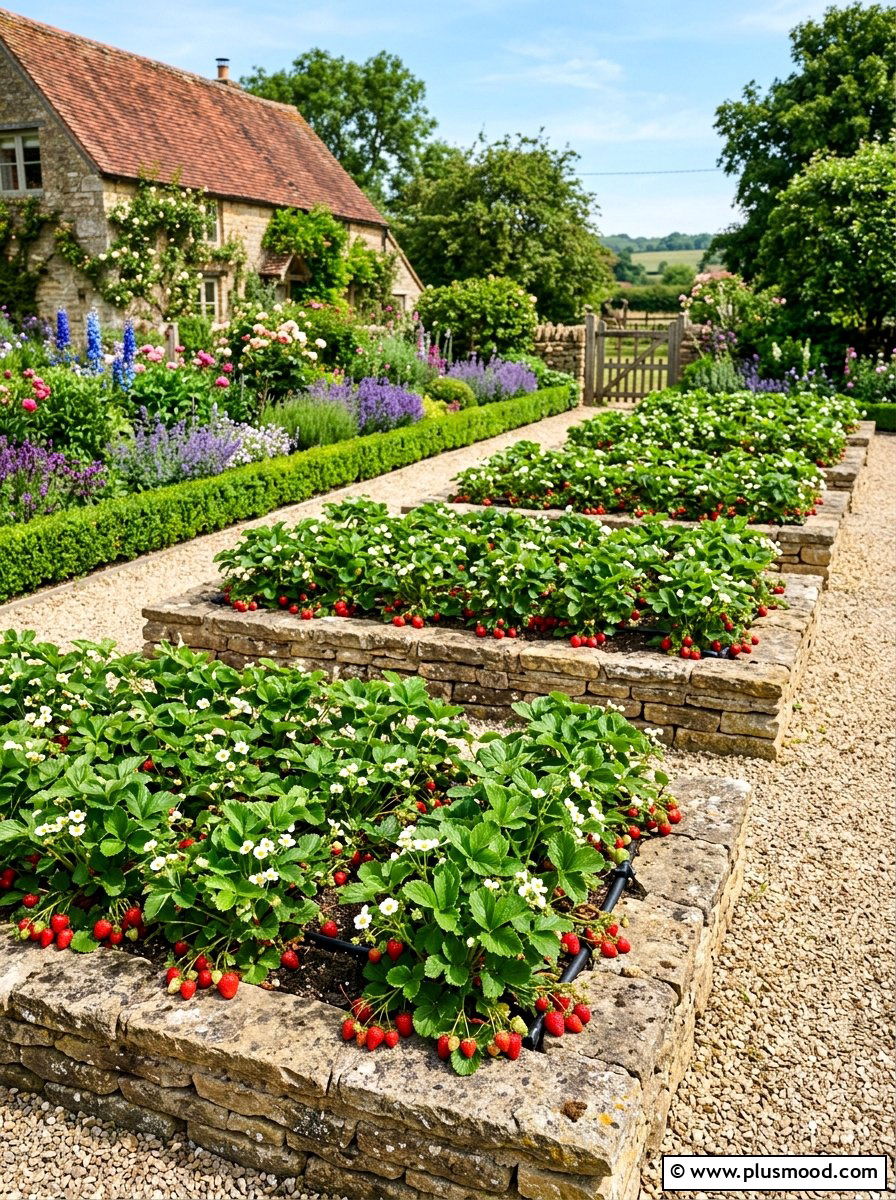
A well-organized strawberry patch layout is a summer classic that provides sweet rewards for minimal effort once established. You can grow these berries in traditional matted rows or use specialized strawberry towers that save space and keep the fruit off the ground. Raised beds are also an excellent option because they help with drainage and make it easier to protect the ripening berries from birds with netting. Seeing the bright red fruits peeking out from under lush green leaves is a highlight of the gardening season for many families. This design works well as a border along a walkway or as a dedicated feature in a sunny part of the lawn.
12. Potted Citrus Tree
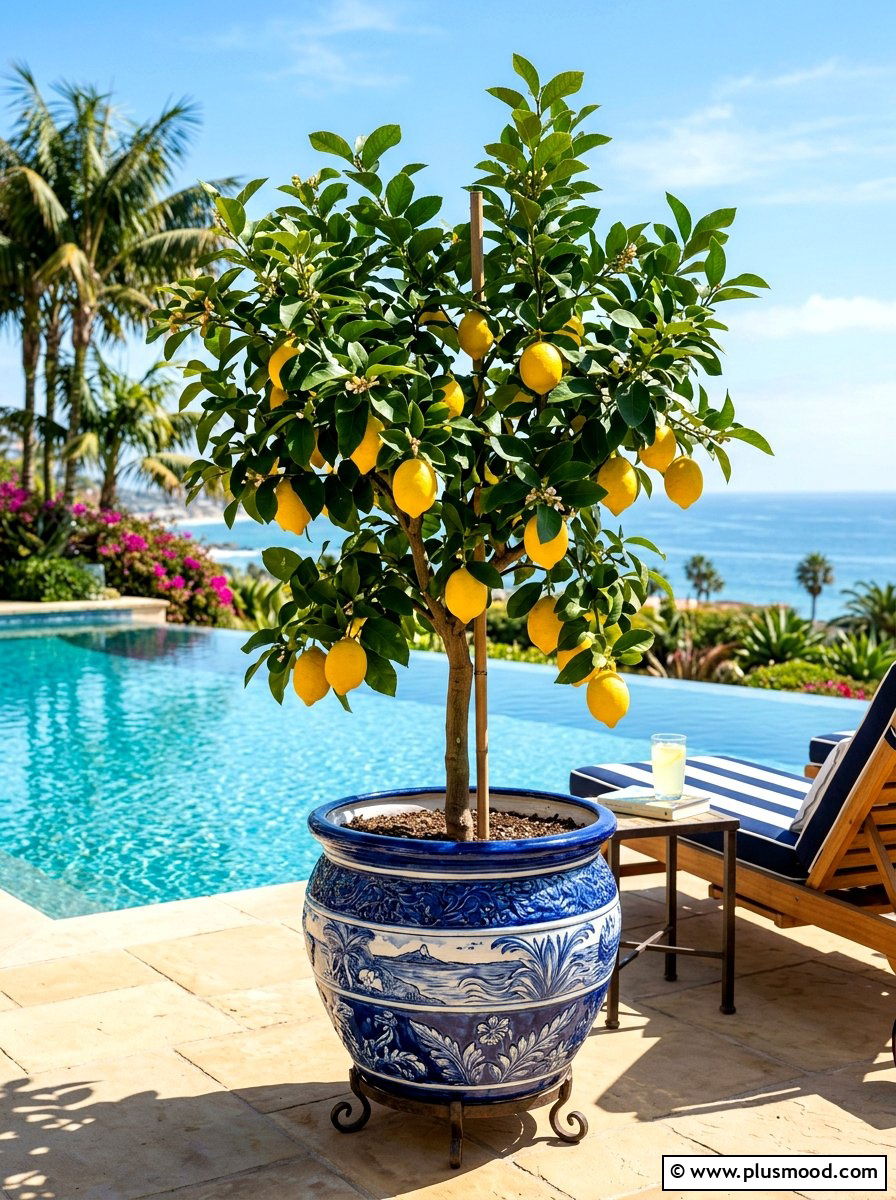
Incorporating a potted citrus tree into your summer garden adds a touch of Mediterranean flair and a refreshing fragrance to your patio. Lemons, limes, and calamondins thrive in large containers that can be moved into a sunny spot during the warmer months. These trees feature glossy evergreen leaves and waxy white blossoms that fill the air with a sweet, clean scent. Even a single tree in a decorative ceramic pot can act as a stunning focal point for an outdoor seating area. As the fruit matures, the bright yellow or orange colors provide a beautiful contrast against the green foliage. It is a simple way to bring a vacation vibe home.
13. Companion Planting Garden
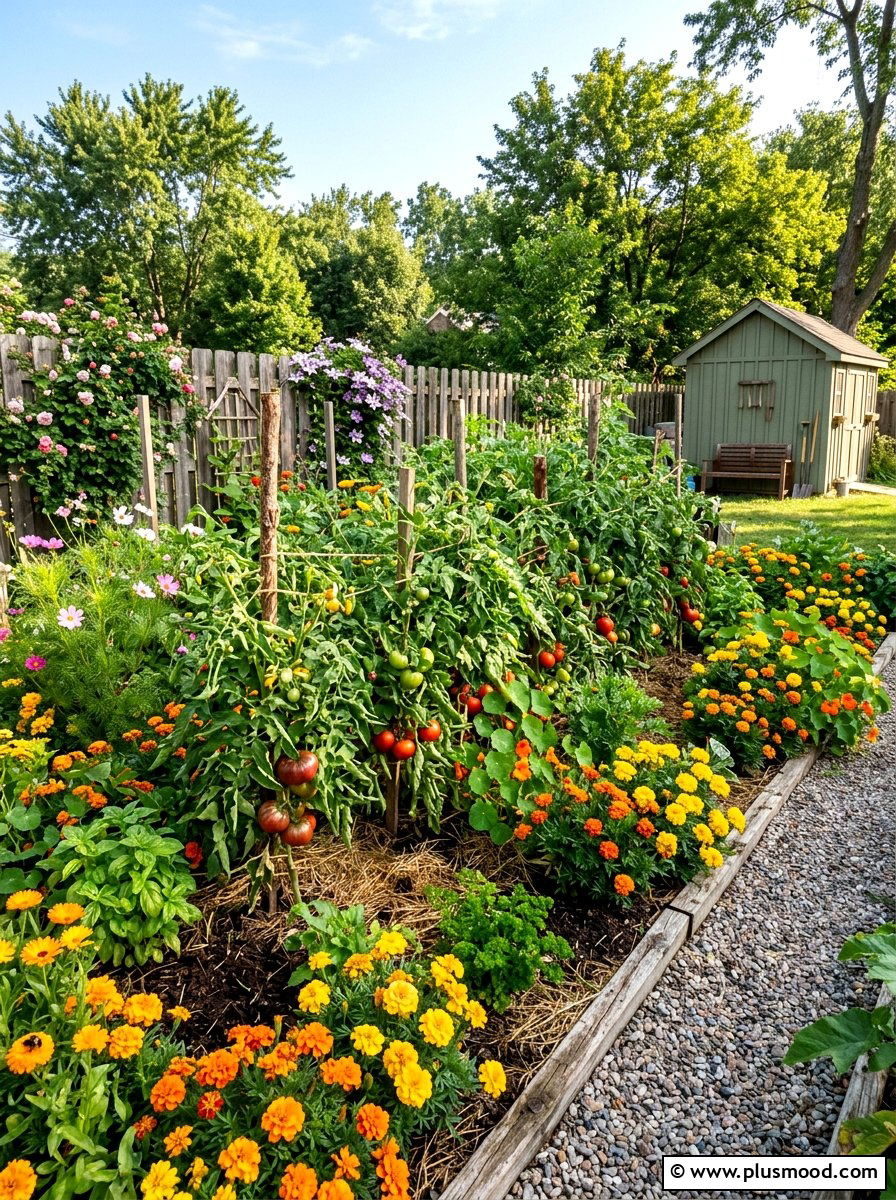
A companion planting garden uses the natural relationships between different plant species to improve growth and repel pests without chemicals. By placing tomatoes near marigolds or planting beans alongside corn, you create a self-sustaining ecosystem that works in harmony. This method often results in a more diverse and visually interesting garden layout than traditional monoculture rows. You might see tall sunflowers providing support for climbing peas or low-growing thyme acting as a living mulch for larger shrubs. This approach not only makes your garden healthier but also creates a dense, lush appearance that feels very natural and balanced. It is a smart way to garden with nature instead of against it.
14. Summer Squash Garden
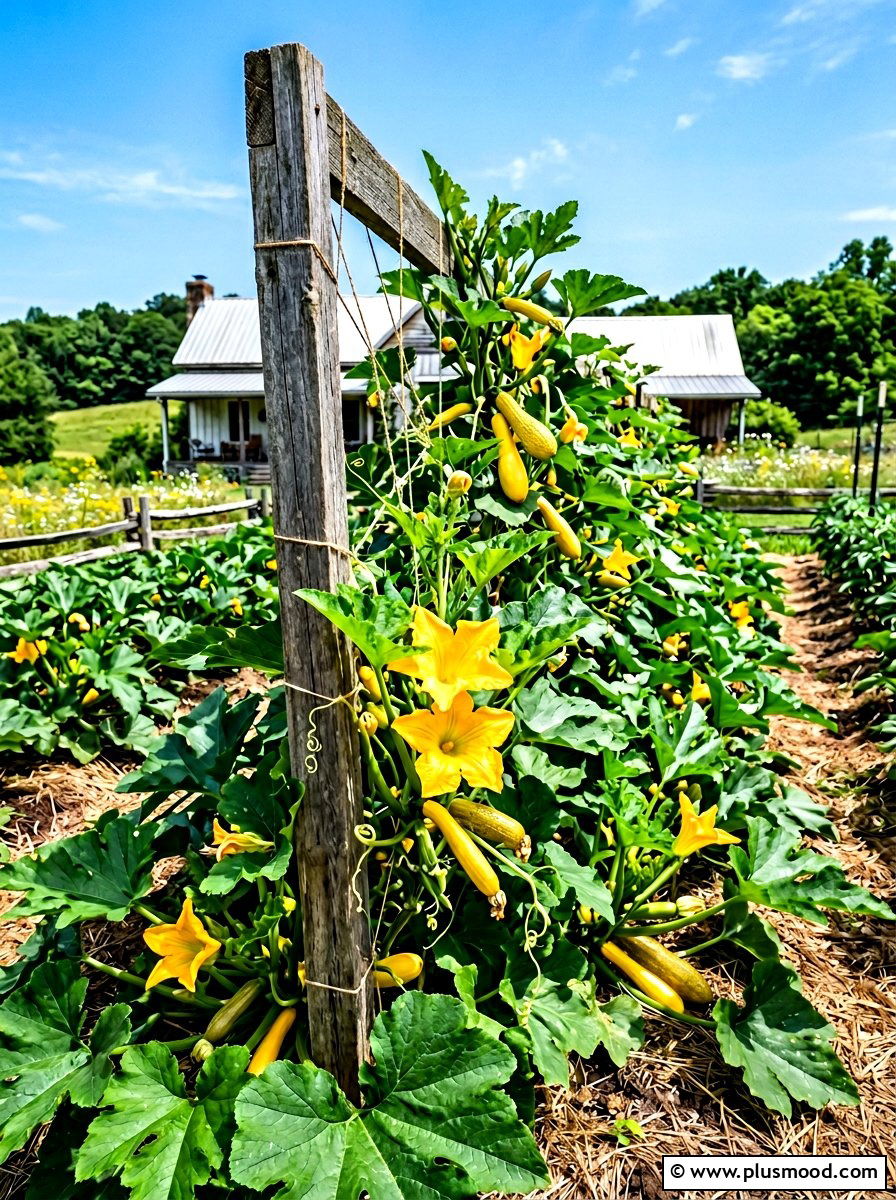
Creating a summer squash garden is a great way to fill large spaces quickly with bold foliage and a massive harvest of zucchini and yellow squash. These plants feature large, tropical-looking leaves and bright yellow blossoms that are also edible when stuffed or fried. Because squash plants can sprawl significantly, giving them a dedicated area or a sturdy trellis to climb helps keep the garden looking tidy. The sight of large, golden fruits hiding under the canopy of leaves is always a thrill during the peak of the growing season. This type of garden is incredibly productive, often providing enough vegetables to share with all your neighbors and friends.
15. Berry Patch Garden
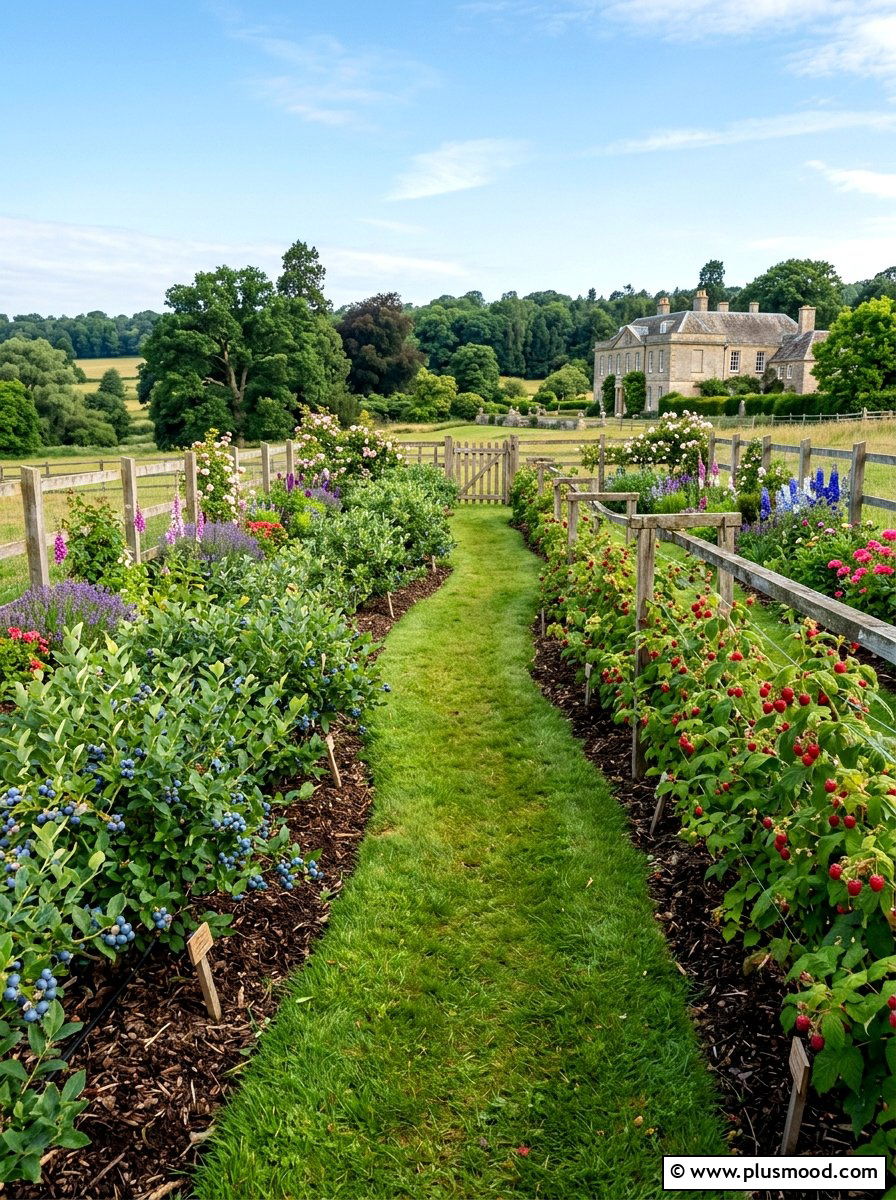
A dedicated berry patch garden featuring raspberries, blueberries, or blackberries adds a permanent and delicious structure to your backyard. Unlike annual vegetables, these perennial bushes return every year and can even be used as a productive privacy hedge along a property line. You can arrange different varieties to ensure a harvest that lasts from early summer through the first frost of autumn. Blueberries, in particular, offer beautiful red foliage in the fall, making them a dual-purpose ornamental and edible choice. This design encourages you to spend more time outdoors, grazing on fresh berries while you enjoy the warm summer air. It creates a wonderful sense of seasonal rhythm.
16. Tea Herb Garden
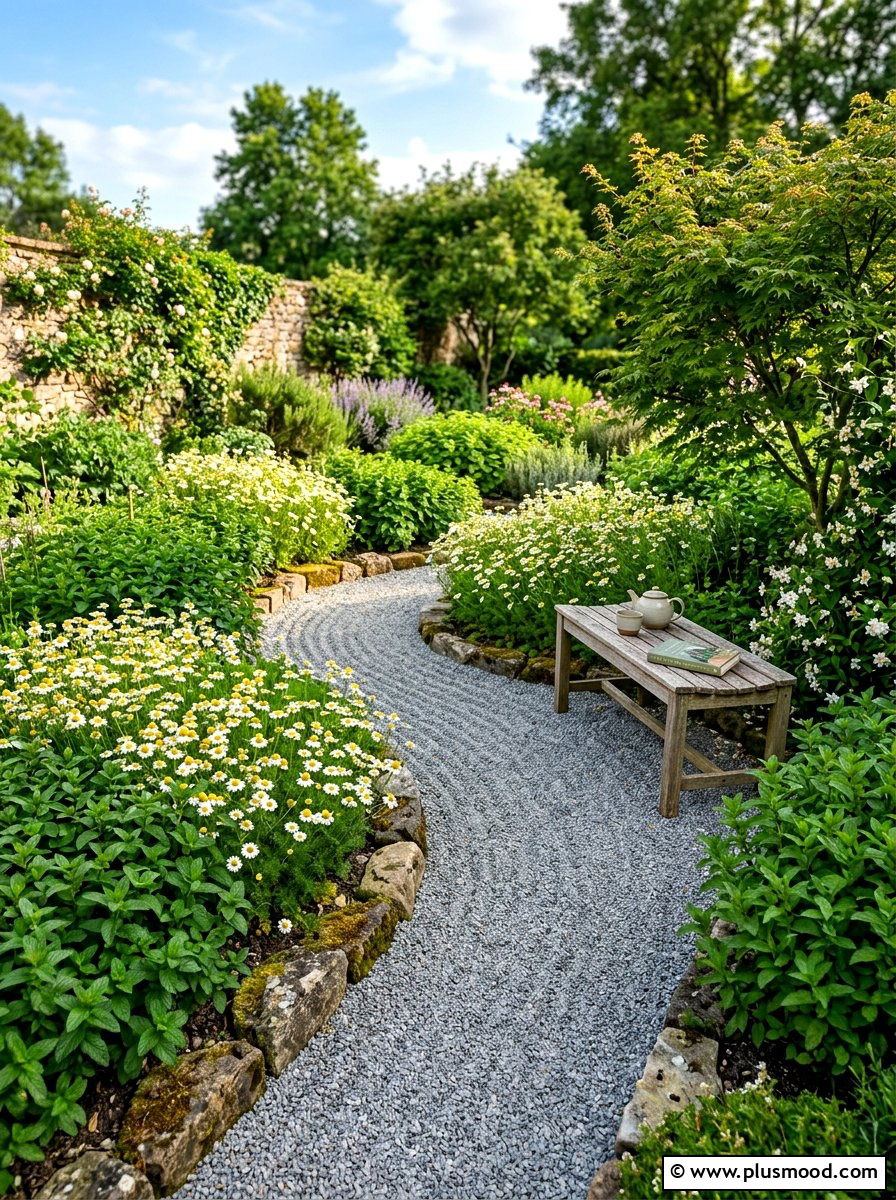
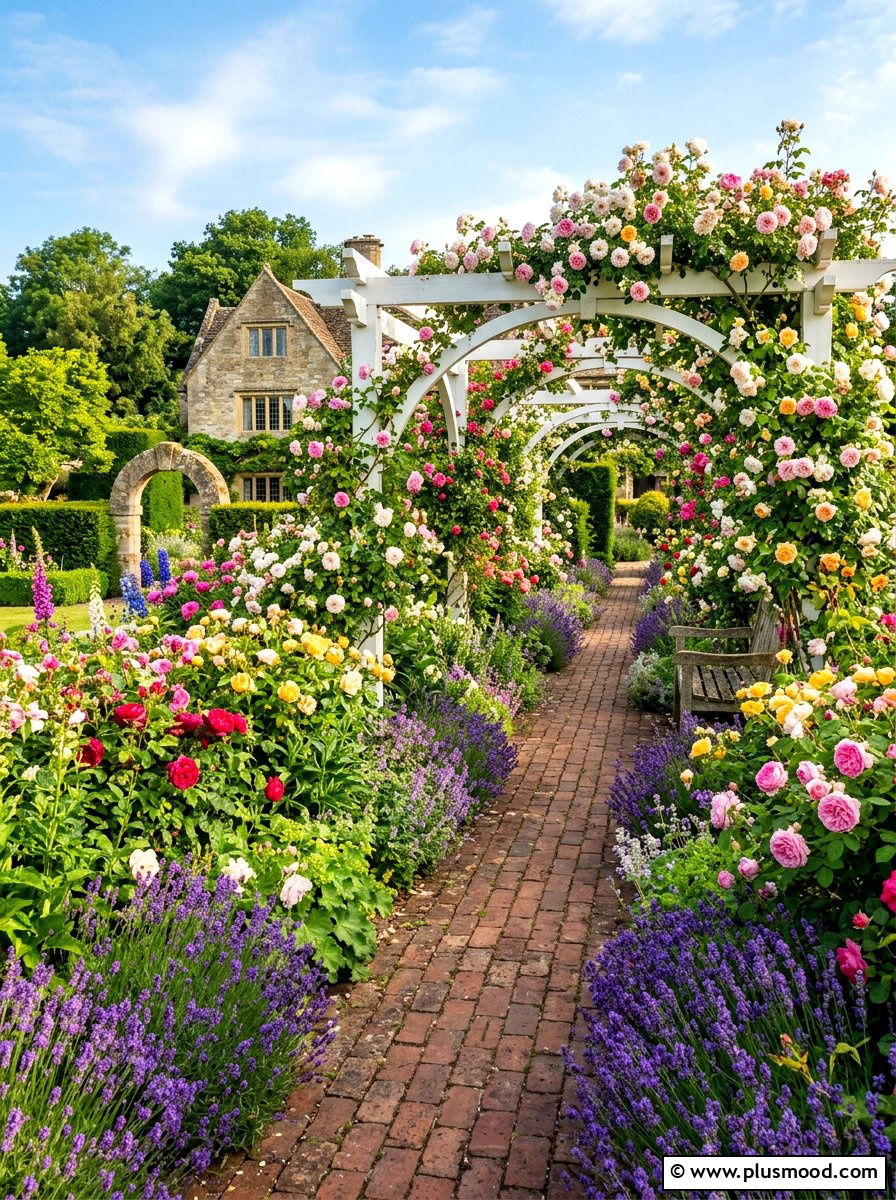
A tea herb garden is a soothing addition to any outdoor space, focusing on fragrant plants that can be dried or used fresh for brewing. Herbs like chamomile, lemon balm, peppermint, and lavender are easy to grow and offer a variety of calming and refreshing flavors. You can arrange these in a circular pattern or a small spiral to create a meditative destination in your yard. The soft textures and gentle scents of a tea garden make it a perfect spot for a small bench or a cozy reading nook. Harvesting these herbs on a sunny morning to dry for the winter months is a deeply satisfying and very relaxing garden ritual.
17. Cocktail Herb Garden
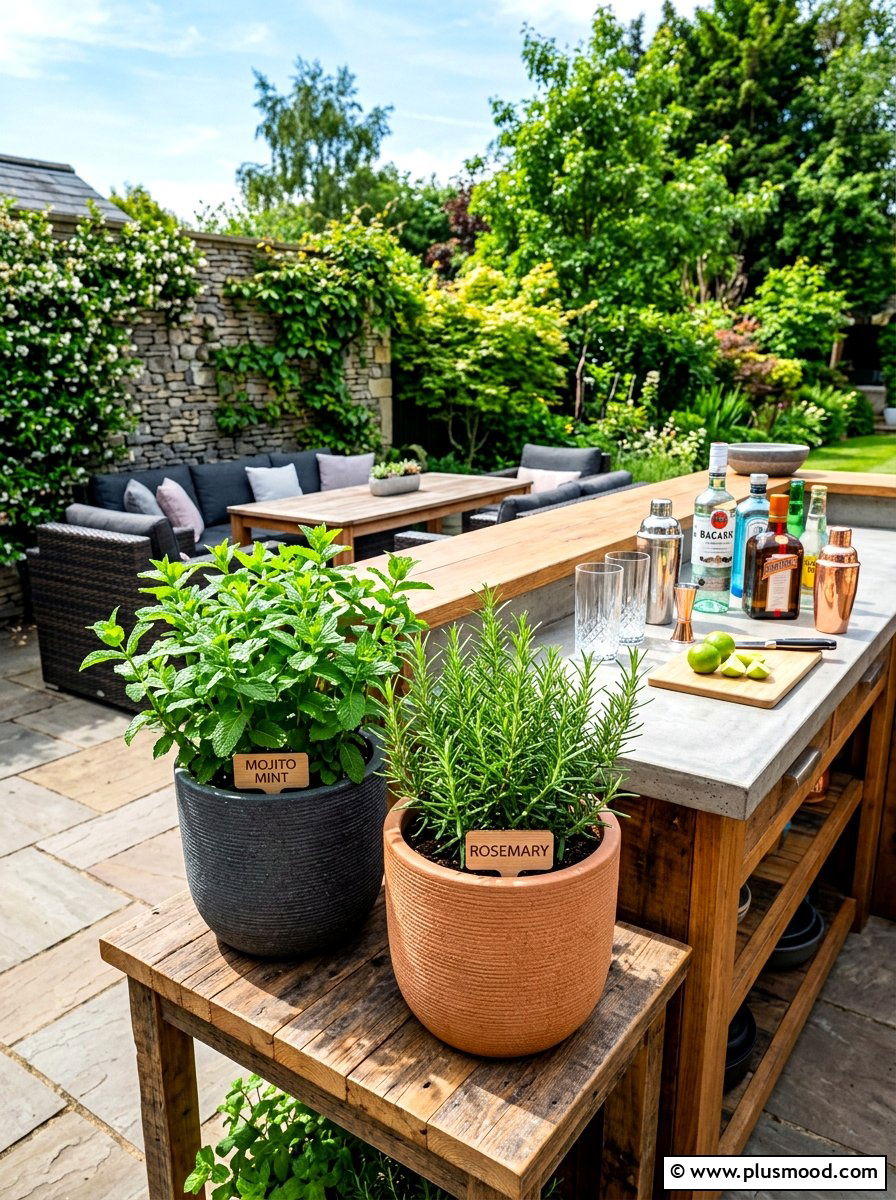
A cocktail herb garden is a fun and modern way to bring your love of mixology into the great outdoors. By focusing on plants like mojito mint, thai basil, lemon verbena, and rosemary, you can have fresh garnishes and flavorings ready for your summer gatherings. These herbs grow beautifully in small, stylish containers placed right next to your outdoor bar or dining table. This setup encourages guests to interact with the garden by picking their own sprigs for a fresh summer beverage. It is a sophisticated way to integrate your hobbies with your landscaping, creating a space that is as much about entertainment as it is about cultivation.
18. Root Vegetable Garden
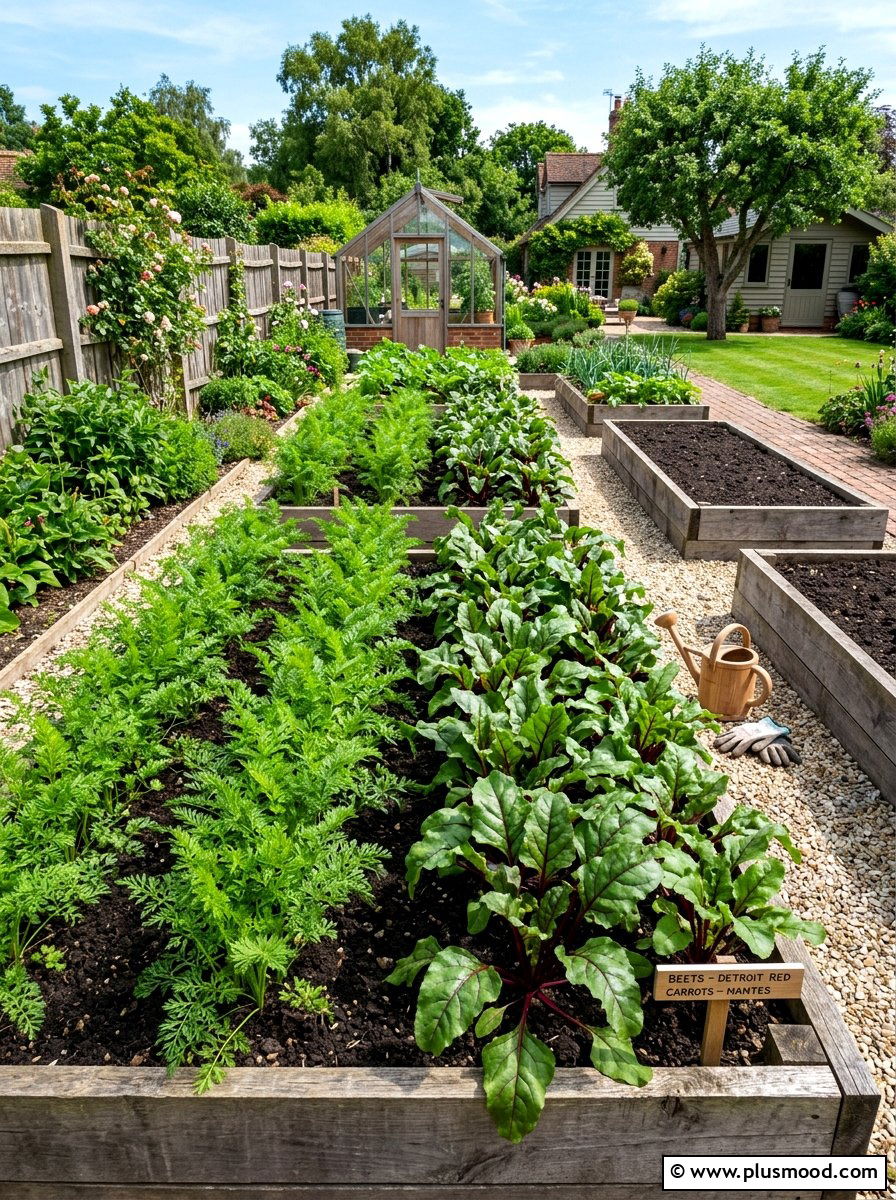
A root vegetable garden allows you to explore the hidden treasures growing beneath the soil, from crunchy radishes to sweet, earthy carrots. These plants do best in loose, sandy soil that is free of rocks, making raised beds or deep containers the ideal choice for their development. You can plant them in tight rows or blocks to maximize space and create a neat, organized appearance. Watching the feathery green tops of carrots or the bold leaves of beets grow is a great way to monitor their progress throughout the summer. This type of garden is particularly rewarding for children, who love the surprise of pulling a fully formed vegetable out of the dark ground.
19. Tropical Edible Garden
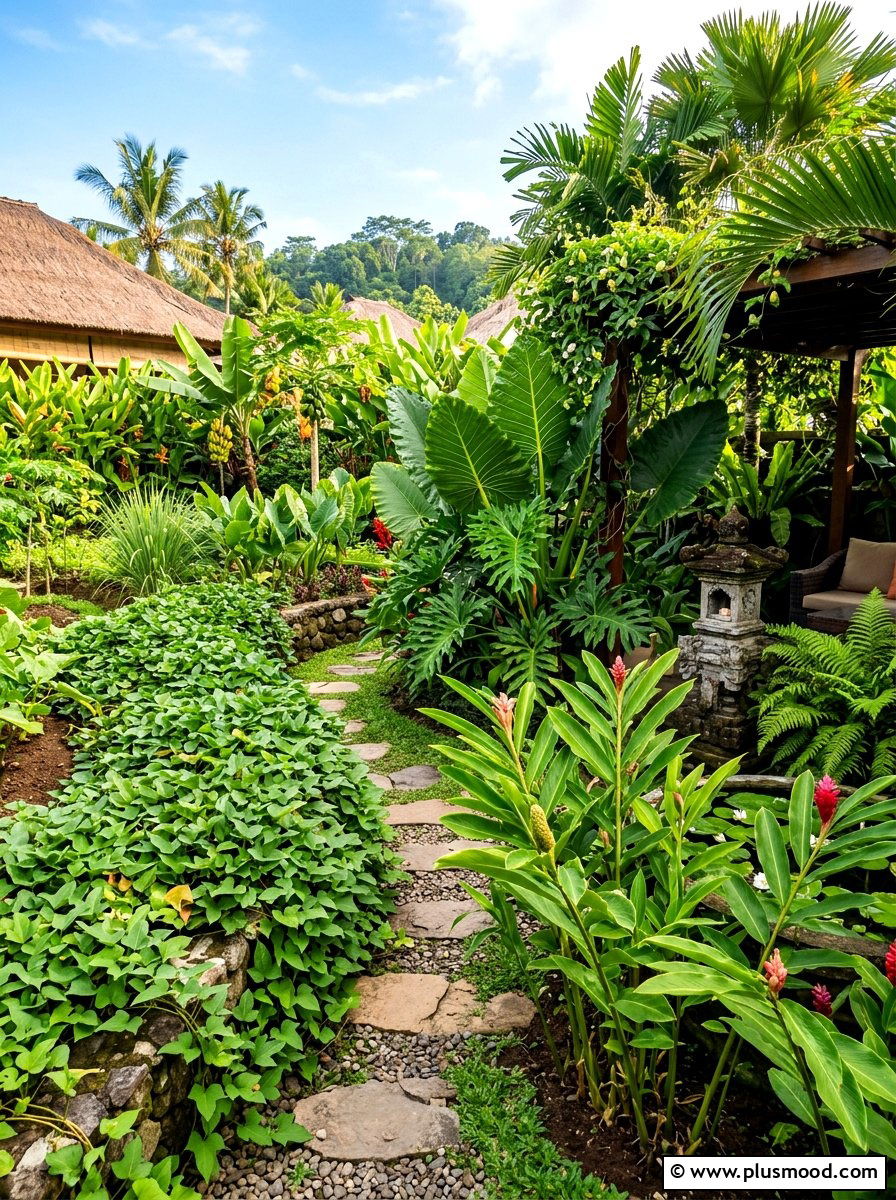
Designing a tropical edible garden allows you to experiment with exotic flavors like ginger, turmeric, and sweet potatoes that love the summer heat. These plants often feature dramatic, oversized foliage that adds a lush and bold architectural element to your backyard design. You can use these heat-loving species to fill in gaps in your landscape or create a dedicated "jungle" corner near a pool or patio. Their vibrant green leaves and unique growing habits provide a nice contrast to more traditional garden vegetables. This approach makes your outdoor space feel like a private island getaway, offering a unique and very interesting harvest that you cannot always find at the local grocery store.
20. Window Box Edible Garden
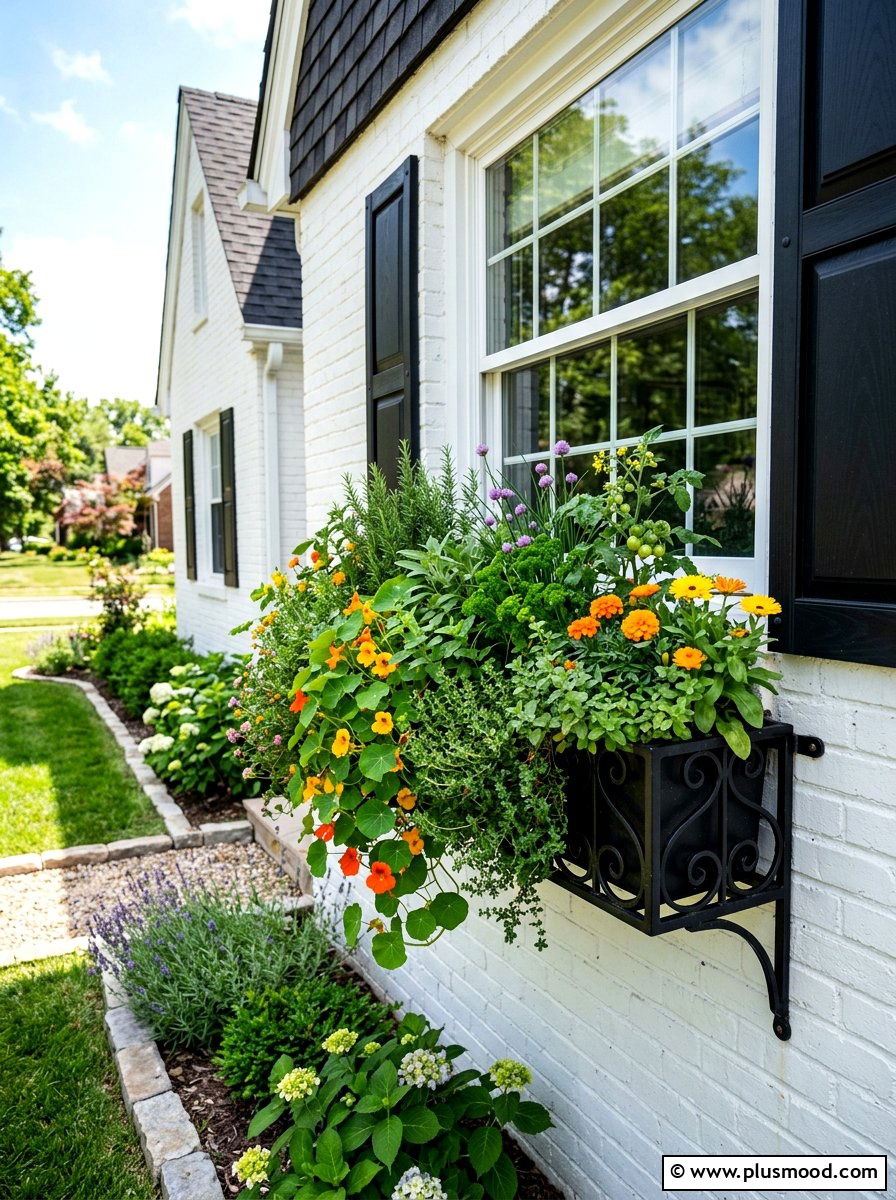
A window box edible garden is the ultimate solution for urban dwellers or those who want to see their harvest from inside the house. These narrow planters are perfect for shallow-rooted crops like microgreens, edible flowers, and trailing herbs that spill over the edges. Placing them on a kitchen windowsill ensures that fresh flavor is always just a reach away while you are preparing your summer meals. You can choose decorative boxes that match your home's trim or shutters for a polished and very cohesive look. This small-scale gardening method is incredibly easy to maintain and adds a charming, lived-in feel to the exterior of any house or apartment building.
21. Tiered Herb Planter
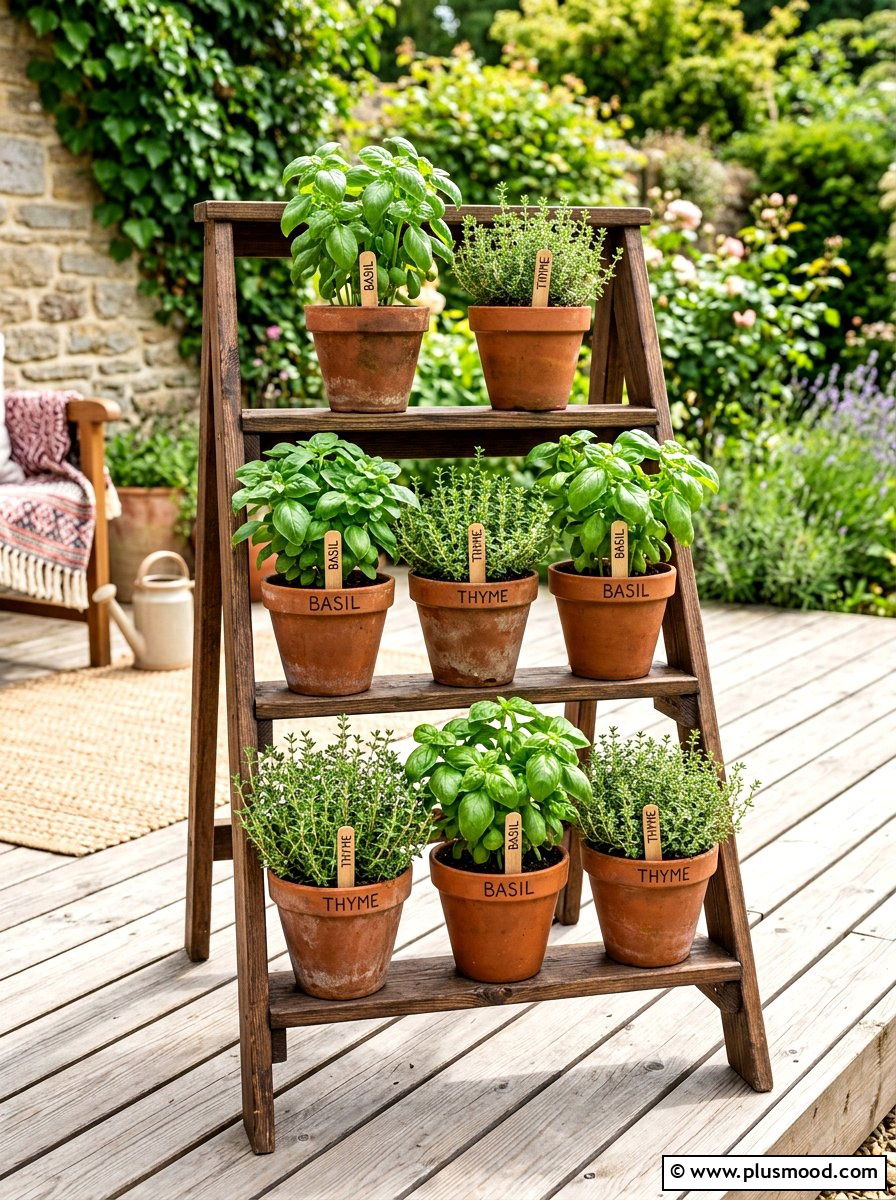
Using a tiered herb planter is an excellent way to add height and visual interest to a flat patio or a boring corner of the yard. These vertical structures allow you to grow several different types of herbs in a very small footprint, keeping them organized by their water and sun needs. You can place moisture-loving plants like parsley and chives at the bottom and drought-tolerant ones like oregano and sage at the top. This design creates a cascading effect of greenery that looks very professional and curated. It is a practical and stylish way to ensure your favorite seasonings are always organized and ready for your next big summer barbecue.
22. Climbing Bean Trellis
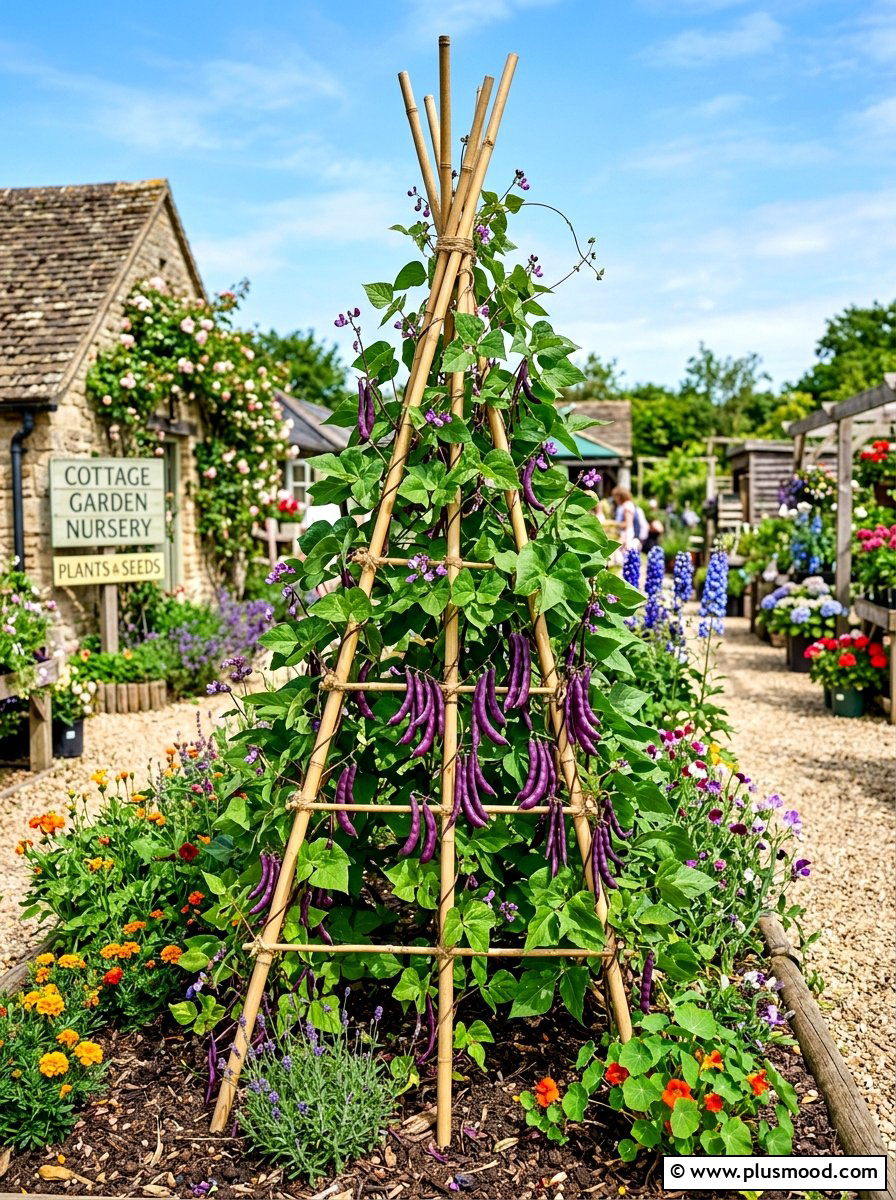
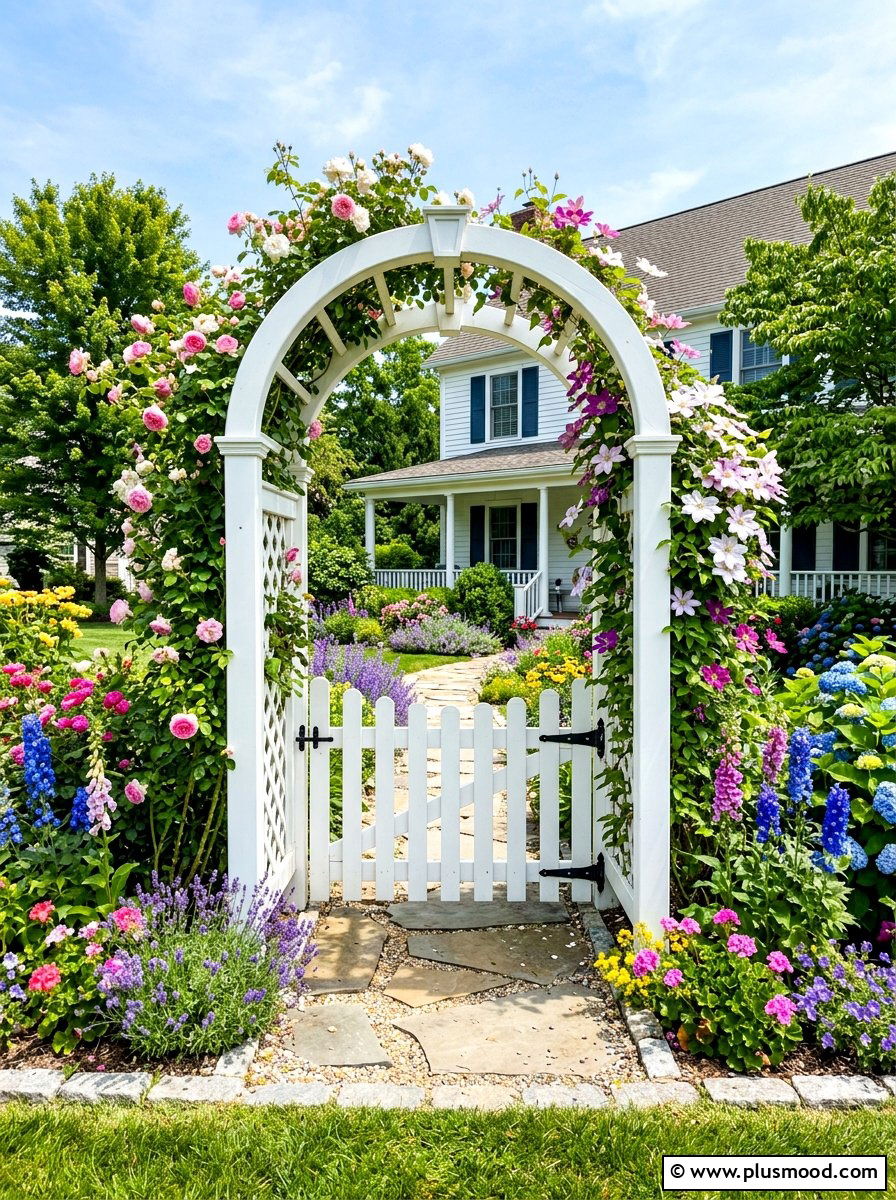
A climbing bean trellis adds a vertical dimension to your garden while providing a heavy harvest of snap peas or pole beans. These structures can be as simple as a bamboo teepee or as elaborate as a custom-built wooden arbor that spans a garden path. As the vines grow upward, they create a living wall of green leaves and delicate blossoms that provide shade for smaller plants underneath. Walking through an archway draped in hanging bean pods feels like stepping into a secret garden. This design is perfect for maximizing yield in small areas and adds an element of height that makes the entire garden feel more established and mature.
23. Medicinal Herb Garden
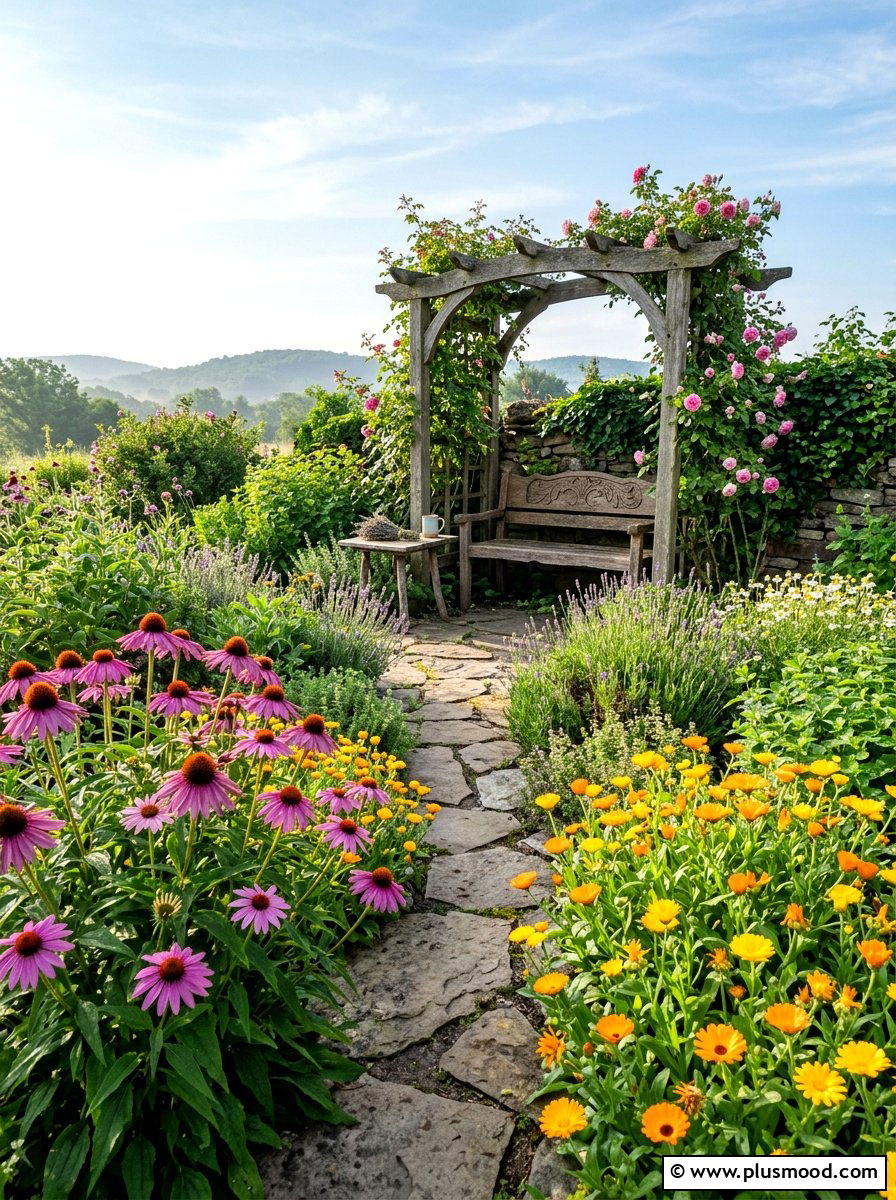
A medicinal herb garden focuses on the healing properties of plants like echinacea, calendula, and lemon balm, blending wellness with traditional gardening. These plants are often as beautiful as they are useful, featuring striking flowers and interesting textures that look great in any landscape. You can arrange them in a peaceful, quiet corner of your yard to create a dedicated space for reflection and health. Many of these herbs are perennials, meaning they will return each year to provide you with a steady supply of natural remedies. This type of garden encourages a deeper connection with the natural world and offers a sense of self-sufficiency that is very rewarding for the modern homeowner.
24. Permaculture Garden Layout
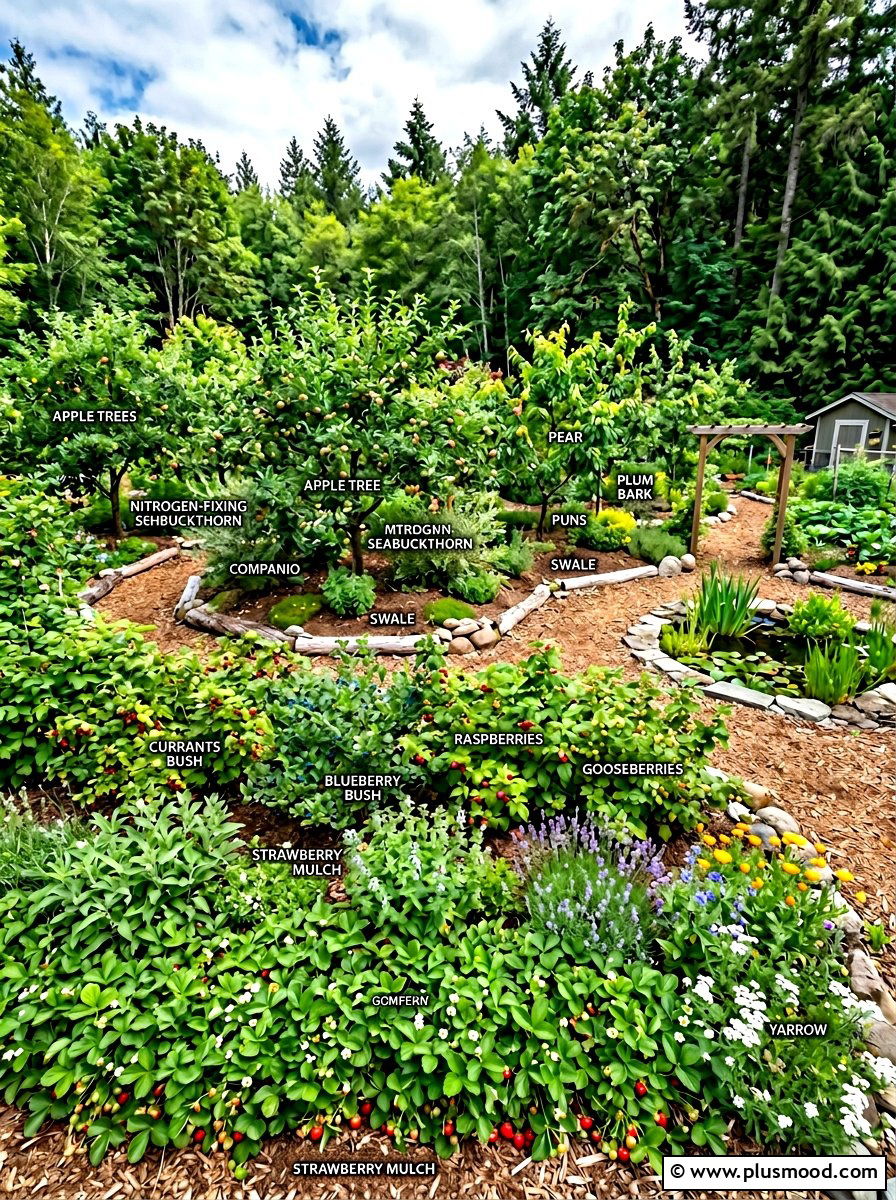
A permaculture garden layout mimics the complexity and efficiency of a natural ecosystem, using layers of plants that support one another. In this design, you might have a dwarf fruit tree surrounded by berry bushes, which are then underplanted with perennial herbs and ground-covering strawberries. This "guild" approach reduces the need for fertilizer and water because the plants work together to shade the soil and fix nutrients. The resulting garden feels lush, wild, and incredibly abundant, with food growing at every level from the ground to the canopy. It is a sustainable and low-maintenance way to garden that looks more like a beautiful woodland than a traditional, rigid vegetable patch.
25. Hydroponic Vegetable Garden
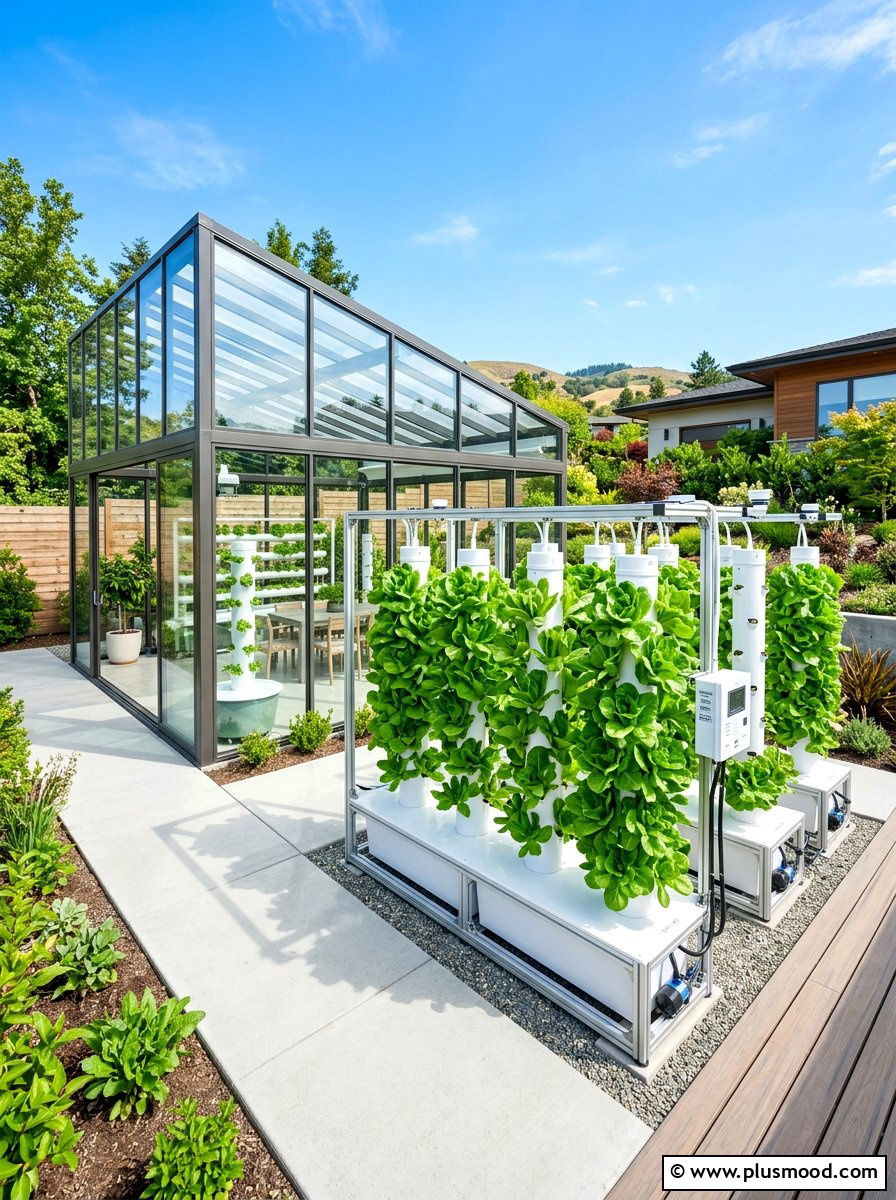
A hydroponic vegetable garden uses water instead of soil to deliver nutrients directly to the roots, allowing for incredibly fast growth and high yields. These systems can be set up on a sunny patio or even inside a small greenhouse, using vertical towers or horizontal pipes to save space. This modern approach to gardening is perfect for those who want a clean, high-tech aesthetic and total control over their plants' environment. You can grow pristine heads of lettuce, vibrant kale, and even cucumbers without ever having to worry about soil-borne pests or weeds. It is a fascinating and very efficient way to produce food that looks futuristic and very impressive to all your summer guests.
Conclusion:
Creating a summer edible garden is a beautiful journey that connects you with the earth while providing fresh, healthy food for your table. Whether you choose the structured elegance of a formal kitchen garden or the wild abundance of a permaculture layout, the results are always deeply satisfying. These designs prove that you do not have to sacrifice style for functionality, as edible plants offer some of the most vibrant colors and interesting textures found in nature. By integrating these ideas into your outdoor space, you create a living environment that nourishes both the body and the soul. Start small this season and watch your garden grow into a productive oasis.
Related posts:
Leave a Reply