
Creating a vibrant summer garden that buzzes with life is one of the most rewarding projects any homeowner can undertake. A pollinator sanctuary does more than just look beautiful; it provides a vital lifeline for bees, butterflies, hummingbirds, and other essential insects that keep our ecosystem thriving. By choosing the right mix of nectar-rich flowers and host plants, you can transform your backyard into a bustling hub of activity throughout the warmest months of the year. This guide explores a variety of ways to incorporate color, texture, and ecological purpose into your outdoor space, ensuring your garden remains a healthy and inviting haven for nature. Let us dive into these sustainable and gorgeous summer landscape options.
1. Purple Coneflower Garden
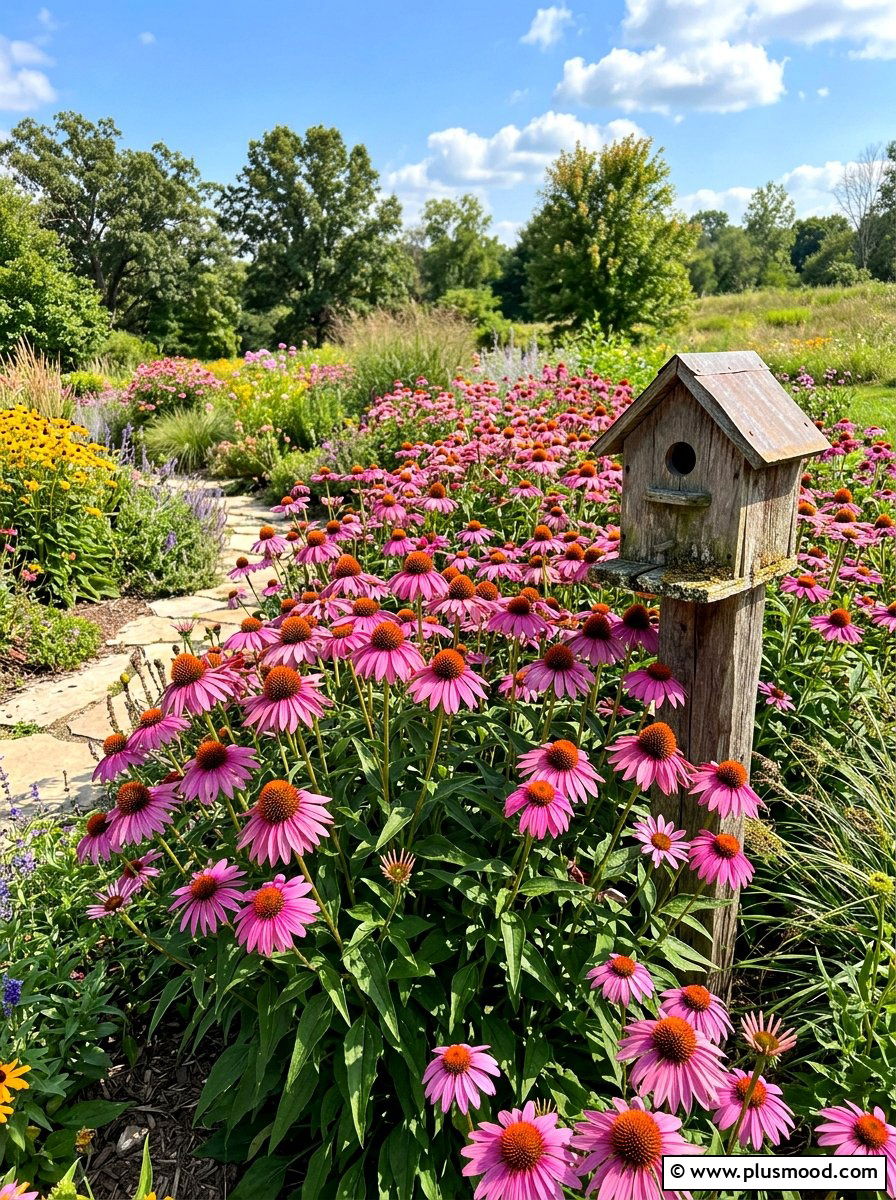
Purple coneflowers, also known as Echinacea, are a staple in any summer pollinator garden due to their incredible durability and high nectar content. These hardy perennials feature large, daisy-like petals that surround a prominent spiky center, making them an easy landing pad for butterflies and bees. When you plant these in large clusters, they create a bold visual impact that can be seen from across the yard. They thrive in full sun and are remarkably drought-tolerant once established, which is perfect for hot summer days. Watching a monarch butterfly rest on a bright purple bloom is a truly magical experience that brings your garden to life instantly.
2. Milkweed Butterfly Habitat
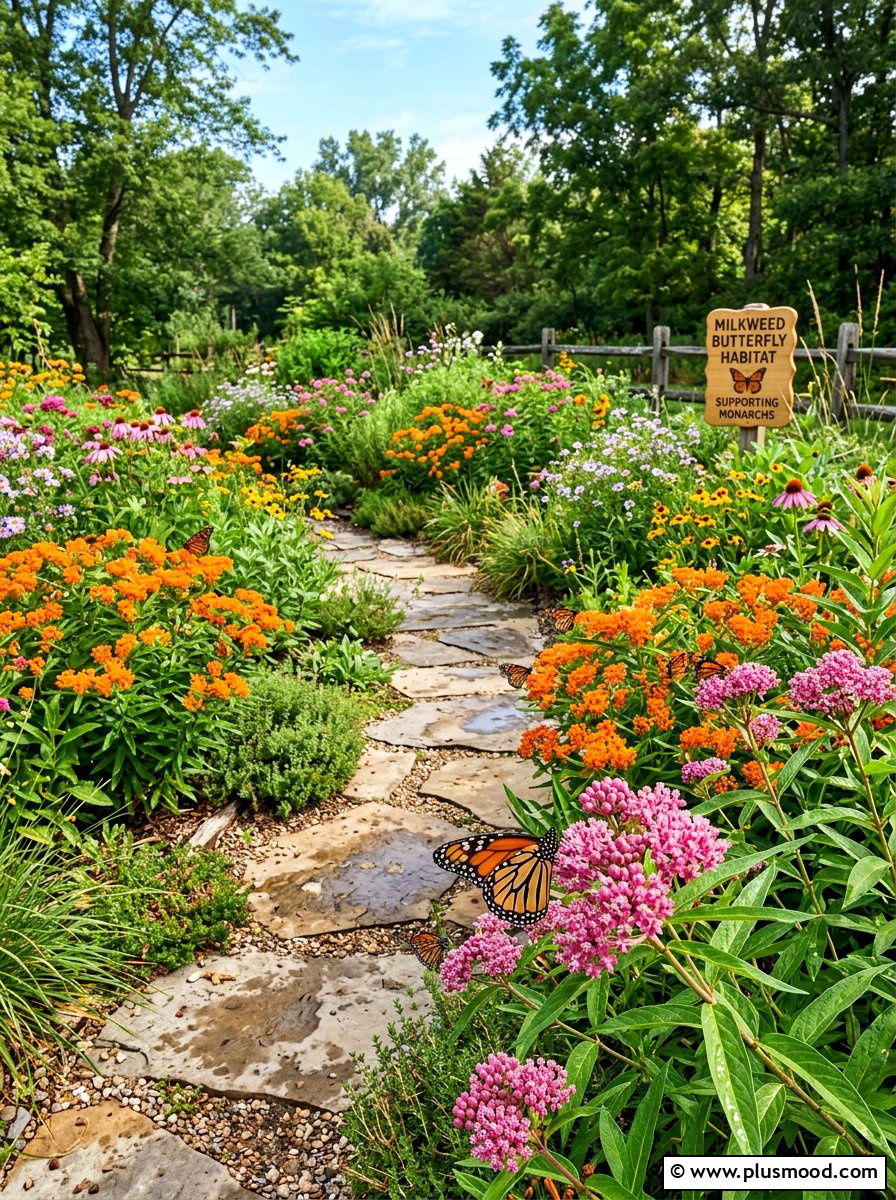
Milkweed is the essential host plant for monarch butterflies, as it is the only food source for their caterpillars. Designing a dedicated milkweed habitat ensures that these beautiful insects have a place to lay their eggs and complete their life cycle. Beyond their ecological importance, milkweed varieties like butterfly weed offer stunning clusters of bright orange or pink flowers that add a unique texture to your landscape. These plants are tough and adapt well to various soil conditions, making them a low-maintenance choice for eco-conscious gardeners. By including milkweed, you are directly contributing to the conservation of a flagship species while enjoying beautiful summer blooms.
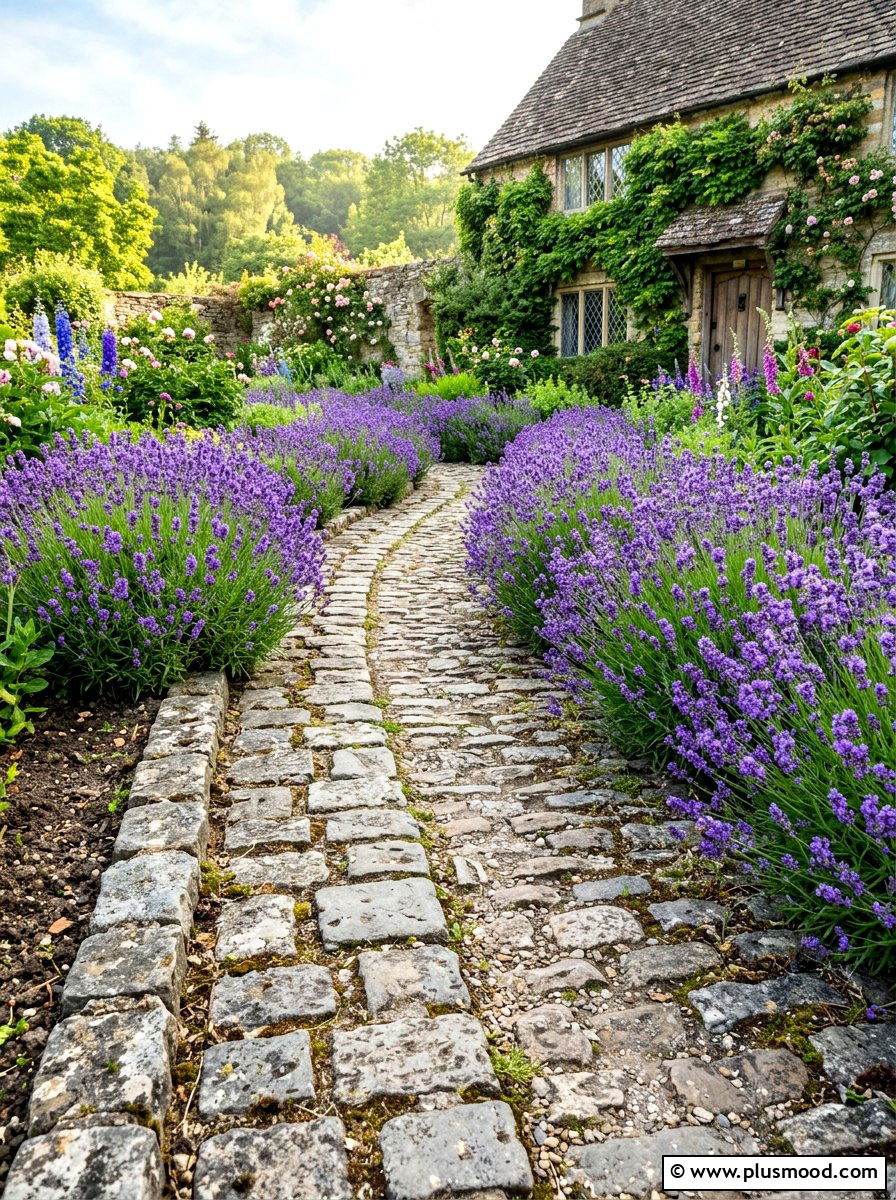
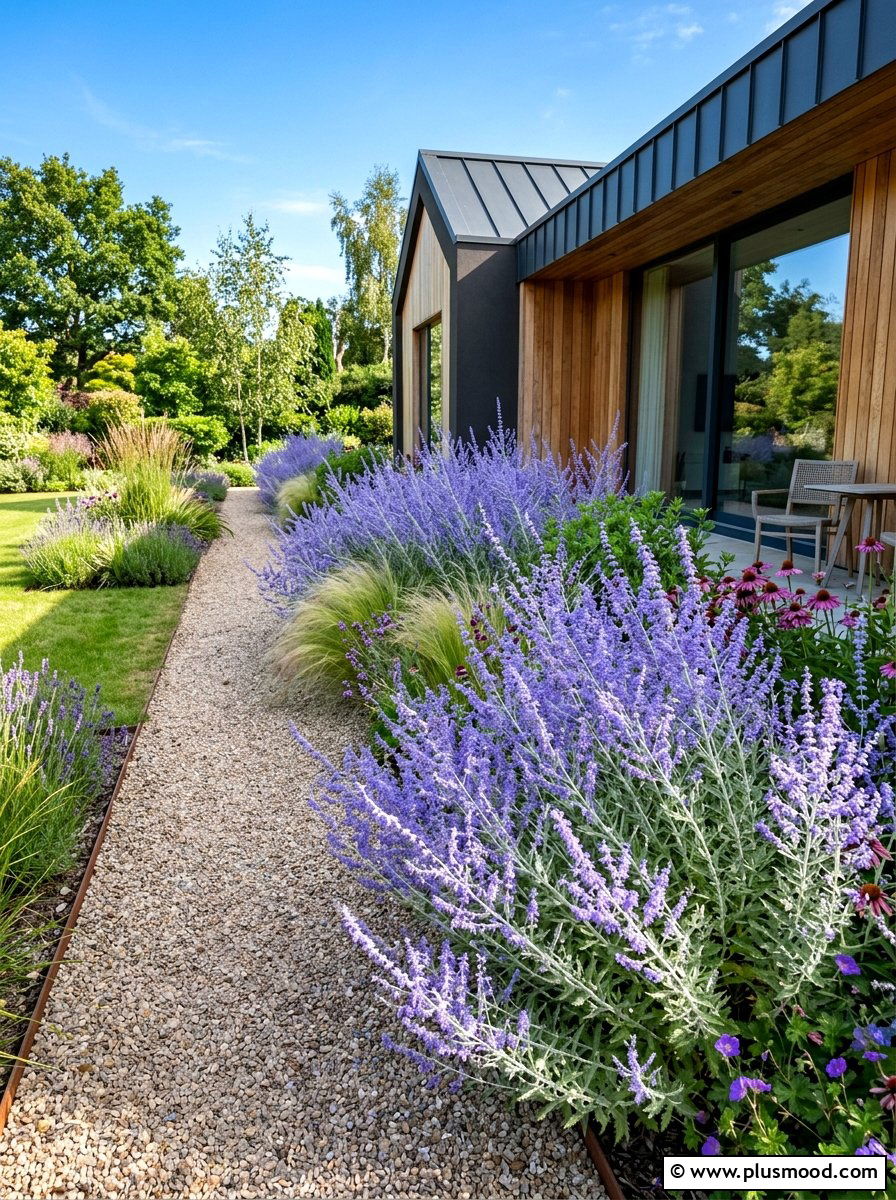
3. Lavender Garden Path
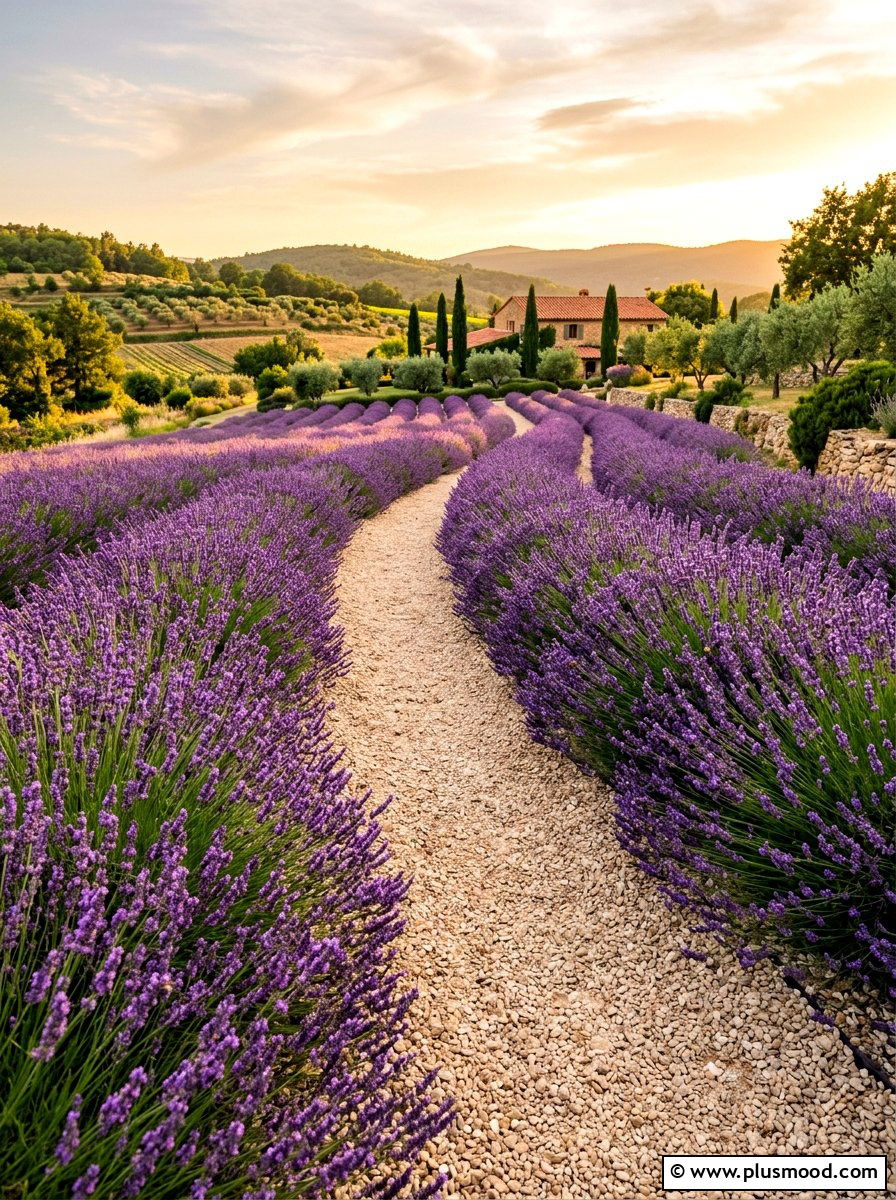
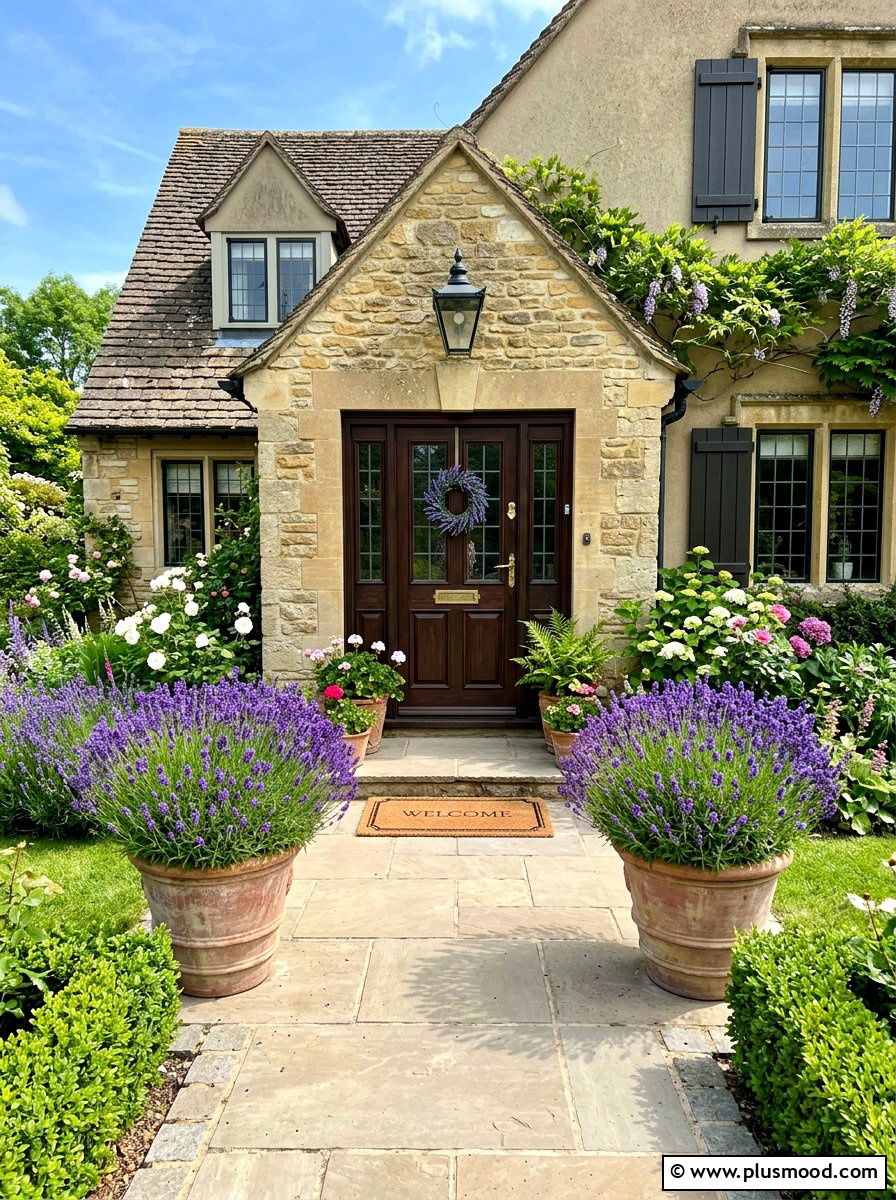
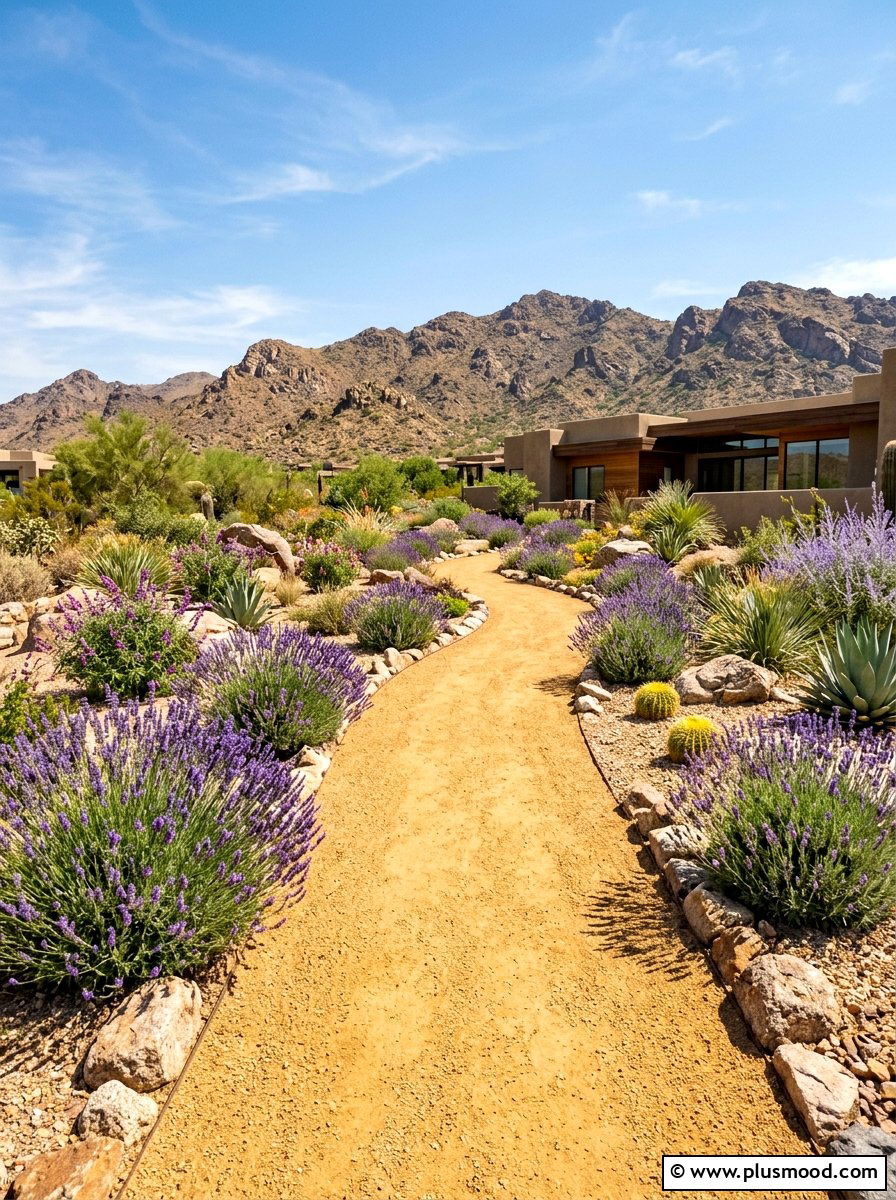
A lavender garden path provides a sensory experience that delights both humans and pollinators alike. The soothing fragrance of English or French lavender fills the air as you walk by, while bees are naturally drawn to the fragrant purple spikes. This Mediterranean plant loves well-drained soil and plenty of sunshine, making it an ideal choice for sunny walkways or edges. Lavender blooms for an extended period during the summer, providing a consistent food source for many types of solitary bees. Its silver-green foliage remains attractive even when the plant is not in full bloom, offering year-round structure and beauty to your garden layout.
4. Bee Balm Patch
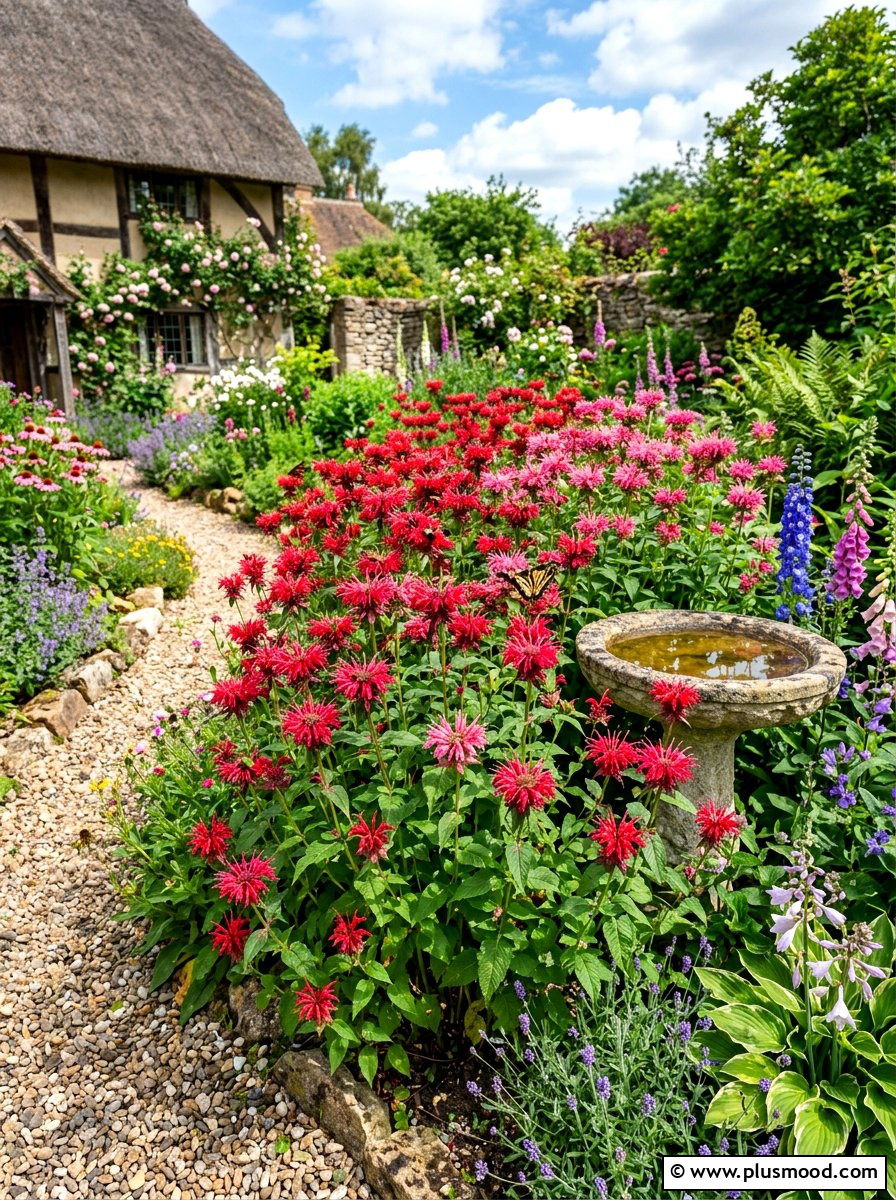
Bee balm, or Monarda, is famous for its shaggy, crown-like flowers that come in vibrant shades of red, pink, and purple. This plant is a magnet for hummingbirds, whose long beaks are perfectly suited for reaching the nectar inside the tubular petals. Bee balm spreads readily, creating a lush and dense patch that serves as a focal point in the middle of a flower bed. It prefers moist soil and good air circulation to prevent powdery mildew, so it works well near water features or in open areas. The leaves also have a pleasant minty scent, adding another layer of interest to your outdoor sanctuary.
5. Wildflower Meadow Design
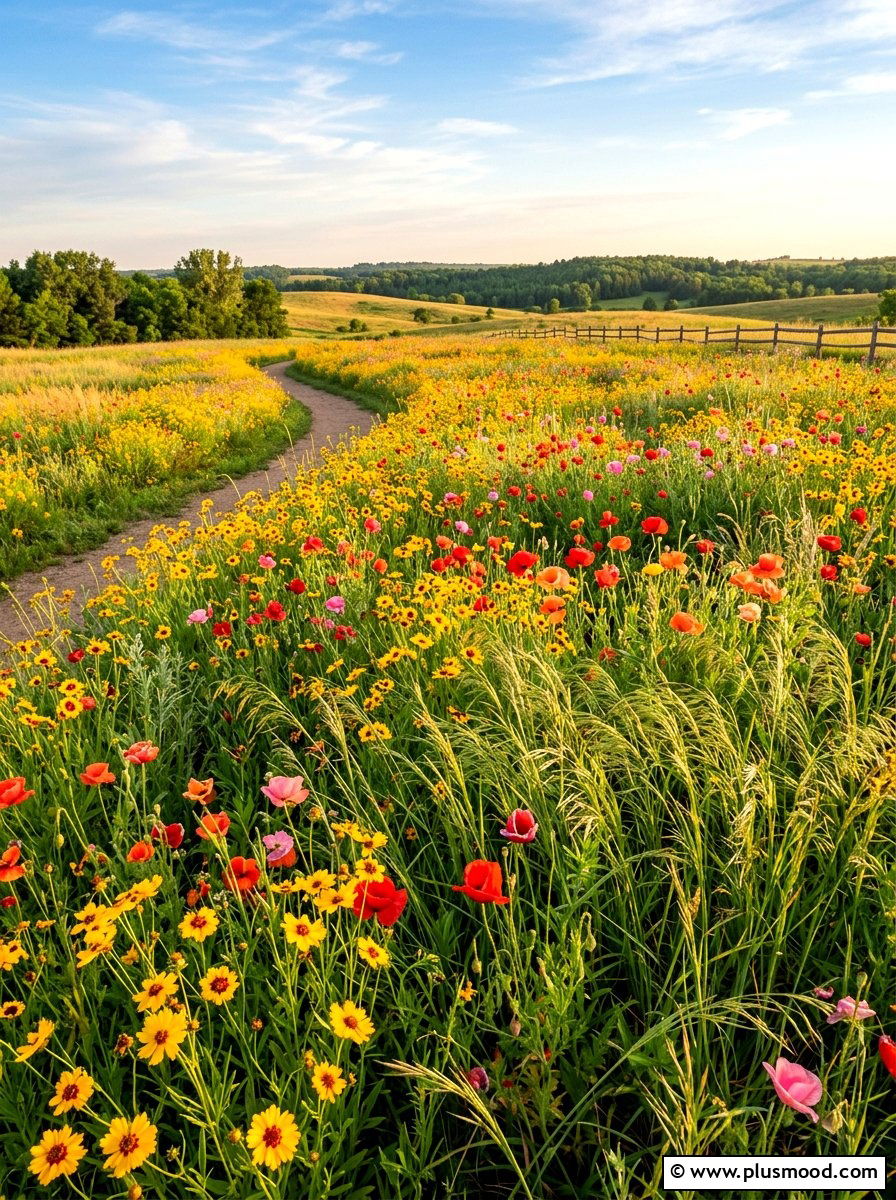
A wildflower meadow is a fantastic way to utilize larger areas of your yard while supporting a massive diversity of local wildlife. By sowing a mix of native seeds, you create a naturalistic landscape that requires very little mowing or chemical intervention. This type of garden changes throughout the summer, with different species taking turns to bloom and provide resources. Common meadow plants like coreopsis, lupines, and poppies create a tapestry of color that mimics the beauty of a natural prairie. This approach not only saves time on maintenance but also builds a resilient ecosystem that supports birds, insects, and small mammals.
6. Zinnia Flower Bed
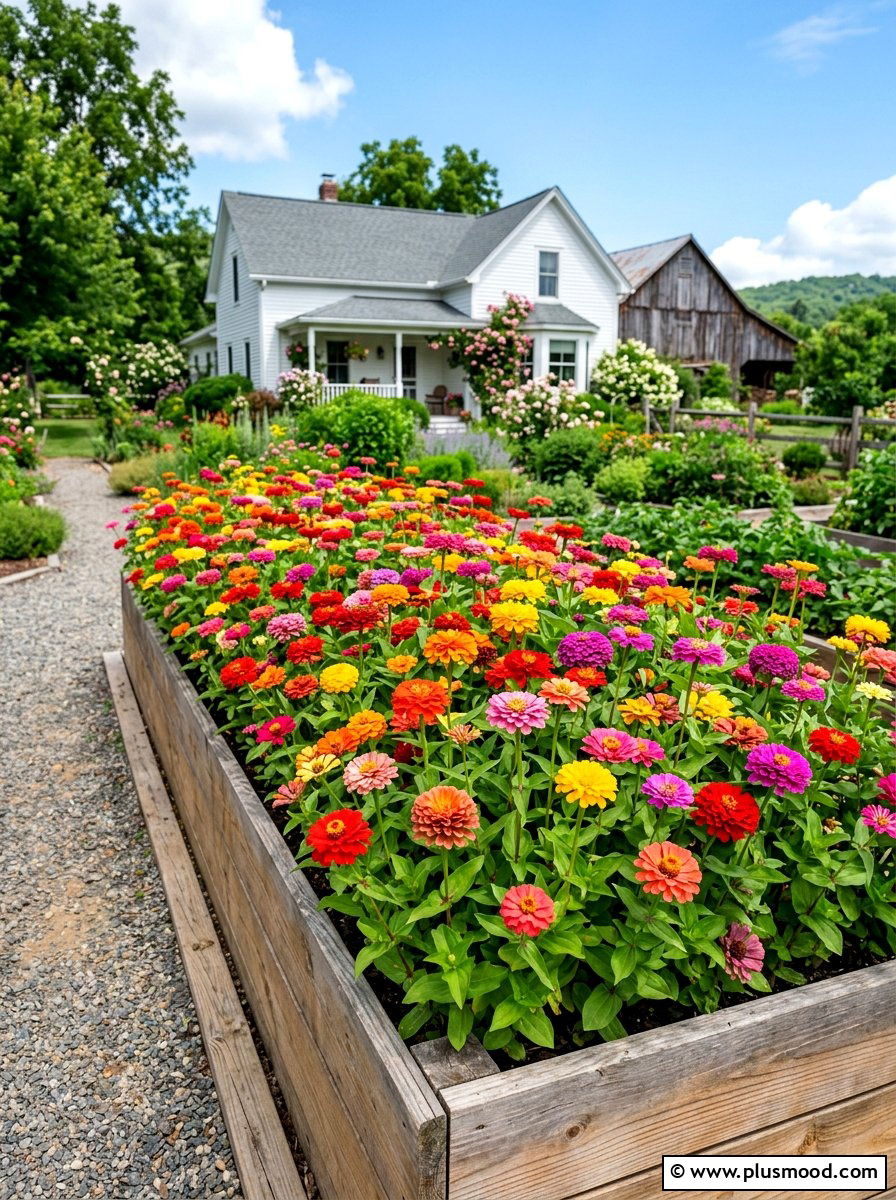
Zinnias are among the easiest annuals to grow, and they offer an explosion of color that lasts from early summer until the first frost. These flowers come in almost every color imaginable, allowing you to create a customized palette that suits your home’s exterior. Pollinators, especially swallowtail butterflies, love the flat, open faces of zinnias because they provide easy access to nectar. You can start zinnias from seed directly in the ground, and they will quickly fill in gaps in your perennials. Regular deadheading encourages even more blooms, ensuring your garden stays vibrant and full of life all season long.
7. Sunflower Garden Border
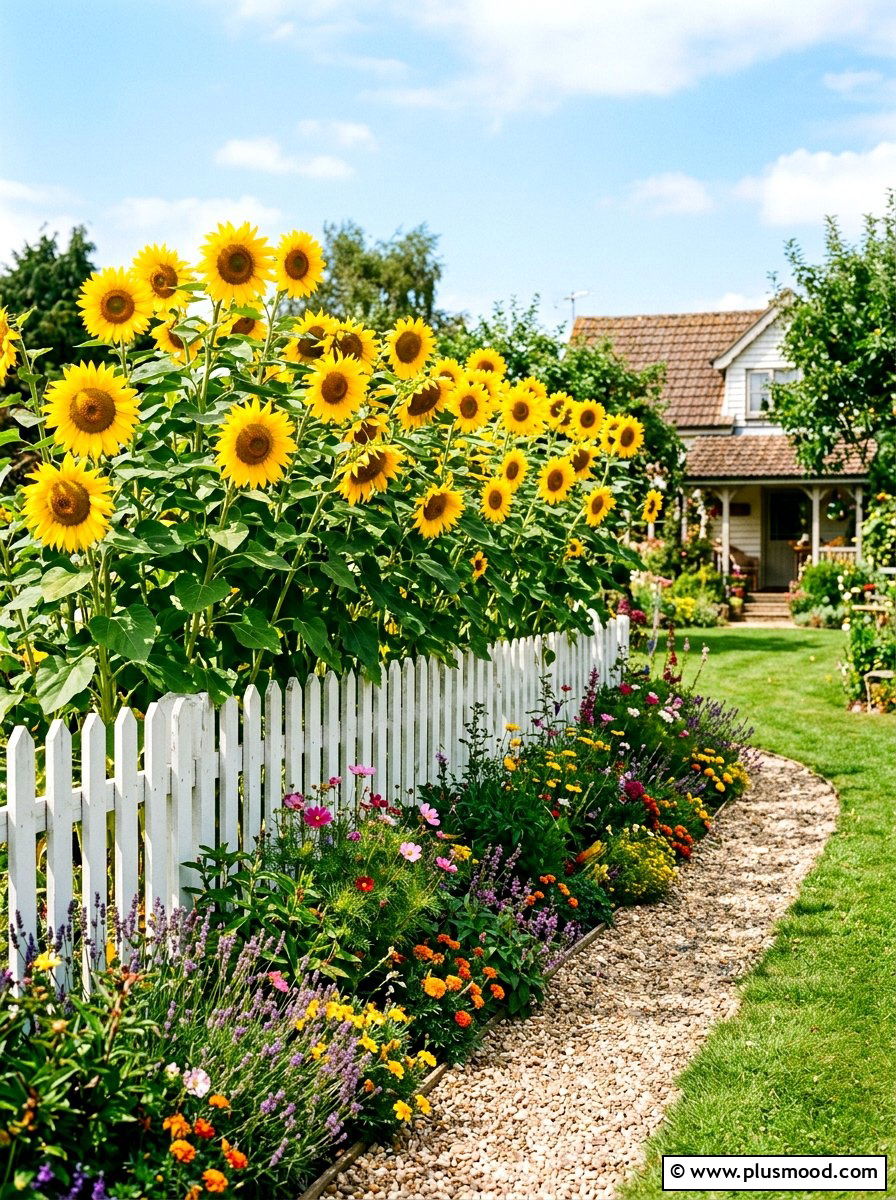
Sunflowers are the iconic symbols of summer, and they provide an impressive vertical element to any garden border. While the giant varieties are classic, many branching types produce multiple flower heads that keep blooming for weeks. These golden giants are not just for show; their large centers are packed with pollen and nectar for bees, and later, their seeds provide a feast for local birds. Planting a row of sunflowers along a fence or at the back of a bed creates a cheerful screen that adds privacy and height. They are incredibly easy to grow and never fail to bring a smile to everyone.
8. Black Eyed Susan Garden
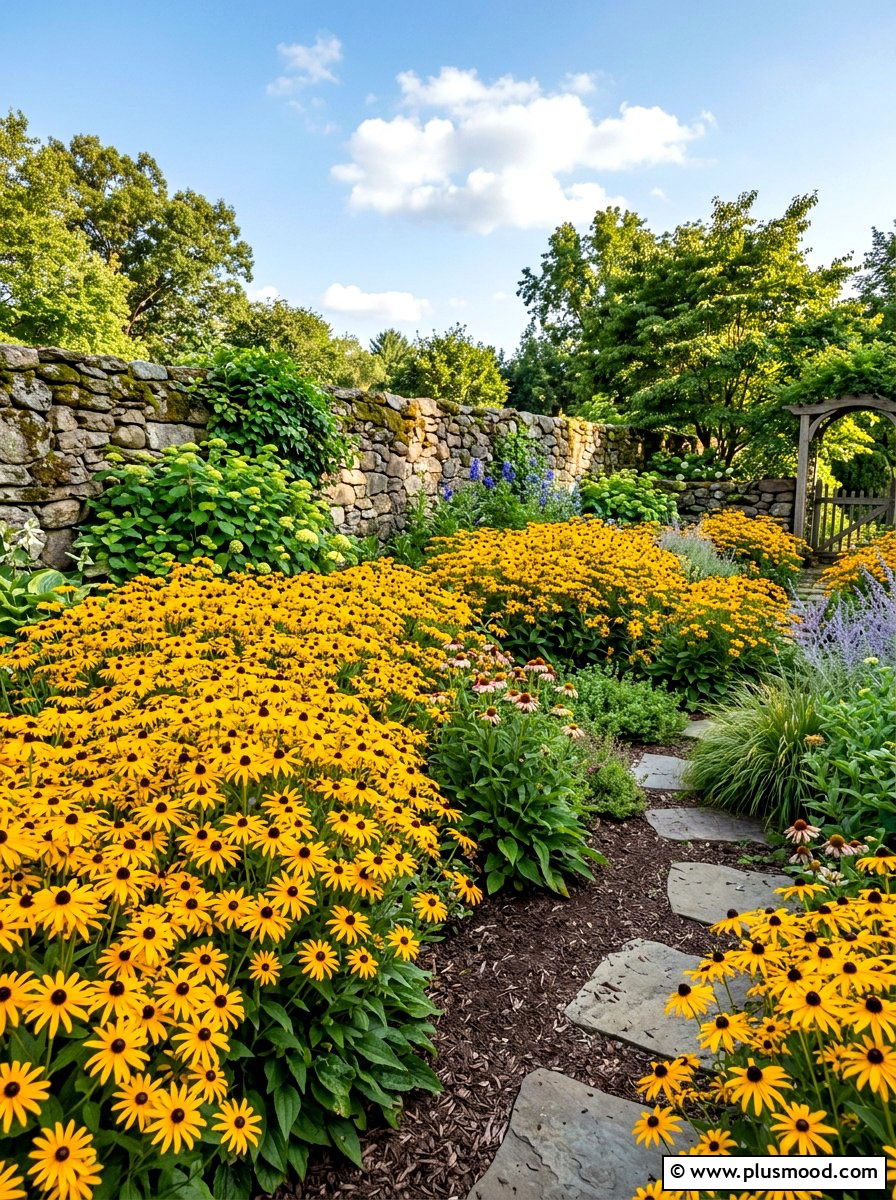
Black-eyed Susans, or Rudbeckia, are known for their cheerful yellow petals and dark brown centers that look like tiny buttons. These perennials are exceptionally hardy and can withstand the intense heat and humidity of mid-summer without drooping. They look best when planted in large groups, creating a sun-drenched glow that brightens up any corner of the yard. Bees and hoverflies are frequent visitors to these flowers, drawn by the bright colors and accessible nectar. Because they are so reliable and long-blooming, they are a favorite choice for beginner gardeners looking to create a high-impact pollinator space with very little effort.
9. Salvia Pollinator Border
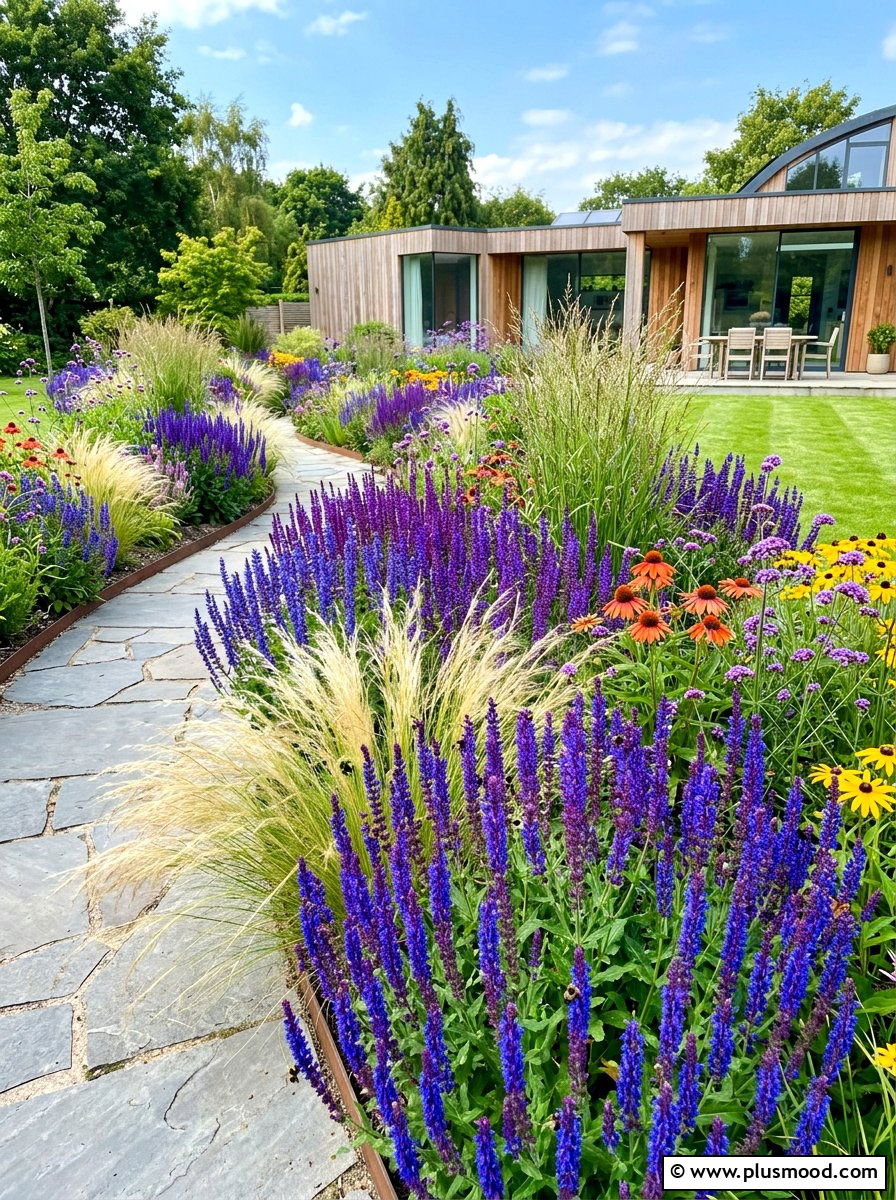
Salvia plants offer elegant spikes of deep blue, violet, or red flowers that add a sophisticated touch to the summer garden. Many varieties are perennials that return year after year, providing a dependable structure for your pollinator border. The tubular shape of salvia flowers is specifically designed to attract hummingbirds and long-tongued bees. These plants are often deer-resistant and drought-tolerant, making them a practical choice for rural or suburban landscapes. When planted alongside yellow or orange flowers, the cool tones of salvia create a stunning visual contrast that makes your garden beds pop with professional-looking color and movement.
10. Joe Pye Weed Habitat
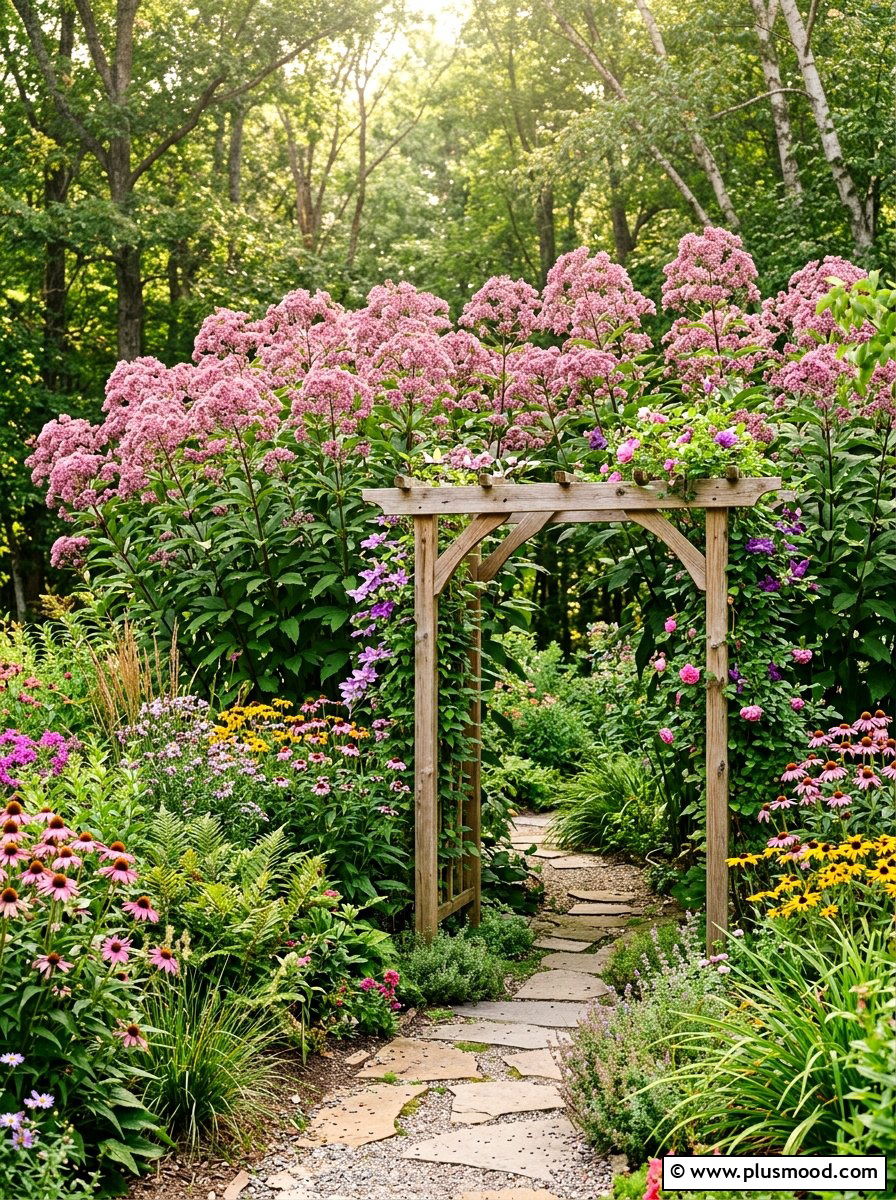
If you have a larger space or a damp spot in your yard, Joe Pye weed is an excellent choice for a towering summer backdrop. This native perennial can reach heights of six feet or more, topped with massive clusters of dusty pink flowers. It is an absolute magnet for large butterflies like tiger swallowtails and monarchs, which can often be seen covering the blooms in late summer. Despite its name, it is a highly ornamental plant that provides essential structure and nesting material for birds. Its sheer size makes it a perfect anchor for a naturalistic or cottage-style garden design.
11. Trumpet Vine Trellis
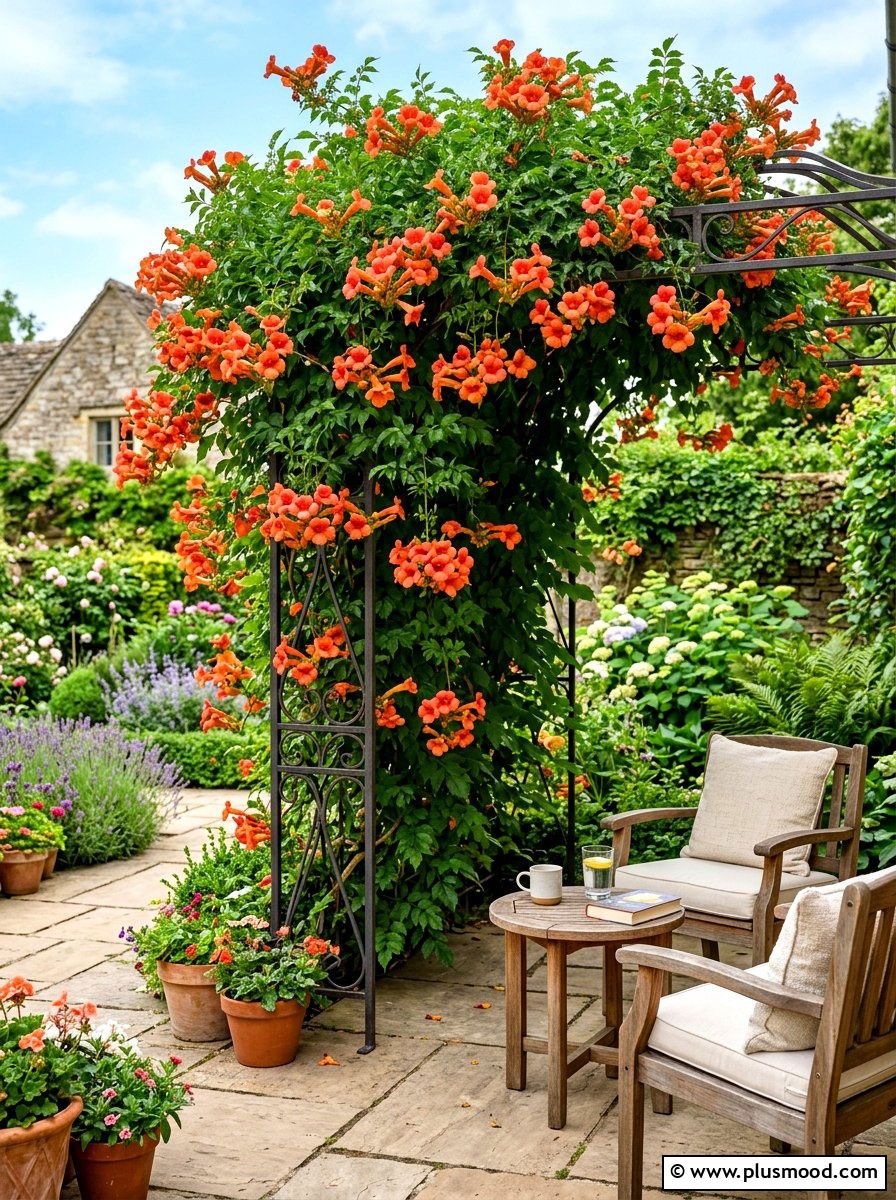
A trumpet vine is a vigorous climber that can quickly cover a trellis, fence, or arbor with lush green foliage and bright orange blooms. Its large, bell-shaped flowers are a primary food source for hummingbirds, who are attracted to the brilliant color from great distances. Because it grows vertically, it is an ideal solution for smaller yards where ground space is limited. It provides a dense canopy of shade and a vertical highway for various climbing insects. While it requires some pruning to keep it in check, the reward is a spectacular display of tropical-looking flowers that define your outdoor living space.
12. Catmint Garden Edge
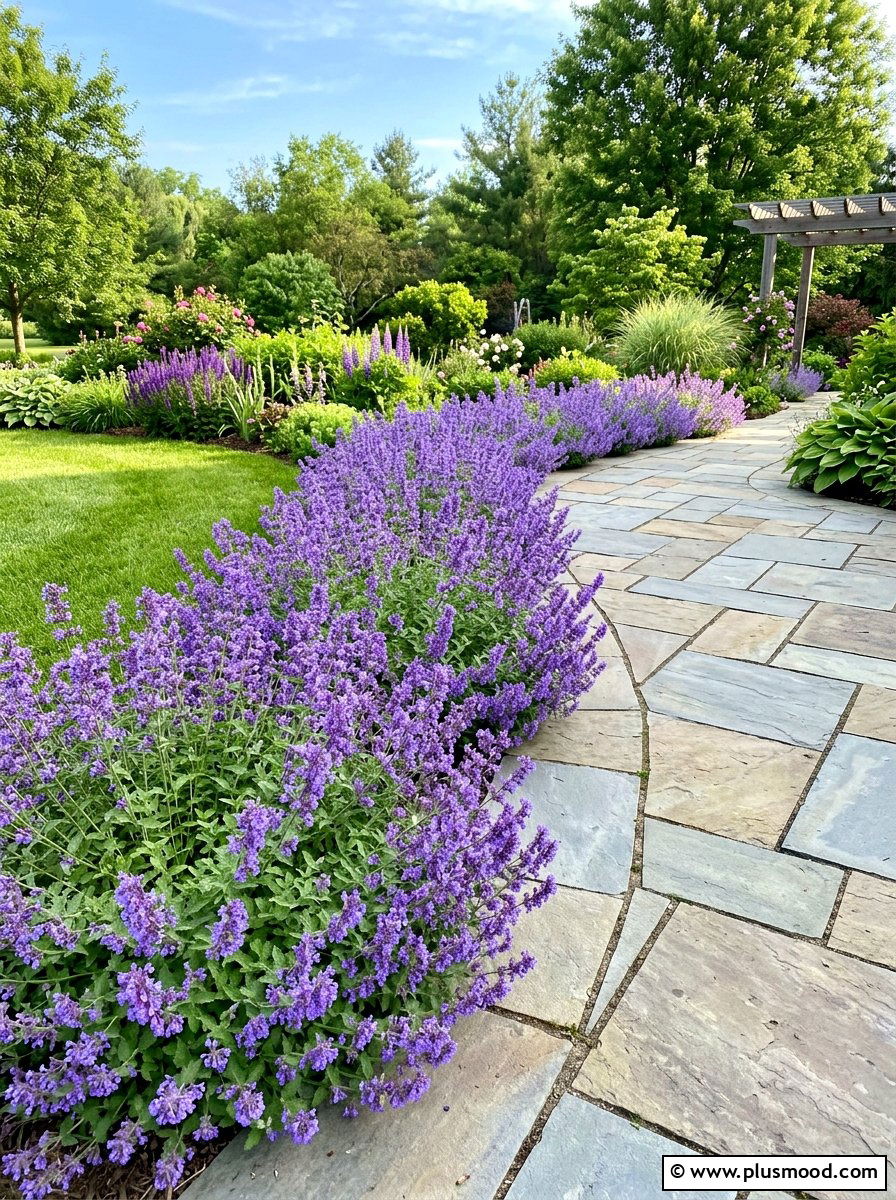
Catmint is a low-growing perennial that produces soft, gray-green foliage and clouds of lavender-blue flowers for months on end. It is an exceptional choice for edging garden paths or filling in the front of a border because of its tidy, mounding habit. Unlike its cousin catnip, catmint is more focused on ornamental beauty and pollinator support. It is a favorite of honeybees and bumblebees, who can be seen foraging among the tiny blossoms all day. Once the first flush of flowers fades, a quick shear will encourage a second round of blooms, keeping your garden looking fresh and tidy throughout the summer.
13. Blazing Star Garden
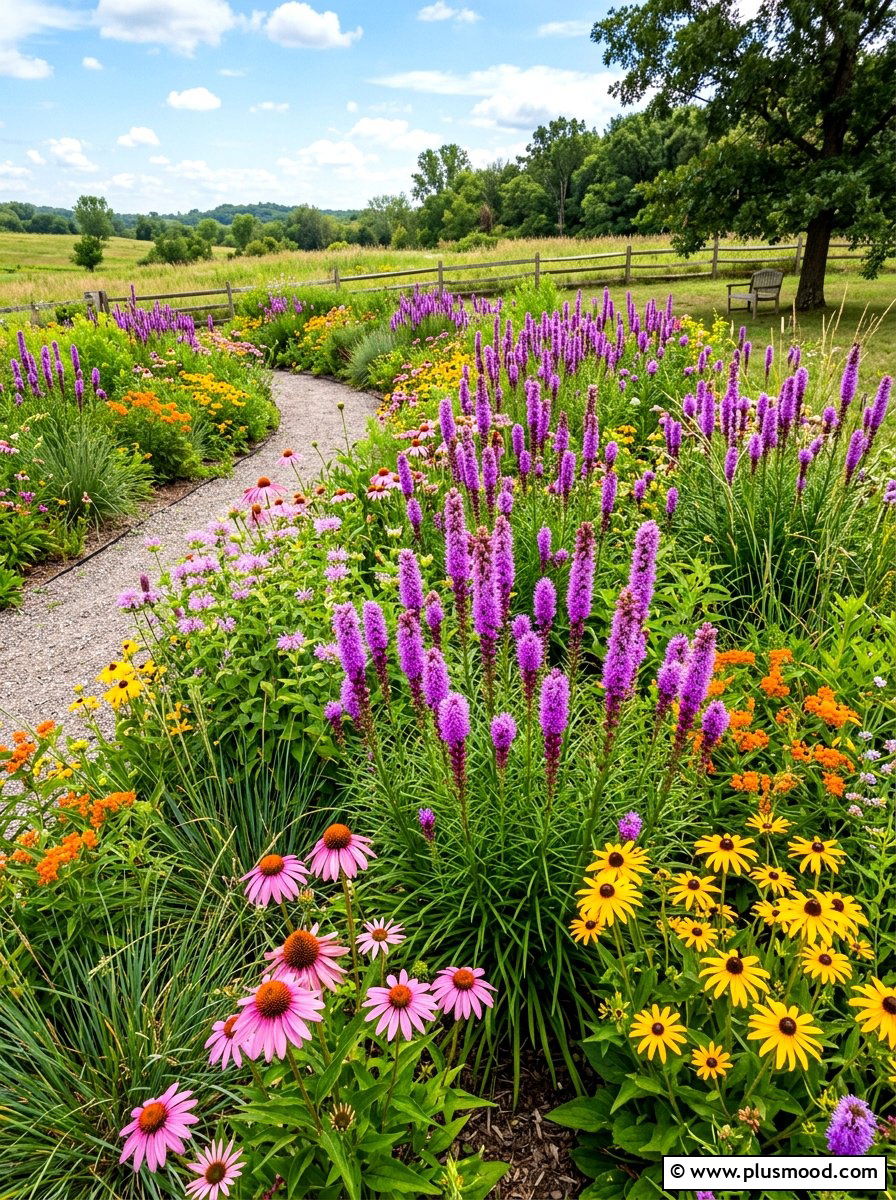
Blazing star, also known as Liatris, features unique, fuzzy flower spikes that bloom from the top down, creating a striking vertical interest. These plants are native to North American prairies and are perfectly adapted to sunny, well-drained locations. The bright purple or white spikes are a magnet for butterflies, especially during their late summer migration periods. Liatris is also a great cut flower, allowing you to bring a bit of your pollinator garden indoors. Its upright growth habit means it doesn't take up much room at the base, making it easy to tuck between other perennials for a layered and diverse look.
14. Cosmos Flower Field
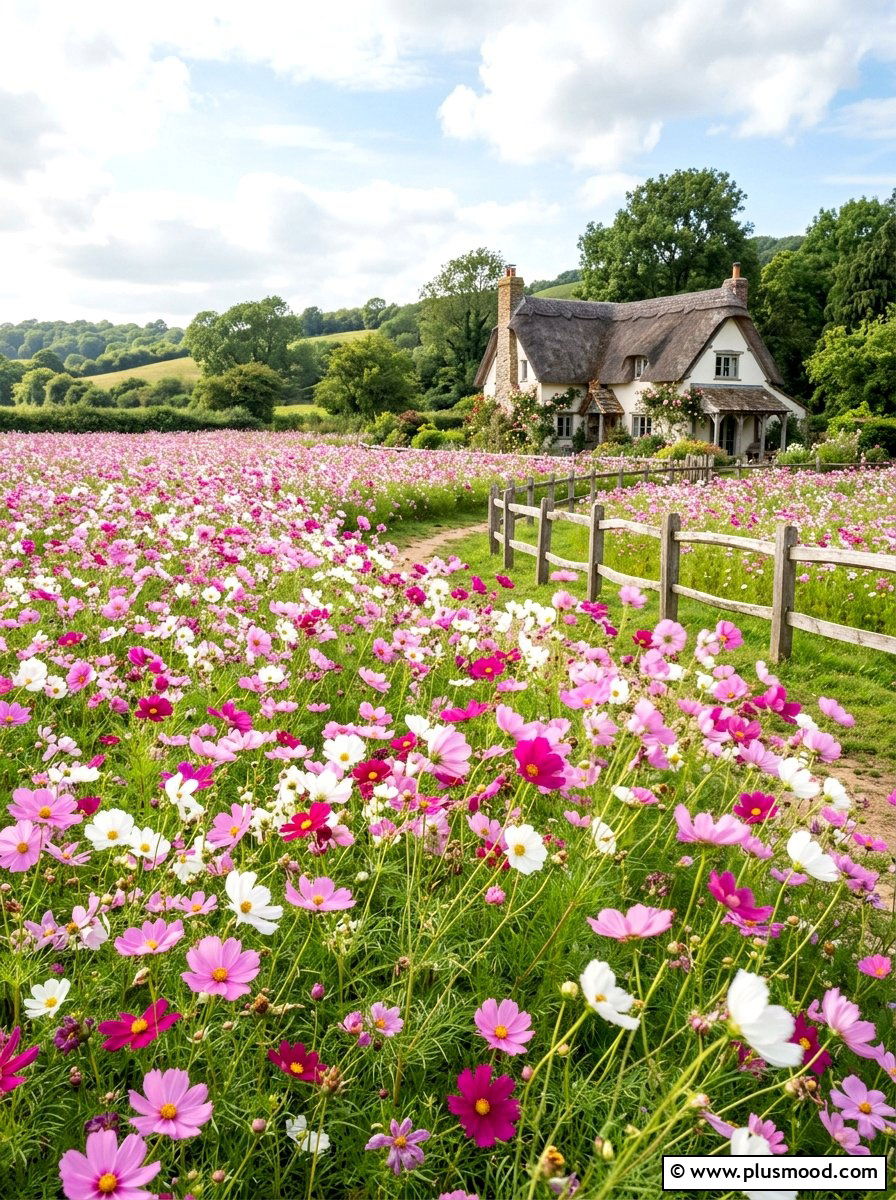
Cosmos are whimsical, airy annuals that sway gracefully in the summer breeze, adding a sense of movement and lightness to your garden. They are incredibly easy to grow from seed and will often self-sow, returning year after year with minimal effort. Their delicate, fern-like foliage provides a beautiful backdrop for their simple, daisy-like flowers in shades of pink, white, and maroon. Bees and butterflies are drawn to the exposed centers of the flowers, where they can easily find nectar. A field of cosmos creates a romantic, cottage-garden feel that is both beautiful to look at and highly beneficial for local wildlife.
15. Aster Fall Garden
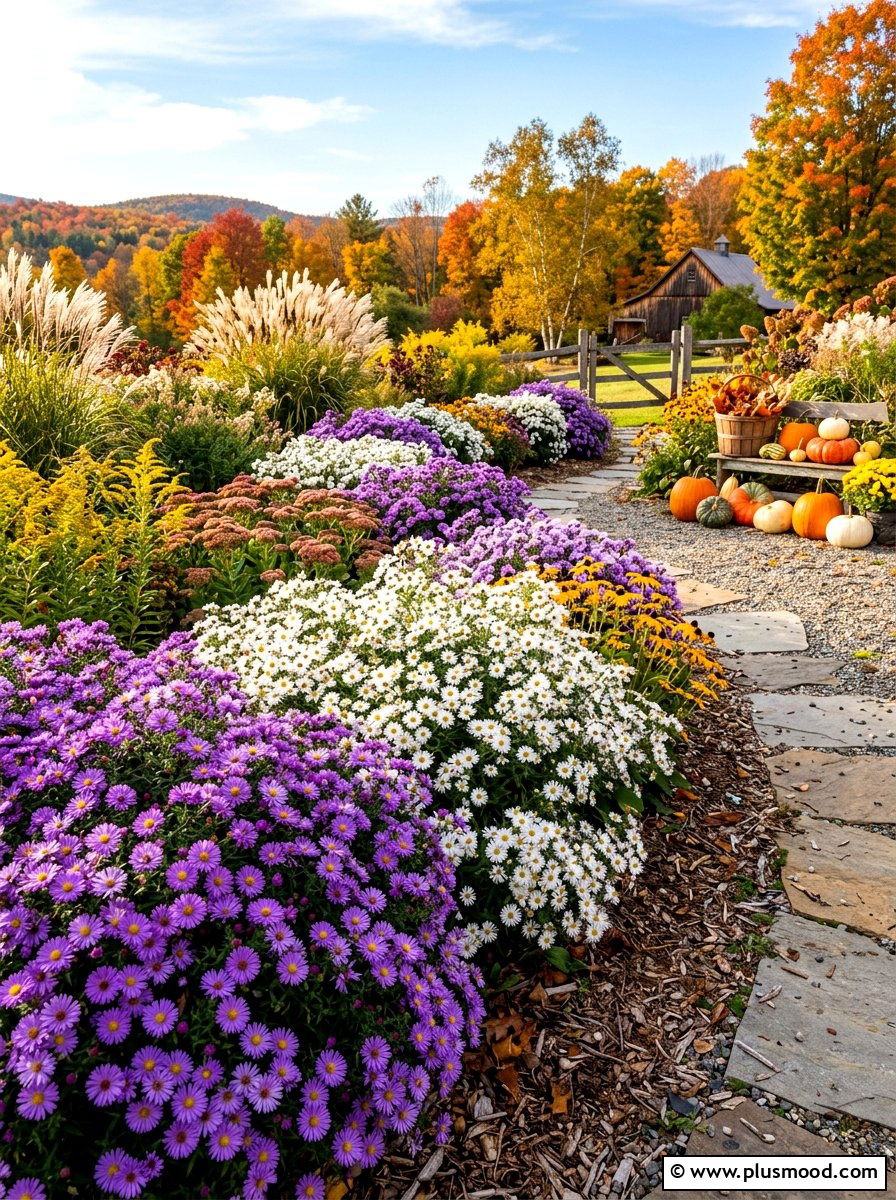
While many flowers begin to fade as summer ends, asters are just getting started, providing a critical late-season food source for pollinators. These perennials produce masses of small, daisy-like blooms in shades of purple, blue, and white. They are especially important for monarch butterflies as they fuel up for their long journey south. Asters come in various sizes, from low-growing mounds to tall, bushy varieties, allowing them to fit into any garden layout. By including asters in your landscape, you ensure that your garden remains a vibrant sanctuary well into the cooler months, supporting biodiversity when other resources are becoming scarce.
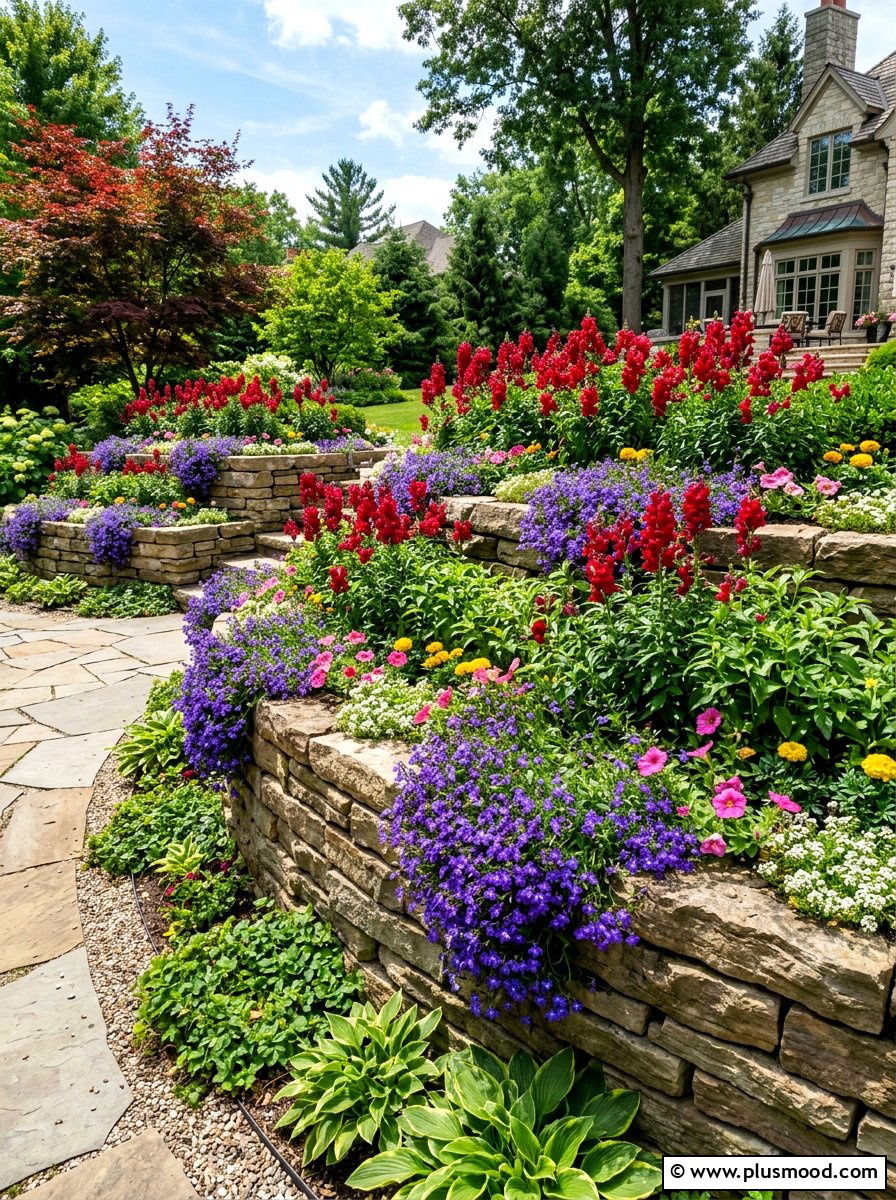
16. Goldenrod Pollinator Garden
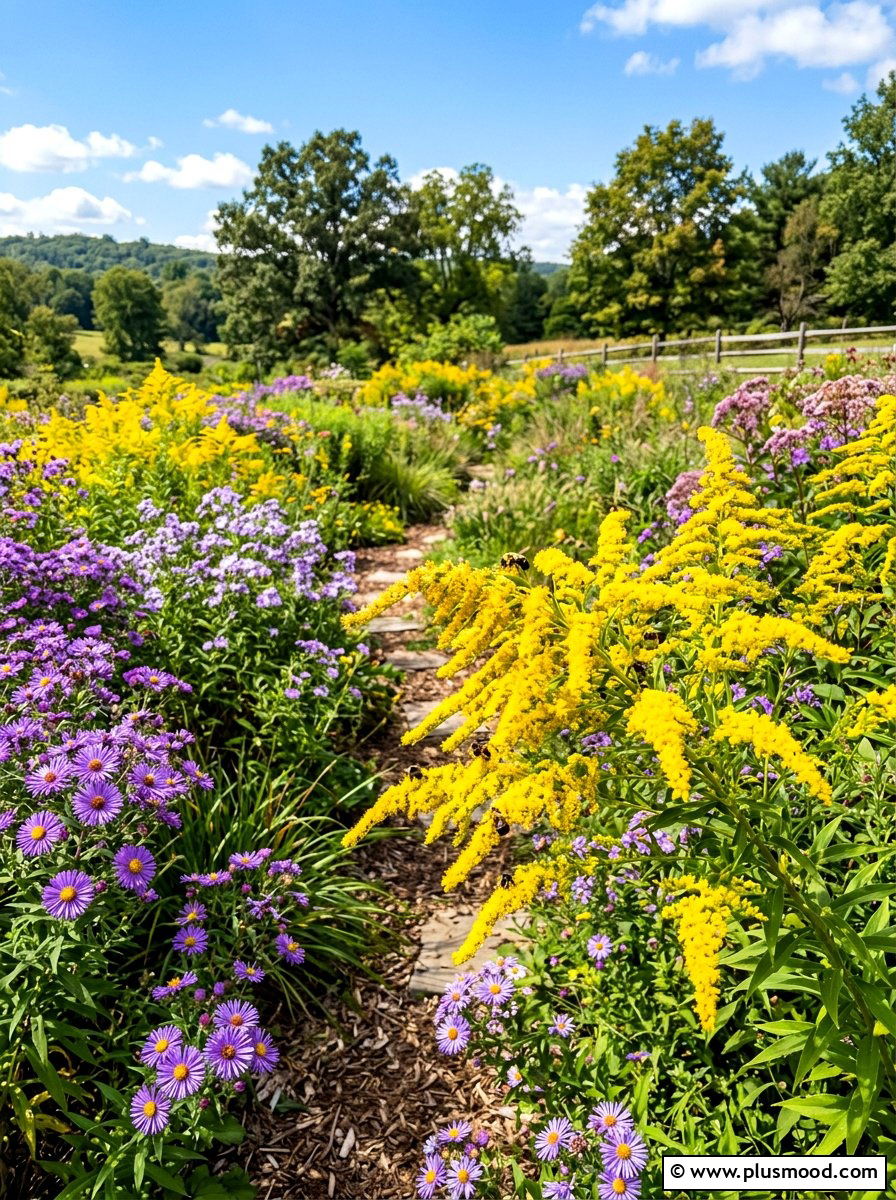
Goldenrod is often unfairly blamed for hayweed allergies, but it is actually a vital and beautiful plant for the late summer landscape. Its bright yellow plumes of flowers provide a massive amount of nectar and pollen for bees, beetles, and butterflies. There are many well-behaved garden varieties that stay compact and don't spread aggressively, making them suitable for traditional flower beds. The brilliant yellow color of goldenrod pairs perfectly with the purples of asters, creating a classic autumn color palette. This plant is a powerhouse of ecological support, hosting dozens of species of beneficial insects that keep your garden healthy and balanced.
17. Bee Friendly Herb Garden
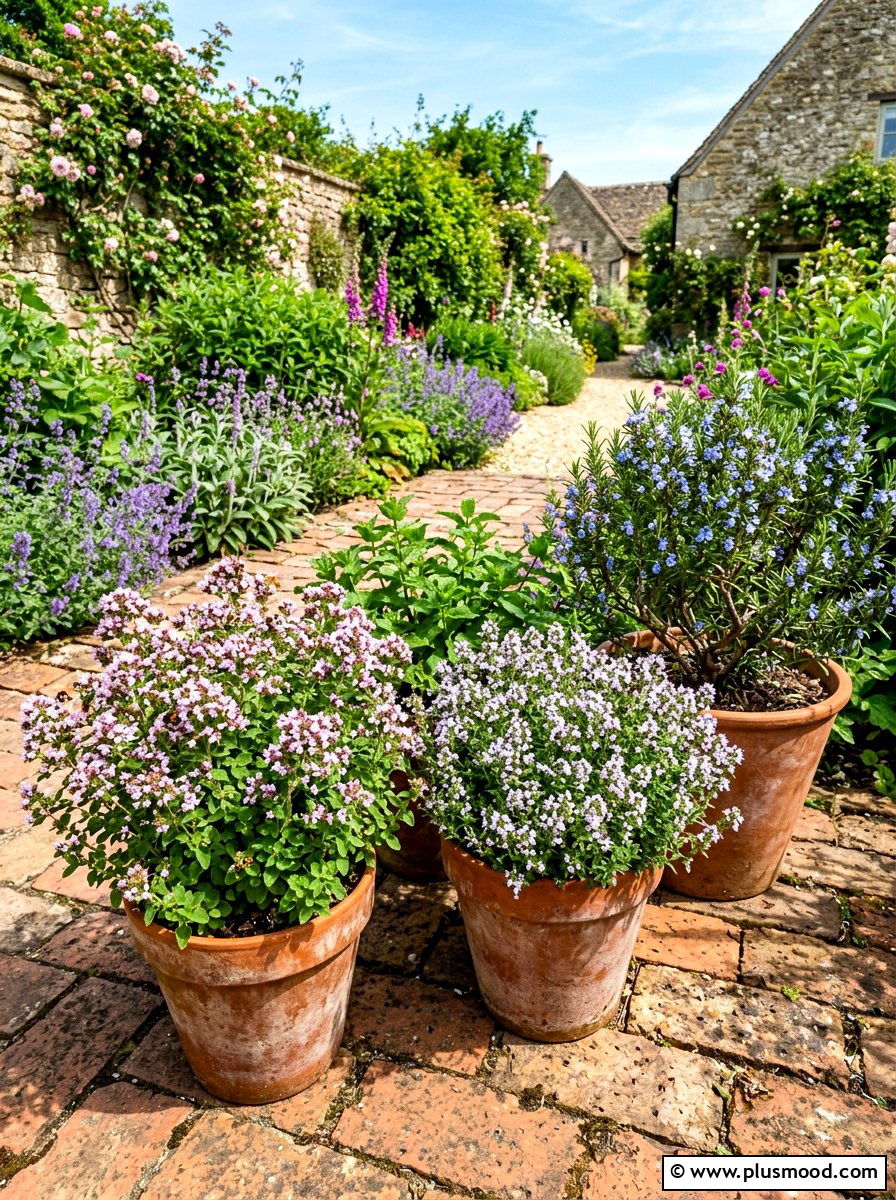
An herb garden is a wonderful way to combine culinary utility with pollinator conservation. Many common herbs, such as oregano, thyme, rosemary, and chives, produce beautiful flowers that bees absolutely adore. If you allow some of your herbs to go to seed, you will be rewarded with a garden full of buzzing activity. Mint and basil are also highly attractive to pollinators when they bloom in the mid-summer heat. Placing an herb garden near your kitchen door or on a sunny patio makes it easy to harvest fresh ingredients while enjoying the sight of butterflies and bees visiting the fragrant blossoms nearby.
18. Butterfly Bush Planting
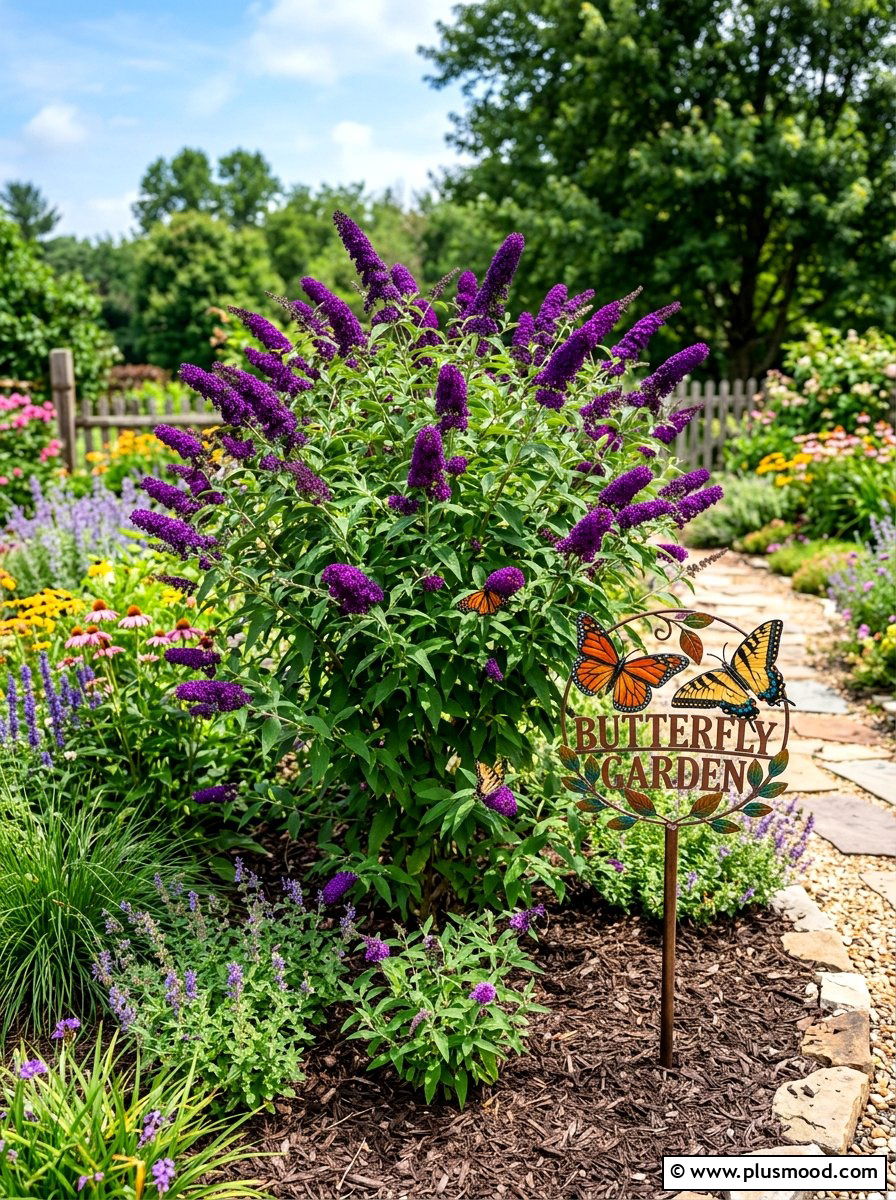
The butterfly bush, or Buddleia, is famous for its long, honey-scented flower panicles that attract butterflies like a magnet. These shrubs grow quickly and can provide a substantial amount of color and height in just one season. Modern cultivars are available in sterile varieties, meaning they won't spread into natural areas, making them a responsible choice for home landscapes. They come in a wide range of colors, from deep ink-purple to bright white and soft pink. A single butterfly bush can become the centerpiece of a sunny backyard, acting as a bustling airport for a variety of winged visitors throughout the summer.
19. Anise Hyssop Garden
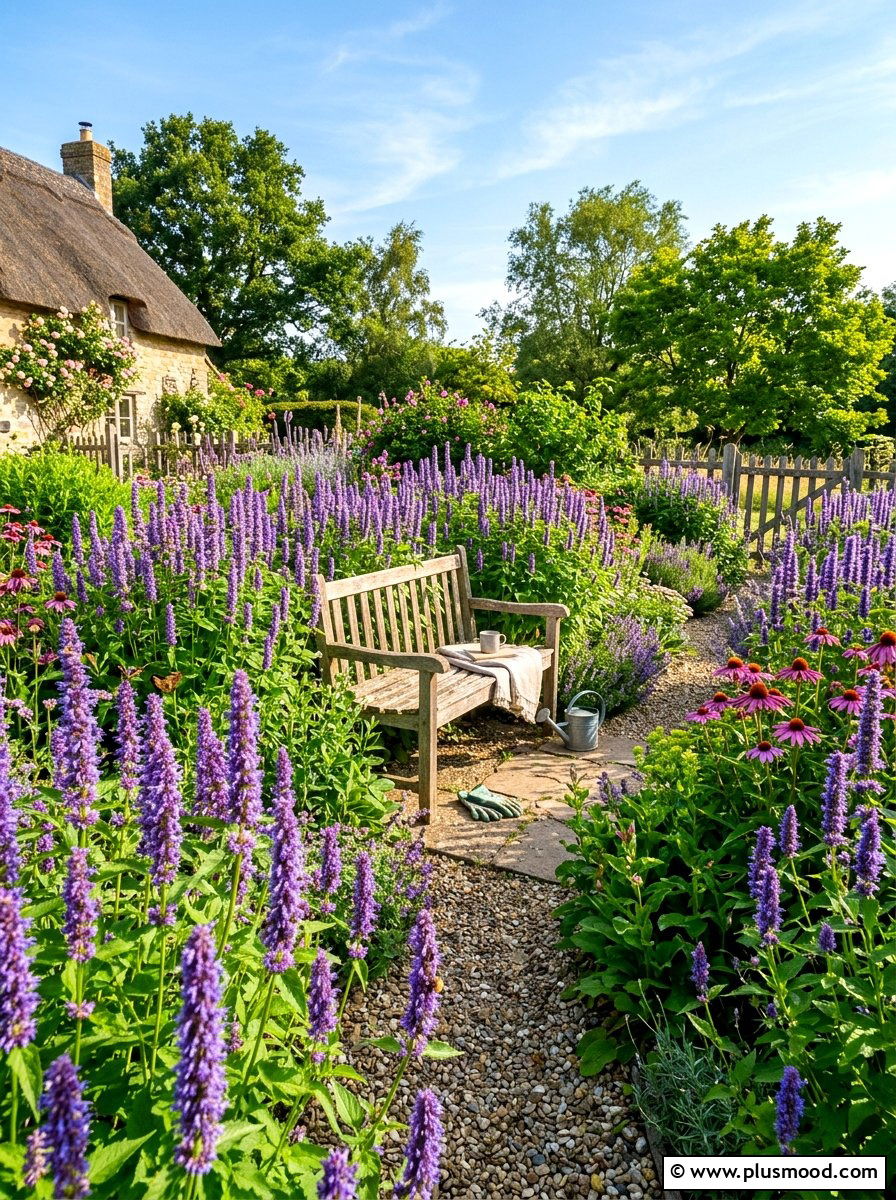
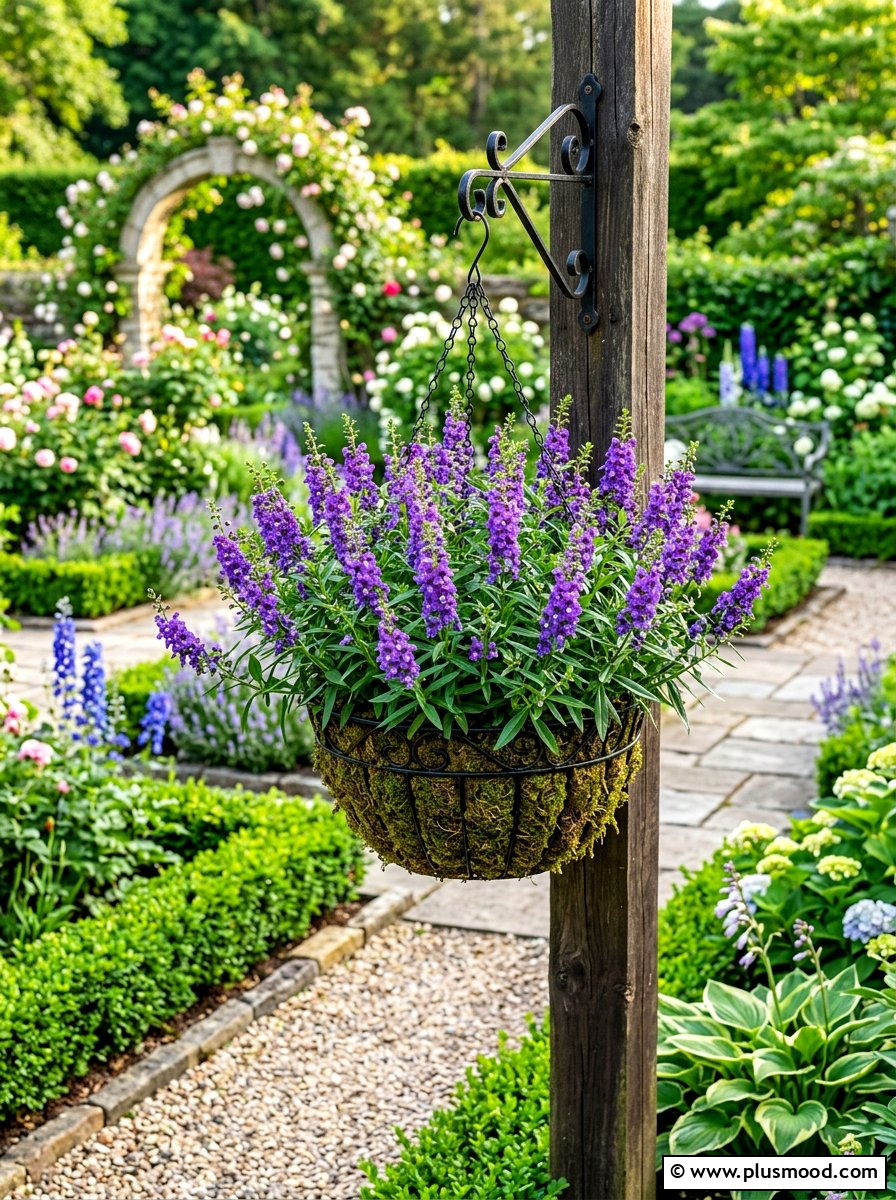
Anise hyssop is a multi-talented perennial that offers beautiful purple flower spikes and fragrant, licorice-scented foliage. It is one of the top plants for attracting bees, who find its nectar-rich flowers nearly irresistible. The upright spikes add a strong vertical line to garden beds, and the plant is remarkably resistant to pests and diseases. Anise hyssop is also edible; the leaves can be used in teas or salads, adding a unique flavor to your home-grown harvest. Its long blooming period from mid-summer to frost makes it a reliable performer that adds both beauty and function to any eco-friendly garden design.
20. Mexican Sunflower Patch
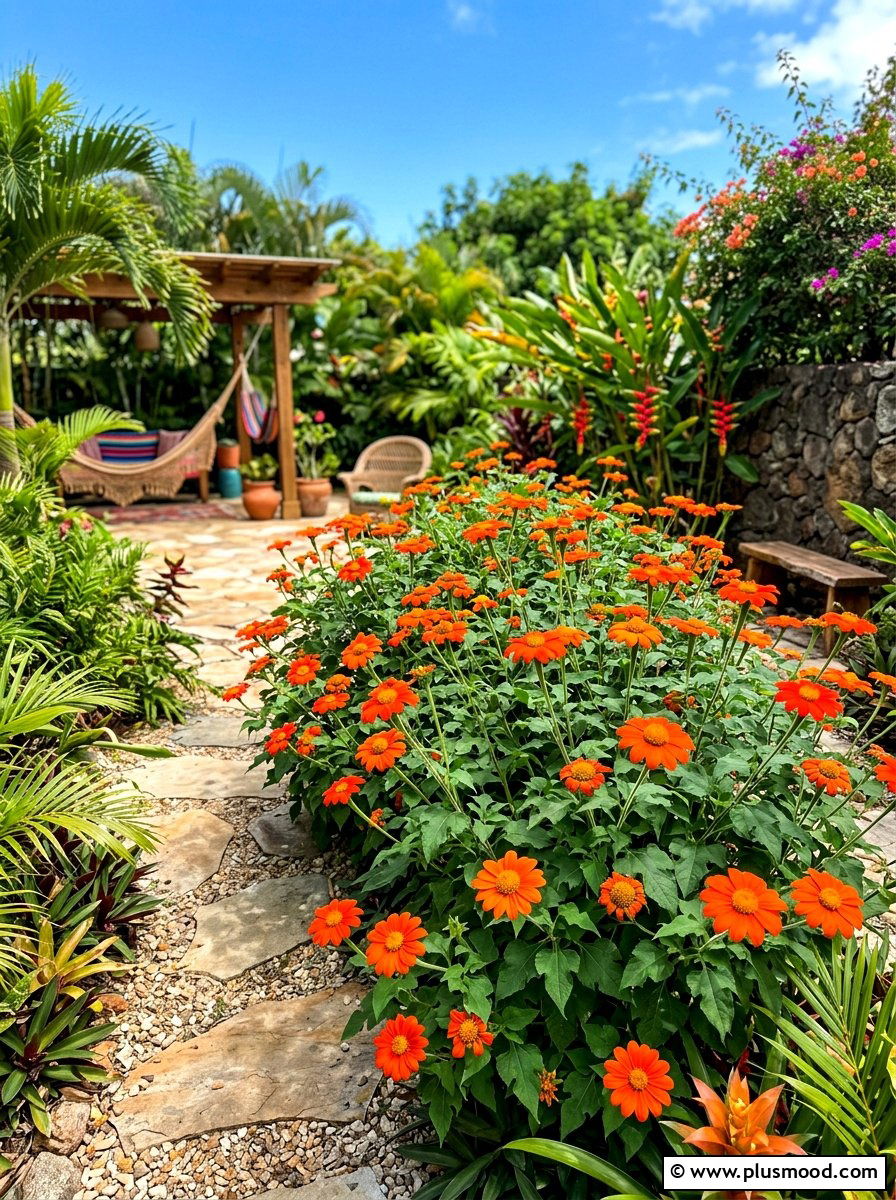
Mexican sunflowers, or Tithonia, are vigorous annuals that produce stunning, velvety orange flowers that look like small dahlias. They are exceptionally heat-tolerant and thrive in the hottest part of the summer when other plants might struggle. The bright, fiery blooms are a favorite of monarch butterflies and hummingbirds, who are drawn to the intense color and abundant nectar. Because these plants can grow quite large, they are best suited for the back of a border or as a temporary hedge. Their bold appearance makes a dramatic statement, ensuring your garden remains the talk of the neighborhood for its beauty and life.
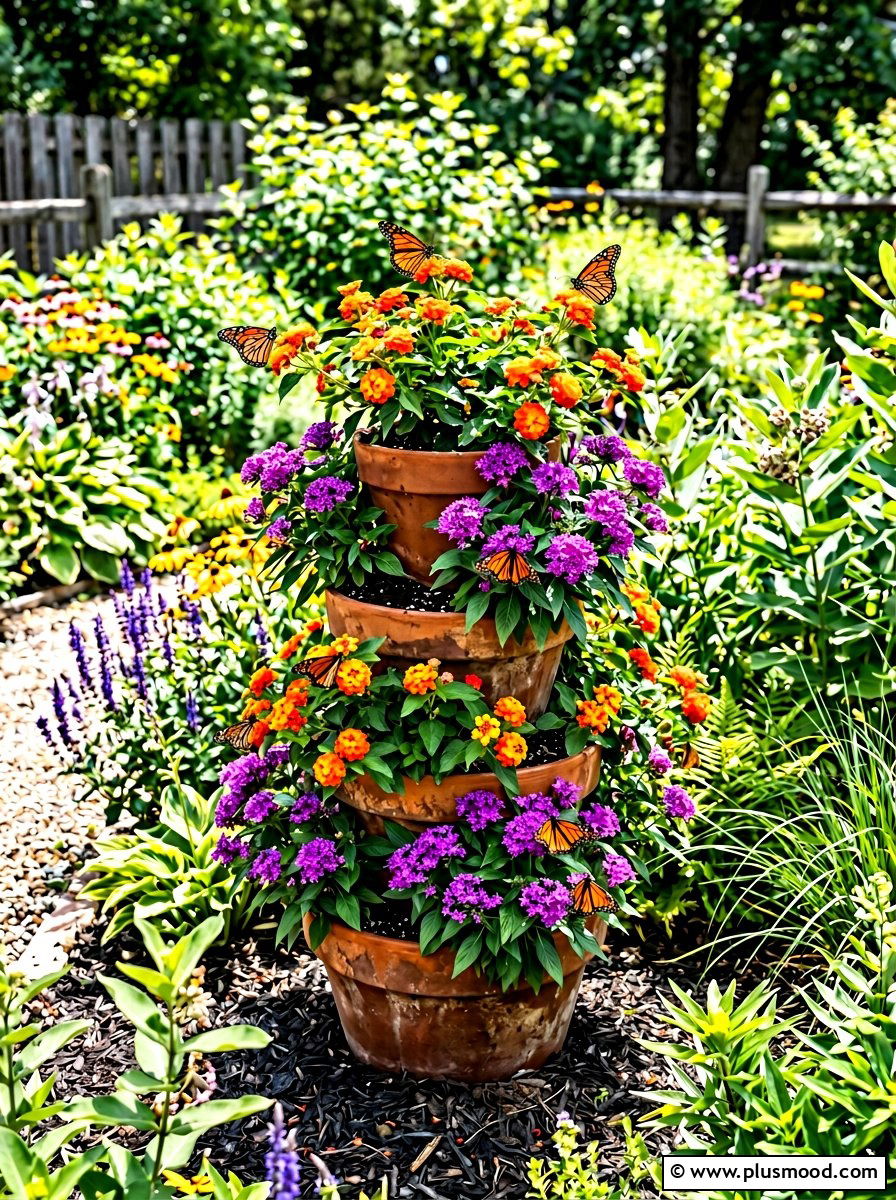
21. Coreopsis Sunny Border
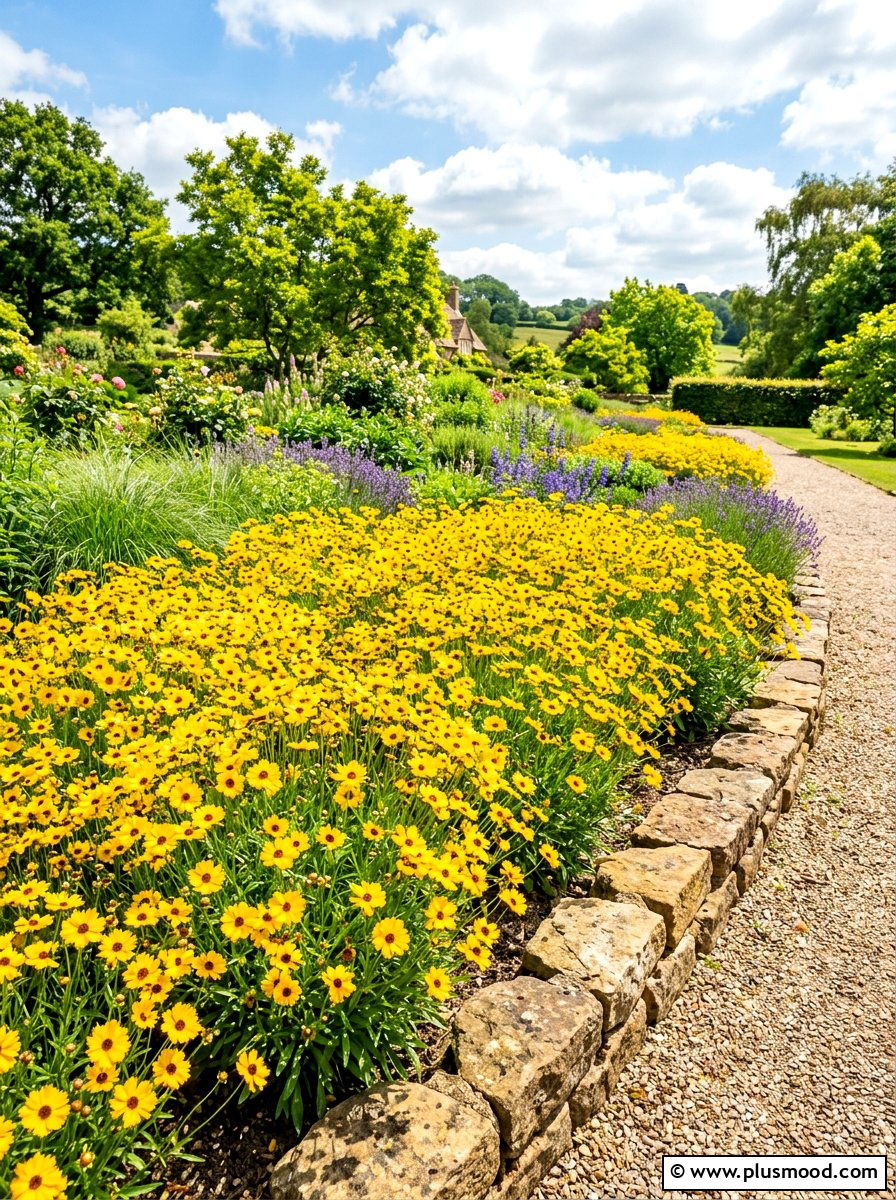
Coreopsis, also known as tickseed, is a cheerful perennial that produces a carpet of yellow, orange, or bi-color flowers. It is incredibly easy to grow and can handle poor soil and dry conditions with ease. The small, daisy-like flowers are a constant source of nectar for small bees and butterflies. Many varieties have a long blooming season, and shearing them back mid-summer can lead to a fresh flush of color later in the year. Whether you choose a threadleaf variety for its fine texture or a large-flowered type for bold impact, coreopsis is a dependable workhorse in the sunny pollinator garden.
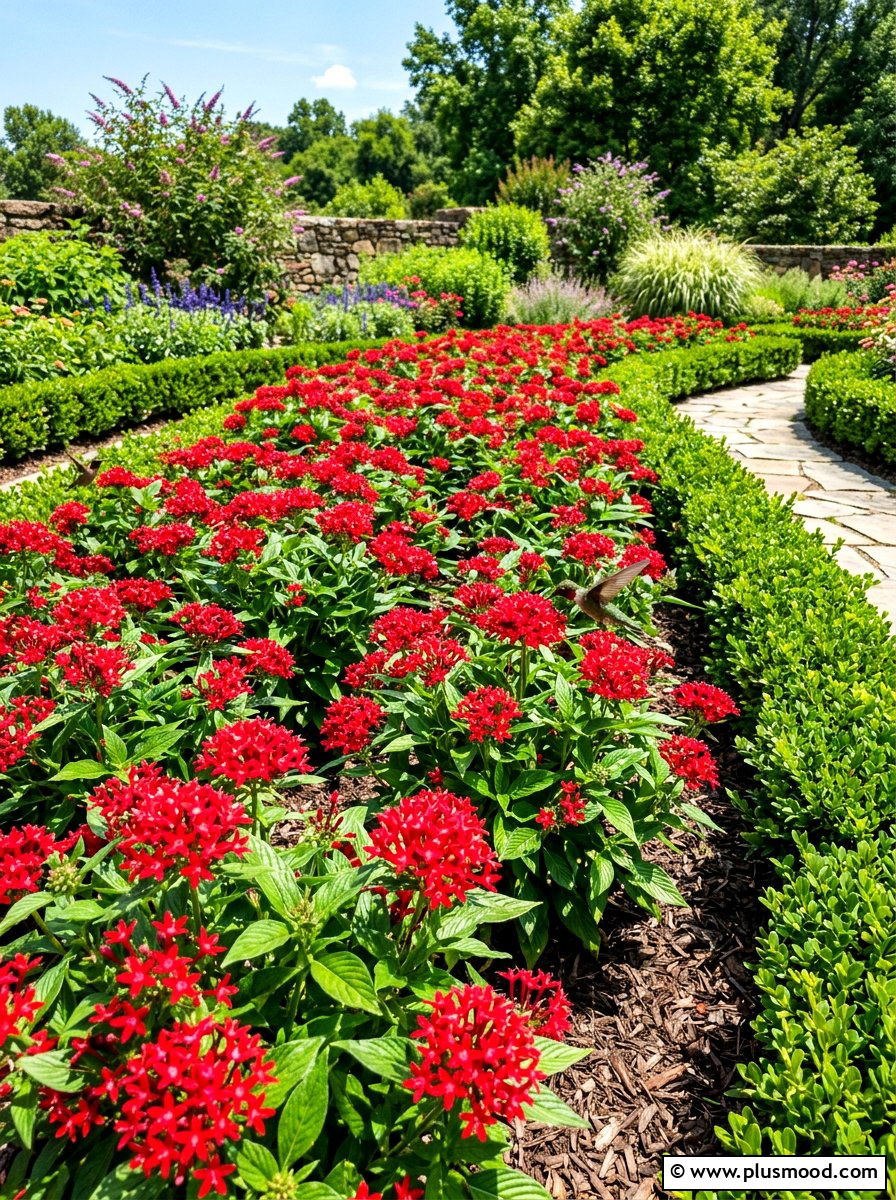
22. Pentas Butterfly Garden
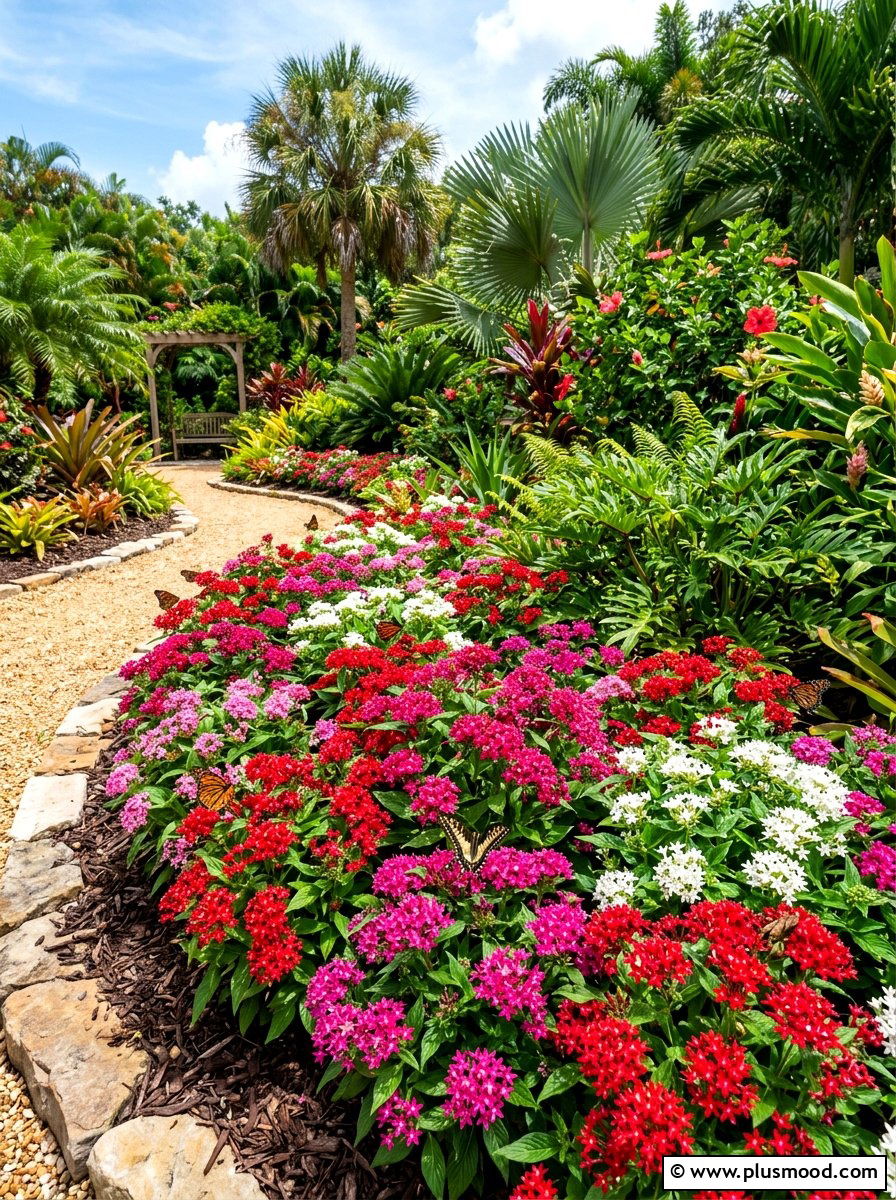
Pentas are tropical perennials often grown as annuals in cooler climates, known for their star-shaped flower clusters. They are one of the best plants for attracting butterflies and hummingbirds in hot, humid weather. The flowers come in brilliant shades of red, pink, and white, standing out clearly against the dark green foliage. Pentas are very low-maintenance and will continue to bloom without the need for constant deadheading. They work beautifully in containers on a sunny porch or planted in masses in the garden bed. Their consistent performance and high nectar yield make them a must-have for any dedicated summer butterfly sanctuary.
23. Lantana Heat Tolerant Garden
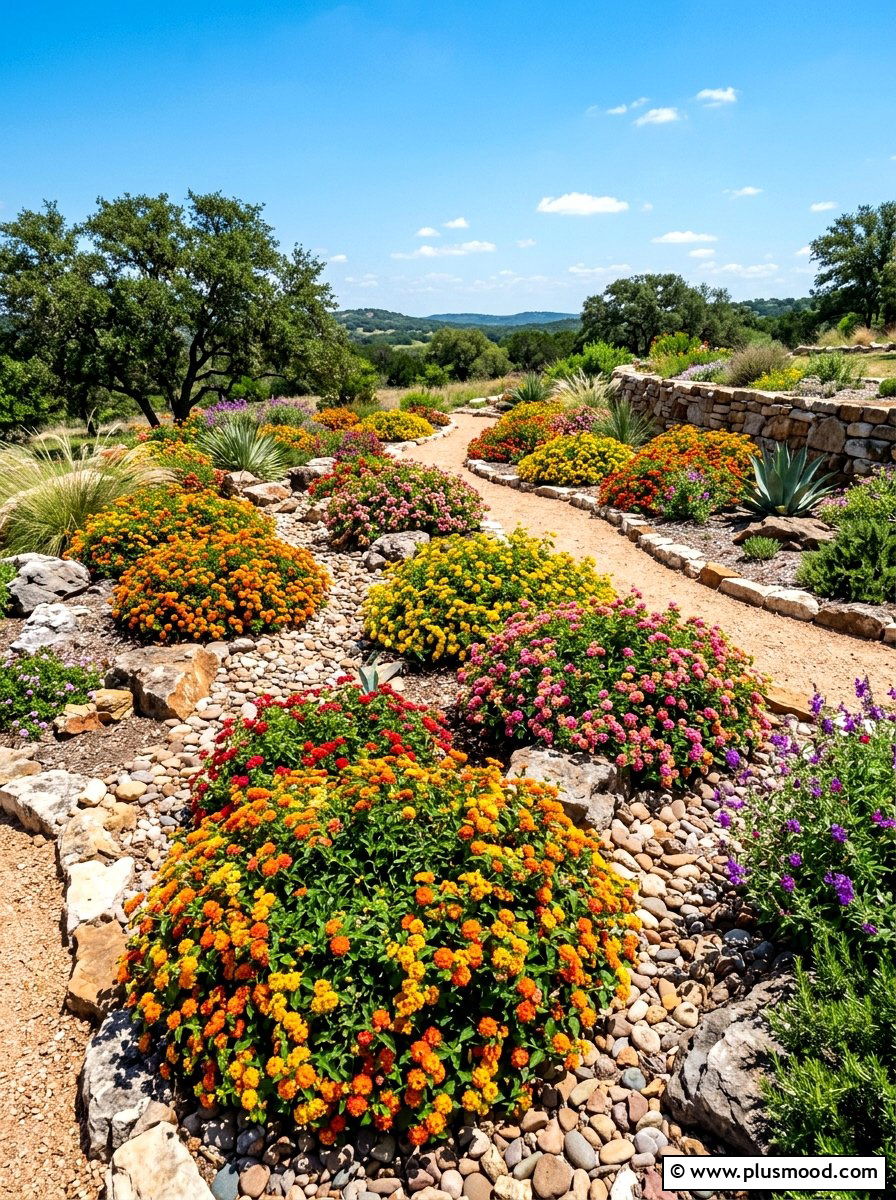
Lantana is a tough-as-nails plant that thrives in the most intense summer heat and full sun. Its unique flower clusters often feature multiple colors on a single head, such as orange, yellow, and red, creating a vibrant confetti effect. These blossoms are highly attractive to butterflies, who flock to them for their rich nectar supply. Lantana can be grown as a mounding groundcover or a small shrub, depending on the variety you choose. It is also very drought-tolerant, making it an excellent choice for xeriscaping or low-water gardens. Its rugged nature and colorful display provide a reliable foundation for any summer pollinator design.
24. Ironweed Wetland Garden
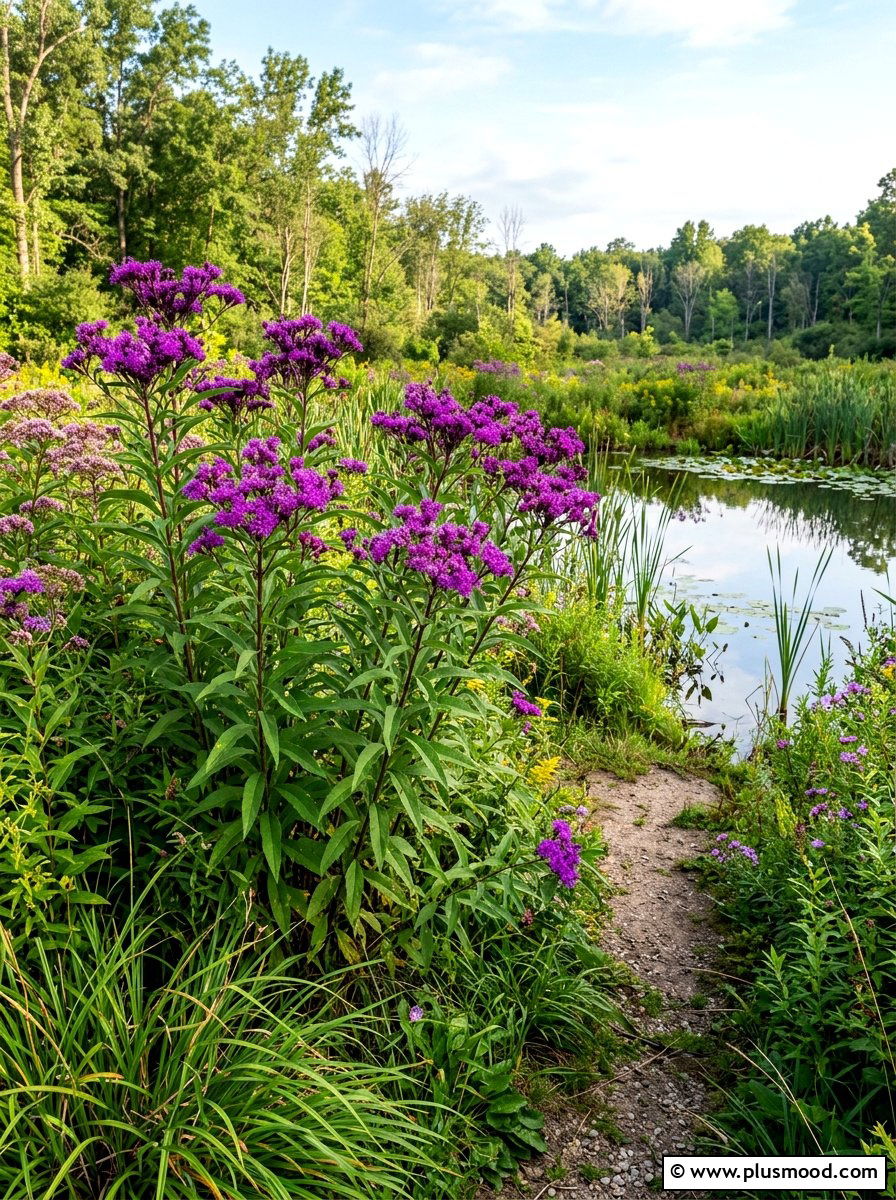
Ironweed is a striking native perennial that adds a splash of intense royal purple to the late summer garden. It is particularly well-suited for spots that stay a bit moist, though it can adapt to average garden soil as well. The tall, sturdy stems are topped with fluffy clusters of flowers that are a magnet for bees and butterflies. Ironweed provides a fantastic architectural element due to its height and bold color, making it a perfect companion for the yellows of goldenrod or sunflowers. Its resilience and deep root system also help with soil stability, making it as functional as it is beautiful.
25. Scabiosa Pincushion Garden
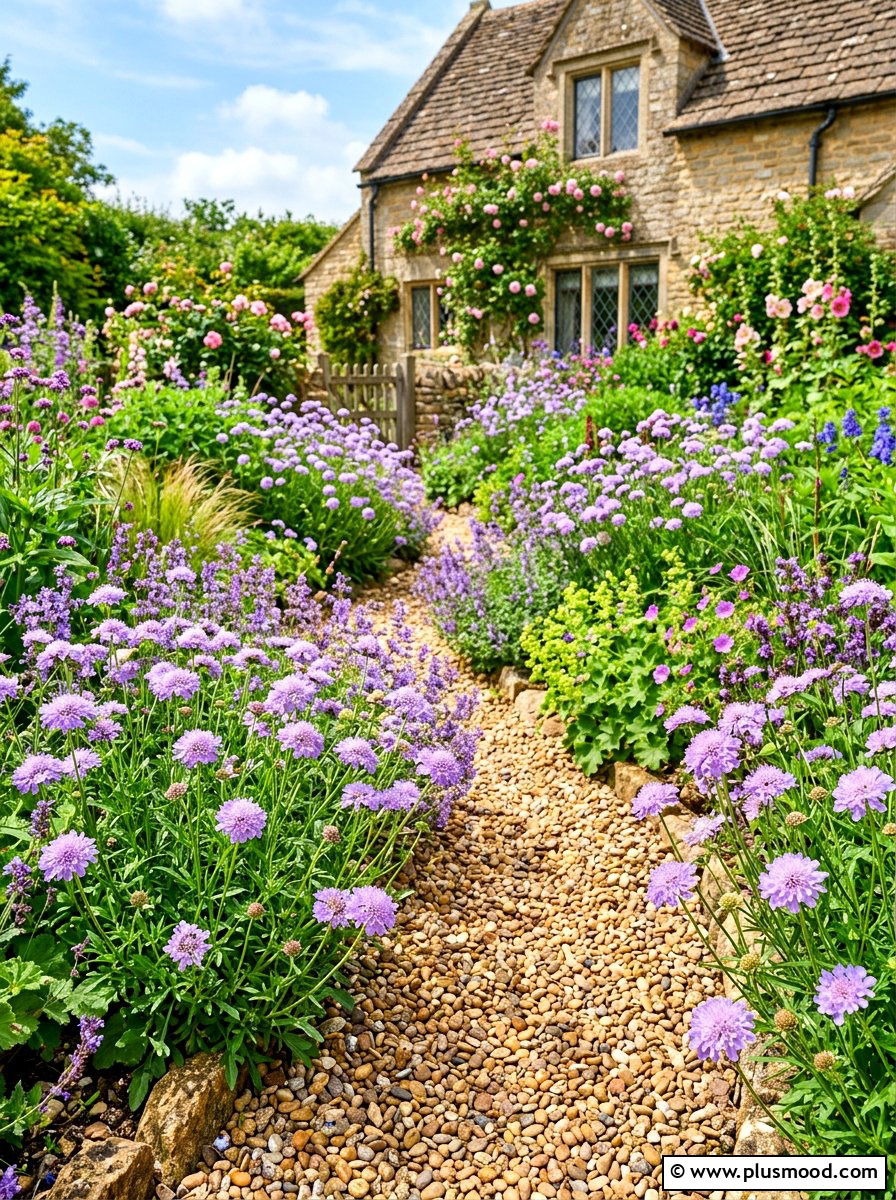
Scabiosa, or pincushion flower, features delicate, ruffled blooms that look like tiny cushions stuck with pins. These charming flowers come in shades of soft blue, lavender, and white, adding a touch of elegance to the mid-summer border. They are a favorite of small butterflies and honeybees, who appreciate the easy-to-access nectar. Scabiosa has a long blooming season and makes an excellent cut flower for indoor arrangements. Its compact size makes it ideal for the front of a bed or for use in mixed containers. This plant brings a soft, textural quality to the garden that balances out bolder, more aggressive summer bloomers.
Conclusion:
Building a summer pollinator garden is a rewarding way to enhance your home’s beauty while giving back to the natural world. By incorporating a diverse range of plants, from hardy perennials like coneflowers to vibrant annuals like zinnias, you create a rich habitat that supports a variety of life forms. Each plant choice adds a unique layer of color and texture to your landscape, ensuring that your outdoor space is a source of joy for you and a sanctuary for nature. As you watch butterflies dance and bees buzz through your garden, you will realize the profound impact a small, well-planned space can have. Embrace these ideas to foster a thriving, sustainable environment that celebrates the incredible diversity of summer life in your own backyard for years to come.
Related posts:
Leave a Reply