
Creating a vibrant summer sanctuary for hummingbirds is one of the most rewarding projects any gardener can undertake. These tiny, iridescent birds bring incredible energy and life to an outdoor space with their rapid wingbeats and playful aerial maneuvers. To attract them successfully, you must understand their specific needs for high-energy nectar, reliable water sources, and safe nesting sites. By focusing on a combination of native plants and thoughtful garden features, you can turn even a small patio or a sprawling backyard into a bustling wildlife haven. This guide explores creative and effective ways to design a landscape that caters specifically to these remarkable pollinators throughout the warmest months of the year.
1. Red tubular flowers for hummingbirds
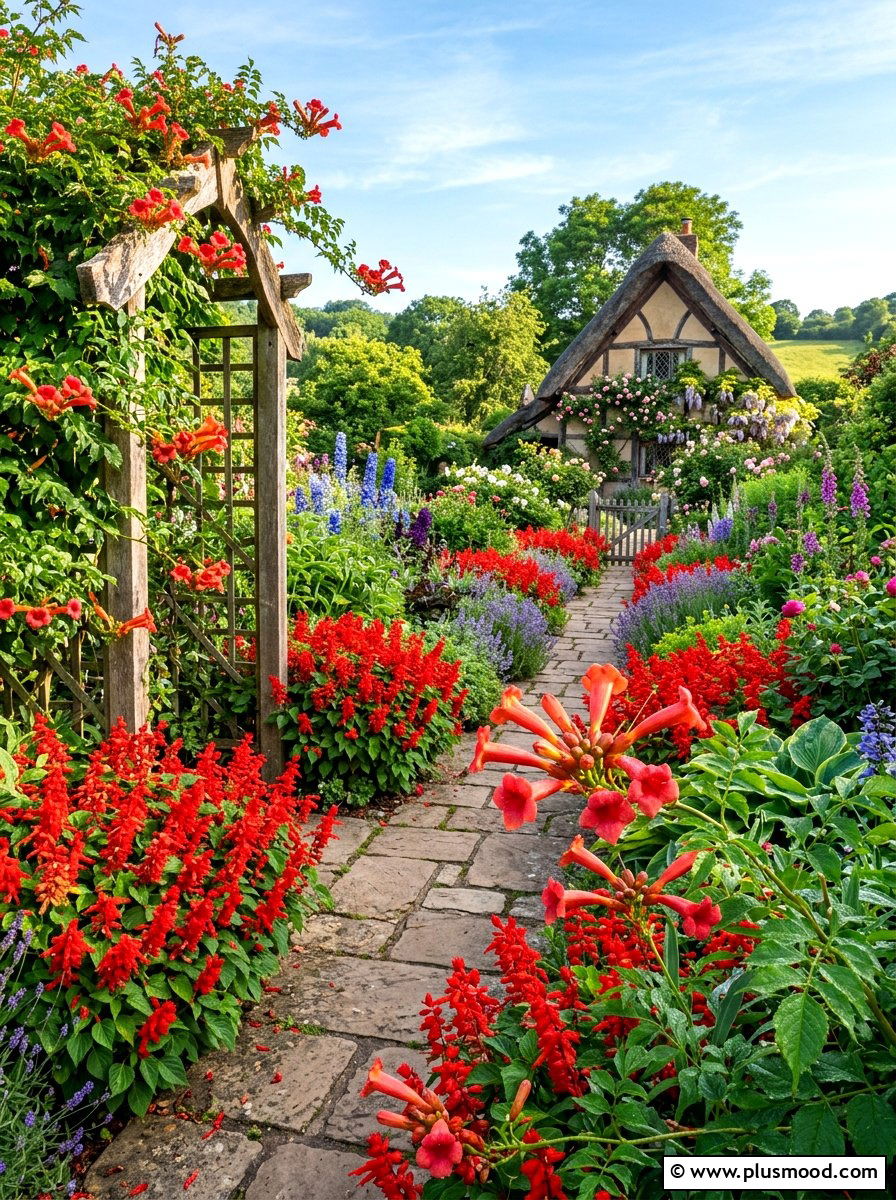
Focusing on red tubular flowers is the most effective way to grab the attention of passing hummingbirds. These birds have a highly developed sense of color vision that is particularly sensitive to the red end of the spectrum. The long, narrow shape of tubular blossoms is perfectly evolved for their specialized beaks and tongues. When you plant varieties like trumpet honeysuckle or penstemon, you provide a deep nectar well that larger insects cannot easily access. This exclusive food source ensures the birds return to your garden daily. Planting these in large, visible drifts makes it easier for them to spot your yard from high above while they are navigating through the neighborhood.
2. Native bee balm garden
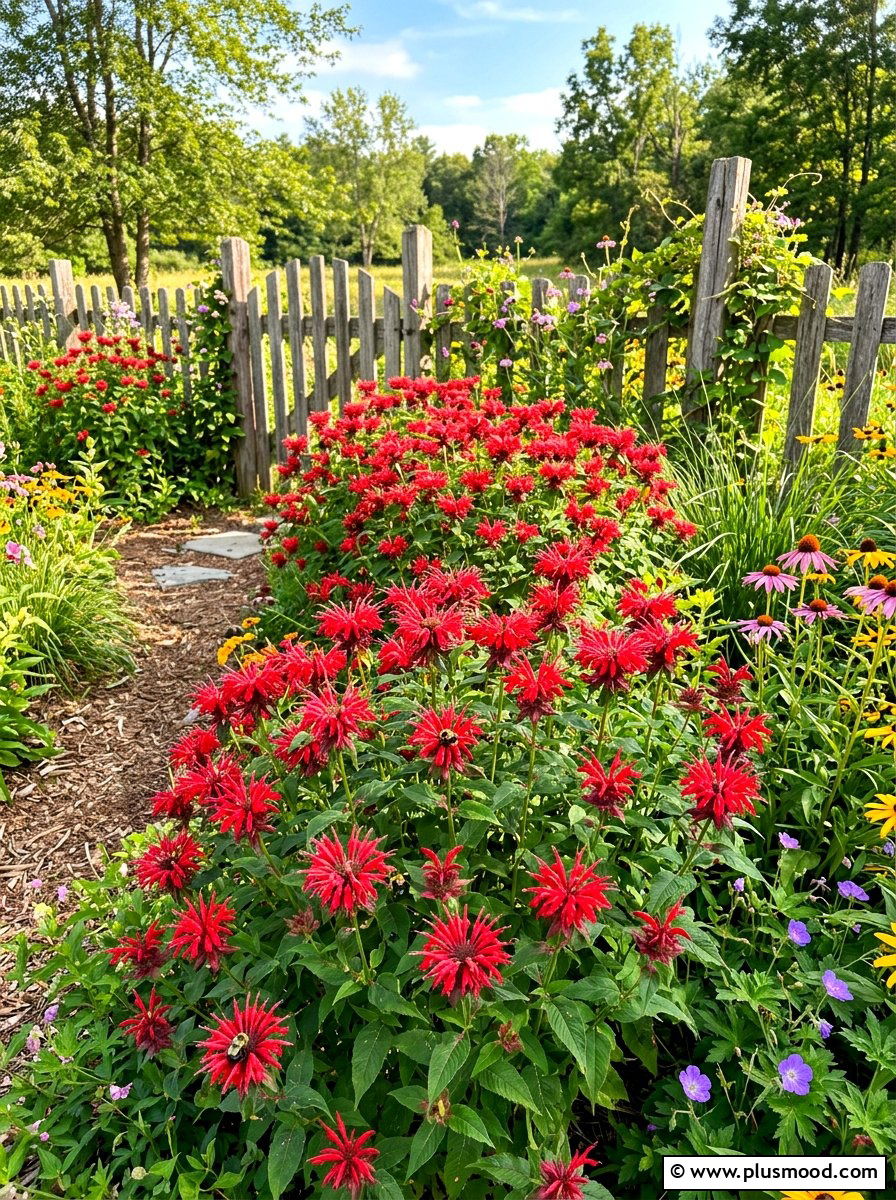
Establishing a dedicated area for native bee balm is a fantastic strategy for any summer bird garden. Also known as Monarda, this plant produces unique, shaggy flower heads that are absolutely packed with sweet nectar. Hummingbirds are naturally drawn to the vibrant red and pink hues of the petals. Because bee balm is a hardy perennial, it provides a reliable food source year after year with very little maintenance required. These plants thrive in full sun and prefer slightly moist soil, making them perfect for many backyard environments. Beyond attracting birds, bee balm also supports native bees and butterflies, creating a diverse and healthy ecosystem right outside your back door.
3. Hummingbird misting station
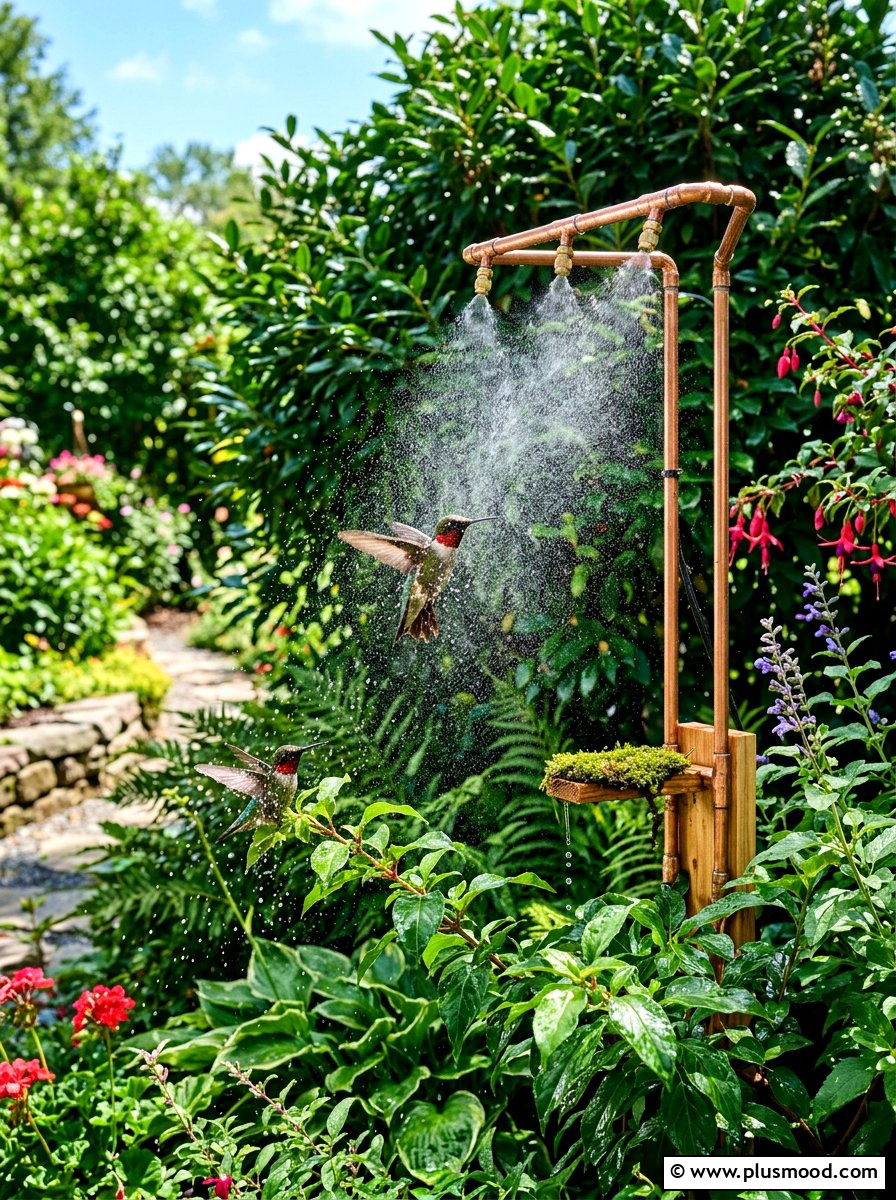
Adding a hummingbird misting station provides these energetic birds with a essential way to cool down and keep their feathers clean. Unlike larger birds, hummingbirds prefer a very fine mist rather than a deep pool of water. They will often fly through the spray or rub against wet leaves to bathe. You can easily set up a small mister near a leafy shrub or a favorite perching branch. This creates a gentle humid environment that mimics the natural tropical habitats they often inhabit. Watching them zip through the sparkling droplets is a magical experience. Placing the mister in a sunny spot also helps the birds dry off quickly after their refreshing bath.
4. Tiered pollinator garden beds
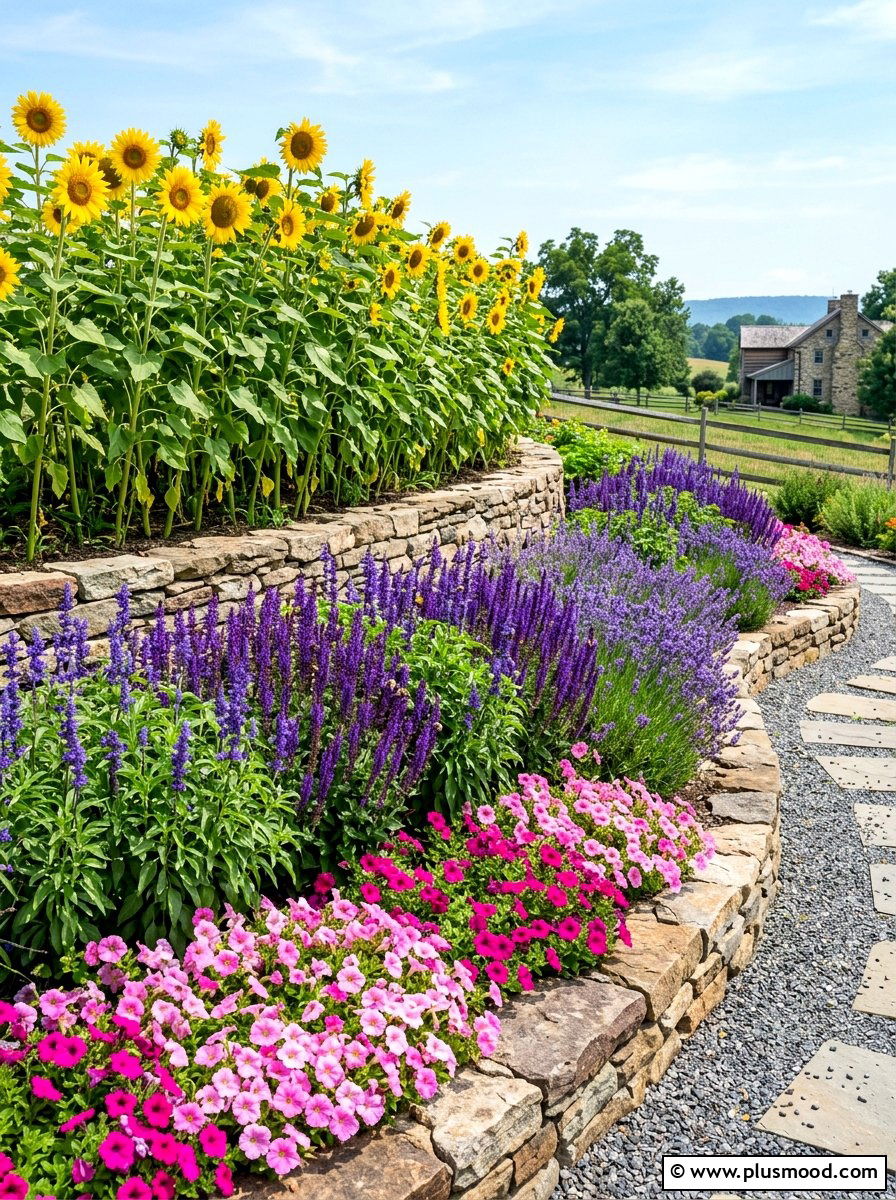
Designing tiered pollinator garden beds allows you to maximize your space while creating a visually stunning landscape. By layering plants of different heights, you create a "high-rise" of feeding opportunities for hummingbirds. Use tall sunflowers or trellised vines in the back, followed by mid-sized salvias, and finish with low-growing petunias in the front. This vertical arrangement makes it much easier for multiple birds to feed at once without feeling crowded or territorial. It also provides various levels of cover where they can hide from predators. A tiered approach ensures that every inch of your garden is productive and beautiful throughout the peak summer blooming season.
5. Trumpet vine garden trellis
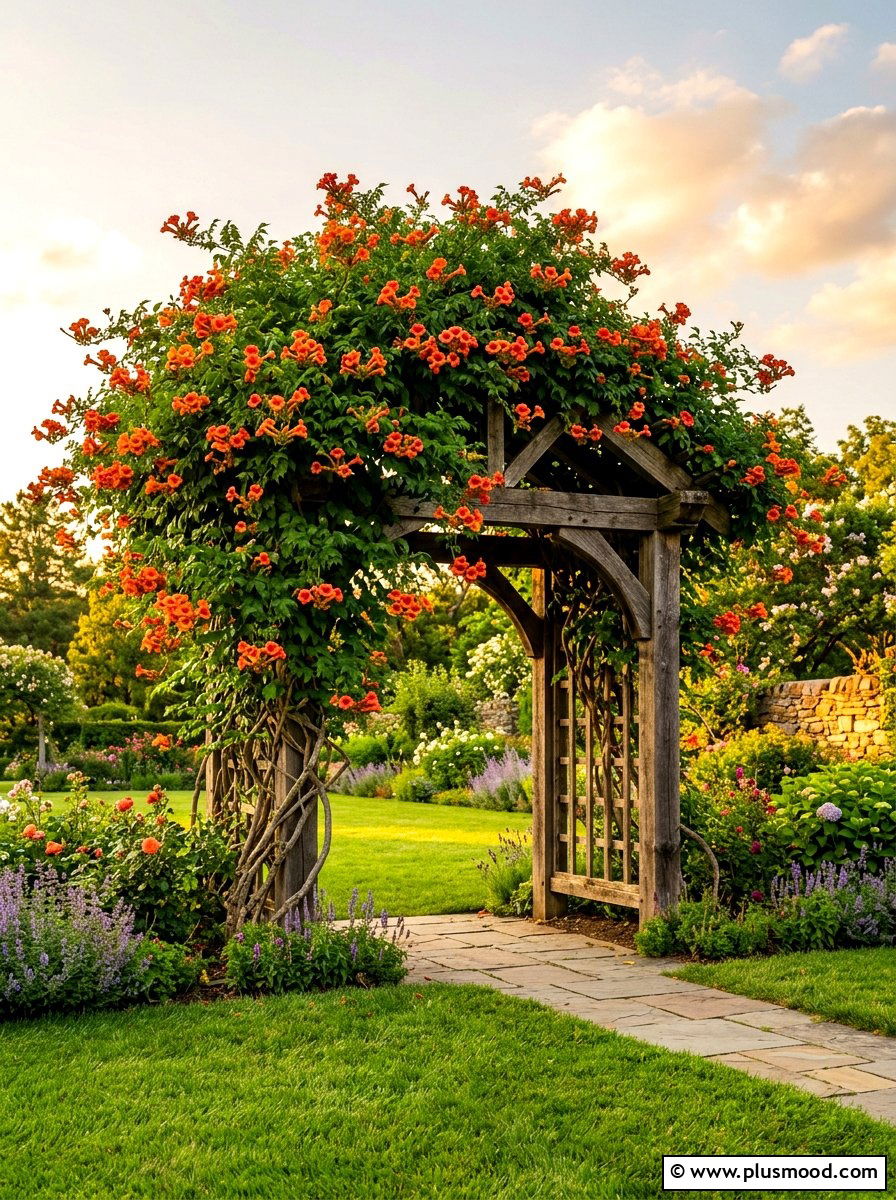
Installing a trumpet vine on a sturdy garden trellis is a classic way to invite hummingbirds into your yard. This vigorous climber produces massive clusters of bright orange or red trumpet-shaped flowers that are irresistible to pollinators. Because the vine grows vertically, it is an excellent choice for small yards or for adding height to a flat landscape. The dense foliage provides excellent nesting sites and protection from the wind. Be sure to choose a strong support structure, as these vines can become quite heavy over time. Once established, a flowering trellis becomes a focal point that provides a continuous nectar buffet from early summer through the first frost.
6. Hummingbird nesting materials
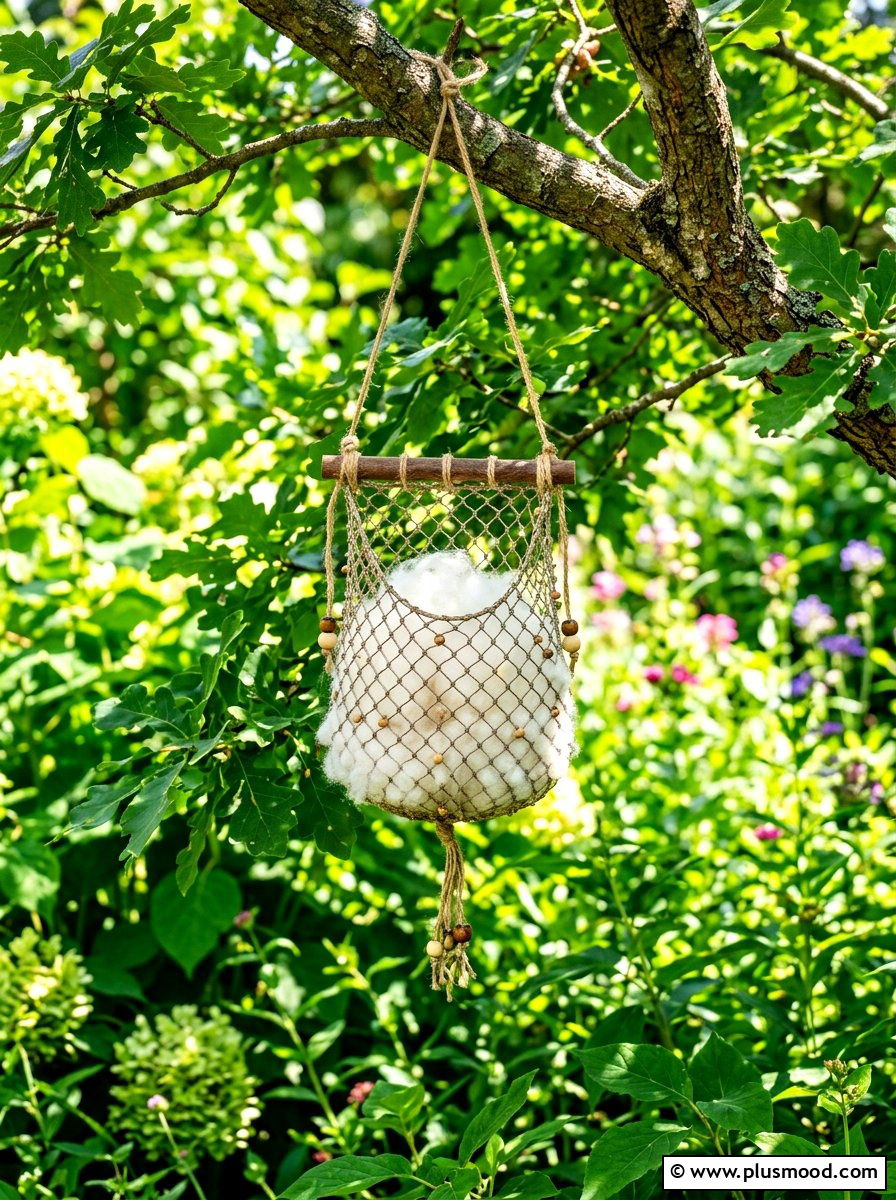
Providing specific hummingbird nesting materials can encourage these birds to raise their young right in your own backyard. Hummingbirds use a variety of soft fibers to build their tiny, cup-shaped nests, including spider webs, lichen, and plant down. You can help them by hanging a small mesh bag filled with raw cotton, dryer lint, or specialized nesting fibers. Avoid using any materials treated with chemicals or pesticides, as these can be harmful to the delicate chicks. Placing these stations near dense shrubs or trees gives the females easy access to building supplies. This thoughtful addition transforms your garden from a simple feeding stop into a true multi-generational sanctuary.
7. Butterfly bush landscaping
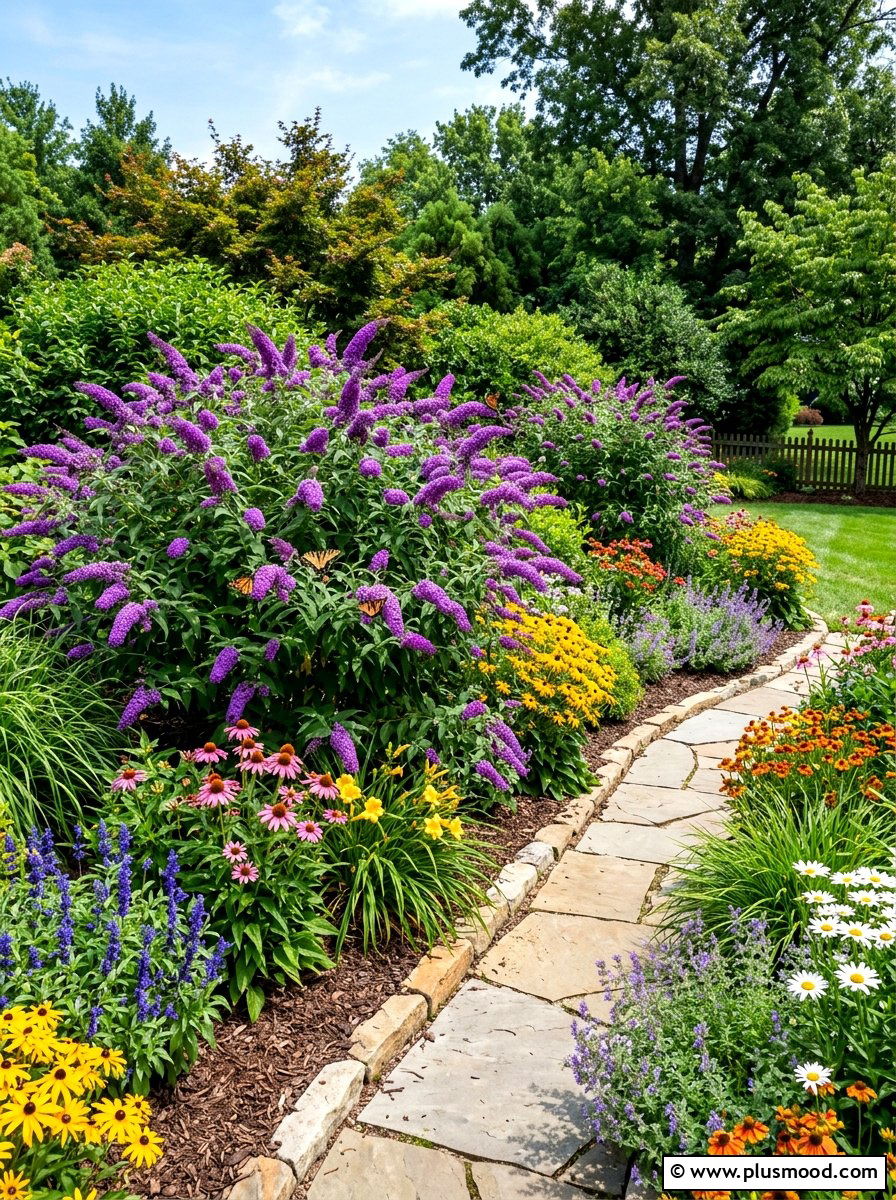
Integrating butterfly bush into your landscaping is a brilliant way to provide massive amounts of nectar in a single plant. These shrubs are famous for their long, conical flower spikes that bloom profusely during the hottest parts of the summer. While they are named for butterflies, hummingbirds are equally fond of the sweet-smelling blossoms. They come in a wide range of colors, from deep purple to bright red, allowing you to match them to your garden theme. To keep the birds coming back, remember to deadhead the spent flowers regularly. This practice encourages the plant to produce new blooms, extending the feeding season well into the late summer months.
8. Vertical hummingbird wall garden
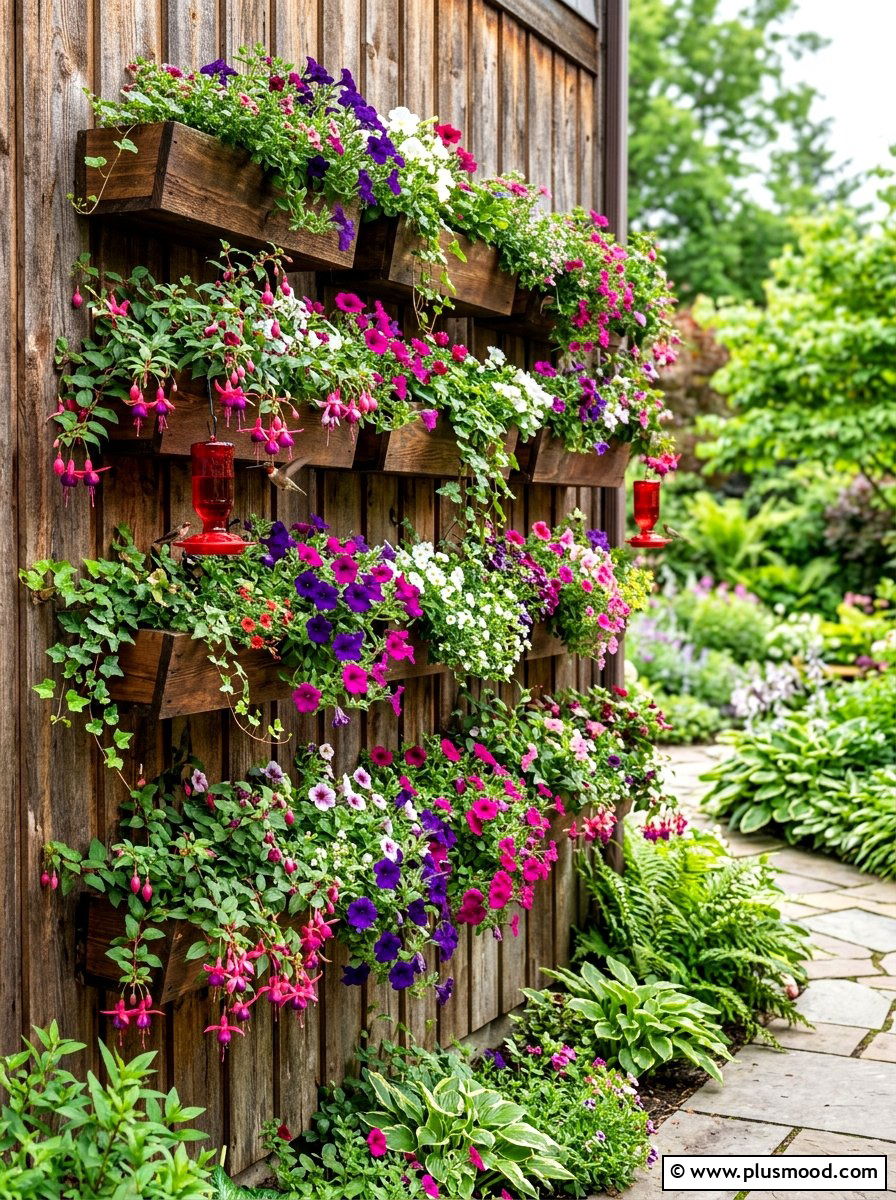
Creating a vertical hummingbird wall garden is a perfect solution for urban dwellers or those with limited ground space. You can use hanging pockets, wall-mounted planters, or a simple pallet garden to host a variety of nectar-rich annuals. Selecting plants like trailing fuchsias or vibrant petunias ensures a colorful display that drapes beautifully over the edges. This setup brings the flowers up to eye level, making it easier for you to observe the birds from a window or patio. A vertical garden also helps to dampen noise and provide a cool microclimate for the birds. It is an efficient and stylish way to turn a bare wall into a living oasis.
9. Shallow solar bird bath
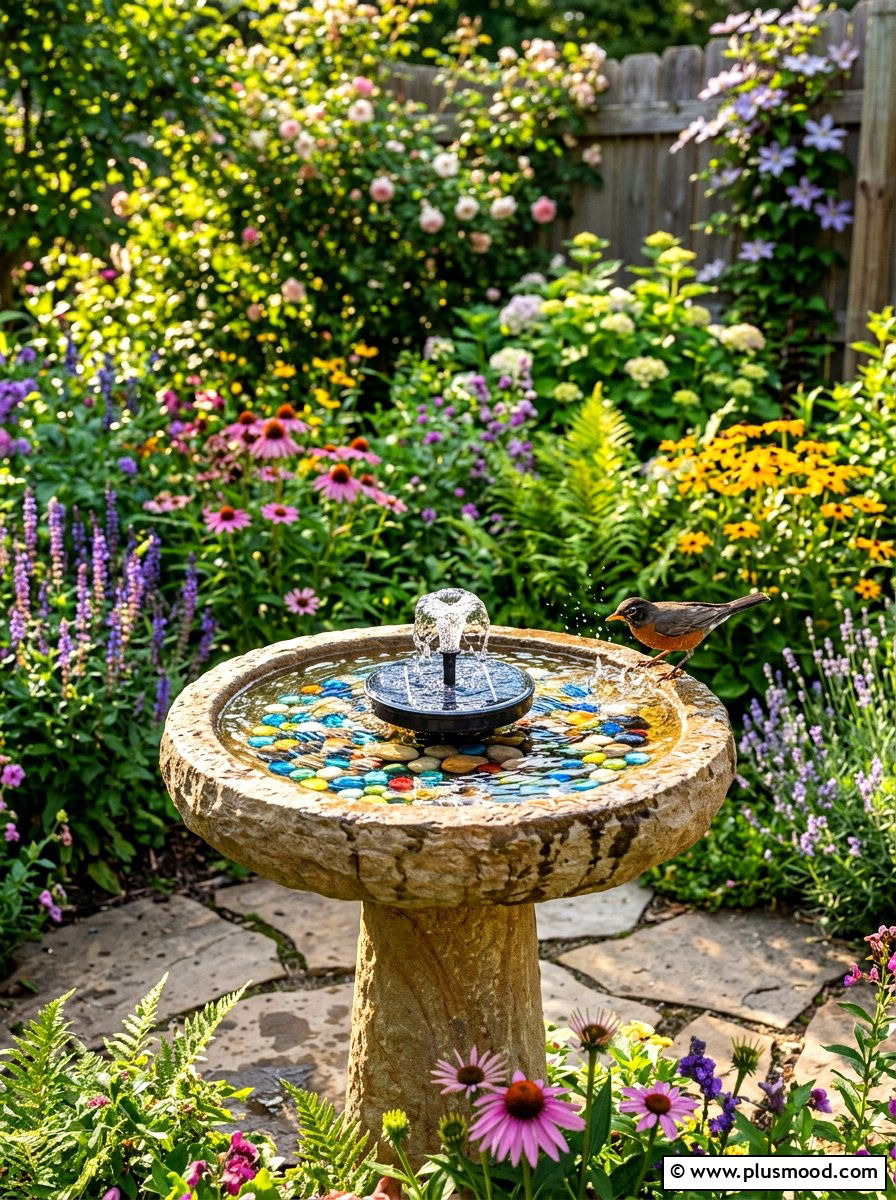
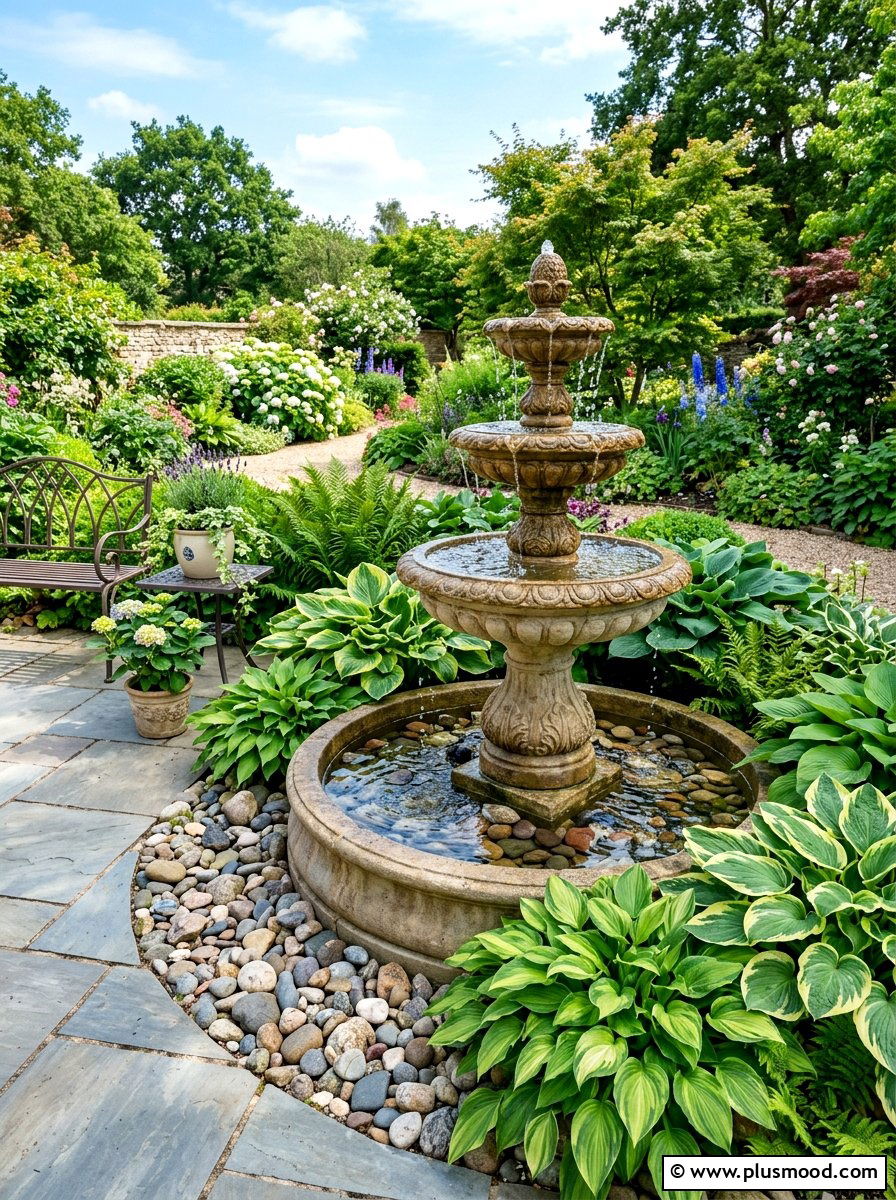
Using a shallow solar bird bath is an eco-friendly way to provide moving water for your feathered visitors. Hummingbirds are attracted to the sound and movement of water, which signals a fresh and safe place to drink. Solar-powered fountains are ideal because they require no wiring and activate automatically whenever the sun is shining. Ensure the basin is very shallow, perhaps only half an inch deep, or add flat stones for the birds to stand on. Moving water also prevents mosquitoes from breeding, which keeps your garden healthier for everyone. Placing the bath near bright flowers creates a complete destination that hummingbirds will visit several times a day.
10. Salvia hummingbird garden
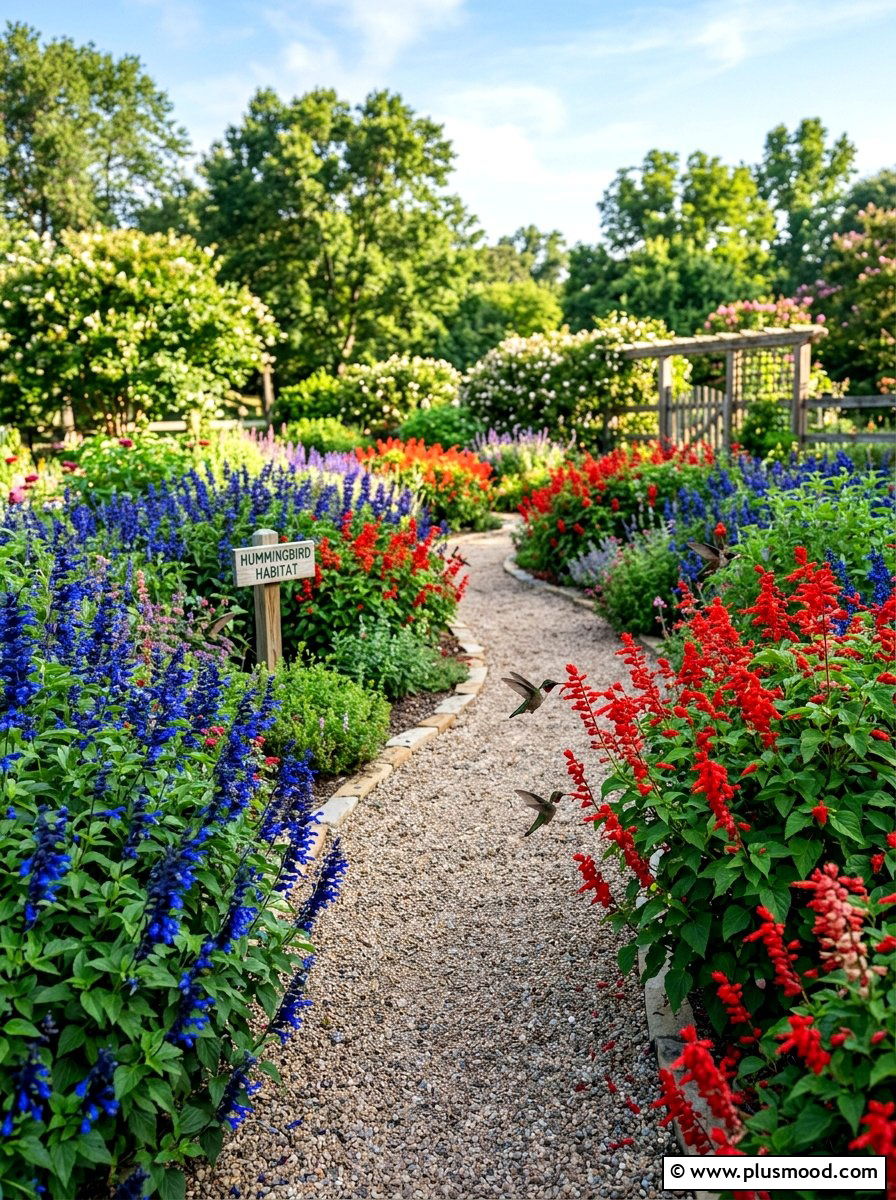
A dedicated salvia hummingbird garden is perhaps the most reliable way to ensure constant activity in your backyard. Salvias come in hundreds of varieties, and almost all of them are top-tier nectar producers. Options like "Black and Blue" or "Lady in Red" are specifically famous for their ability to attract hummers from long distances. These plants are generally heat-tolerant and drought-resistant, making them ideal for the intense summer sun. By planting several different types, you can ensure a variety of colors and bloom times. Their upright growth habit and numerous flower spikes allow multiple birds to feed simultaneously, reducing the frequency of territorial disputes in your garden.
11. Hummingbird shelter trees
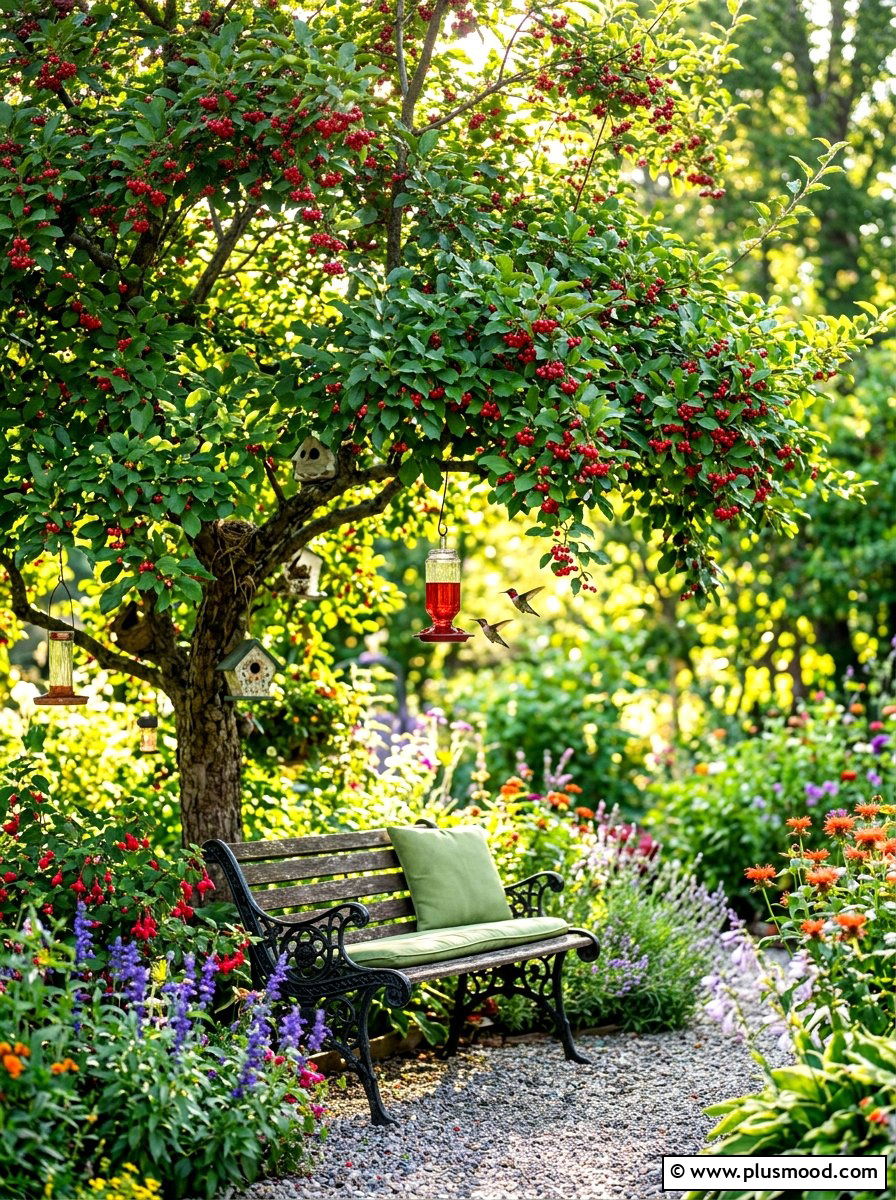
Planting hummingbird shelter trees provides the essential protection these tiny creatures need to rest and hide from predators. While they spend much of their time feeding, hummingbirds also need quiet spots to survey their territory. Small deciduous trees like crabapple or serviceberry offer the perfect branch structure for perching and nesting. These trees also attract small insects, which are a vital source of protein for hummingbirds. Having dense foliage nearby allows a bird to quickly dart into cover if a hawk or a cat appears. By including trees in your garden design, you create a more complete habitat that supports the full lifecycle of these amazing birds.
12. Wildflower pollinator meadow
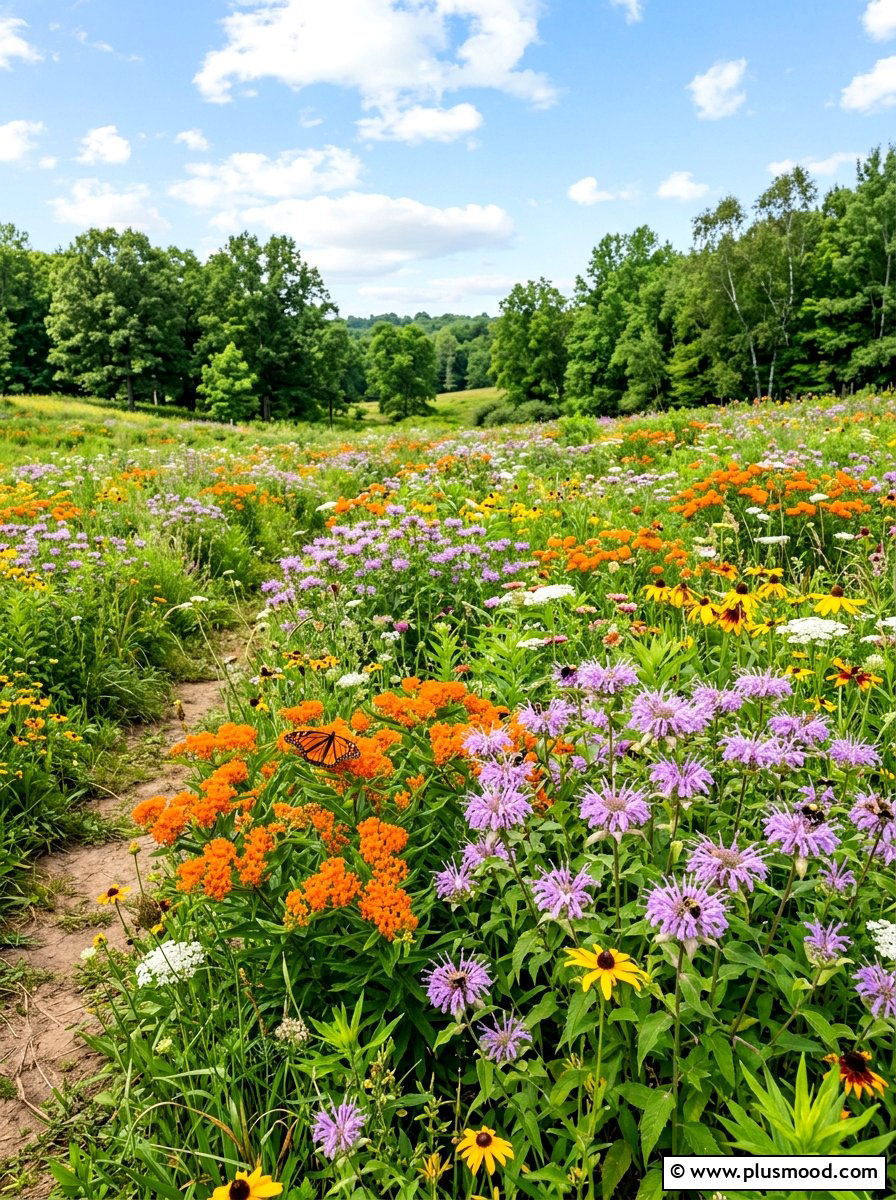
Converting a portion of your lawn into a wildflower pollinator meadow is a wonderful way to support local biodiversity. A meadow filled with native species like milkweed, coreopsis, and wild bergamot provides a diverse and abundant food source. Hummingbirds love the variety of flower shapes and sizes found in a natural meadow setting. This type of garden requires much less water and mowing than a traditional lawn, saving you time and resources. The dense growth also provides excellent habitat for the tiny insects that hummingbirds eat for energy. A flourishing meadow creates a soft, colorful carpet that looks beautiful while functioning as a high-energy fueling station.
13. Hummingbird feeder station
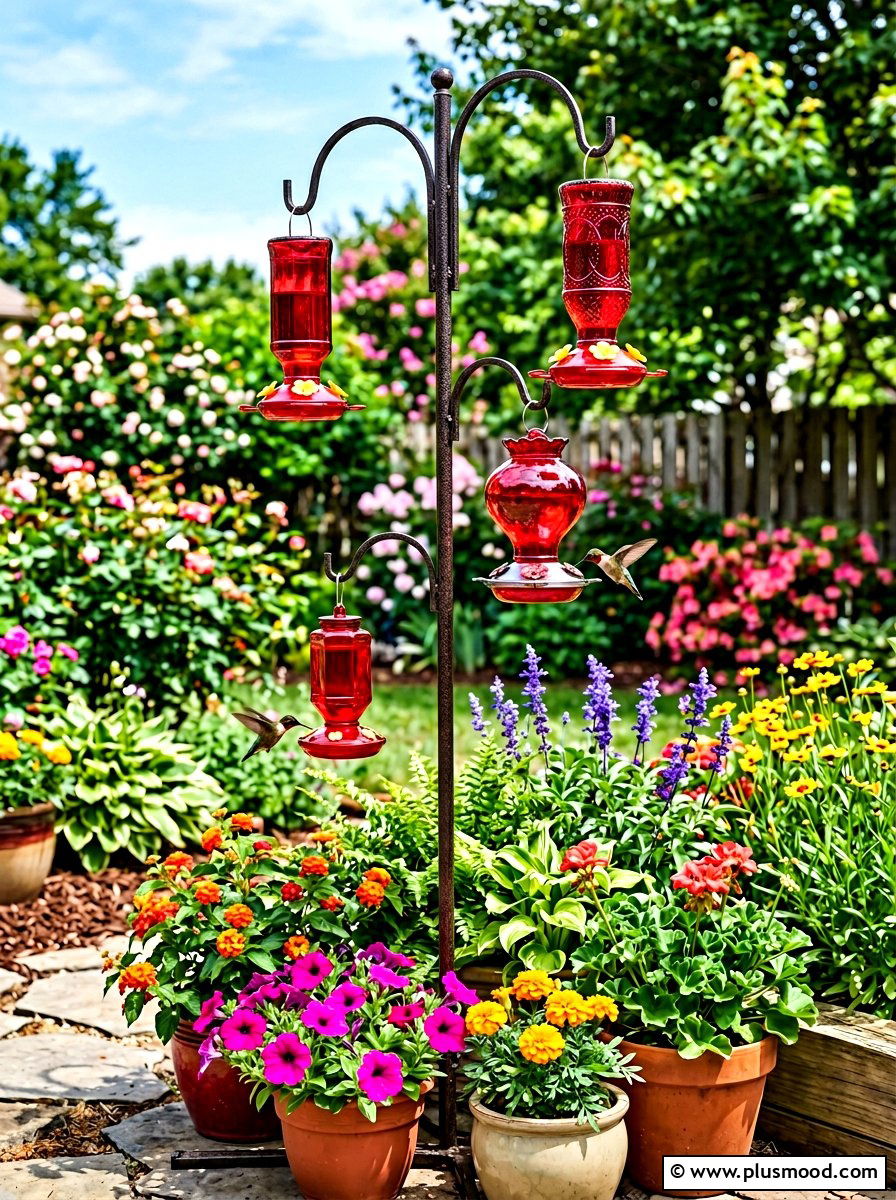
Setting up a dedicated hummingbird feeder station is a great way to supplement natural nectar sources during the peak of summer. Using a bright red feeder can help draw birds in, but ensure the nectar inside is a simple mixture of four parts water to one part white sugar. Never use red dye, honey, or artificial sweeteners, as these can be toxic to the birds. It is crucial to clean the feeders every few days to prevent mold and bacteria growth in the heat. Placing multiple feeders out of sight of one another helps reduce aggressive guarding behavior. This allows more birds to enjoy the supplemental food without constant fighting.
14. Red garden flower border
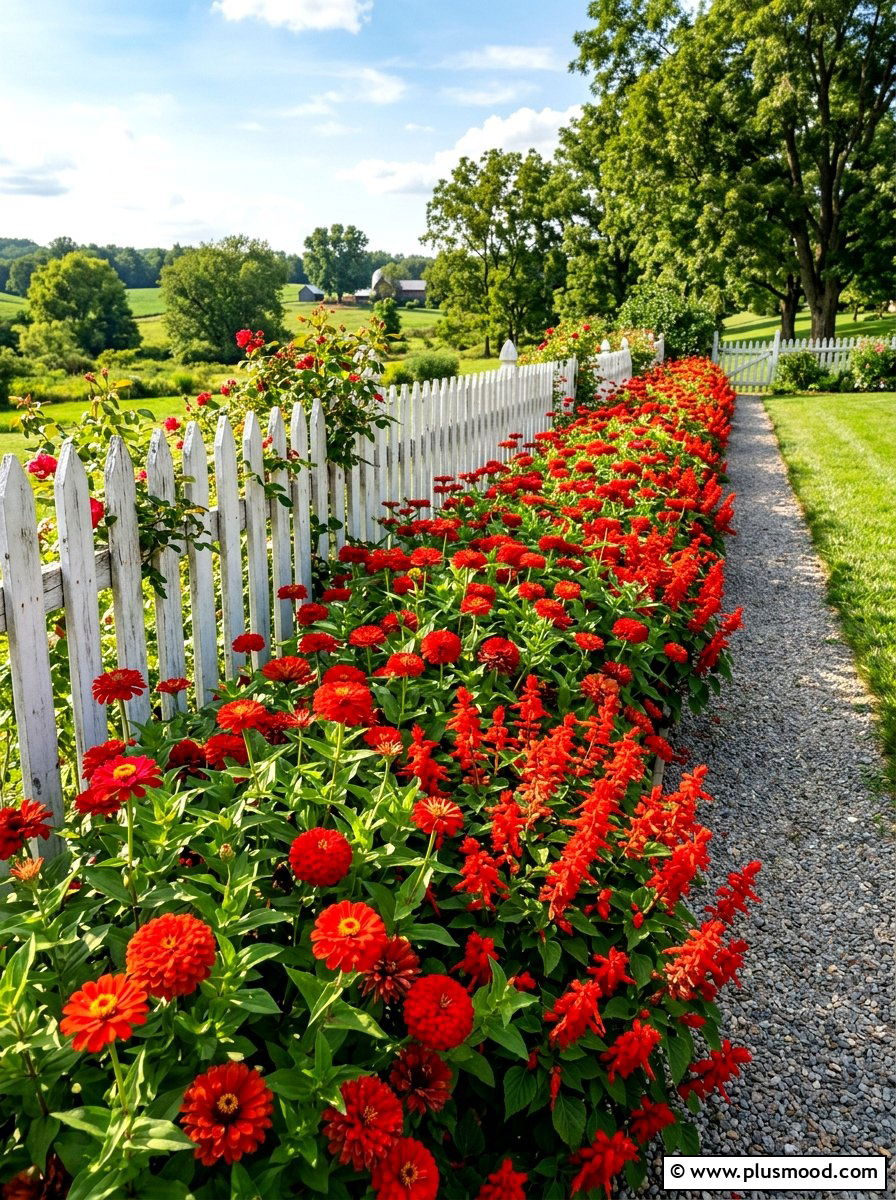
Designing a red garden flower border creates a visual "highway" that leads hummingbirds directly into your yard. By grouping red flowers together along a fence line or a walkway, you create a bold statement that is visible from a distance. Use a mix of perennials and annuals to ensure the border stays vibrant all summer long. Scarlet sage, red zinnias, and geraniums are all excellent choices for this type of high-impact planting. This concentrated blast of color acts as a natural beacon, signaling to migrating birds that a rich food source is available. A well-planned border adds structure to your landscape while serving a vital ecological purpose.
15. Perennial hummingbird garden
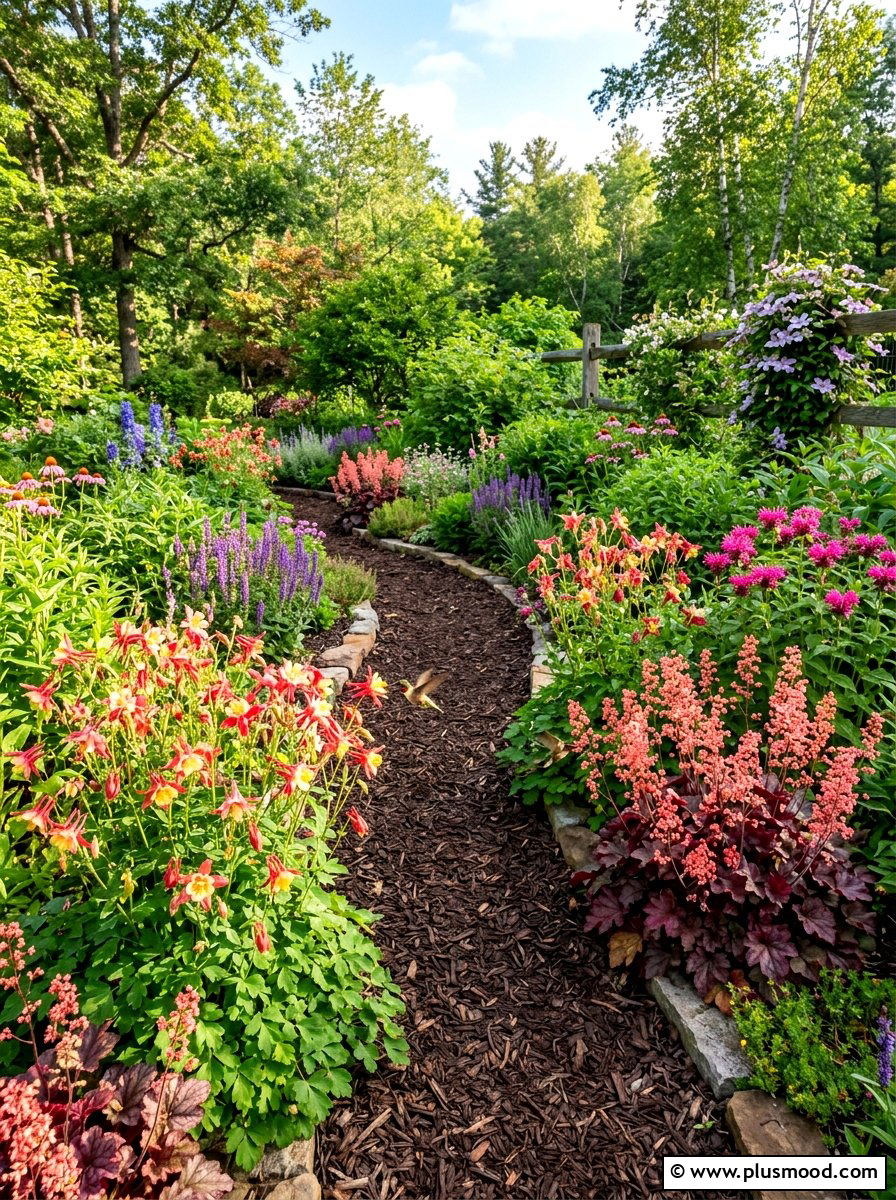
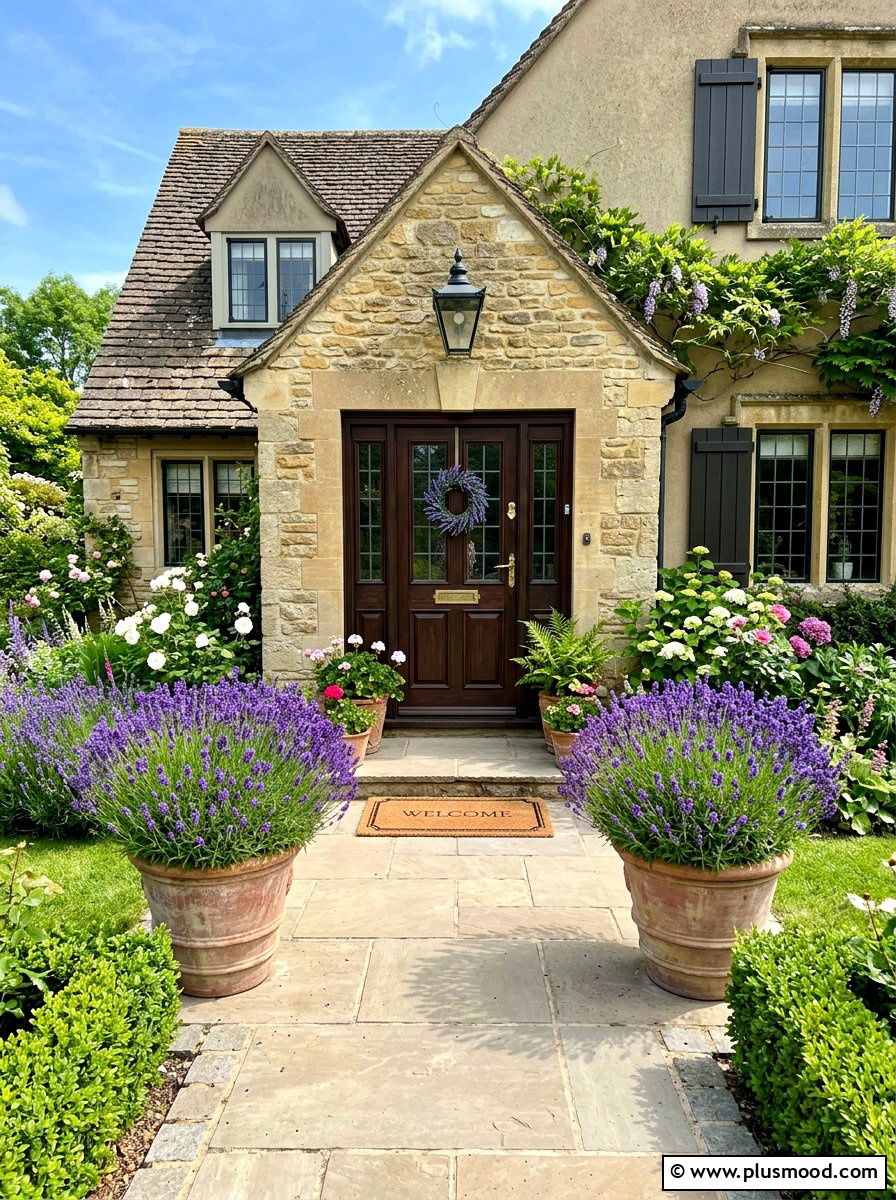
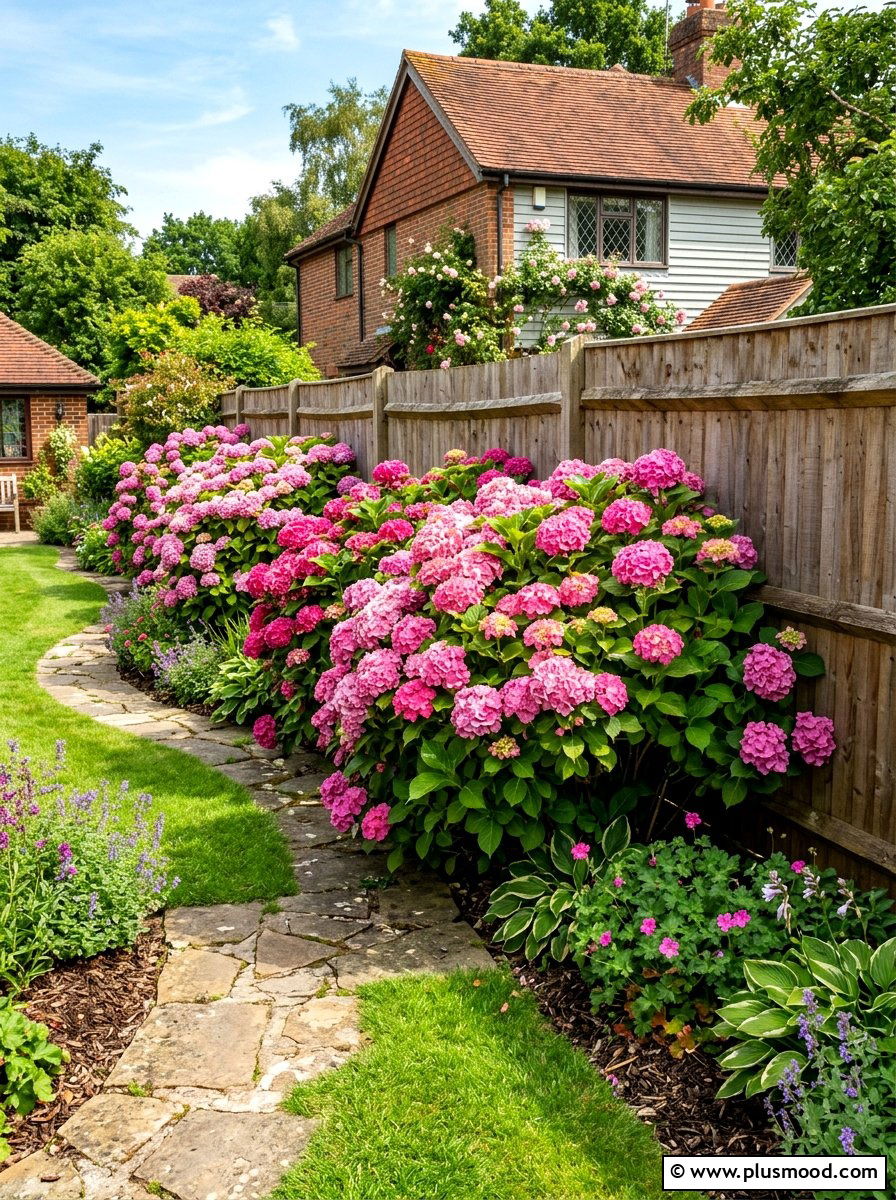
A perennial hummingbird garden is a long-term investment that gets better every single year. Choosing hardy plants like columbine, coral bells, and lupine ensures that your garden will wake up and start blooming as soon as the birds arrive in the spring. These plants have deep root systems that help them survive summer dry spells, providing a consistent food supply when annuals might struggle. Once established, perennials require less work and money than replanting every season. By selecting a mix of early, mid, and late-season bloomers, you can provide a continuous nectar flow that lasts until the birds begin their southward migration in the autumn months.
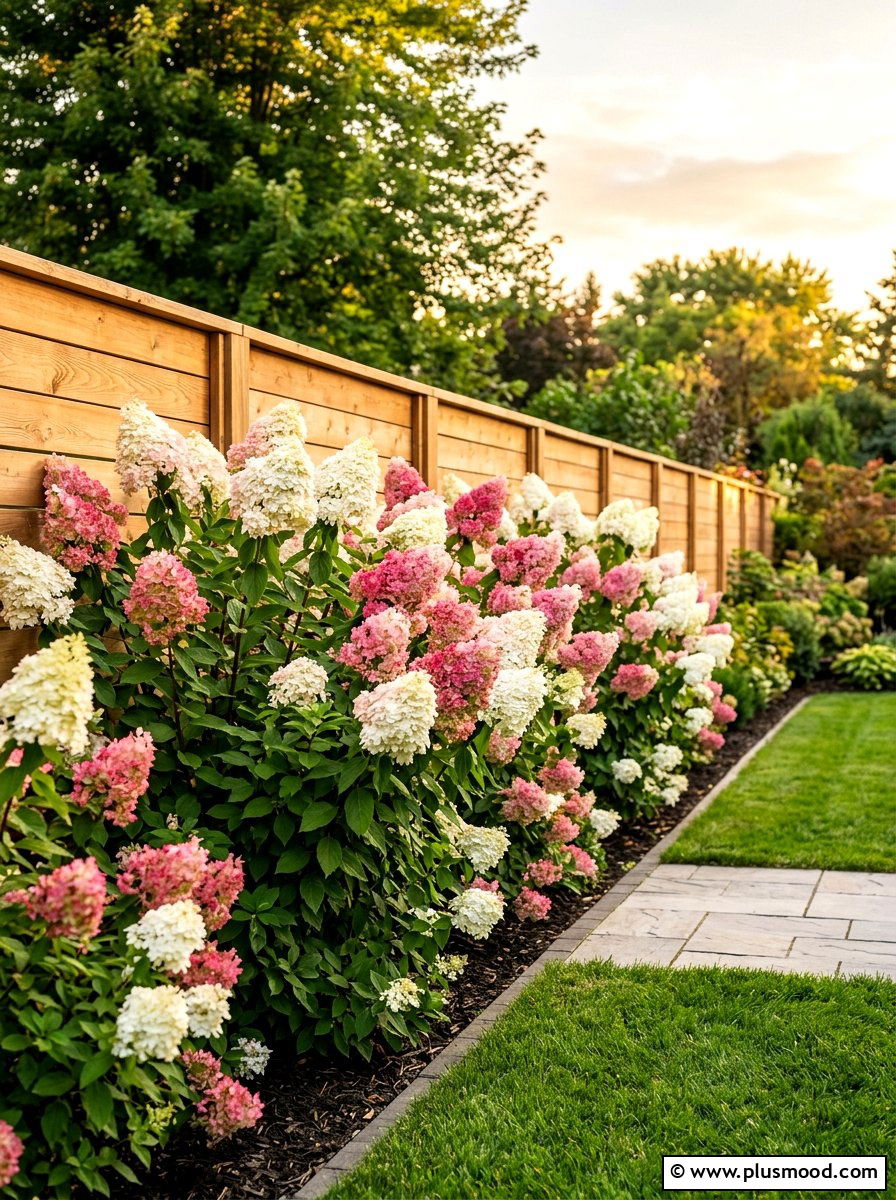
16. Container hummingbird garden
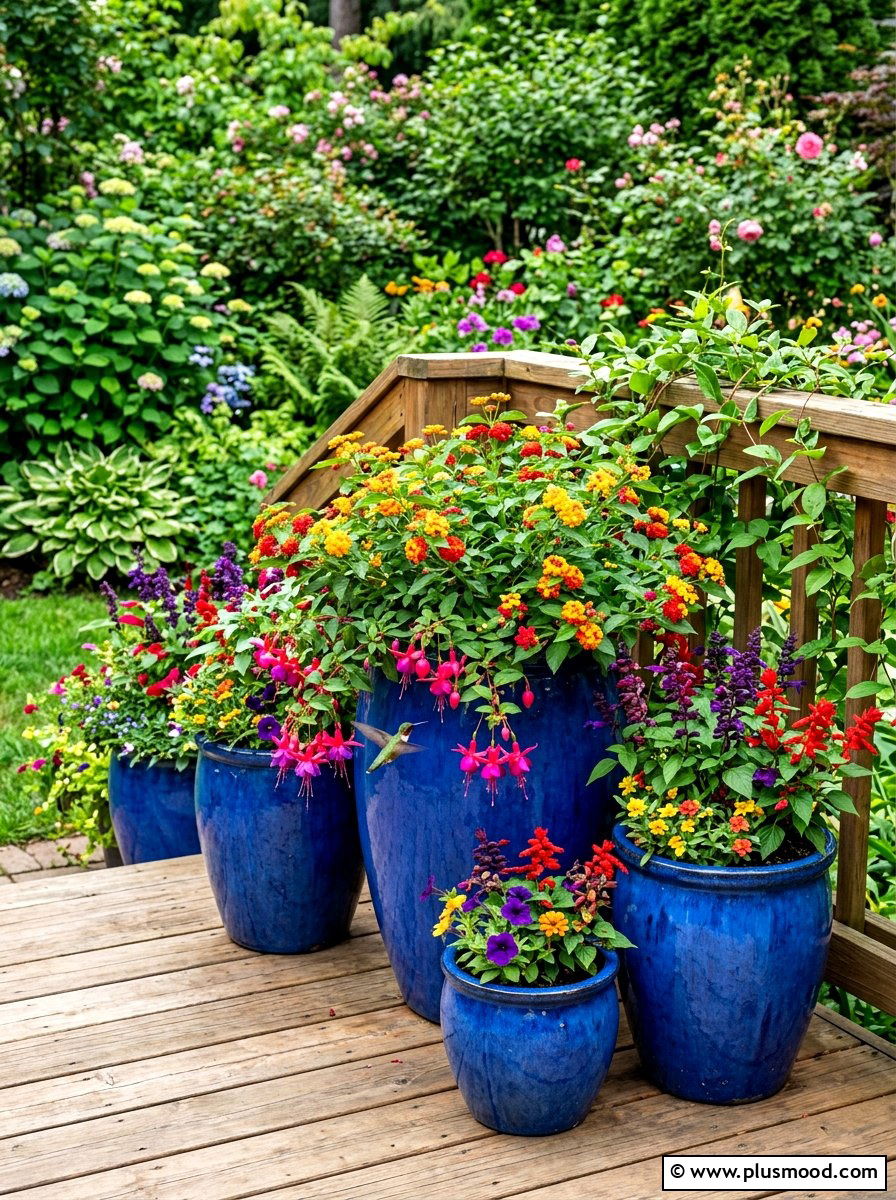
Creating a container hummingbird garden is an excellent way to bring nature closer to your living space. Large pots filled with nectar-rich plants like fuchsia, lantana, and million bells can be placed on decks, patios, or even balconies. Containers offer the flexibility to move your plants into the sun or shade as needed to keep them blooming at their best. They also allow you to control the soil quality and moisture levels more easily than in the ground. Using a variety of pot heights and styles adds visual interest to your outdoor decor. This approachable gardening method ensures that even those without a large yard can enjoy the beauty of hummingbirds.
17. Climbing honeysuckle vine
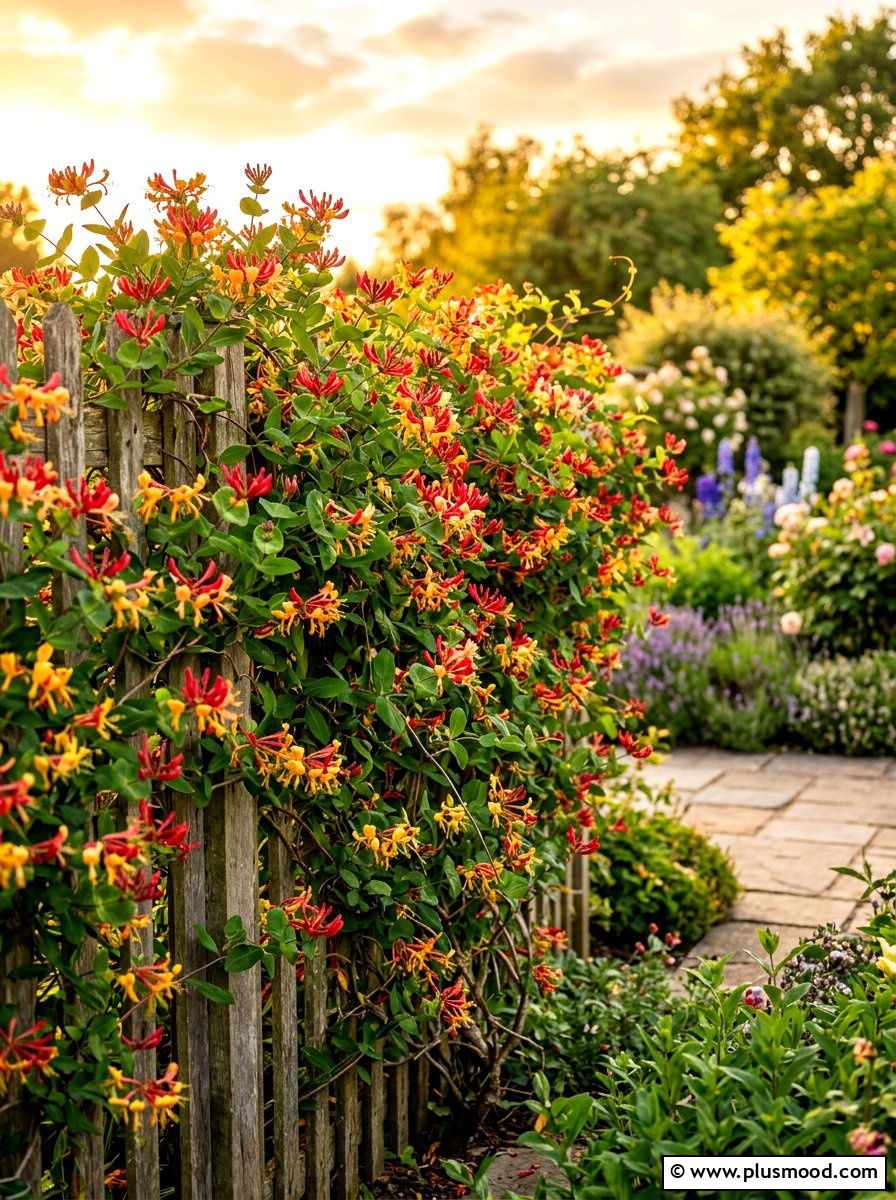
Training a climbing honeysuckle vine over an arbor or fence provides a massive vertical buffet for local hummingbirds. The long, tubular flowers of native honeysuckle are perfectly shaped for a hummingbird’s beak. Unlike some invasive varieties, native trumpet honeysuckle is well-behaved and provides high-quality nectar without taking over your entire garden. The sweet fragrance and bright colors make it a favorite for both humans and birds alike. The twining stems create a dense mass of foliage that offers excellent nesting opportunities and shelter from summer storms. This classic garden plant adds a touch of romantic charm while supporting the needs of your favorite feathered visitors.
18. Zinnia flower patch
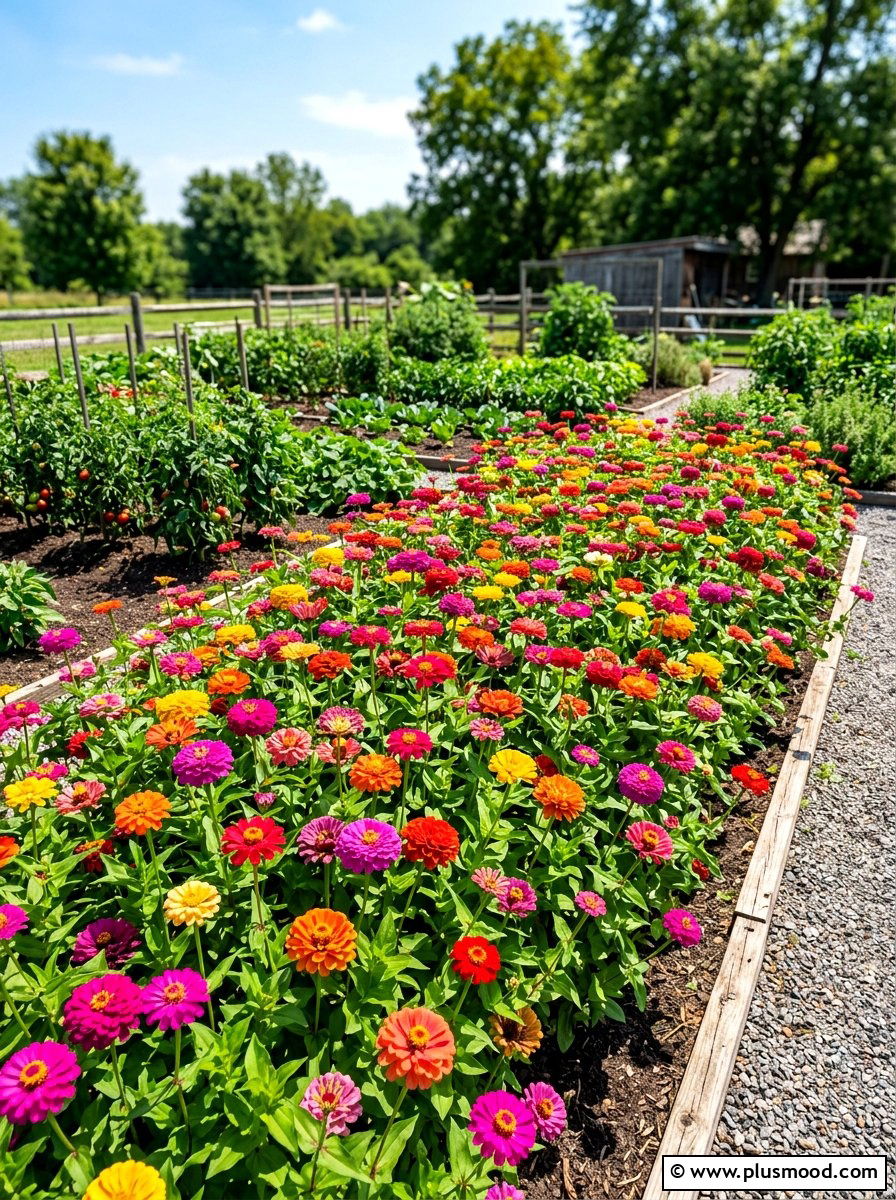
Planting a zinnia flower patch is one of the easiest and most colorful ways to attract hummingbirds all summer long. Zinnias are incredibly simple to grow from seed and come in a dazzling array of shapes and sizes. Their flat, open faces provide easy access to nectar for a wide variety of pollinators. Hummingbirds are particularly fond of the taller varieties with bright orange and red blossoms. Because zinnias bloom more the more you cut them, you can have beautiful indoor bouquets while still providing plenty of food outside. These cheerful annuals are heat-loving and will continue to produce flowers until the first frost hits your garden.
19. Fuchsia hanging basket display
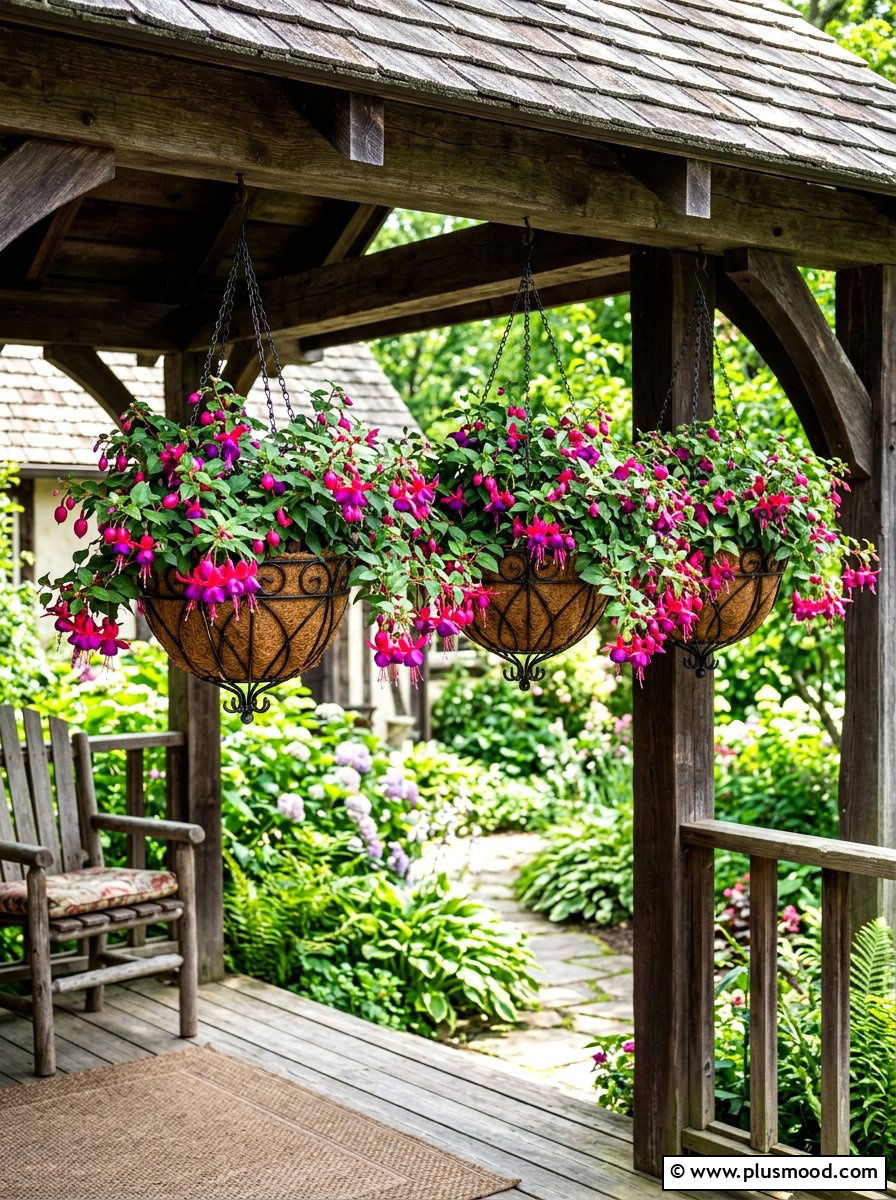
A fuchsia hanging basket display is a stunning way to add elegance and high-quality nectar to a shaded porch or patio. Fuchsias produce unique, drooping flowers that look like tiny dancers, and their tubular shape is a magnet for hummingbirds. These plants prefer cooler, dappled light and consistent moisture, making them perfect for areas that don't get full afternoon sun. By hanging the baskets at eye level, you create a perfect viewing opportunity to watch the birds hover and feed. The vibrant pink and purple tones contrast beautifully with green foliage. Regularly fertilizing your fuchsias will keep them blooming profusely throughout the entire summer season for your birds.
20. Cardinal flower garden
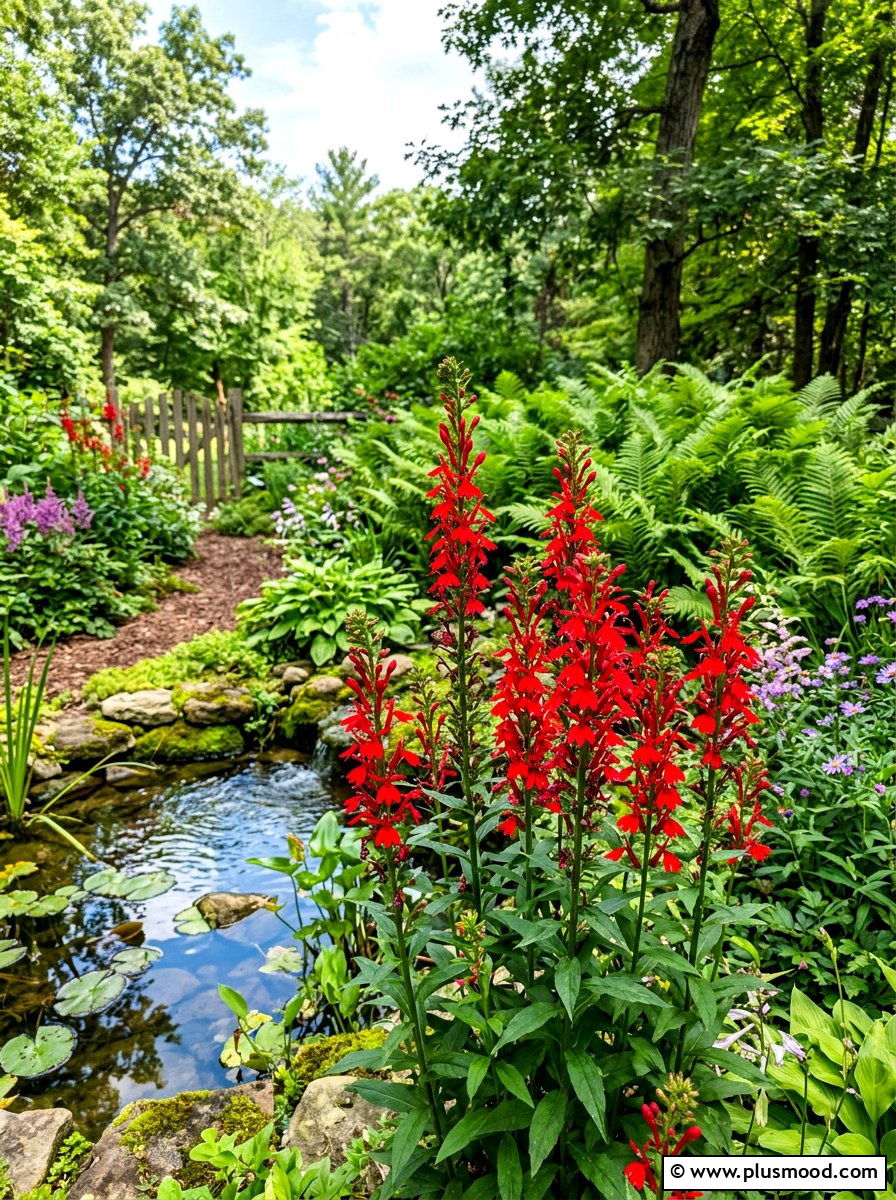
Growing a cardinal flower garden is a fantastic way to add intense color and vital nectar to moist or boggy areas of your yard. This native North American perennial produces tall spikes of the most vivid red flowers imaginable. Because it often grows near water in the wild, it is an excellent choice for rain gardens or near a pond feature. Hummingbirds are the primary pollinators for this plant, and they will travel long distances to find it. The flowers bloom in mid to late summer, providing a crucial energy boost just as the birds are preparing for migration. Its upright architectural form adds a striking vertical element to any landscape.
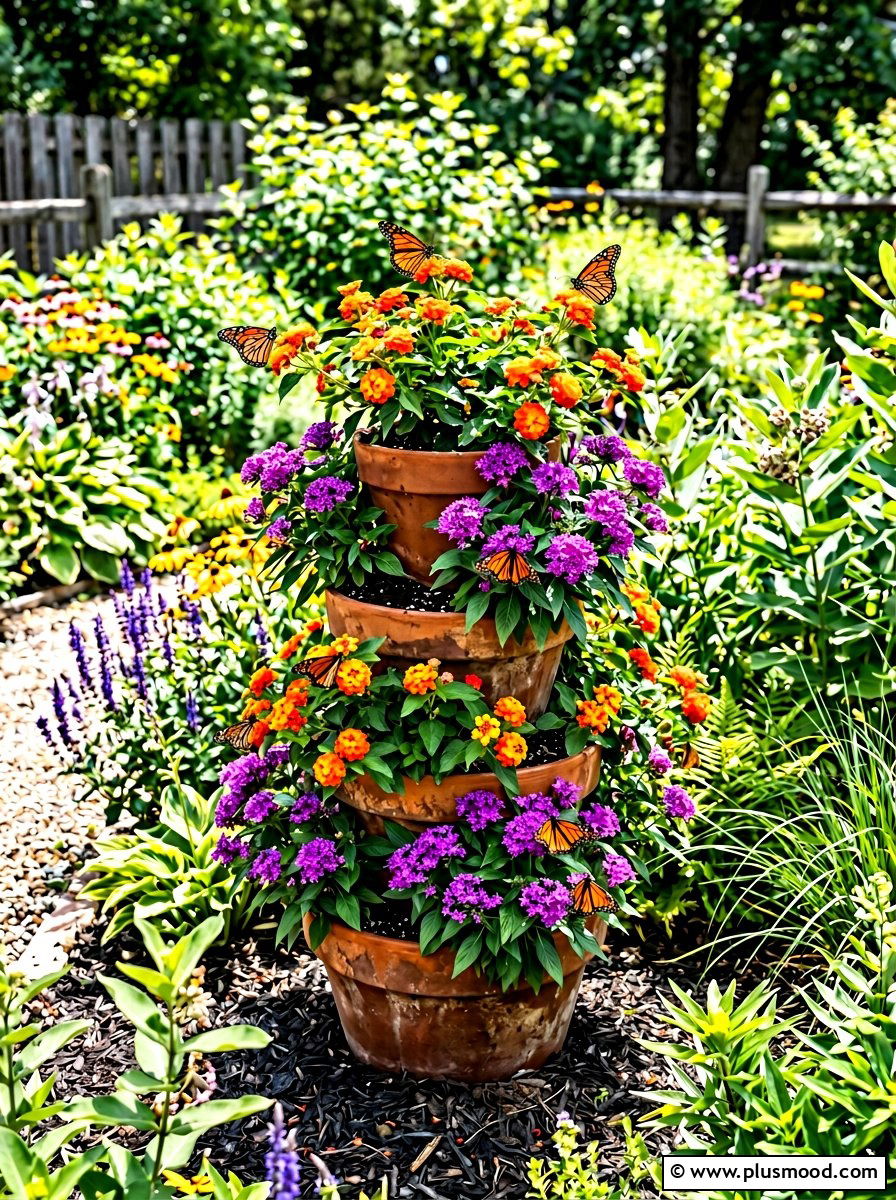
21. Hummingbird garden perches
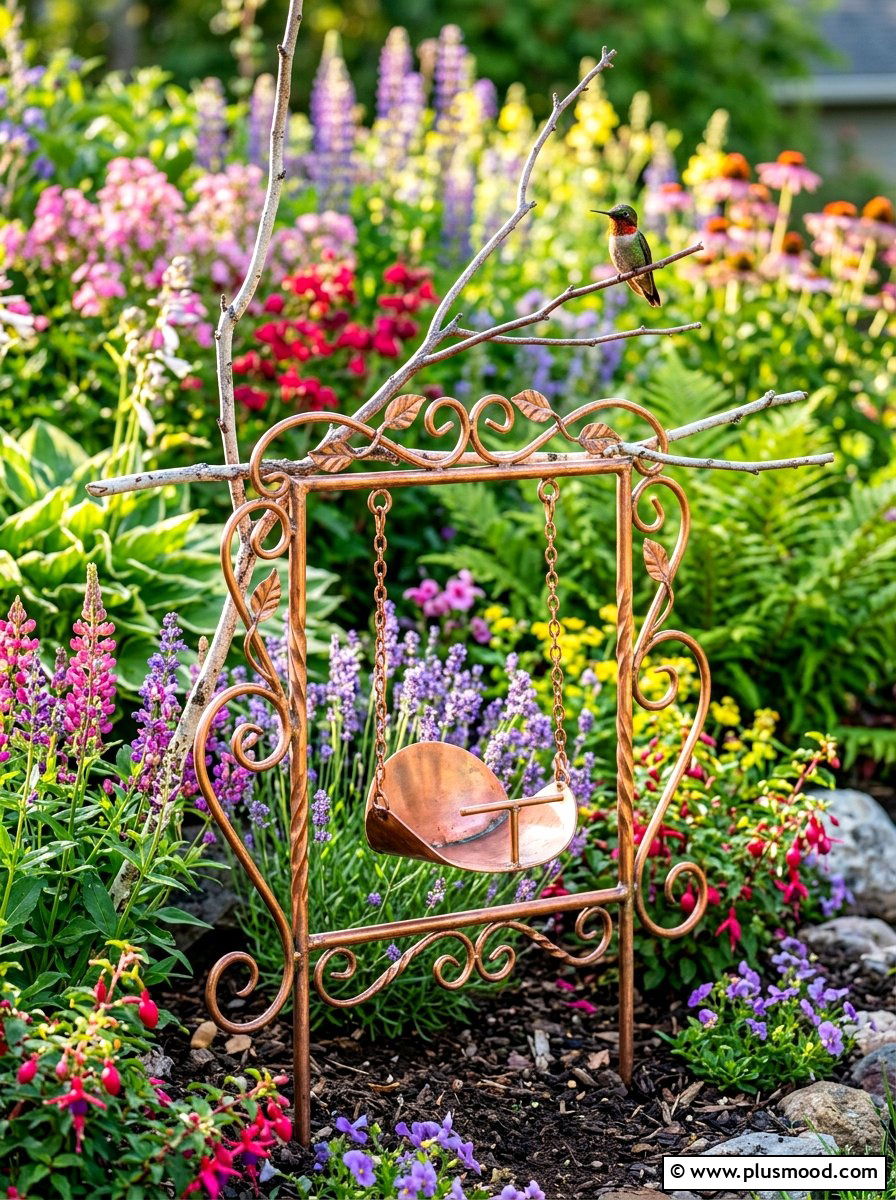
Installing hummingbird garden perches gives these high-energy birds a much-needed place to rest and survey their territory. Hummingbirds actually spend a significant portion of their day sitting on small branches rather than flying. You can provide natural perching spots by leaving a few dead twigs on your shrubs or by placing decorative branches in your flower beds. There are also small commercial "swings" available that birds love to use. Position these perches near feeders or favorite flowers, but make sure they are in a spot where the bird feels safe from cats or other predators. Providing a place to rest encourages the birds to stay in your yard longer.
22. Pesticide free pollinator garden
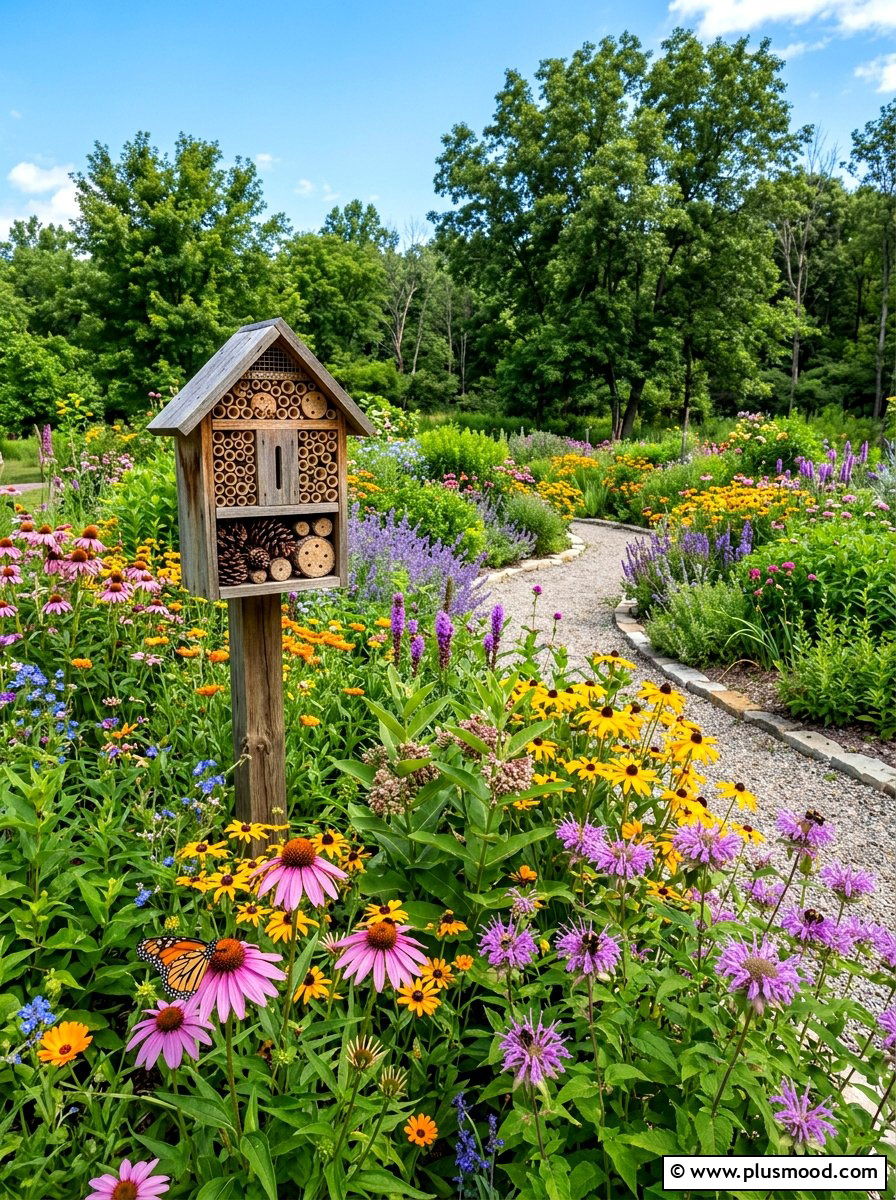
Maintaining a pesticide free pollinator garden is the most important step in protecting the health of your hummingbirds. These birds rely heavily on small insects and spiders for protein, especially when they are raising their young. Chemical sprays can kill these essential food sources and can be directly toxic to the birds themselves if they ingest contaminated nectar. Using natural methods like companion planting or physical barriers can help manage pests without harming the environment. A healthy, organic garden fosters a balanced ecosystem where beneficial insects can thrive. By avoiding harsh chemicals, you ensure that your backyard remains a safe and healthy sanctuary for all types of wildlife.
23. Lupine flower garden
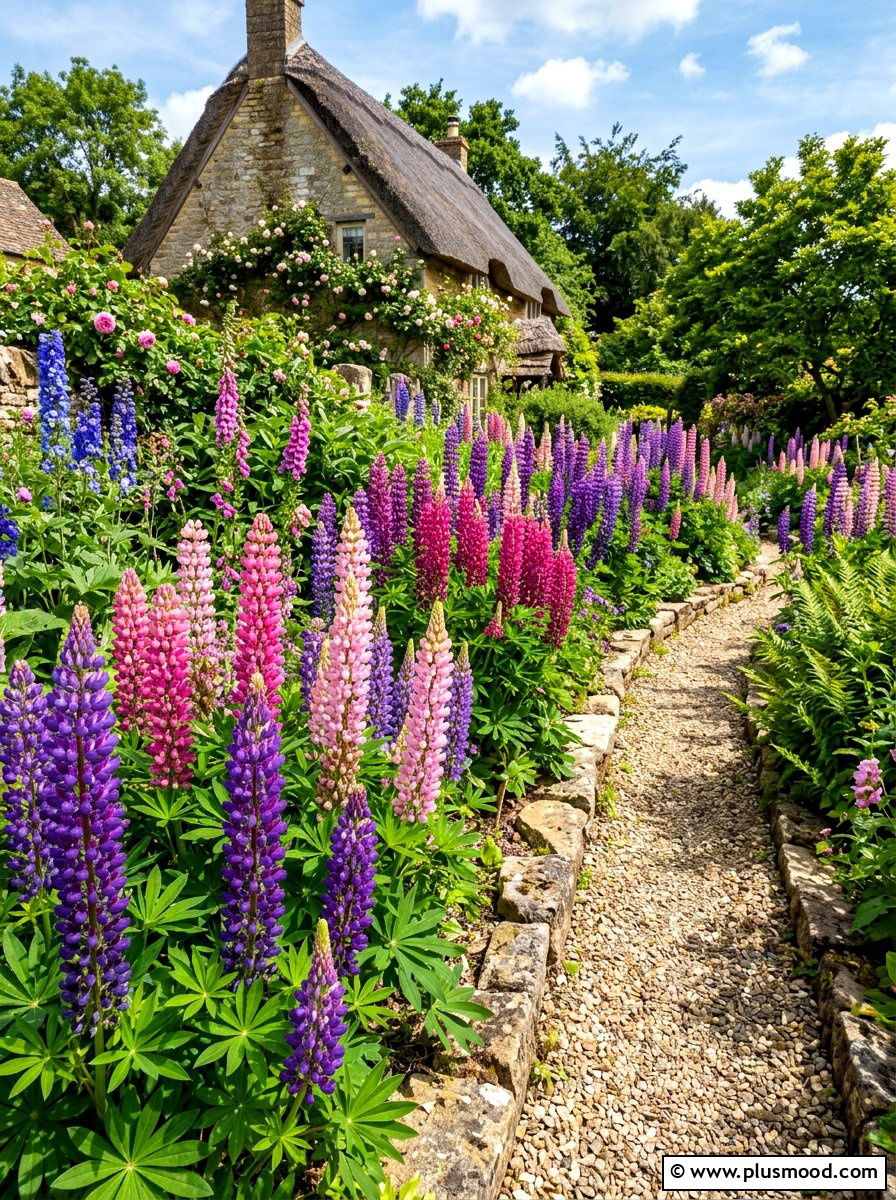
Starting a lupine flower garden adds a touch of wild, cottage-style beauty to your summer landscape. Lupines are famous for their tall, majestic spikes of pea-like flowers that come in various shades of blue, purple, and pink. Hummingbirds are drawn to these vertical towers of nectar and will zip from the bottom to the top of each spike. These perennials prefer well-drained soil and plenty of sunshine to produce their best blooms. Their unique foliage also adds interesting texture to the garden even when they are not in flower. Planting lupines in groups creates a powerful visual impact that is sure to attract a lot of pollinator activity.
24. Pentas for hummingbirds
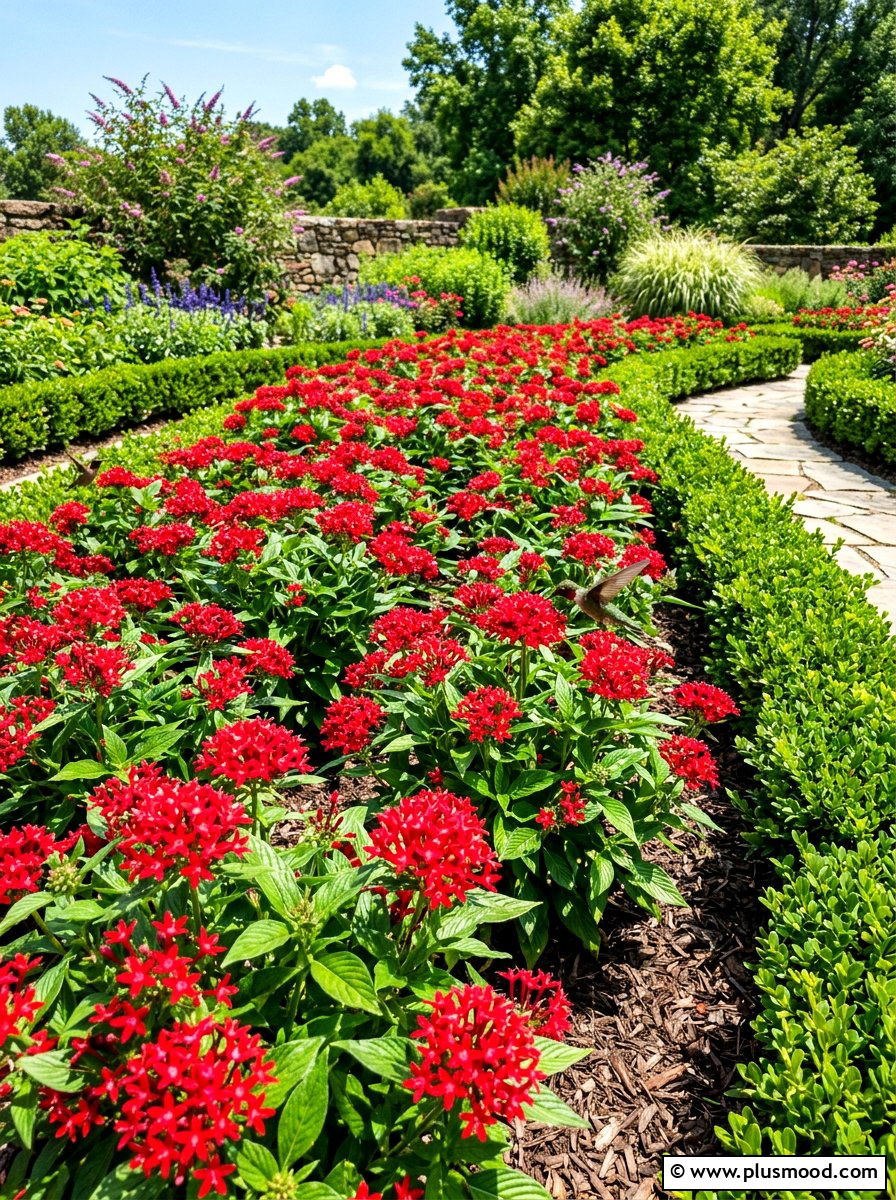
Using pentas for hummingbirds is a smart choice for gardeners in warm climates or those looking for reliable summer annuals. Also known as Egyptian star flowers, these plants produce dense clusters of small, star-shaped blossoms that are rich in nectar. They are incredibly heat-tolerant and will continue to bloom through the most intense summer humidity. Pentas are available in various heights, making them suitable for both the front of a border or the center of a container. Their bright red and pink varieties are particularly effective at catching a hummingbird's eye. These low-maintenance plants are a "set it and forget it" option that provides a constant food source.
25. Backyard hummingbird sanctuary
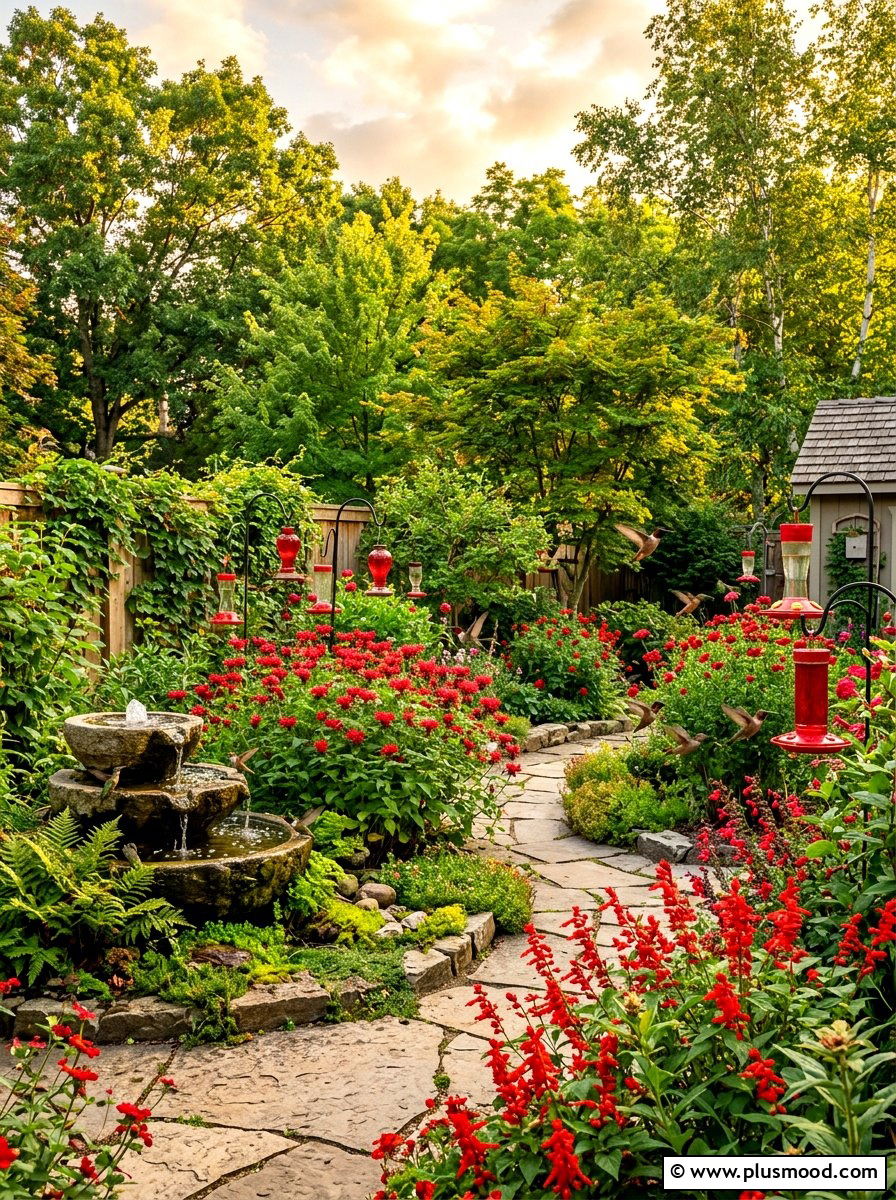
Designing a complete backyard hummingbird sanctuary involves combining all the essential elements of food, water, and shelter. A successful sanctuary offers a variety of bloom times so that nectar is available from early spring until late autumn. By including a mix of trees, shrubs, and flowers, you create a complex environment that supports nesting and protection. Adding water features and supplemental feeders ensures that every need of the bird is met within your property boundaries. This holistic approach not only attracts more hummingbirds but also makes your garden a more peaceful and beautiful place for you to enjoy. It is the ultimate goal for any dedicated nature lover.
Conclusion:
Creating a summer hummingbird garden is a joyful way to connect with nature and support local biodiversity. By focusing on vibrant red flowers, reliable water features, and safe nesting sites, you can transform your outdoor space into a thriving habitat. These small changes not only benefit the birds but also enhance the beauty and energy of your home environment. Whether you have a large backyard or a small balcony, there are many ways to welcome these amazing creatures. Watching a hummingbird hover in your garden is a peaceful reminder of the delicate balance of our ecosystem. Start your garden today and enjoy a summer filled with wings.
Related posts:
Leave a Reply