
Starting a summer vegetable garden brings a unique sense of joy and fulfillment to any homeowner. The warm sun and long days provide the perfect environment for growing fresh, crisp produce right in your own backyard. Whether you have a massive sprawling lawn or a tiny urban balcony, there are countless ways to design a functional and beautiful space. Planning your garden requires thinking about sunlight, soil quality, and how different plants work together to thrive. A well-organized garden not only feeds your family but also adds visual appeal to your outdoor living area. Discovering the right layout can transform your summer into a productive season of harvesting delicious, home-grown meals every single day.
1. Raised Bed Vegetable Garden
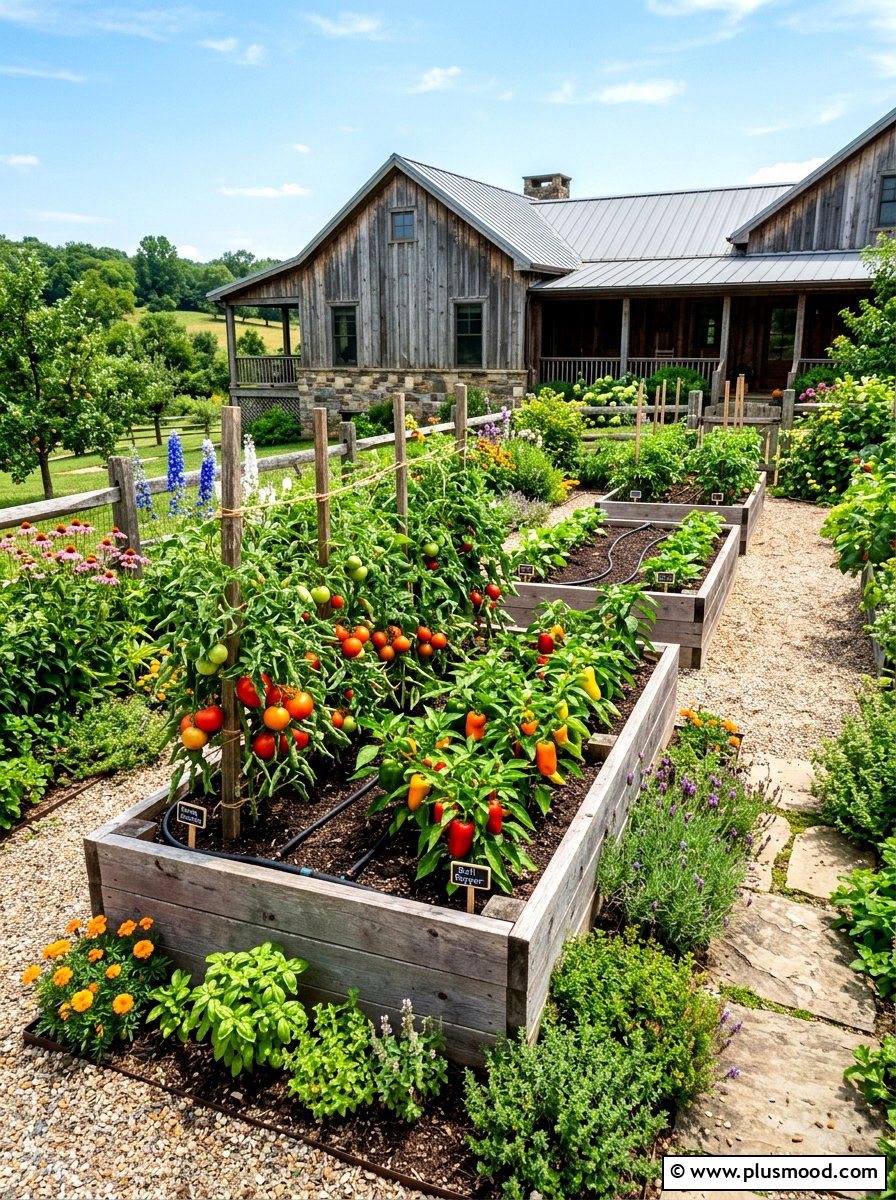
Creating a raised bed vegetable garden is a fantastic way to control your soil quality and drainage. These structures are typically made from cedar or redwood because these materials resist rot naturally. By elevating the plants, you reduce the strain on your back while weeding or harvesting throughout the summer. The defined borders also help keep invasive grass and weeds from creeping into your growing area. You can fill these beds with a high-quality mix of compost and topsoil to ensure your vegetables get the best start. This setup works perfectly for growing tomatoes, peppers, and various summer squashes in a clean and organized manner.
2. Vertical Trellis Vegetable Garden
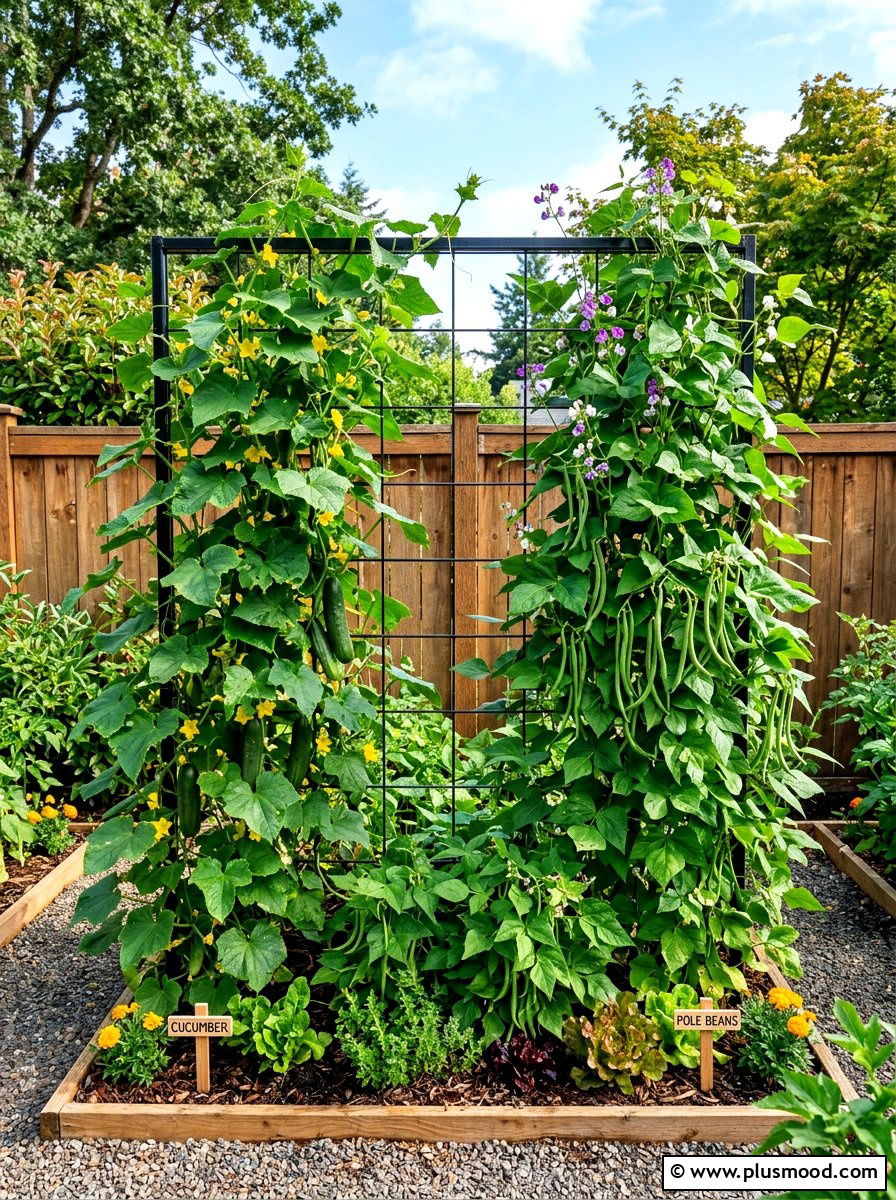
A vertical trellis vegetable garden is the ultimate solution for gardeners with limited ground space. By encouraging plants like cucumbers, pole beans, and small melons to grow upward, you free up the soil for other crops. Heavy-duty cattle panels or simple wooden frames can provide the necessary support for climbing vines. This method also improves air circulation around the foliage, which significantly reduces the risk of fungal diseases. Harvesting becomes much easier when the fruit is hanging at eye level instead of hiding under large leaves on the ground. It creates a lush, green wall that looks stunning in any backyard setting.
3. Container Vegetable Garden
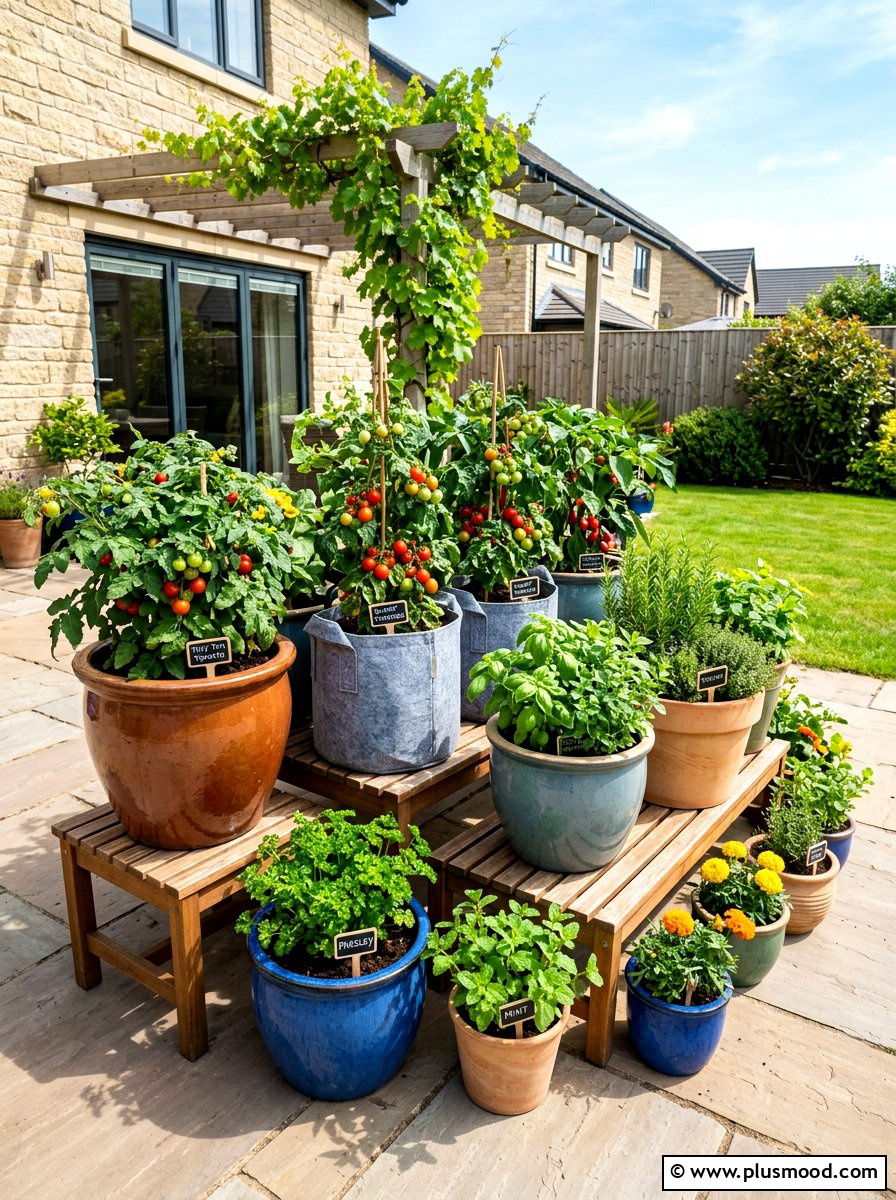
A container vegetable garden offers incredible flexibility for those living in apartments or homes with small patios. You can use large ceramic pots, fabric grow bags, or wooden barrels to house your favorite summer vegetables. The mobility of containers allows you to move plants into the sun or shade as the temperatures fluctuate. Many modern vegetable varieties are specifically bred to thrive in confined spaces, such as patio tomatoes or dwarf peppers. Just ensure your pots have adequate drainage holes to prevent waterlogged roots during heavy summer rainstorms. This style is perfect for beginners who want to start small and manageable this year.
4. Companion Planting Garden Layout
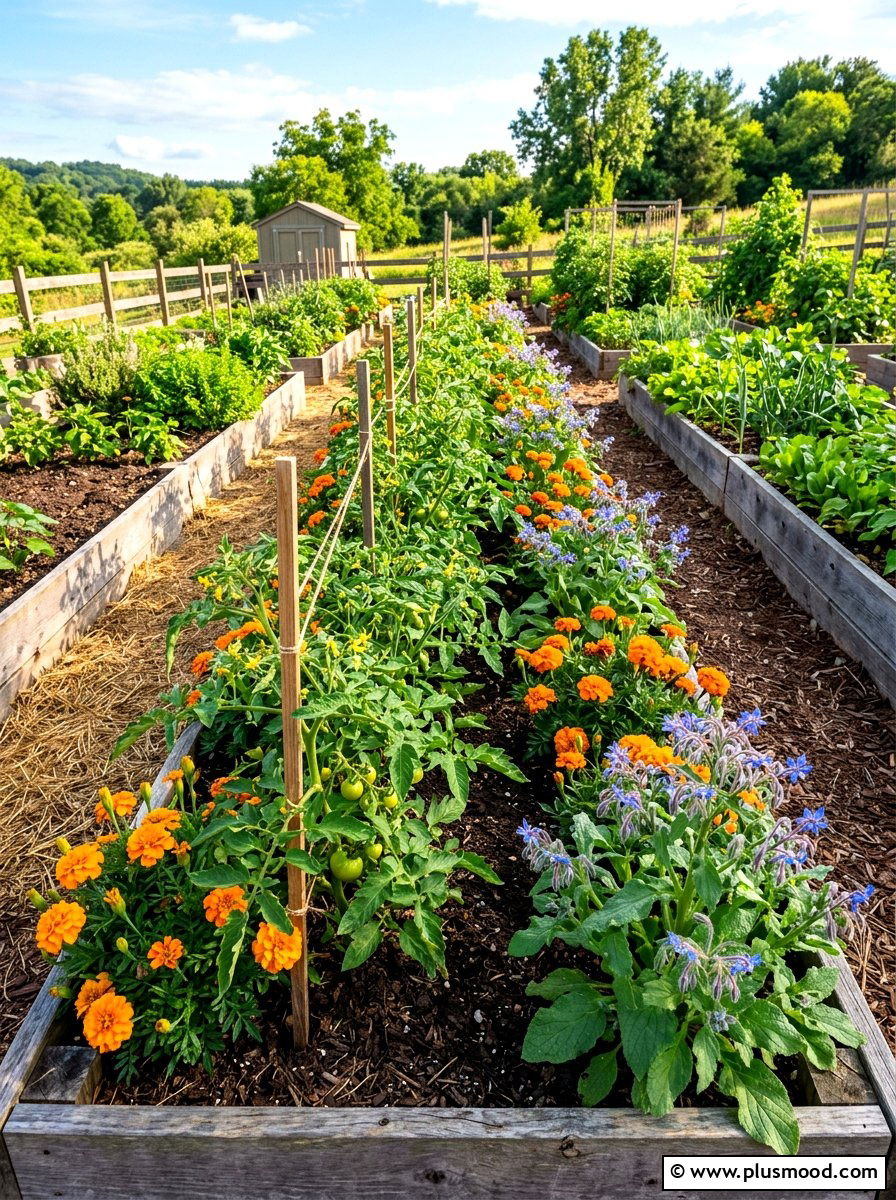
Designing a companion planting garden layout involves placing specific plants together to help each other thrive naturally. For example, planting marigolds near your tomatoes can help deter harmful pests while attracting beneficial pollinators. Nasturtiums are another great addition because they act as a trap crop for aphids, keeping them away from your precious vegetables. This method mimics a natural ecosystem and reduces the need for chemical fertilizers or pesticides. You can create beautiful, colorful beds where flowers and vegetables coexist in perfect harmony. It is a smart way to maximize your harvest while keeping your garden healthy and vibrant all summer.
5. Kitchen Potager Garden
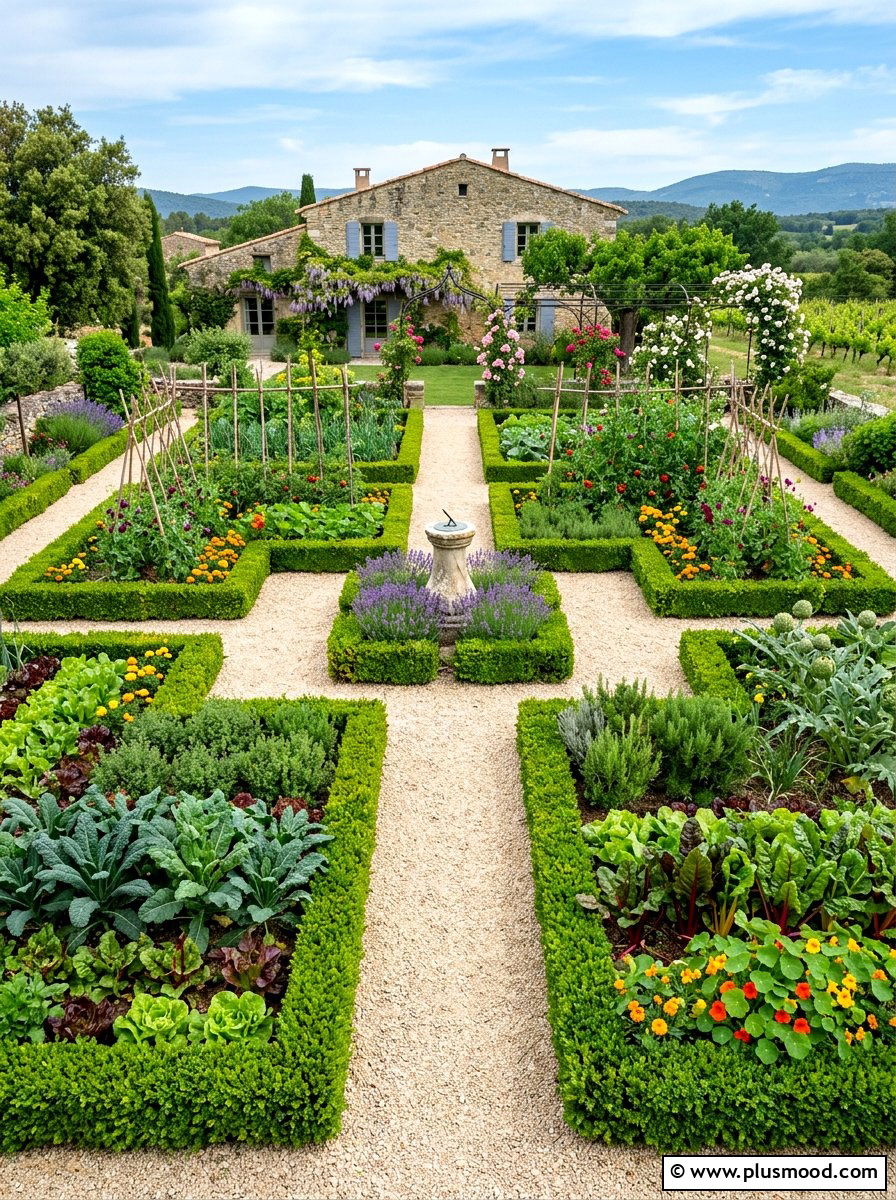
A kitchen potager garden combines the beauty of ornamental landscaping with the utility of a traditional vegetable patch. This French-style garden often features symmetrical paths and neatly clipped boxwood hedges surrounding the growing areas. You can mix leafy greens with vibrant flowers like zinnias or lavender to create a visual masterpiece. The goal is to have a garden that is as lovely to look at as it is productive for cooking. These gardens are usually located close to the house for easy access when you need fresh herbs or vegetables for dinner. It turns your food production area into a high-end landscape feature.
6. Backyard Homestead Vegetable Garden
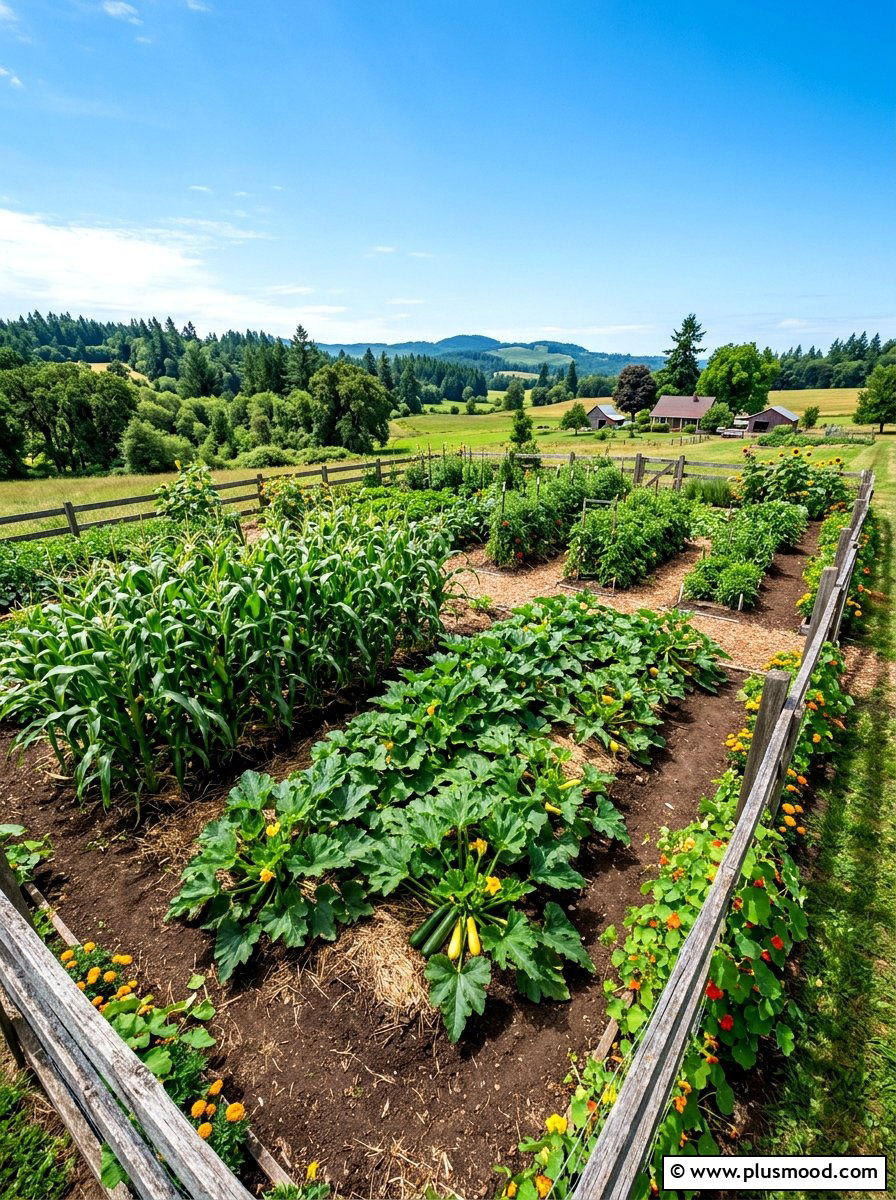
The backyard homestead vegetable garden is designed for those who want to achieve a high level of self-sufficiency. This layout usually covers a larger area and includes a wide variety of crops intended for preserving and canning. You might see long rows of corn, potatoes, and large patches of pumpkins or winter squash. Incorporating a composting station and perhaps a small chicken coop nearby enhances the regenerative nature of the space. This design focuses on high yields and efficient use of every square inch of available land. It is a rewarding project for families who enjoy spending their summer days working outside together.
7. Drip Irrigation Vegetable Garden
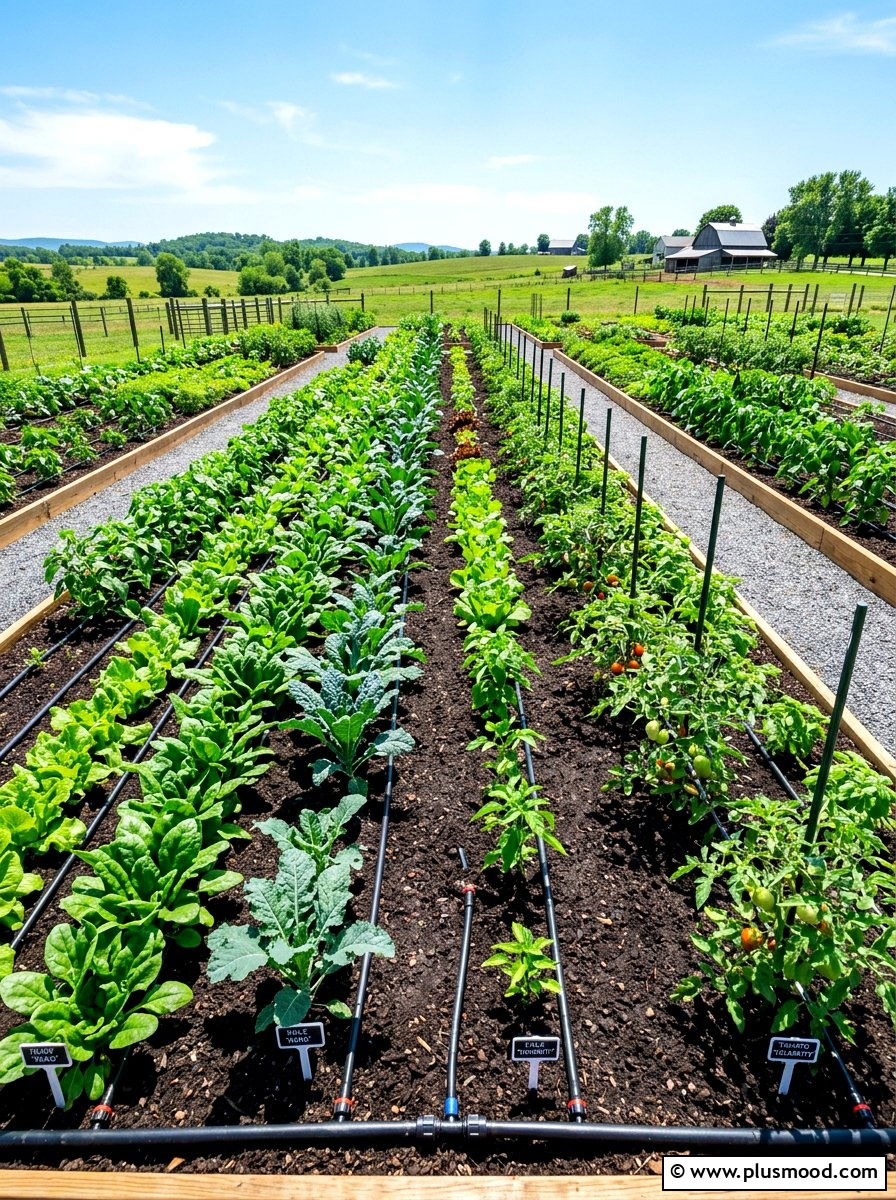
Installing a drip irrigation vegetable garden system is a game-changer for maintaining healthy plants during the hottest summer months. This technology delivers water directly to the base of each plant, which minimizes evaporation and prevents leaf diseases. You can set these systems on a timer so your garden stays hydrated even if you are away on vacation. Using black soaker hoses or thin plastic tubing hidden under a layer of mulch keeps the setup looking tidy. This efficient watering method saves money on your utility bills while ensuring consistent growth for your thirsty vegetables. It is a must-have for any modern and sustainable garden setup.
8. Greenhouse Vegetable Garden
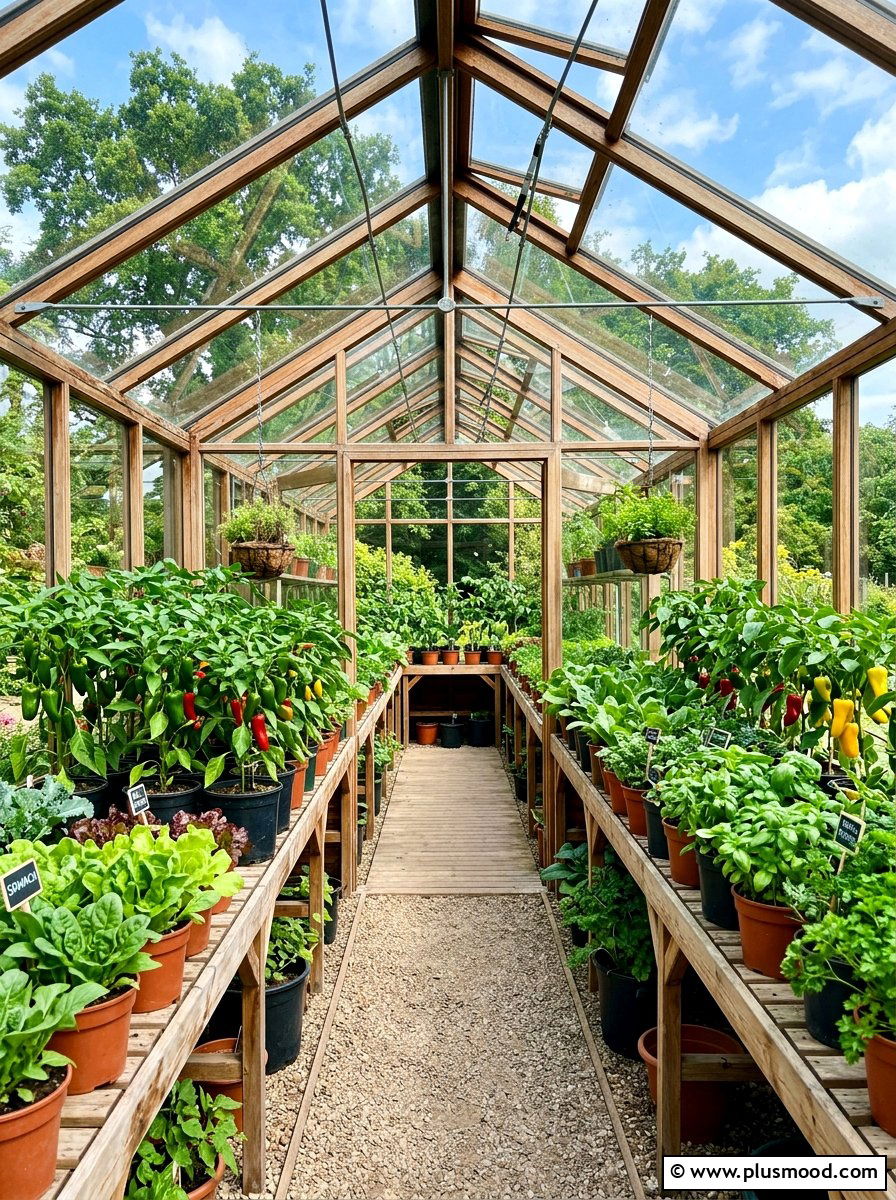
A greenhouse vegetable garden provides a controlled environment that protects your delicate summer crops from unpredictable weather patterns. While many vegetables love the heat, a greenhouse can help manage extreme temperature spikes or heavy wind and hail. You can use the interior space to start seeds early and keep production going late into the autumn months. High-quality ventilation and shade cloths are essential components to prevent the space from overheating during July and August. Adding shelving units inside allows you to grow on multiple levels, significantly increasing your total growing capacity. It is a dream setup for serious gardeners who want total control.
9. Edible Landscaping Garden
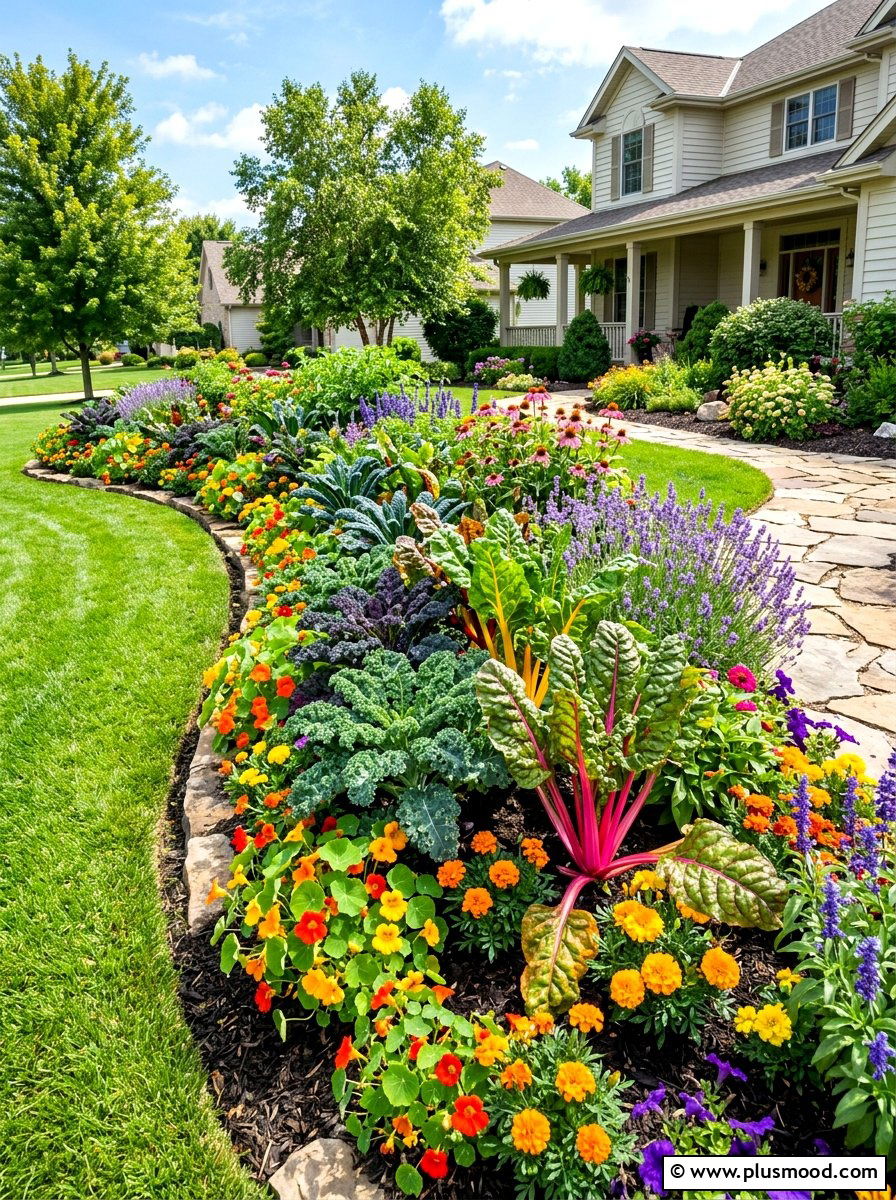
An edible landscaping garden merges your vegetable production directly into your existing flower beds and shrubbery borders. Instead of hiding your vegetables in a back corner, you use them as focal points in your front yard. Kale and Swiss chard offer beautiful textures and colors that rival traditional ornamental plants. Blueberry bushes can serve as attractive hedges, while strawberry plants make an excellent groundcover in sunny spots. This approach makes the most of your entire property and challenges the idea that food gardens must be separate from beauty. It is a creative way to grow food while maintaining a manicured home exterior.
10. Urban Small Space Garden
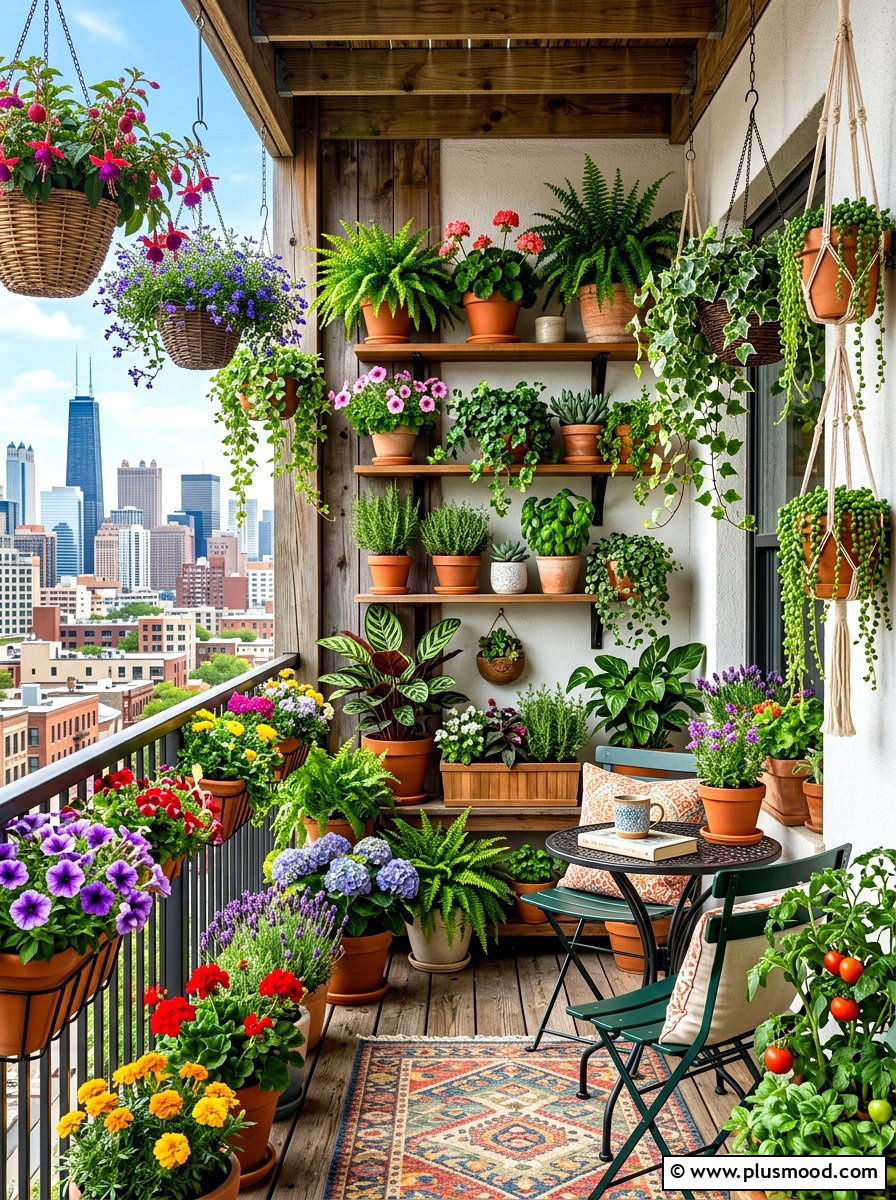
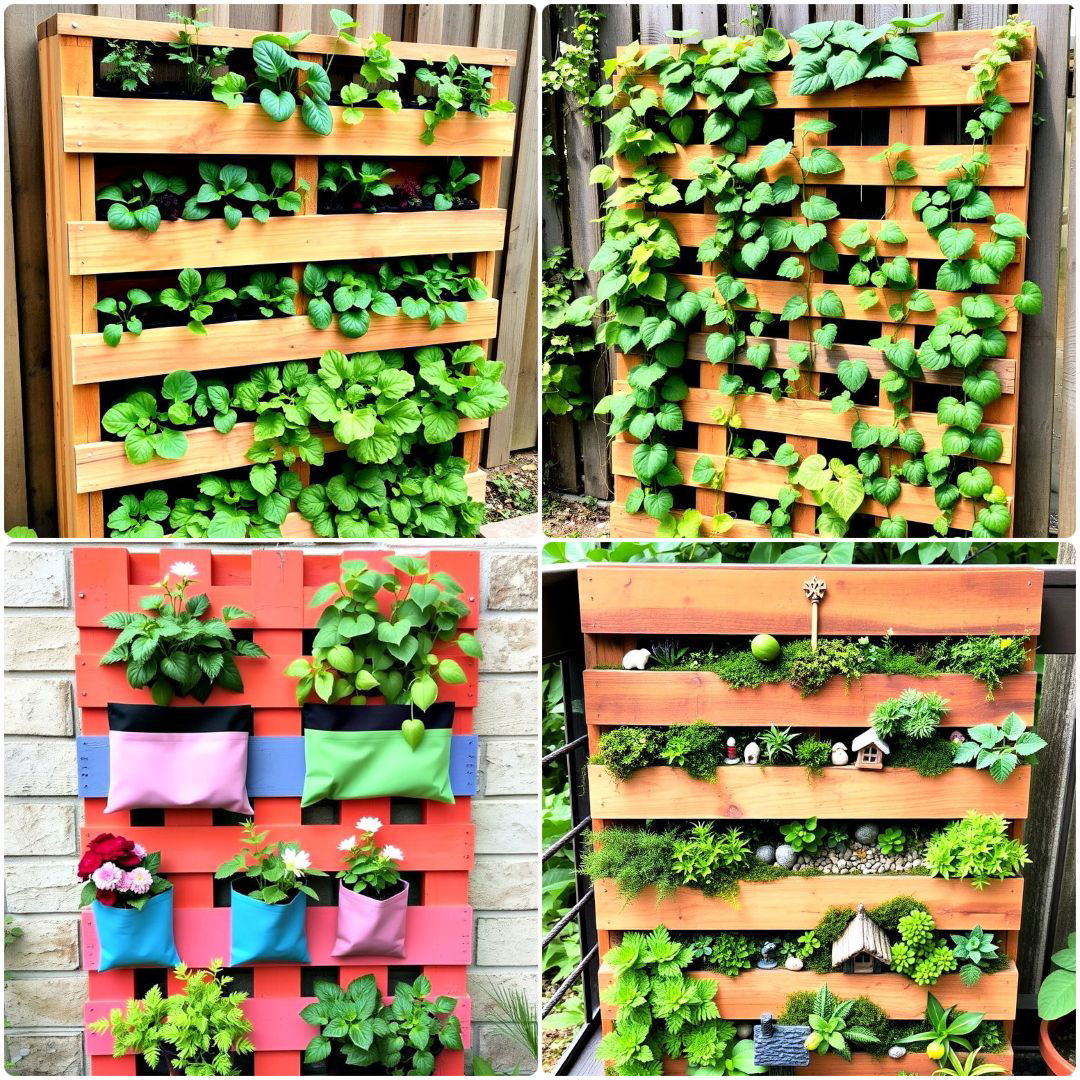
Managing an urban small space garden requires a lot of creativity and the use of every available surface. Wall-mounted planters, hanging baskets, and tiered shelving units are essential for maximizing a tiny balcony or concrete courtyard. You can grow a surprising amount of food by focusing on high-value crops like fresh herbs, salad greens, and cherry tomatoes. Using light-colored containers can help reflect heat and keep the roots of your plants from getting too hot on city balconies. This type of gardening brings a refreshing touch of nature into the heart of the city. It proves that anyone can grow food regardless of their location.
11. Rooftop Vegetable Garden
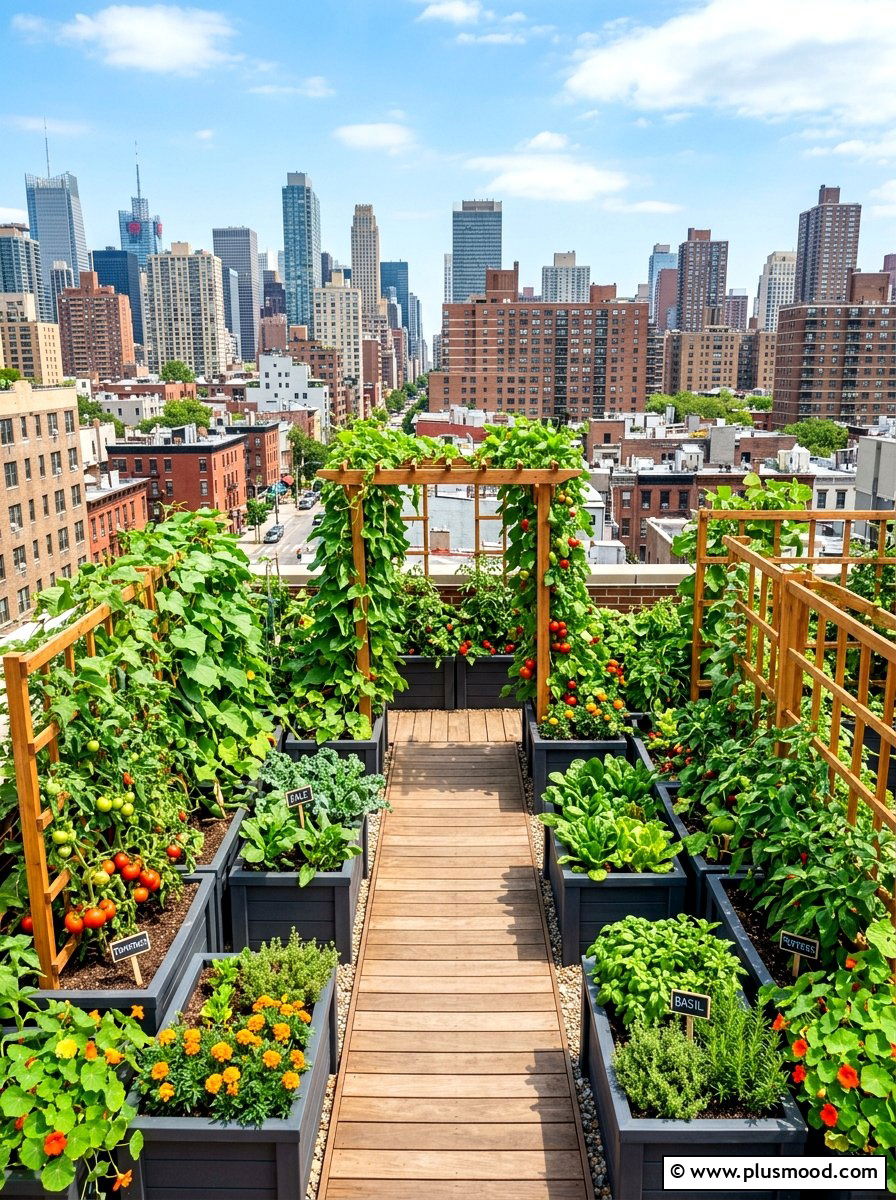
A rooftop vegetable garden takes advantage of the abundant sunlight found high above the street level in many cities. Because rooftops can get very hot, using self-watering containers or deep raised beds is crucial for keeping plants hydrated. You must also consider the weight capacity of your roof and choose lightweight soil mixes and plastic or resin pots. Creating windbreaks with sturdy trellises or tall plants like sunflowers can protect smaller vegetables from strong gusts. The view from a rooftop garden is often spectacular, making it a peaceful retreat from the busy world below. It is a sophisticated way to utilize otherwise wasted urban space.
12. Pollinator Vegetable Garden
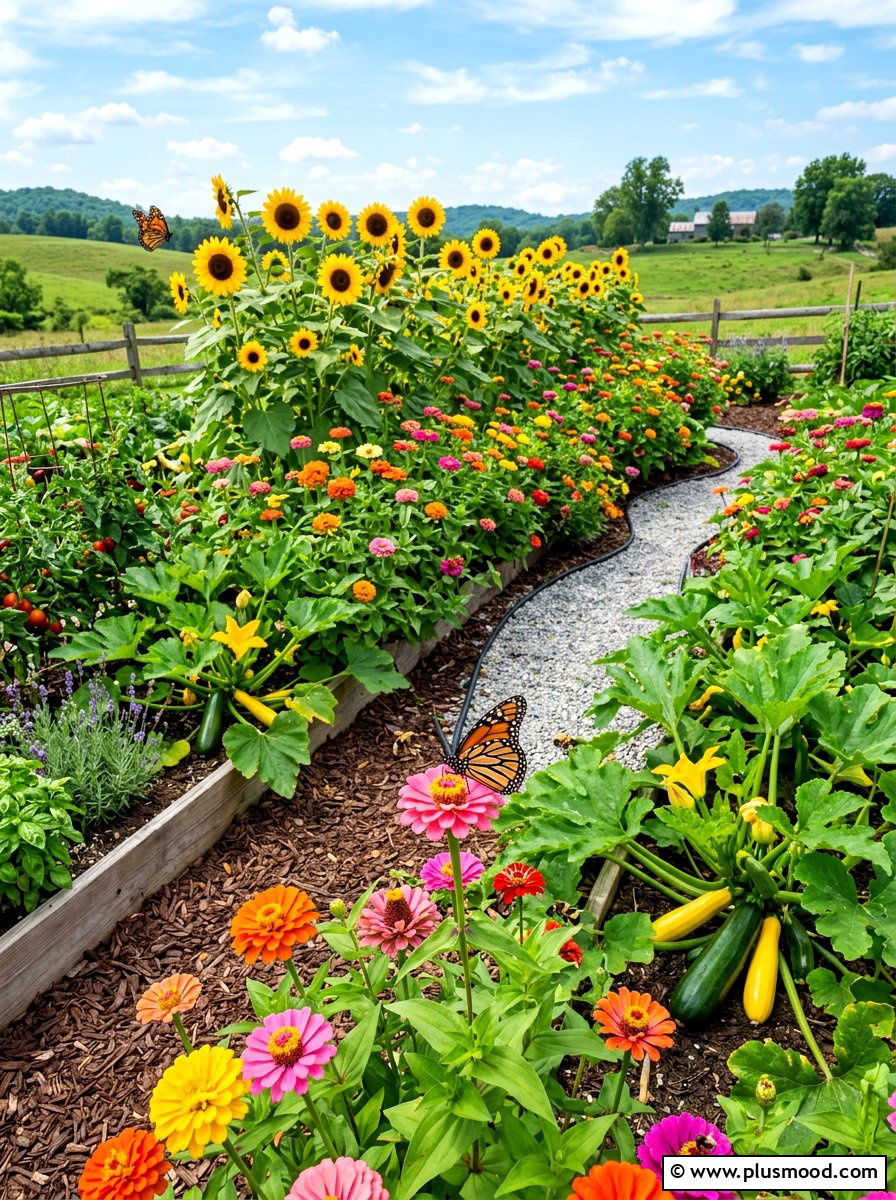
Building a pollinator vegetable garden focuses on attracting bees, butterflies, and other helpful insects to your growing area. By interspersing flowering plants like cosmos, bee balm, and sunflowers among your vegetables, you ensure high pollination rates. This leads to bigger harvests of crops like cucumbers, squash, and tomatoes that rely on insect activity. A pollinator garden is buzzing with life and provides a vital habitat for local wildlife in suburban neighborhoods. You can design the space with a mix of heights and colors to make it visually engaging for people too. It is a beautiful way to support the local environment while feeding yourself.
13. Shaded Vegetable Garden
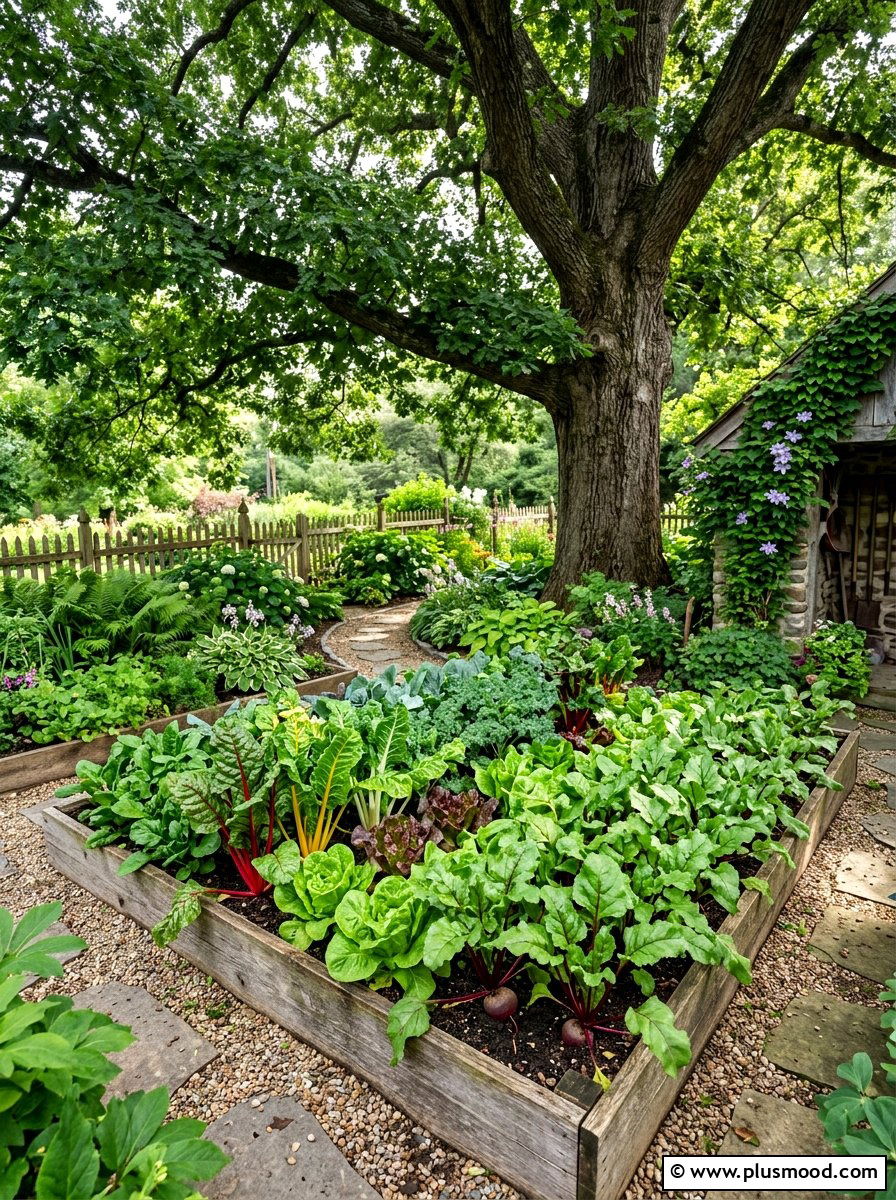
A shaded vegetable garden is the perfect solution for backyards that do not receive the full eight hours of sun. While sun-loving plants like peppers might struggle, many leafy greens and root vegetables thrive in partial shade. Crops like spinach, lettuce, kale, and beets actually prefer the cooler temperatures provided by a little afternoon shadow. You can use reflective mulches or white-painted fences to bounce more light onto your plants if needed. Placing your garden near large trees or the side of the house can keep it cool during heatwaves. This design allows you to be productive in areas often considered unusable for food.
14. Heirloom Vegetable Garden
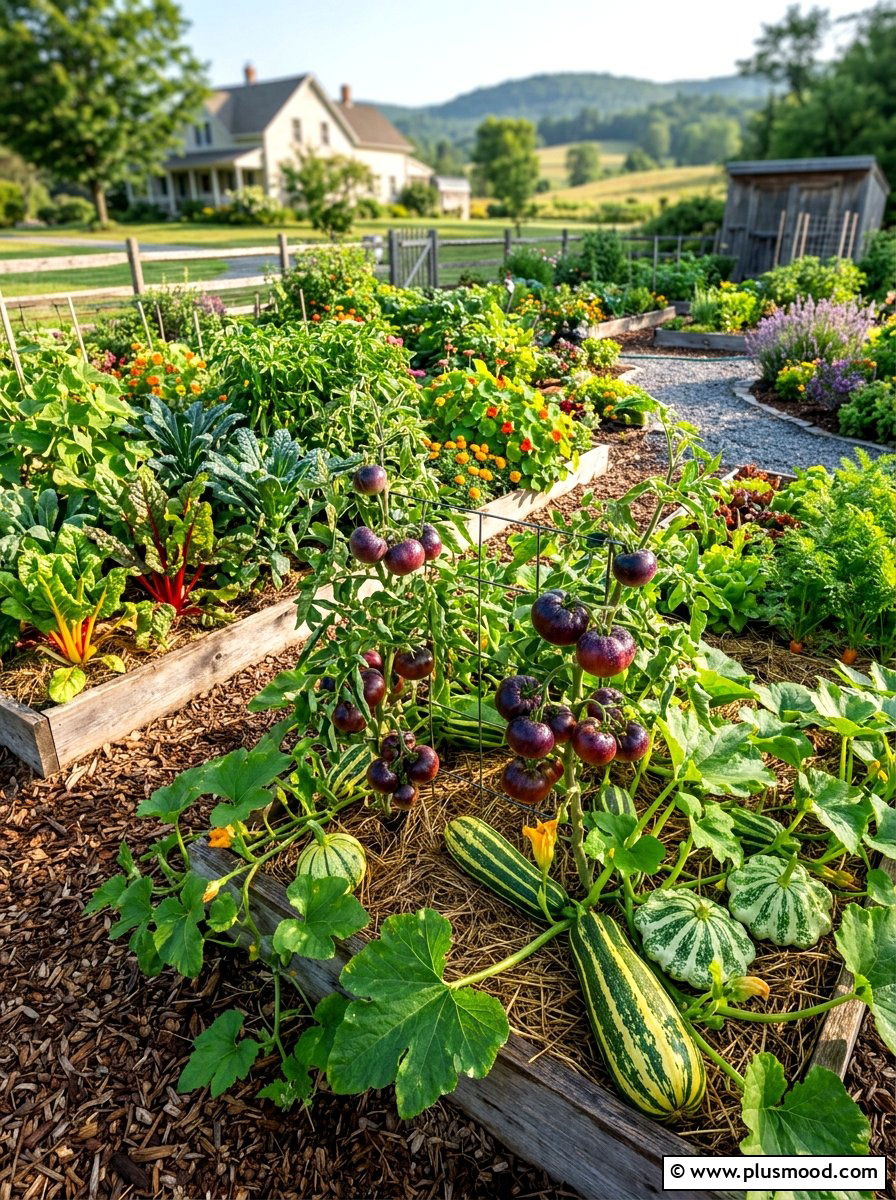
Focusing on an heirloom vegetable garden allows you to grow rare and unique varieties that you cannot find in grocery stores. These plants are grown from seeds passed down through generations and often have superior flavor and interesting colors. You might grow purple carrots, striped tomatoes, or oddly shaped summer squashes that become conversation pieces. Saving seeds from your best plants each year is a rewarding part of the heirloom gardening process. This style of garden connects you to agricultural history and helps preserve genetic diversity in our food system. It is a wonderful way to experience the full spectrum of nature’s bounty each summer.
15. Square Foot Vegetable Garden
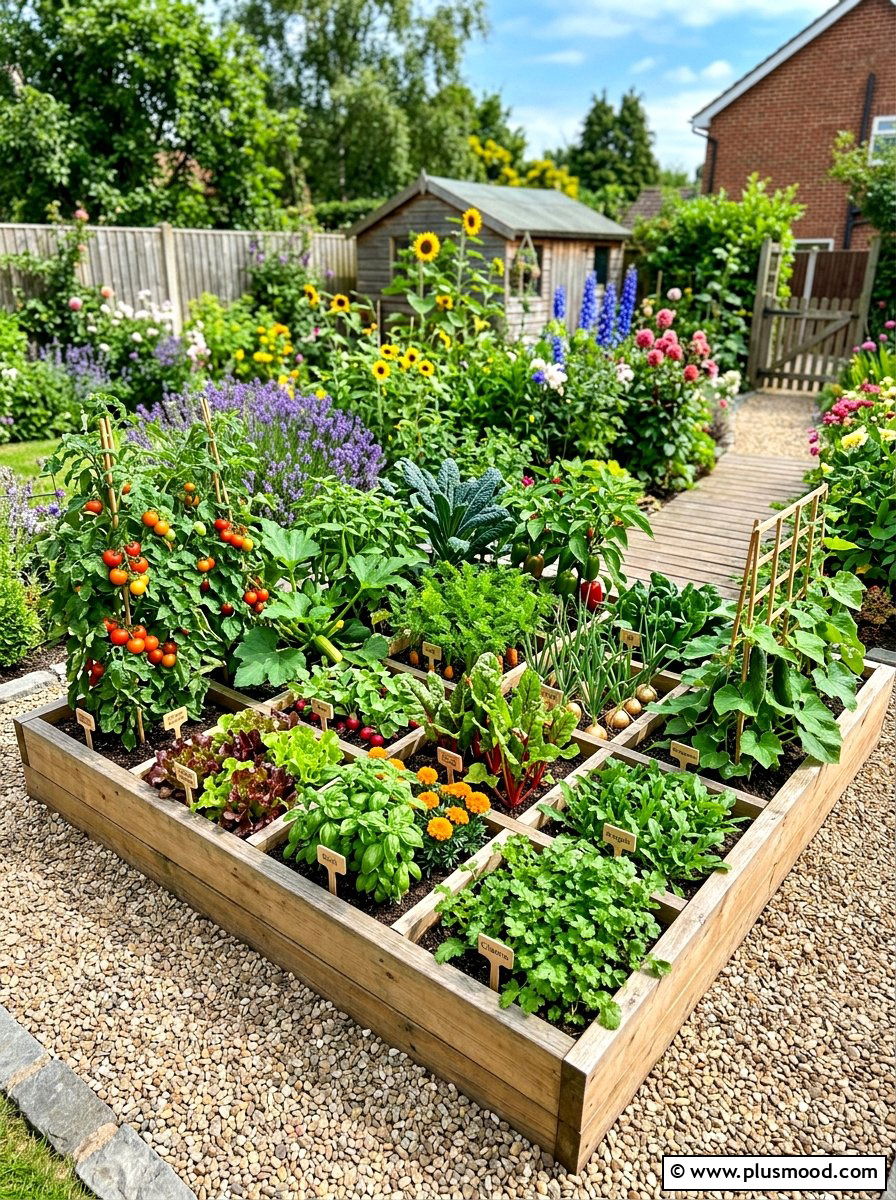
The square foot vegetable garden is a highly organized method that divides a raised bed into a grid of one-foot squares. Each square is planted with a specific number of vegetables based on their size and spacing requirements. This intensive planting technique maximizes yield while minimizing the amount of space needed for a productive harvest. It is an excellent choice for beginners because it provides clear instructions on how many plants to put in each section. Weeding is almost non-existent because the plants are spaced closely together, which naturally shades out most weeds. This system is incredibly efficient and keeps the entire garden looking very neat.
16. Hydroponic Vegetable Garden
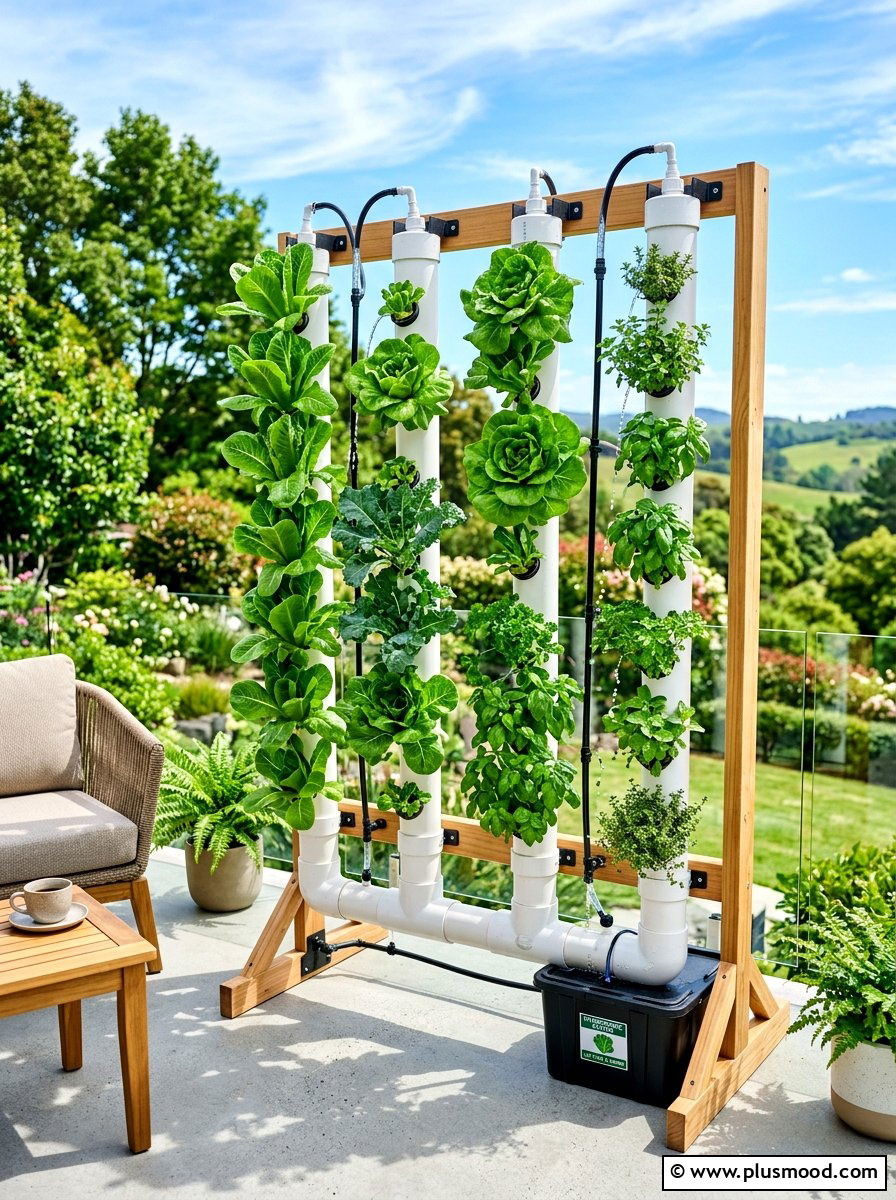
A hydroponic vegetable garden uses water and nutrient solutions instead of traditional soil to grow plants. This modern approach can be set up outdoors on a sunny patio using a vertical tower or a horizontal pipe system. Plants grown hydroponically often grow faster and produce larger yields because they have direct access to everything they need. It is a very clean way to garden, as there is no dirt to deal with and fewer soil-borne pests. You do need to monitor the water levels and nutrient balance regularly, but the results are often worth the extra effort. It is a high-tech solution for the futuristic home gardener.
17. Tiered Vegetable Garden
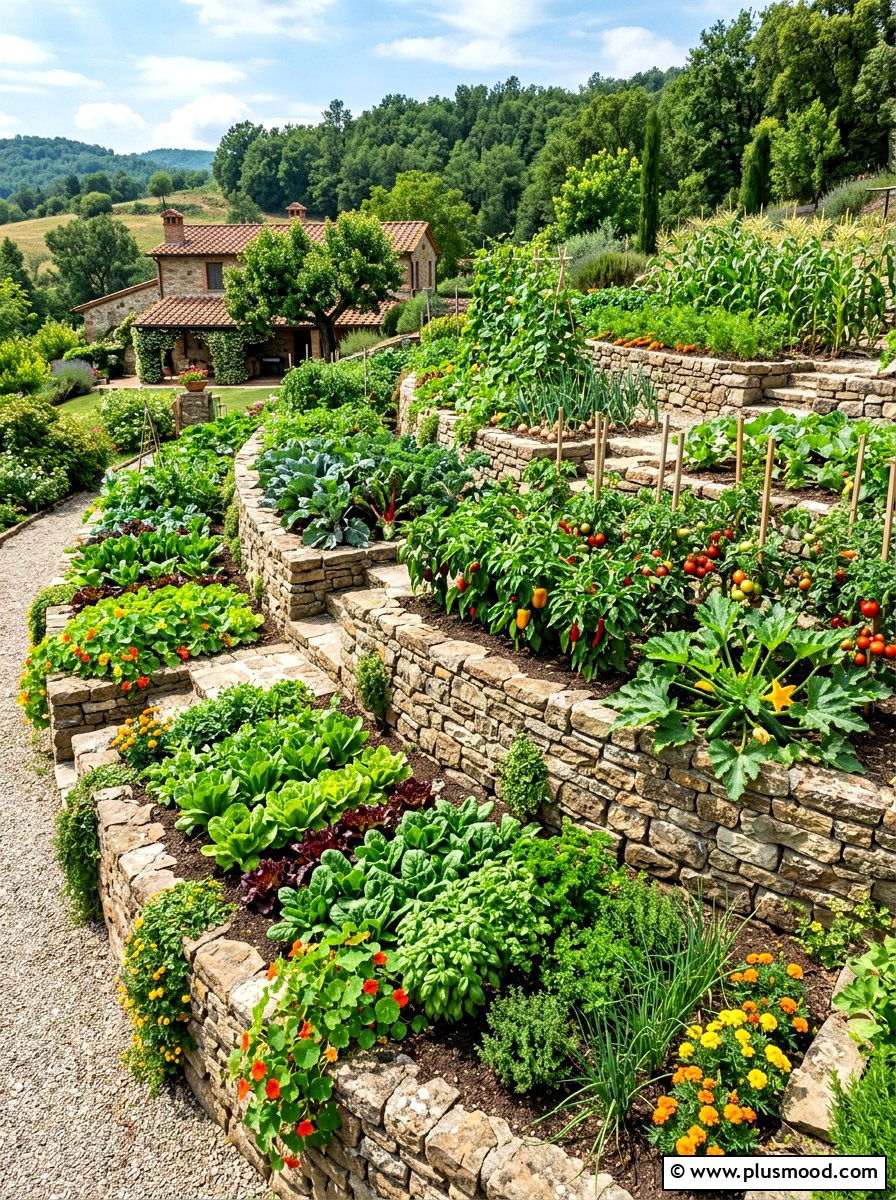
A tiered vegetable garden is an excellent way to utilize a sloped backyard or add visual interest to a flat space. You can build multiple levels using stone blocks, timber, or metal garden beds to create a cascading effect. The different heights allow you to plant according to sunlight needs, with sun-lovers on the top and shade-tolerant plants below. This design also provides superior drainage, as excess water naturally flows from the upper tiers down to the lower ones. It makes harvesting much easier by bringing the plants closer to your reach. A tiered setup looks professional and transforms a difficult landscape into a functional masterpiece.
18. In Ground Vegetable Garden
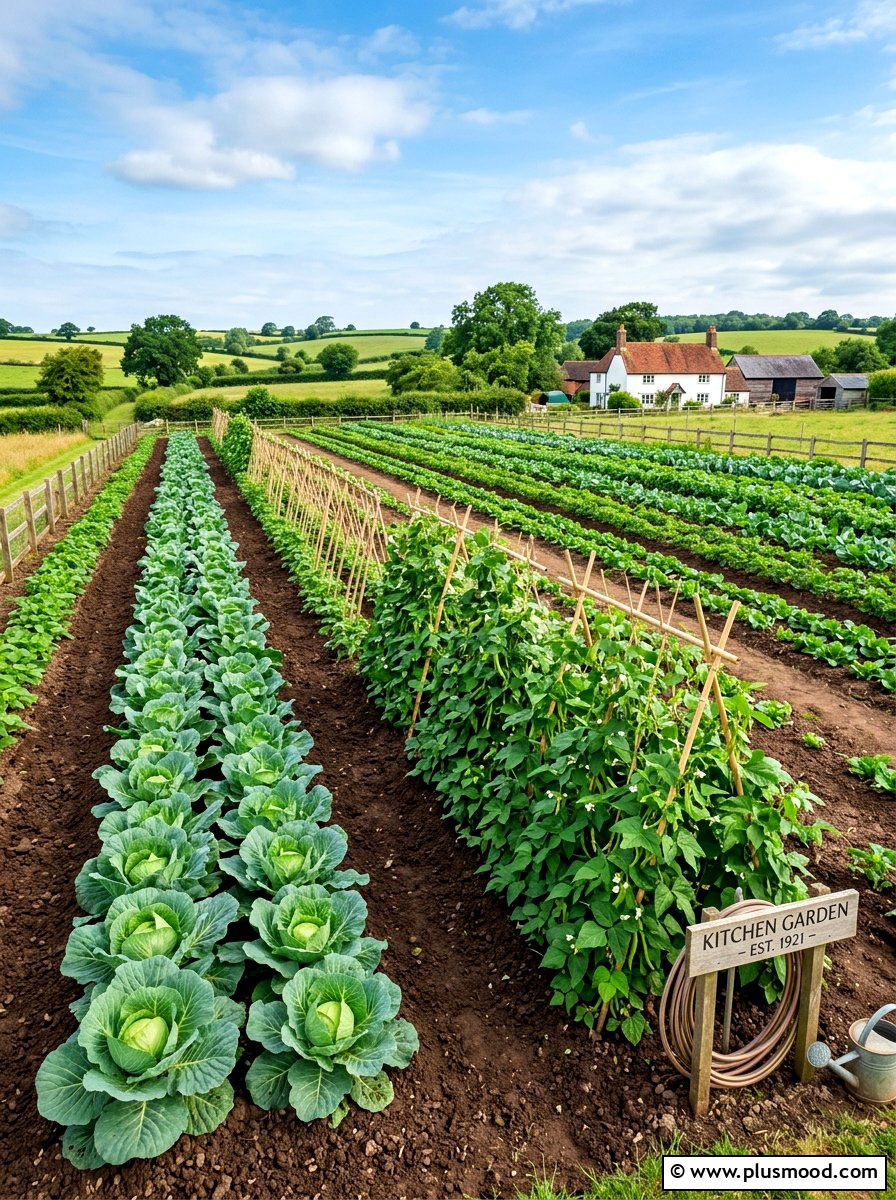
The traditional in ground vegetable garden remains a favorite for many because it requires very little upfront cost to start. You simply clear a patch of land, till the soil, and plant your seeds in long, straight rows. This method is ideal for large properties where you have plenty of room for sprawling plants like pumpkins or watermelons. It allows for easy use of mechanical tools like rototillers or hoes to manage weeds between the rows. You can enrich the native soil over time with compost and organic matter to keep it productive for years. This classic gardening style offers a deep connection to the earth.
19. Window Box Vegetable Garden
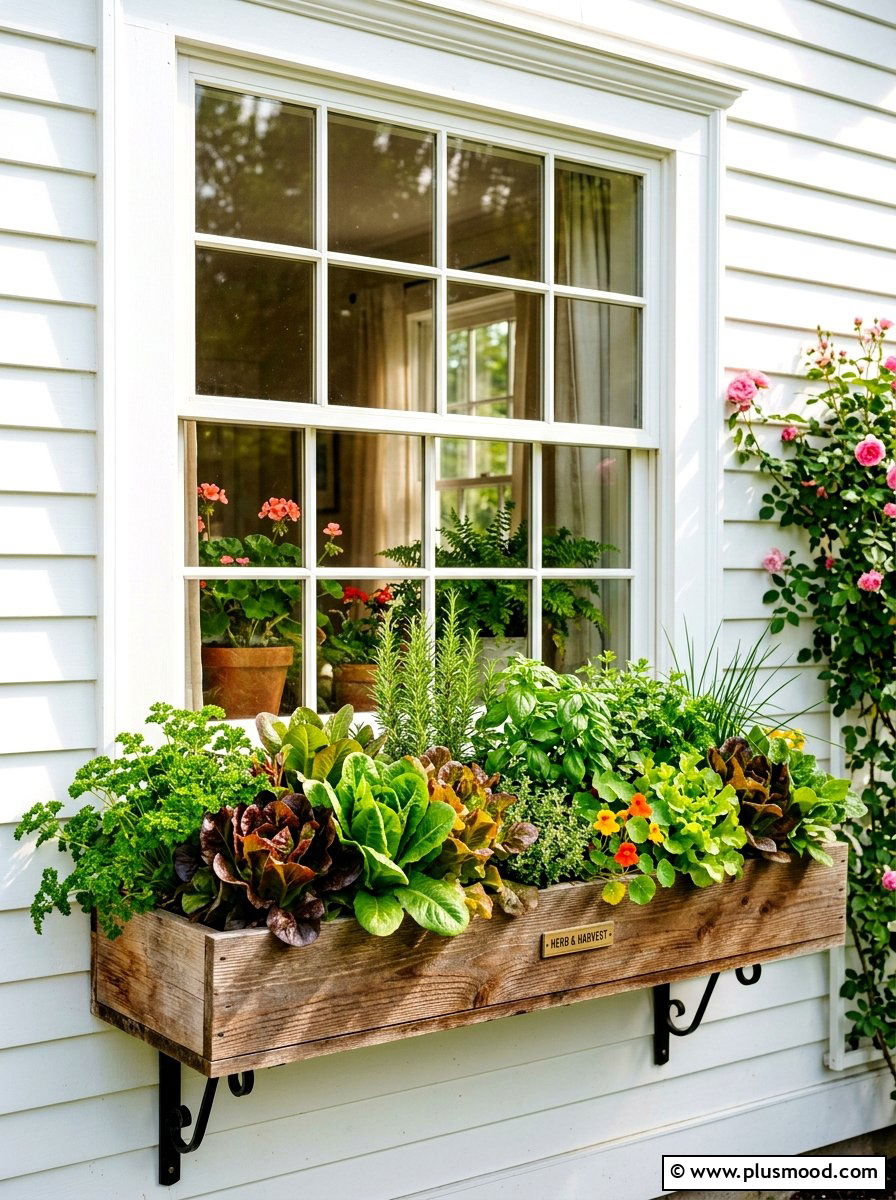
A window box vegetable garden is a charming way to grow fresh produce right outside your kitchen or living room window. These long, narrow planters are perfect for small-scale vegetables like radishes, baby greens, and various culinary herbs. You can easily reach out and snip what you need for a meal while you are cooking inside. Choosing colorful varieties of lettuce or trailing cherry tomatoes can make your window boxes look like decorative floral displays. Ensure the boxes are securely attached to your home and have good drainage to keep the soil fresh. It is a simple and effective way to enjoy the gardening experience.
20. Patio Vegetable Garden
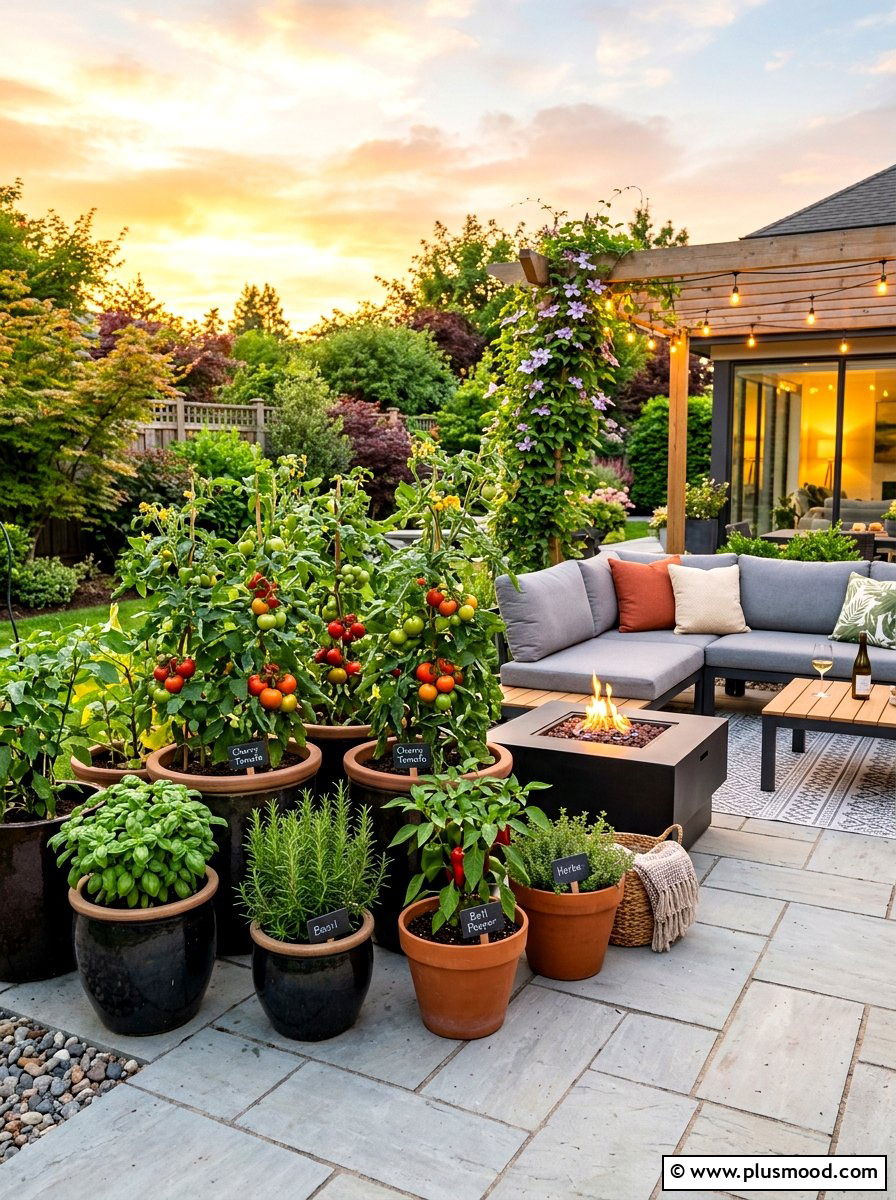
Designing a patio vegetable garden allows you to integrate your food production directly into your outdoor lounging area. You can use stylish planters that match your outdoor furniture to create a cohesive and high-end look. Placing a few large pots of tomatoes or a vertical herb wall near your barbecue makes outdoor cooking more convenient. This setup encourages you to spend more time in your garden because it is right where you relax. You can add comfortable seating and ambient lighting to enjoy your plants during the warm summer evenings. It turns your patio into a lush, edible oasis for family and friends to enjoy.
21. Organic Vegetable Garden
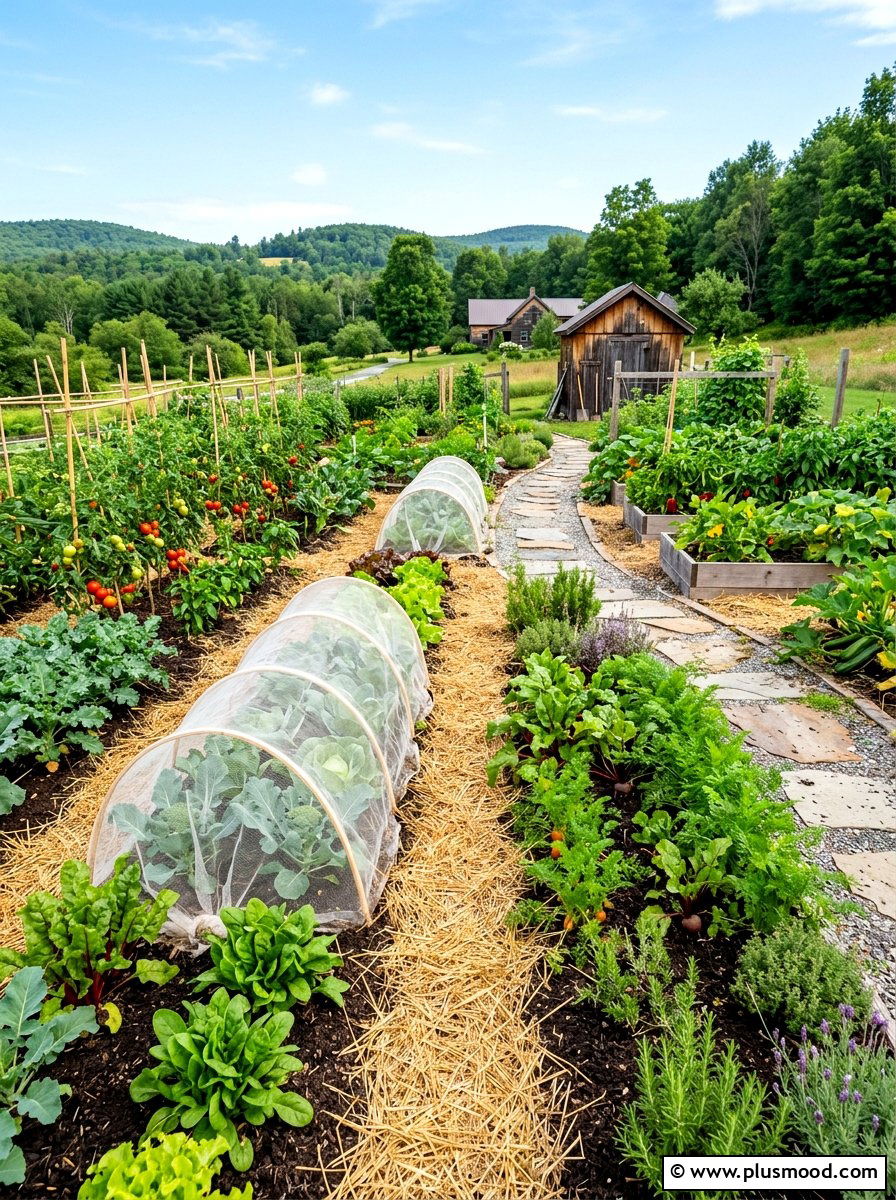
An organic vegetable garden is built on the principle of working with nature rather than against it. You avoid all synthetic fertilizers and chemical pesticides, relying instead on compost, mulch, and natural pest control methods. This approach ensures that the food you grow is as healthy as possible for your family to consume. Using covers to protect plants from insects or introducing ladybugs can help manage pests without harmful sprays. Healthy soil is the foundation of an organic garden, so focus on adding organic matter every season. This sustainable practice protects the local water supply and supports a healthy ecosystem in your backyard.
22. Tropical Summer Vegetable Garden
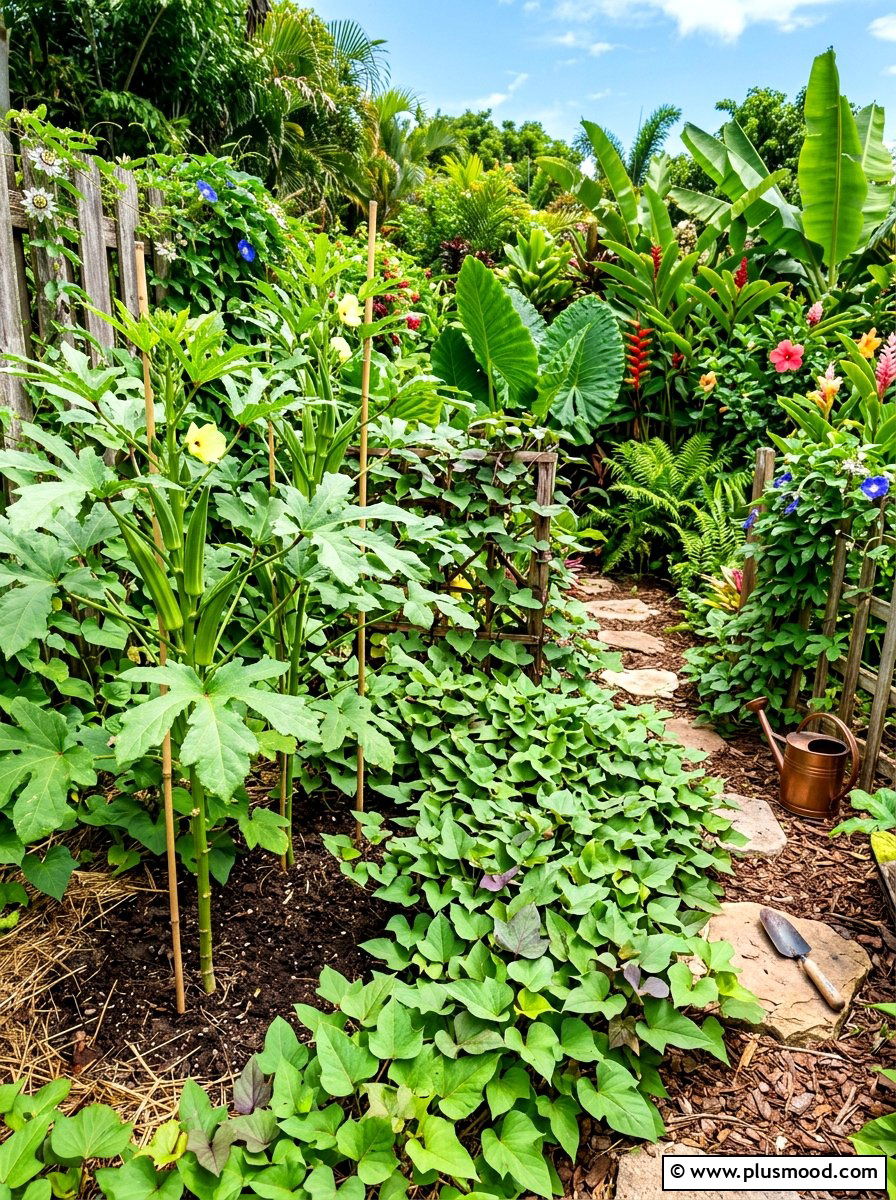
A tropical summer vegetable garden features heat-loving crops that thrive when the temperatures and humidity are high. You can grow exotic varieties like okra, sweet potatoes, ginger, and certain types of hot peppers that enjoy the scorching sun. These plants often have large, dramatic leaves that give your garden a lush and jungle-like appearance. Proper watering is essential during the height of summer to keep these fast-growing plants from wilting. This design is perfect for southern climates where traditional cool-season crops struggle to survive the intense summer heat. It is a vibrant and exciting way to experiment with unique flavors and textures in your cooking.
23. Modern Minimalist Vegetable Garden
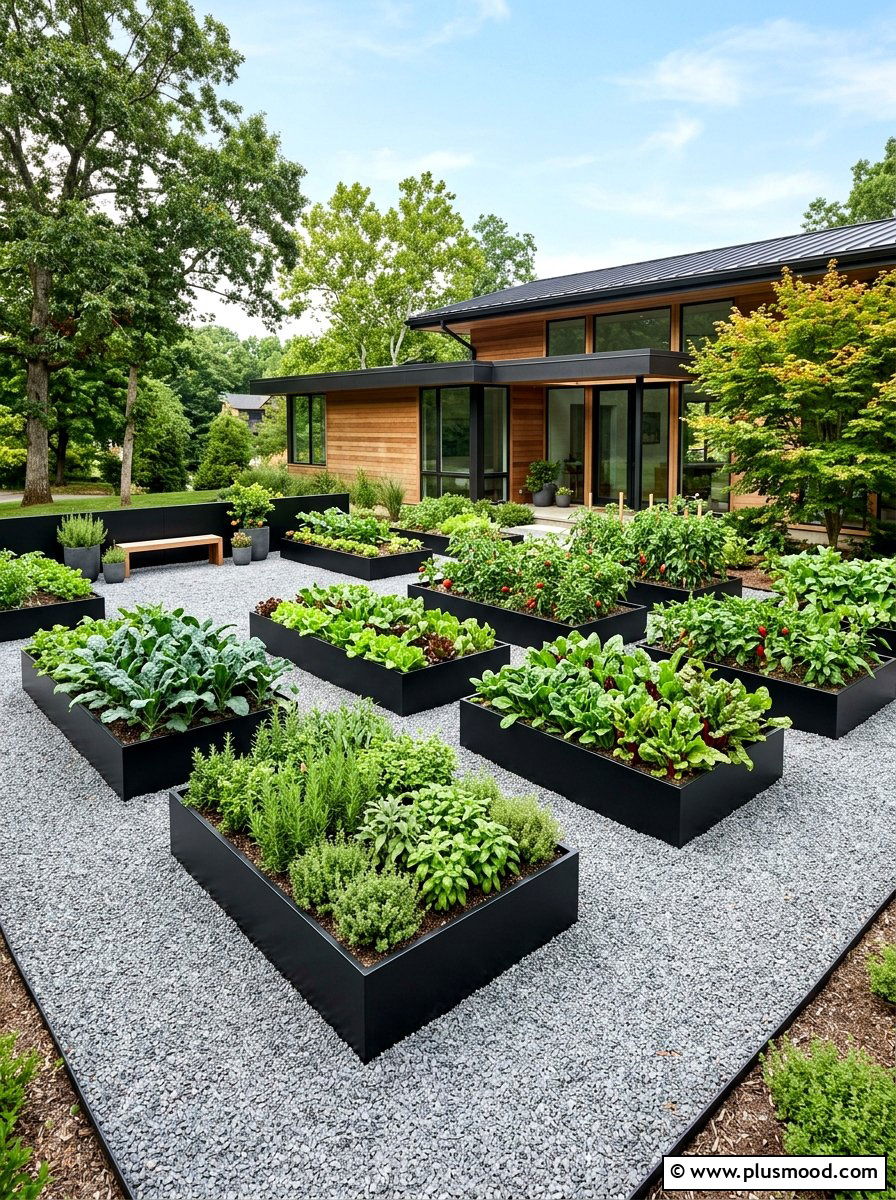
The modern minimalist vegetable garden focuses on clean lines, simple materials, and a clutter-free aesthetic. You might use sleek metal raised beds or smooth concrete planters arranged in a very structured and geometric pattern. This style often uses a limited color palette for the hardscaping to let the bright green of the vegetables stand out. Keeping the pathways wide and clear of debris is a key part of maintaining this sophisticated look. Minimalist gardens are perfect for contemporary homes where the outdoor space needs to feel organized and calm. It proves that a functional food garden can be a high-design feature of your modern landscape.
24. Traditional Farm Vegetable Garden
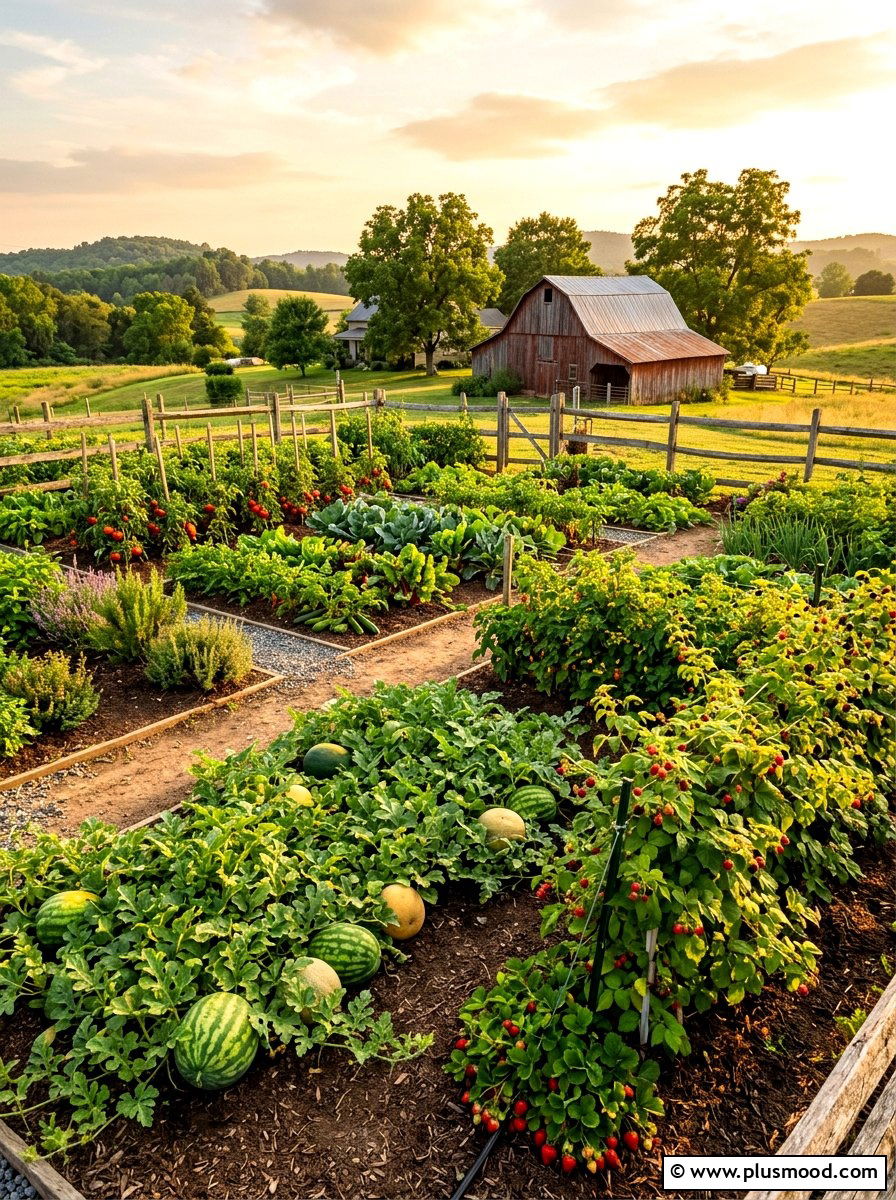
A traditional farm vegetable garden captures the rustic charm of a rural homestead with wooden post fences and large, open plots. This design often includes a mix of vegetables, fruits, and cutting flowers all grown in a somewhat loose and natural way. You might see a dedicated area for berry bushes and a small orchard of fruit trees nearby. Adding a rustic gate and some gravel paths can enhance the old-fashioned feeling of the space. This type of garden is meant for heavy production and is often passed down through families as a cherished tradition. it is a peaceful and productive way to spend your summer.
25. Childrens Vegetable Garden
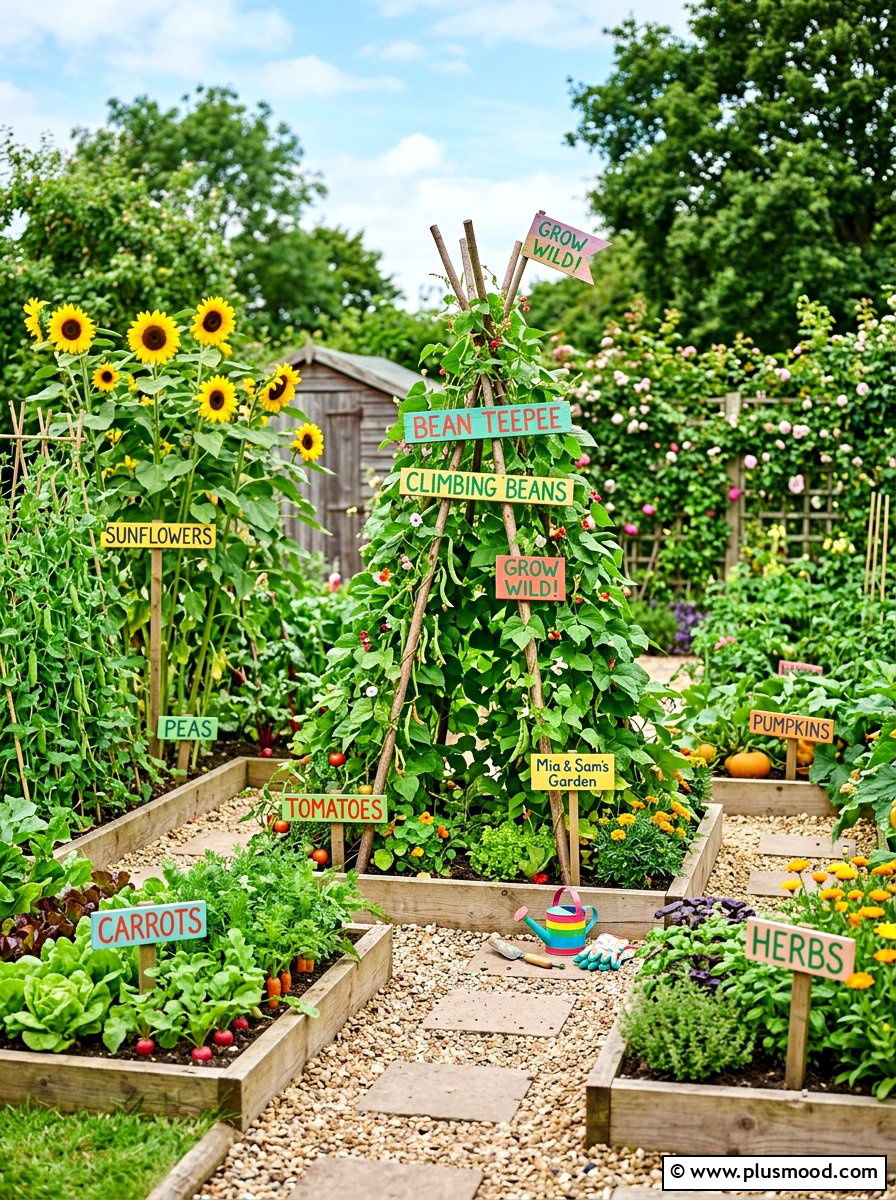
Creating a childrens vegetable garden is a wonderful way to introduce the next generation to the wonders of nature and healthy eating. Choose plants that are easy to grow and fun to harvest, like giant sunflowers, snap peas, and cherry tomatoes. You can add whimsical elements like a bean teepee or a small path made of colorful stepping stones. Giving children their own small plot or a few dedicated pots empowers them to take responsibility for their plants. It is a fantastic sensory experience that teaches patience and the rewards of hard work. Watching a tiny seed turn into a delicious vegetable is a magical summer memory for any child.
Conclusion:
Designing a summer vegetable garden is a rewarding journey that connects you with nature and provides healthy food for your table. From organized raised beds to creative vertical solutions, there is a perfect layout for every home and lifestyle. The key to a successful garden is choosing a style that fits your space and commitment level while ensuring your plants get enough sun and water. As you harvest your first ripe tomato or crisp cucumber, you will feel a deep sense of pride in your accomplishment. Every garden is a unique expression of the person who tends it, so enjoy the process of growing.
Related posts:
Leave a Reply